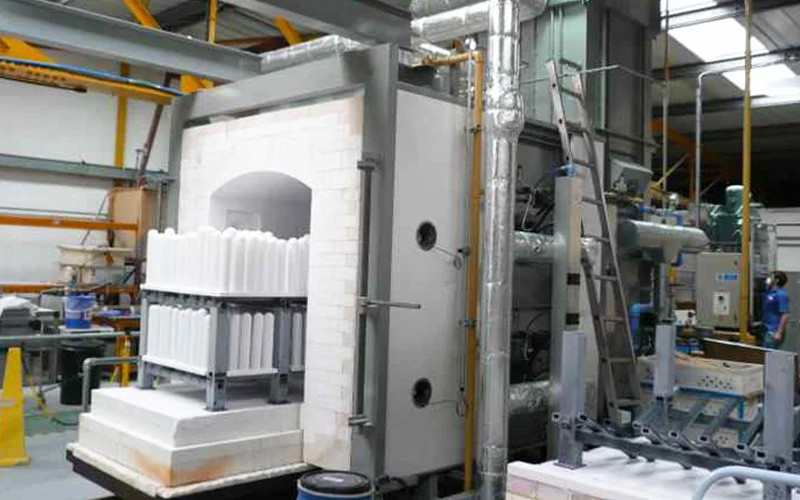
Cracking furnaces operate under demanding thermal conditions and require refractory materials that can withstand high temperatures while maintaining good insulation and structural stability. High alumina lightweight refractory brick is an effective lining material for cracking furnaces because of its low thermal conductivity, high-temperature strength, good thermal shock resistance, and resistance to corrosion from different furnace atmospheres.
In petrochemical and chemical processing industries, cracking furnaces are commonly designed with different lining structures according to operating temperature. Selecting suitable refractory materials for each furnace section is essential for protecting the furnace shell, reducing heat loss, and maintaining stable operation.
Types of Cracking Furnace Linings
Cracking furnace linings can generally be divided into two types: low-temperature linings and high-temperature linings.
For a low-temperature cracking furnace, the furnace chamber temperature is normally no higher than 1200°C, and the furnace operates under negative pressure. The furnace wall may use calcium silicate insulation boards combined with high alumina lightweight refractory materials. In the radiation section and convection section, lightweight high alumina refractory castables can be used for the furnace bottom and corners. Expansion joints are commonly filled with refractory fiber to accommodate thermal expansion and reduce stress within the lining.
For high-temperature designs, such as furnaces with elevated platform structures, the chamber temperature can reach approximately 1320°C. These furnaces require refractory linings with higher temperature resistance. Refractory plastic materials and refractory fibers can be used as important components of the lining system.
The selection of the lining should therefore be based on operating temperature, furnace structure, atmosphere, heat-loss requirements, and the specific location of each refractory component.
What Is High Alumina Lightweight Refractory Brick?
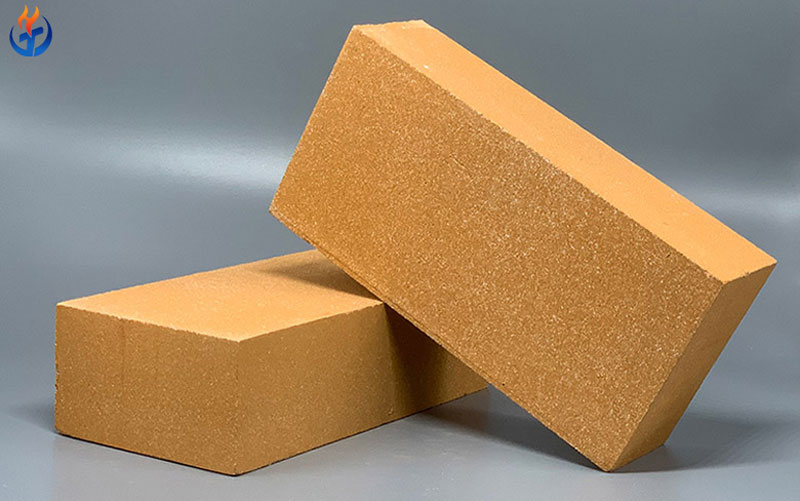
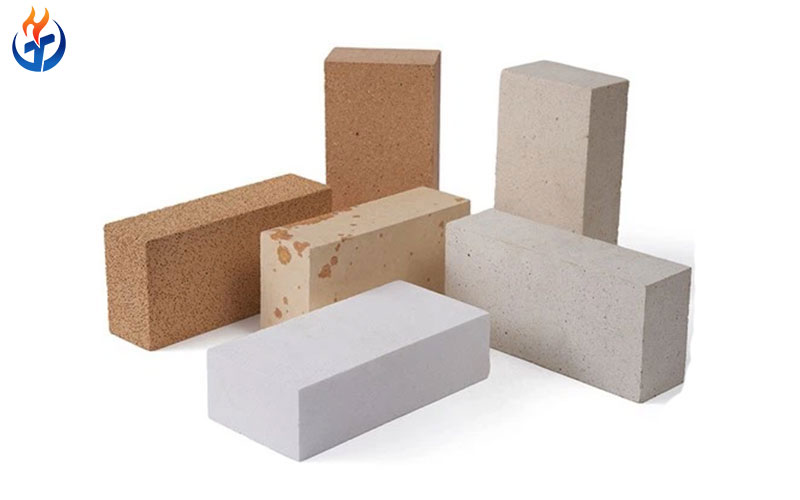
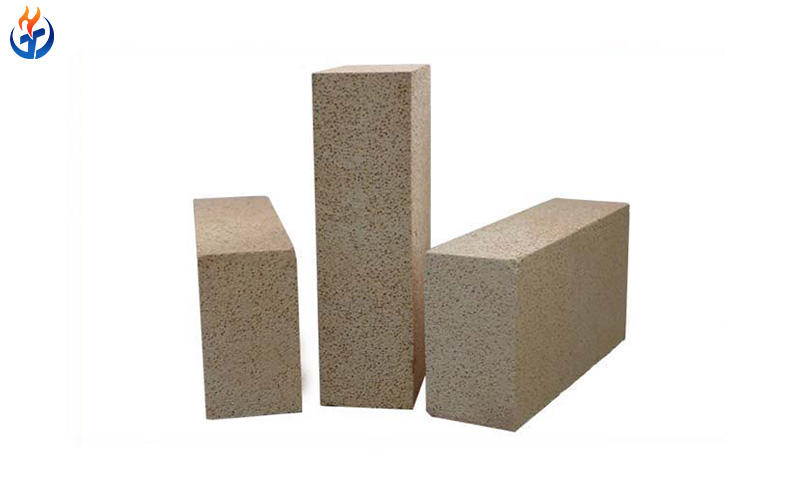
High alumina lightweight refractory brick, also known as lightweight high alumina insulating brick or lightweight aggregate high alumina brick, is manufactured using special high-alumina raw materials combined with suitable additives. A lightweight firing process is used to create a porous internal structure, which significantly reduces the bulk density of the finished product.
Compared with conventional dense refractory bricks, high alumina lightweight refractory brick offers a better combination of heat insulation and high-temperature performance. Its lightweight structure reduces heat storage and helps minimize heat transfer through the furnace wall.
The material is particularly suitable for industrial furnaces where thermal insulation is important but the refractory lining must still maintain sufficient mechanical strength.
Key Properties of High Alumina Lightweight Refractory Brick
One of the main advantages of high alumina lightweight refractory brick is its low thermal conductivity. The porous structure reduces heat transfer and helps improve the overall energy efficiency of the furnace.
The material also provides several important performance characteristics:
- High-temperature strength: It can maintain useful structural strength under elevated-temperature conditions.
- Low thermal conductivity: The lightweight structure provides effective thermal insulation and reduces heat loss.
- Good thermal shock resistance: The material can better withstand repeated temperature changes during furnace operation.
- Good volume stability: Limited reheating dimensional changes help maintain the integrity of the furnace lining.
- Atmosphere resistance: High alumina lightweight refractory brick offers resistance to corrosion under various furnace atmospheres.
- Energy-saving performance: Lower heat transfer can reduce the amount of energy required to maintain the required furnace temperature.
- Low bulk density: Its lightweight characteristics can reduce the overall weight of the refractory lining.
These properties make the material a practical option for insulation layers and selected working areas in industrial furnace construction.
Technical Specifications
The typical specifications of high alumina lightweight refractory brick can be represented by two grades, GJQ1.0 and GJQ0.8.
| Item | GJQ1.0 | GJQ0.8 |
|---|---|---|
| Al₂O₃ (%) | ≥48 | ≥48 |
| Fe₂O₃ (%) | ≤2 | ≤2 |
| Bulk Density (g/cm³) | ≤1.0 | ≤0.8 |
| Cold Crushing Strength (MPa) | ≥3.5 | ≥2.5 |
| Thermal Conductivity, 350±25°C (W/m·K) | ≤0.50 | ≤0.35 |
| Reheating Linear Change, 1350°C × 2h (%) | -2.0 to +1.0 | -2.0 to +1.0 |
The GJQ0.8 grade has a lower bulk density and lower thermal conductivity than GJQ1.0, making it suitable for applications where thermal insulation and weight reduction are particularly important. GJQ1.0 provides higher cold crushing strength and can be considered where greater mechanical stability is required.
Application in Cracking Furnaces
In cracking furnaces, high alumina lightweight refractory brick can be used as part of the furnace lining and insulation system. Its low thermal conductivity helps reduce heat transfer from the furnace chamber to the outer shell. This can contribute to lower energy consumption and a more stable thermal environment.
The material can be particularly useful in areas where lightweight insulation is required together with reliable high-temperature performance. Depending on the furnace design, it can work together with calcium silicate boards, refractory castables, refractory plastics, and refractory fibers to create a multilayer lining system.
However, different furnace sections experience different temperatures and mechanical conditions. Therefore, the appropriate grade and installation structure should be selected according to the actual operating conditions rather than using one refractory material throughout the entire furnace.
Why Choose Lightweight High Alumina Refractory Materials?
For industrial furnace designers, reducing heat loss is an important consideration. A refractory material with low thermal conductivity can improve insulation performance and help maintain furnace temperatures more efficiently.
At the same time, excessive weight can increase the load on the furnace structure. Lightweight refractory materials can reduce this structural load while providing the necessary thermal insulation.
High alumina lightweight refractory brick combines these advantages with high-temperature strength, good thermal stability, and resistance to different operating atmospheres. As a result, it has become an important lightweight refractory material for industrial furnace insulation and lining applications.
Conclusion
High alumina lightweight refractory brick provides a combination of thermal insulation, low bulk density, high-temperature strength, thermal shock resistance, and good volume stability. For cracking furnaces operating at temperatures ranging from approximately 1200°C to 1320°C, it can be incorporated into a properly designed refractory lining system together with refractory castables, refractory fibers, calcium silicate boards, or refractory plastics.
By selecting the appropriate grade according to temperature, mechanical requirements, thermal conductivity, and furnace structure, high alumina lightweight refractory brick can help improve insulation performance, reduce heat loss, and support reliable long-term furnace operation.