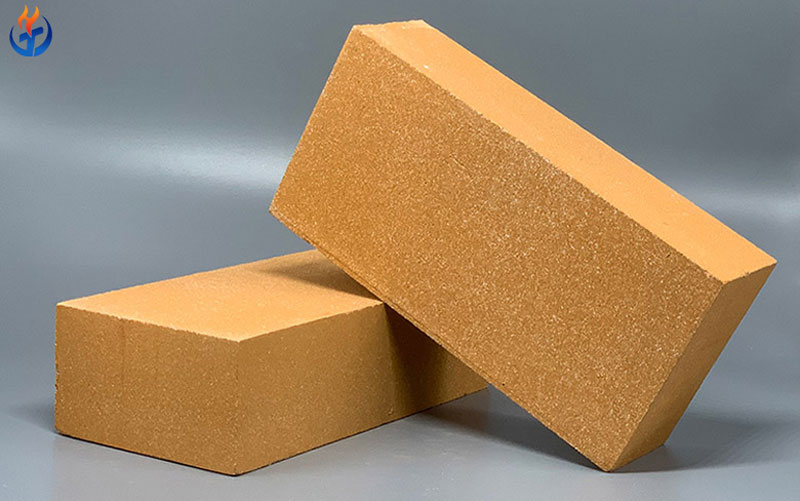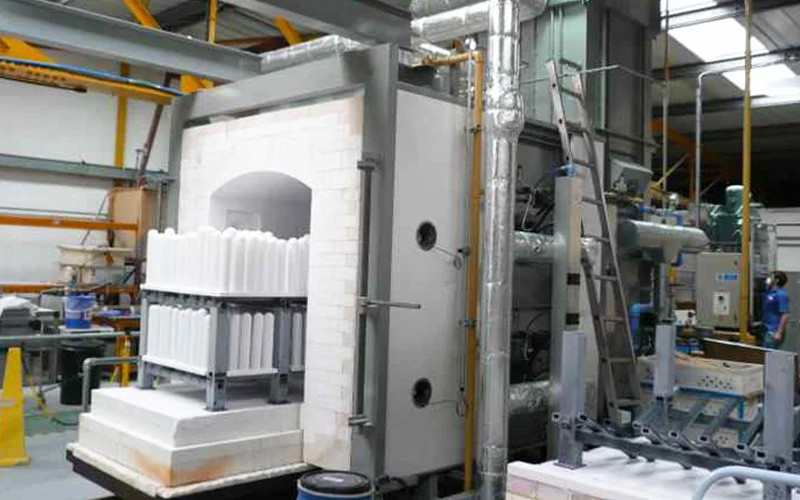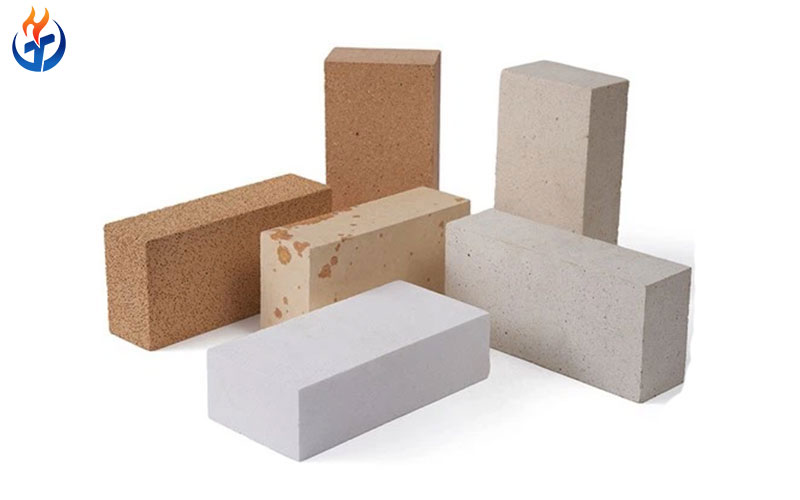
Refractory anchor bricks are specialized refractory products used to secure and reinforce refractory linings in high-temperature kilns and industrial thermal equipment. Because different industrial furnaces operate under different temperatures, atmospheres, mechanical loads, and chemical conditions, refractory anchor bricks are available in several material classifications. Selecting the correct type is essential for maintaining refractory stability and achieving a long service life.
The classification of refractory anchor bricks can be considered according to their refractory composition, performance characteristics, and application environment. Common material types include clay refractory anchor bricks, high alumina refractory anchor bricks, and silica refractory anchor bricks. Each type has different properties and is suitable for specific operating conditions.
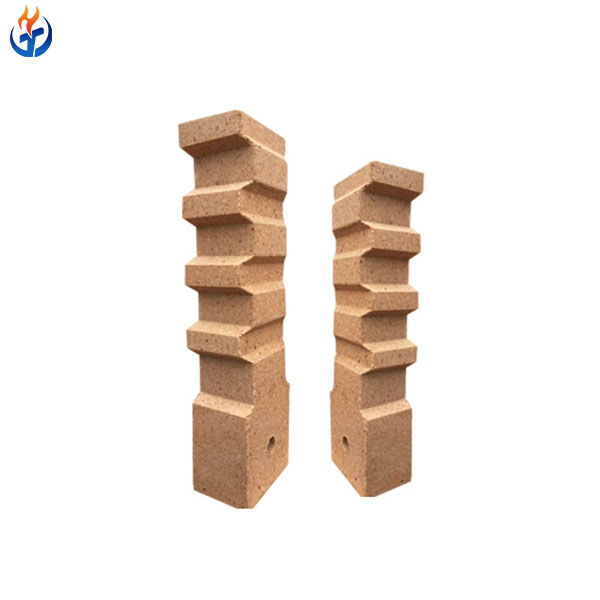
1. Clay Refractory Anchor Bricks
Clay refractory anchor bricks are mainly produced from aluminosilicate refractory raw materials with relatively lower alumina content compared with high alumina products. They are one of the basic types of refractory anchoring materials and can be used in applications where extremely high temperatures or severe chemical conditions are not present.
The main advantage of clay refractory anchor bricks is their suitability for moderate-temperature applications. They provide adequate refractoriness and structural support for many auxiliary sections of industrial thermal equipment.
However, clay refractory anchor bricks generally have lower refractoriness and high-temperature performance than high alumina refractory anchor bricks. Therefore, they are normally selected for medium-temperature kiln areas or locations where thermal and chemical stresses are relatively limited.
Their application should still be determined according to the actual operating temperature and refractory system rather than simply according to cost.
2. High Alumina Refractory Anchor Bricks
High alumina refractory anchor bricks contain a relatively high proportion of alumina, commonly with Al₂O₃ content of 48% or higher depending on the grade. Compared with ordinary clay refractory anchor bricks, high alumina products generally offer better refractoriness, mechanical strength, and resistance to high-temperature conditions.
High alumina refractory anchor bricks are therefore widely considered for demanding areas of industrial kilns and furnaces. They can maintain better performance when exposed to elevated temperatures and mechanical stresses.
These bricks may be used in cement rotary kiln systems, preheaters, coolers, and other high-temperature equipment where stronger refractory anchoring is required. Their resistance to thermal and mechanical conditions makes them suitable for applications where ordinary clay materials may not provide sufficient performance.
Different high alumina grades can be selected according to alumina content, bulk density, strength, thermal stability, and the specific working environment.
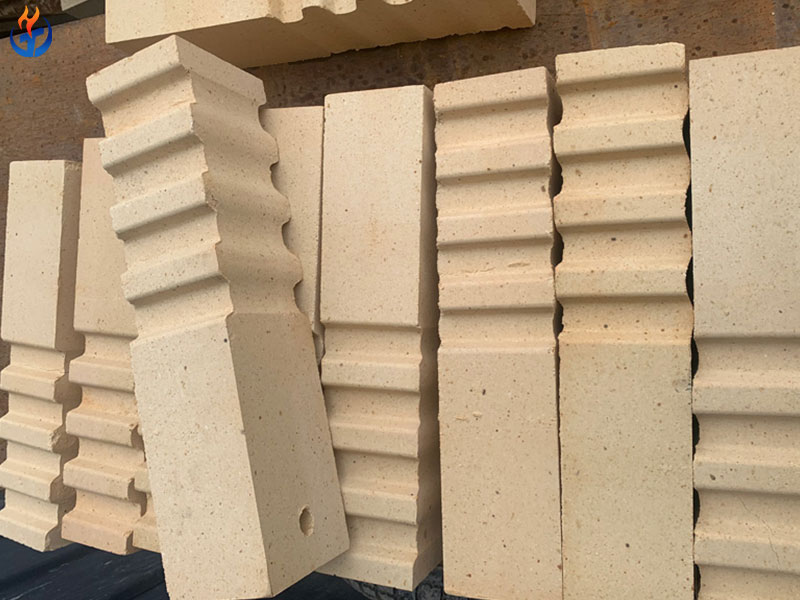
3. Silica Refractory Anchor Bricks
Silica refractory anchor bricks are refractory products in which silicon dioxide is the primary component. Silica refractories have high refractoriness and can provide good performance in certain high-temperature and acidic environments.
One important characteristic of silica-based refractory materials is their resistance to acidic conditions. This makes silica refractory anchor bricks suitable for selected applications where the kiln atmosphere and chemical environment are compatible with silica refractory materials.
Glass melting furnaces and other high-temperature equipment may use silica-based refractory components in suitable areas. However, silica materials have their own thermal expansion characteristics and application limitations, so the design must take operating temperature, heating and cooling cycles, and chemical compatibility into account.
4. Classification by Application Environment
In addition to material composition, refractory anchor bricks can also be classified according to their intended working environment. Different kiln zones may have very different thermal and mechanical requirements.
For example, refractory anchor bricks used in high-temperature areas need strong resistance to heat and thermal stress. Bricks installed in areas exposed to flowing gases may require better erosion resistance. In chemically aggressive environments, chemical corrosion resistance becomes more important.
This means that the same refractory anchor brick material may not be suitable for every position in a kiln. The temperature, atmosphere, gas velocity, mechanical load, and contact materials should all be considered during selection.
5. Refractory Anchor Bricks for Cement Kilns
Cement production equipment is one of the important application areas for refractory anchor bricks. Cement rotary kilns and related equipment operate under demanding thermal and mechanical conditions.
Refractory anchor bricks may be used in suitable sections of cement kiln systems to provide additional support for refractory linings. High alumina materials are often considered for areas requiring higher refractoriness and strength.
Preheaters, coolers, and other sections may have different operating conditions, so the refractory anchor brick specification should be selected according to the requirements of each zone.
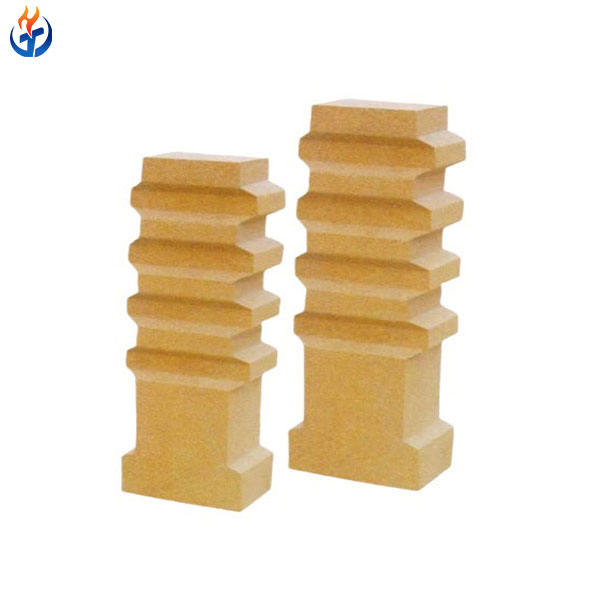
6. Refractory Anchor Bricks for Glass Furnaces
Glass melting furnaces operate at high temperatures and expose refractory materials to intense thermal loads and chemical environments. Silica-based refractory anchor bricks may be considered in suitable applications where their chemical and thermal characteristics match the furnace conditions.
The selection process should consider interaction with glass materials, furnace atmosphere, temperature, and thermal cycling. Suitable refractory anchor bricks can help maintain the stability of the surrounding refractory structure and reduce the risk of lining movement.
7. Refractory Anchor Bricks for Petrochemical and Metallurgical Equipment
Petrochemical cracking furnaces and metallurgical equipment also require refractory systems capable of operating under demanding conditions. Petrochemical furnaces may expose refractory components to high temperatures, gas flow, and chemical attack, while blast furnaces and electric furnaces can involve extreme temperatures, mechanical stresses, and aggressive process materials.
For these applications, high-performance refractory anchor bricks may be selected according to the actual operating conditions. Material composition, strength, thermal stability, and chemical resistance should be evaluated together.
8. How to Select the Correct Classification
Choosing the correct classification of refractory anchor bricks requires more than comparing material names. The first consideration should be operating temperature. The selected material must have sufficient refractoriness for the intended location.
Next, the chemical atmosphere should be evaluated. Acidic, alkaline, oxidizing, or reducing conditions can affect refractory performance differently. Mechanical load and gas erosion should also be considered.
Thermal expansion is another important factor. Refractory anchor bricks must work effectively with the surrounding refractory lining during repeated heating and cooling cycles.
Finally, dimensions, shape, installation method, and spacing should match the kiln’s structural design. Proper engineering is essential to prevent unnecessary stress concentrations and ensure stable refractory performance.
Conclusion
The classification of refractory anchor bricks is mainly associated with refractory material composition and application requirements. Clay refractory anchor bricks are generally suitable for moderate-temperature or less demanding areas, while high alumina refractory anchor bricks offer stronger high-temperature performance for demanding kiln sections. Silica refractory anchor bricks are appropriate for selected high-temperature applications where silica’s properties and chemical resistance are compatible with the working environment.
Regardless of classification, the correct refractory anchor brick should be selected according to temperature, atmosphere, mechanical load, thermal expansion, chemical exposure, and the characteristics of the surrounding refractory lining. Proper material selection and installation can improve lining stability, reduce maintenance problems, and support longer service life in high-temperature industrial equipment.