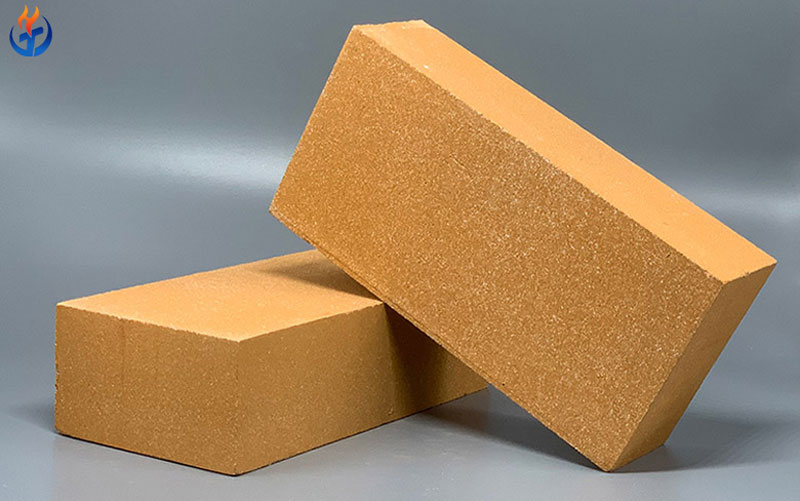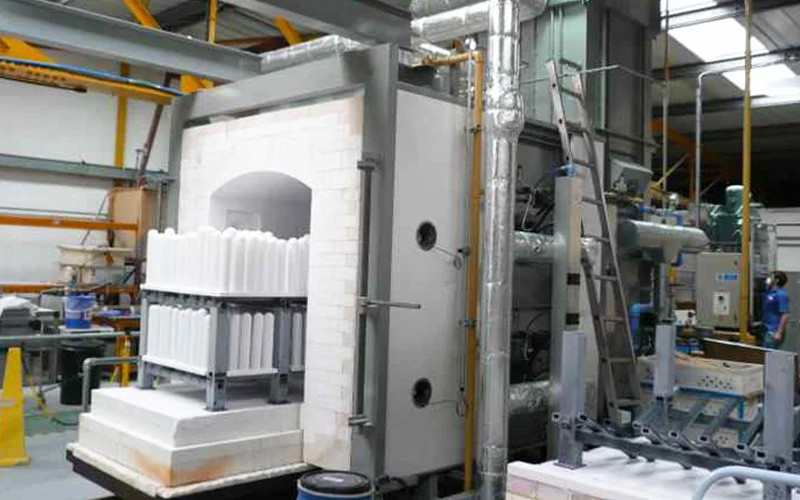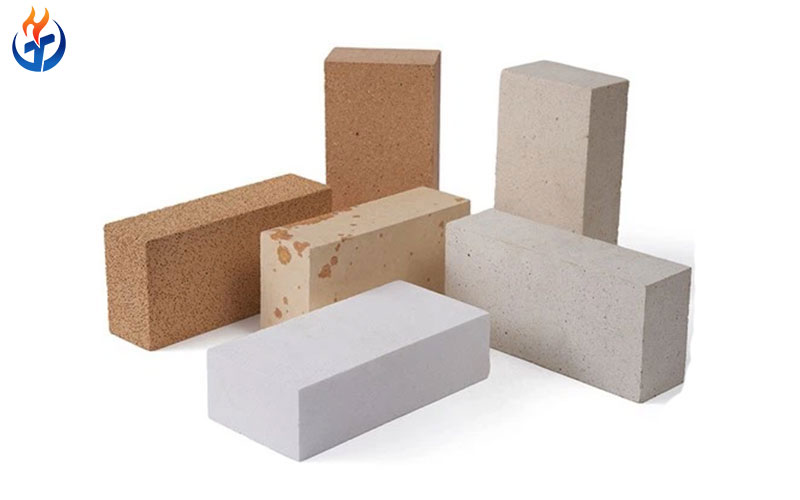
Refractory bricks are essential components in industrial kilns, furnaces, and other high-temperature processing equipment. Although standard rectangular refractory bricks are widely used, many furnace structures contain arches, corners, openings, burner areas, transition sections, and other complicated shapes that cannot be effectively constructed with standard bricks alone. This is where different shapes of refractory bricks become important.
Different refractory brick shapes are designed to perform specific structural and thermal functions. Arch bricks help form stable curved furnace roofs, wedge bricks create tight and stable joints, corner bricks protect changes in direction, and burner blocks provide reliable protection around burner openings. By selecting the appropriate brick shape for each furnace section, manufacturers can improve lining stability, reduce heat loss, minimize joint problems, and extend refractory service life.
The shape of a refractory brick is therefore not simply a matter of installation convenience. It directly affects the structural integrity, heat resistance, and operating performance of the entire refractory lining.
What Are Different Shapes of Refractory Bricks?
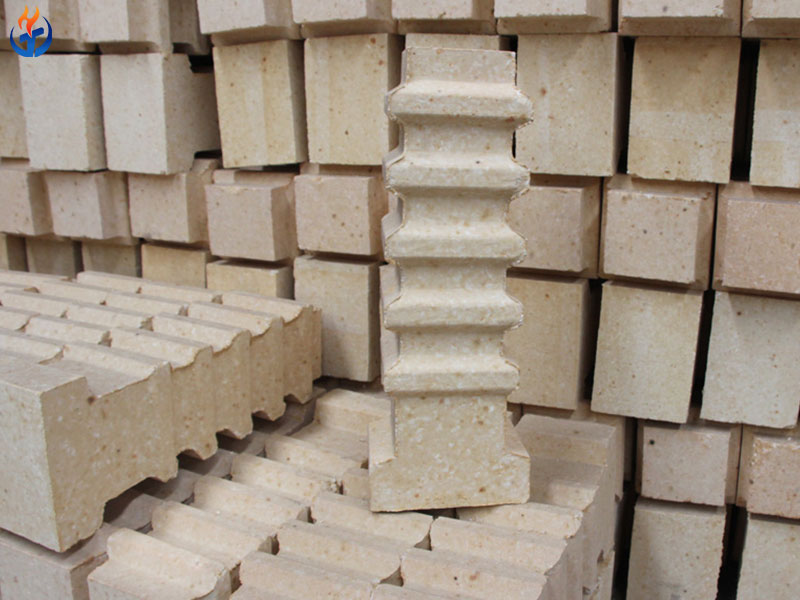
Different shapes of refractory bricks are specially designed refractory products manufactured according to the geometry and requirements of industrial furnace structures. Compared with standard straight bricks, they may have wedge-shaped, curved, angular, tapered, or other customized profiles.
These bricks can be manufactured from various refractory materials, including fire clay, high alumina, corundum, magnesia, and other specialized compositions. The material determines thermal and chemical performance, while the shape determines how effectively the brick fits into a particular furnace structure.
Common shapes include:
- Arch bricks
- Wedge bricks
- Corner bricks
- Burner blocks
- Sidewall bricks
- Transition bricks
- Special connection bricks
- Customized shaped bricks
Each type has a specific role in maintaining the performance and stability of refractory linings.
1. Arch Bricks for Stable Furnace Roofs
Arch bricks are designed with curved or wedge-shaped profiles that allow individual bricks to form a complete arch structure. They are commonly used in furnace roofs, kiln arches, and other curved sections.
The main function of arch bricks is to transfer mechanical loads through the arch structure rather than relying entirely on supporting metal components. When properly installed, the interlocking shape of the bricks creates a stable and durable structure.
Arch bricks are particularly useful because they can:
- Build strong curved furnace roofs
- Improve structural stability
- Reduce gaps between individual bricks
- Resist high-temperature deformation
- Maintain the integrity of the furnace roof
They are widely used in industrial heating furnaces, ceramic kilns, and other high-temperature equipment requiring curved refractory structures.
2. Wedge Bricks for Tight Refractory Linings
Wedge bricks are shaped with tapered sides and are commonly used where a curved or gradually changing refractory lining is required. Their special geometry allows multiple bricks to fit together with controlled joints.
The primary role of wedge bricks is to create a stable and continuous refractory structure. They can be arranged to form circular furnace walls, arches, channels, and other curved structures.
Their advantages include:
- Accurate fitting between adjacent bricks
- Reduced open joints
- Improved structural stability
- Better resistance to brick displacement
- Adaptability to curved furnace sections
Wedge bricks are particularly valuable in furnaces and kilns with circular or curved internal linings.
3. Corner Bricks for Protecting Furnace Corners
Corners are vulnerable areas in refractory linings because the direction of the wall changes abruptly. Standard bricks may create excessive joints or weak points at these locations. Corner bricks are specially shaped to provide better protection and continuity.
They help connect two intersecting refractory surfaces while reducing unnecessary joints. This improves the mechanical integrity of the lining and helps prevent cracking, chipping, and local refractory failure.
Corner bricks are commonly used in:
- Furnace wall corners
- Kiln transitions
- Door openings
- Structural intersections
- Heat treatment equipment
Their role becomes especially important in areas exposed to thermal expansion and mechanical stress.
4. Burner Blocks for Burner Openings
Burner areas are among the most demanding sections of industrial furnaces. They are exposed to high temperatures, flame impact, rapid temperature changes, and sometimes corrosive gases. Burner blocks are specially shaped refractory components designed to surround and protect burner openings.
Their functions include:
- Protecting the furnace wall around the burner
- Maintaining the correct burner opening geometry
- Resisting flame and heat erosion
- Improving burner installation stability
- Reducing local refractory damage
High alumina and other high-performance refractory materials are often selected for burner blocks when operating temperatures and corrosion conditions are severe.
5. Sidewall Bricks for Furnace Wall Protection
Sidewall bricks are designed for installation along furnace walls and vertical lining sections. Although some sidewall bricks may resemble standard bricks, their dimensions and profiles can be customized to match specific furnace designs.
They provide continuous protection between the furnace shell and the high-temperature working environment. Properly shaped sidewall bricks can improve lining alignment and reduce gaps at structural connections.
They are commonly used in industrial furnaces, kilns, heat treatment equipment, and metallurgical facilities.
6. Transition Bricks for Connecting Different Sections
Transition areas connect furnace sections with different shapes, dimensions, or operating conditions. These areas can be difficult to construct using standard refractory bricks.
Transition bricks are designed to provide a gradual and stable connection between different refractory structures. They can help:
- Connect different lining geometries
- Reduce irregular joints
- Maintain thermal insulation continuity
- Improve mechanical stability
- Reduce stress concentration
Customized transition bricks are particularly useful for complex industrial kiln designs.
7. Special Connection Bricks for Structural Stability
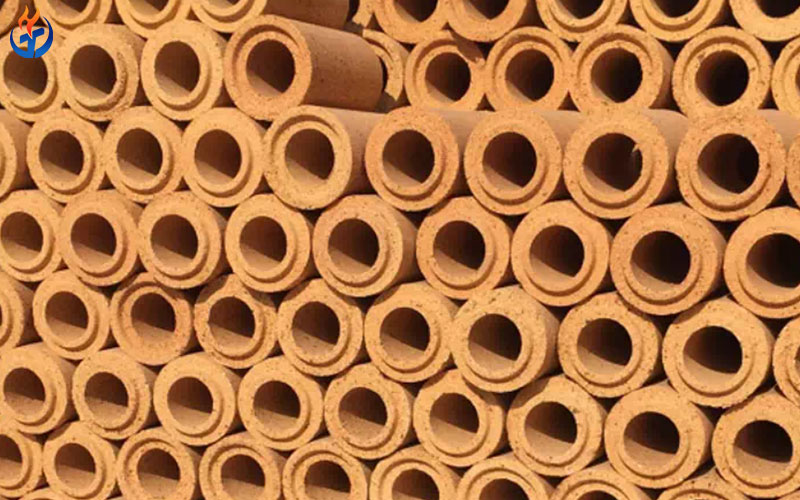
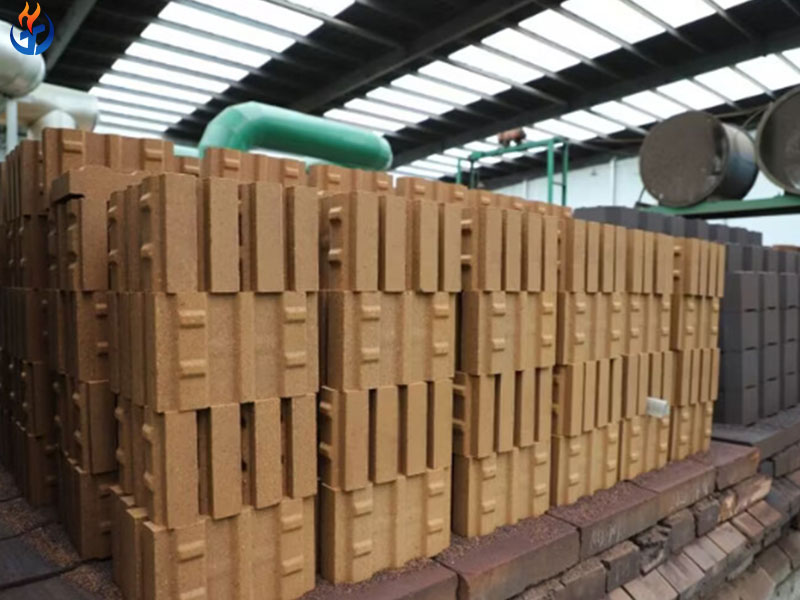
Special connection bricks are designed according to particular furnace structures and installation requirements. Their shapes may include holes, grooves, projections, slots, or other features that allow them to connect with surrounding refractory components.
These bricks can improve the stability of refractory linings by creating stronger mechanical connections between different sections. They are often used in areas where ordinary bricks cannot provide sufficient structural support.
8. Customized Shaped Bricks for Specific Applications
Not every furnace can be constructed efficiently with standardized refractory brick shapes. Customized shaped bricks can be manufactured according to engineering drawings, furnace dimensions, installation methods, and operating conditions.
Manufacturers can customize:
- Brick length and width
- Thickness
- Angles
- Curved surfaces
- Holes and grooves
- Special connection structures
Customized refractory bricks help reduce installation difficulties and ensure that the refractory lining closely matches the furnace design.
How to Choose the Right Brick Shape?
The correct refractory brick shape should be selected according to the furnace structure, installation position, operating temperature, mechanical stress, and chemical environment.
For curved roofs, arch and wedge bricks are generally appropriate. For corners, specially designed corner bricks can provide better structural continuity. Burner areas require burner blocks with suitable thermal and erosion resistance. Complex transitions may require customized transition bricks.
The refractory material is equally important. High alumina bricks are suitable for many high-temperature applications, while other specialized materials may be selected when exceptional corrosion resistance, thermal shock resistance, or mechanical performance is required.
Conclusion
Different shapes of refractory bricks play different roles in industrial kilns and furnaces. Arch bricks support curved roofs, wedge bricks create stable curved linings, corner bricks protect structural intersections, burner blocks protect burner openings, and transition and customized bricks solve complex installation requirements.
Choosing the right brick shape can improve refractory lining stability, reduce heat loss and maintenance requirements, and extend furnace operating life. For complex industrial furnace projects, working with an experienced refractory manufacturer can help ensure that both the material composition and brick geometry are properly matched to the actual operating conditions.