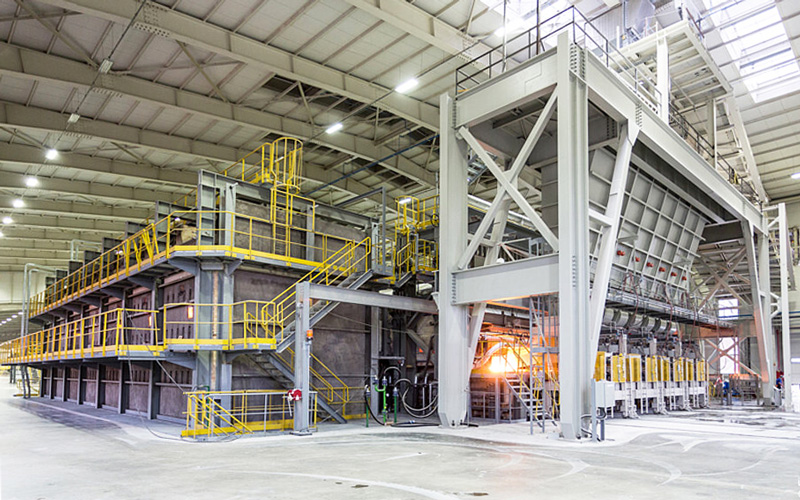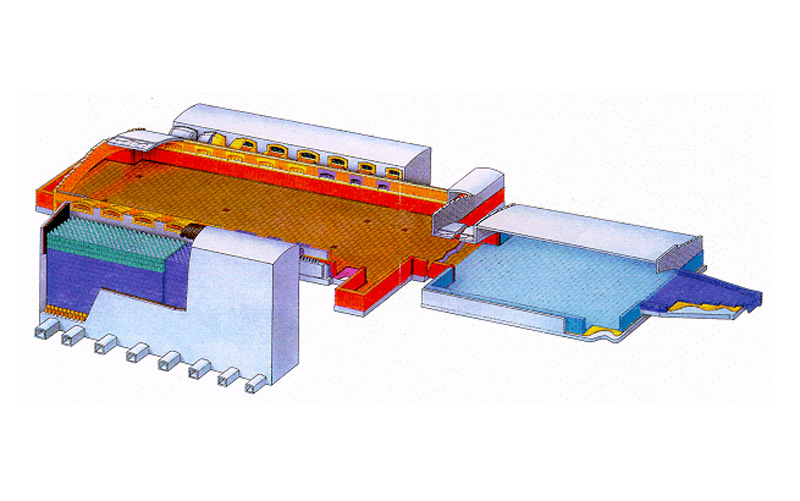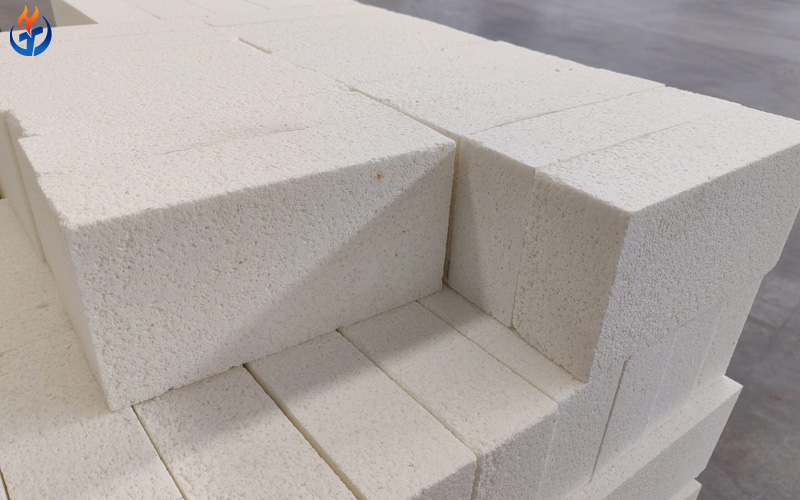
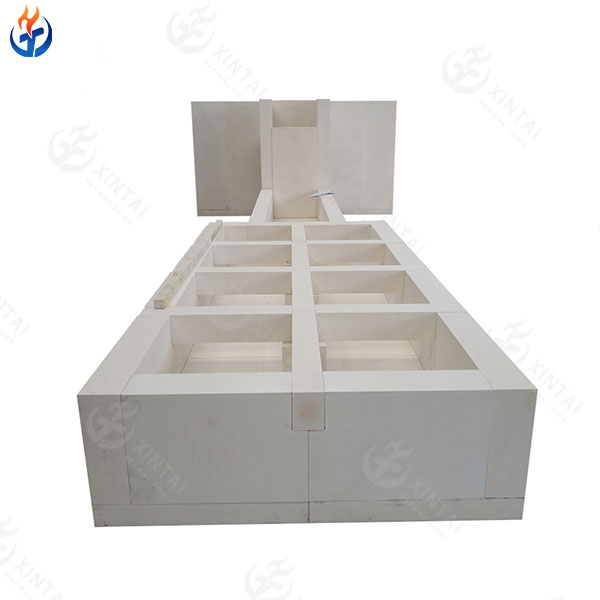
In the glass manufacturing industry, refractory materials play a critical role in determining furnace efficiency, glass quality, operating safety, and overall campaign life. Among various refractory solutions used in glass melting furnaces, Fused Cast AZS Brick for Glass Furnaces is widely recognized as one of the most reliable choices for high-temperature and highly corrosive environments.
Glass furnaces operate under extremely demanding conditions. Molten glass temperatures can exceed 1500°C, while continuous contact with aggressive glass melts can gradually attack refractory materials. If the selected refractory brick does not match the furnace operating environment, problems such as excessive corrosion, glass defects, premature maintenance, and unexpected furnace shutdowns may occur.
Choosing the right Fused Cast AZS Brick for Glass Furnaces requires more than simply selecting the highest-grade material. Different furnace zones have different requirements for corrosion resistance, thermal stability, and service life. AZS33, AZS36, and AZS41 fused cast bricks each have their own advantages and are designed for specific applications.
This guide explains how to select the most suitable fused cast AZS brick for glass furnaces by analyzing composition, performance characteristics, application areas, and practical selection strategies.
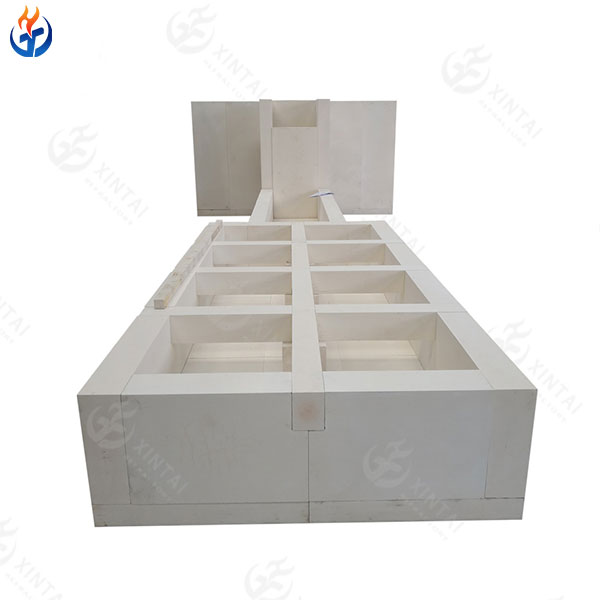
What Is Fused Cast AZS Brick for Glass Furnaces?
Fused Cast AZS brick is a premium refractory material specially developed for glass melting furnace applications. Unlike traditional sintered refractories, fused cast AZS bricks are produced through an electric fusion casting process.
The main chemical components include:
- Alumina (Al₂O₃)
- Zirconia (ZrO₂)
- Silica (SiO₂)
During manufacturing, high-purity raw materials are melted at temperatures above 1900°C. The molten material is then poured into molds and slowly cooled under controlled conditions. This special production method creates a dense microstructure containing zirconia crystals embedded in a glassy phase.
The unique structure provides several advantages:
- Extremely low open porosity
- Excellent resistance to molten glass corrosion
- High resistance to glass penetration
- Superior chemical stability
- Long service life under high temperatures
Because of these characteristics, Fused Cast AZS Brick for Glass Furnaces is commonly installed in critical furnace areas, including:
- Glass melting tank sidewalls
- Tank bottoms
- Throat blocks
- Doghouse areas
- Forehearths
- Feeder channels
- Furnace transition zones
The performance of fused cast AZS bricks is mainly determined by zirconia content, microstructure quality, and manufacturing control.
Why Choose Fused Cast AZS Brick for Glass Furnaces?
Glass melting furnaces create one of the most aggressive operating environments in industrial production. Refractory materials must withstand:
- High-temperature molten glass
- Chemical corrosion from alkali oxides
- Continuous glass flow erosion
- Thermal cycling
- Long operating campaigns
Compared with many conventional refractory materials, fused cast AZS bricks offer outstanding durability.
Excellent Corrosion Resistance
Molten glass contains components such as sodium oxide, potassium oxide, and other alkaline substances that can react with refractory materials. These reactions gradually dissolve the refractory surface and shorten furnace life.
The high zirconia content in fused cast AZS bricks significantly reduces corrosion because zirconia has excellent chemical stability against glass melts.
Higher ZrO₂ content generally provides:
- Lower corrosion rate
- Reduced glass penetration
- Improved resistance to chemical attack
This makes AZS bricks particularly suitable for areas where direct contact with molten glass occurs.
Low Glass Penetration
One of the biggest advantages of fused cast AZS bricks is their dense structure.
The low porosity prevents molten glass from penetrating deeply into the brick body. This helps maintain:
- Structural integrity
- Mechanical strength
- Stable furnace operation
Reduced glass penetration also minimizes the risk of refractory particles entering the glass product, which is especially important for high-quality flat glass, display glass, and optical glass production.
Excellent High-Temperature Stability
Fused cast AZS bricks maintain their performance under continuous high-temperature operation.
They provide:
- High refractoriness
- Low deformation under load
- Good volume stability
- Long-term structural reliability
For glass furnaces operating continuously for several years, thermal stability is one of the most important factors influencing refractory selection.
Understanding AZS33, AZS36, and AZS41 Grades
The main difference between fused cast AZS grades is zirconia content. Higher zirconia content generally improves corrosion resistance but also increases manufacturing complexity and material cost.
AZS33 Fused Cast Brick
AZS33 contains approximately 33% zirconia.
Characteristics:
- Good corrosion resistance
- Reliable thermal stability
- Cost-effective performance
- Suitable for less aggressive furnace areas
Typical Applications:
- Upper furnace walls
- Areas with limited molten glass contact
- Low corrosion zones
AZS33 is often selected when excellent performance is required but maximum corrosion resistance is unnecessary.
Using AZS33 in suitable areas can help optimize refractory costs without sacrificing furnace reliability.
AZS36 Fused Cast Brick
AZS36 contains approximately 36% zirconia.
It provides a balance between performance and cost.
Characteristics:
- Better corrosion resistance than AZS33
- Strong resistance to glass penetration
- Good thermal shock performance
- Suitable for medium-severity applications
Typical Applications:
- Tank sidewalls
- Forehearth areas
- Glass contact zones with moderate corrosion
For many standard glass melting furnaces, AZS36 is one of the most widely used grades because it offers excellent overall value.
AZS41 Fused Cast Brick
AZS41 contains approximately 41% zirconia and represents a higher-performance AZS grade.
Characteristics:
- Maximum corrosion resistance
- Superior resistance to molten glass attack
- Excellent durability in aggressive environments
- Longer service life in critical zones
Typical Applications:
- Tank bottoms
- Throat blocks
- High glass-flow areas
- Areas requiring maximum furnace campaign life
AZS41 is commonly used in locations where refractory failure would result in significant production losses.
How to Select the Right Fused Cast AZS Brick for Glass Furnaces
Selecting the correct AZS brick requires analyzing actual furnace operating conditions rather than choosing materials based only on price.
Consider Furnace Zone Conditions
Different furnace areas experience different corrosion levels.
High Corrosion Areas
Examples:
- Tank bottoms
- Throat areas
- High-speed glass flow zones
Recommended:
Fused Cast AZS41 Brick
These areas require maximum corrosion resistance because they are exposed to continuous chemical attack.
Medium Corrosion Areas
Examples:
- Sidewalls
- Forehearths
- Transition zones
Recommended:
Fused Cast AZS36 Brick
AZS36 provides a practical balance between service life and investment cost.
Lower Corrosion Areas
Examples:
- Upper walls
- Areas with limited glass contact
Recommended:
Fused Cast AZS33 Brick
It provides sufficient protection while reducing unnecessary material expenses.
The Influence of Glass Composition on AZS Brick Selection
The type of glass being produced directly affects refractory requirements.
Different glass compositions create different corrosion conditions.
For example:
- Soda-lime glass may create moderate chemical attack
- Borosilicate glass requires stronger corrosion resistance
- Special optical and display glass may demand premium refractory performance
When selecting Fused Cast AZS Brick for Glass Furnaces, manufacturers should consider:
- Alkali content in glass
- Melting temperature
- Glass flow speed
- Furnace operating period
- Required glass quality level
A refractory solution suitable for one glass type may not perform equally well in another application.
Service Life and Total Cost Considerations
Many furnace operators focus only on the initial purchase price of refractory bricks. However, the total operating cost is usually more important.
A lower-cost brick may result in:
- Faster corrosion
- More frequent repairs
- Reduced furnace campaign life
- Increased production interruptions
A higher-grade fused cast AZS brick may require greater initial investment but provide:
- Longer service life
- Lower maintenance frequency
- Better glass quality protection
- Reduced downtime risks
For critical furnace zones, selecting the appropriate AZS grade can significantly improve the overall economic efficiency of the furnace.
Conclusion
Selecting the right Fused Cast AZS Brick for Glass Furnaces from Xintai is a key decision that directly affects furnace reliability, glass quality, and production efficiency.
AZS33, AZS36, and AZS41 each provide unique advantages:
- AZS33: Suitable for lower corrosion areas with cost-effective performance
- AZS36: Ideal for general glass contact zones requiring balanced performance
- AZS41: Designed for the most aggressive furnace environments requiring maximum durability
By evaluating furnace conditions, glass composition, operating temperature, and service life requirements, glass manufacturers can develop an optimized refractory lining system.
A properly selected Fused Cast AZS Brick for Glass Furnaces provides excellent corrosion resistance, stable high-temperature performance, and long-term operational reliability, making it one of the most important refractory solutions for modern glass production.