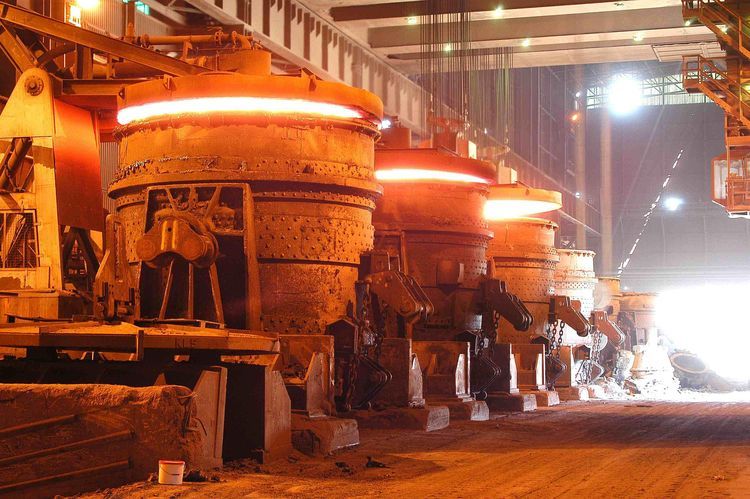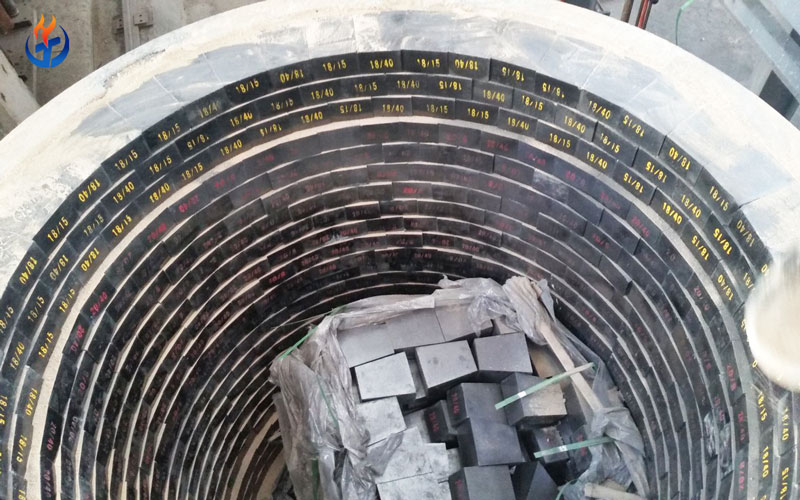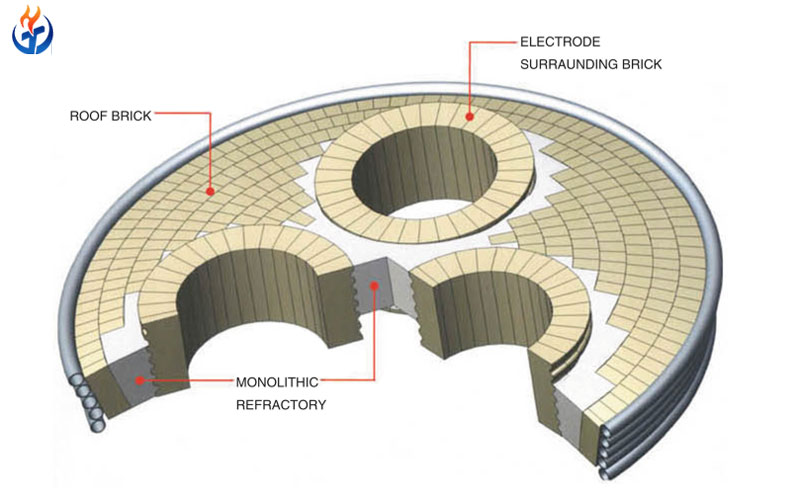
Induction furnaces are widely used in modern metal processing industries for melting iron, steel, copper, aluminum, zinc, and other alloys. Compared with traditional fuel-fired furnaces, induction furnaces provide advantages such as high energy efficiency, cleaner operation, precise temperature control, and reduced environmental impact. However, the performance and service life of an induction furnace largely depend on the quality of its lining system.
The furnace lining directly contacts molten metal, slag, and high-temperature environments. Therefore, selecting suitable induction furnace refractory materials is a critical step for ensuring safe operation, reducing maintenance costs, and improving production efficiency.
Different induction furnaces have different working conditions. Factors such as melting materials, operating temperature, slag composition, furnace design, and production frequency all influence the choice of refractory materials. This article will explain how to select the right induction furnace refractory materials and what key factors should be considered during the selection process.
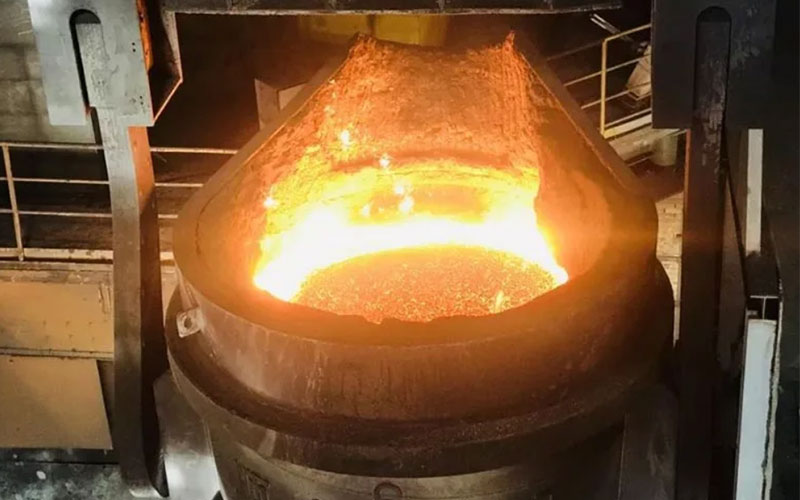
Understanding the Role of Induction Furnace Refractory Materials
The main function of refractory materials in an induction furnace is to protect the furnace structure from extreme operating conditions. During metal melting, the lining must withstand continuous exposure to:
- High temperatures
- Thermal cycling
- Molten metal erosion
- Chemical slag corrosion
- Mechanical impact
High-quality induction furnace refractory materials provide a protective barrier between the molten metal and furnace coil, preventing damage to the equipment and extending furnace service life.
A suitable refractory lining can also improve thermal efficiency by reducing heat loss and maintaining stable melting conditions.
Factors to Consider When Choosing Induction Furnace Refractory Materials
Selecting the correct refractory material requires a comprehensive understanding of furnace operating conditions. The following factors are especially important.
1. Identify the Type of Metal Being Melted
The first consideration when selecting induction furnace refractory materials is the type of metal or alloy being melted.
Different metals have different chemical characteristics, which can affect refractory performance.
Steel Melting
Steel melting usually requires refractory materials with excellent corrosion resistance and high temperature stability. High alumina refractory materials and magnesia-based refractories are commonly used because they can withstand steel temperatures and slag attack.
Cast Iron Melting
Cast iron melting is often performed in acidic environments. Silica refractory materials are widely used because they provide good resistance to acidic slag and offer reliable performance.
Non-Ferrous Metal Melting
For copper, aluminum, zinc, and other non-ferrous metals, refractory materials need to have good chemical stability and resistance to metal penetration.
The correct selection should match the chemical properties of the molten metal.
2. Consider Furnace Lining Type
Induction furnaces can generally be divided into core-type and coreless-type furnaces. Coreless induction furnaces are more common in foundries and steel production.
According to lining chemistry, induction furnaces can use:
- Acidic linings
- Neutral linings
- Basic linings
Acidic Lining Materials
Acidic refractory materials, mainly silica-based materials, are suitable for acidic slag conditions.
Advantages include:
- Good thermal stability
- High temperature performance
- Suitable for cast iron production
However, acidic materials have limited resistance to alkaline slag.
Neutral Lining Materials
Neutral refractory materials, such as high alumina materials, are widely used because they can work with various metals and slags.
Benefits include:
- Good chemical resistance
- Strong thermal shock resistance
- Wide application range
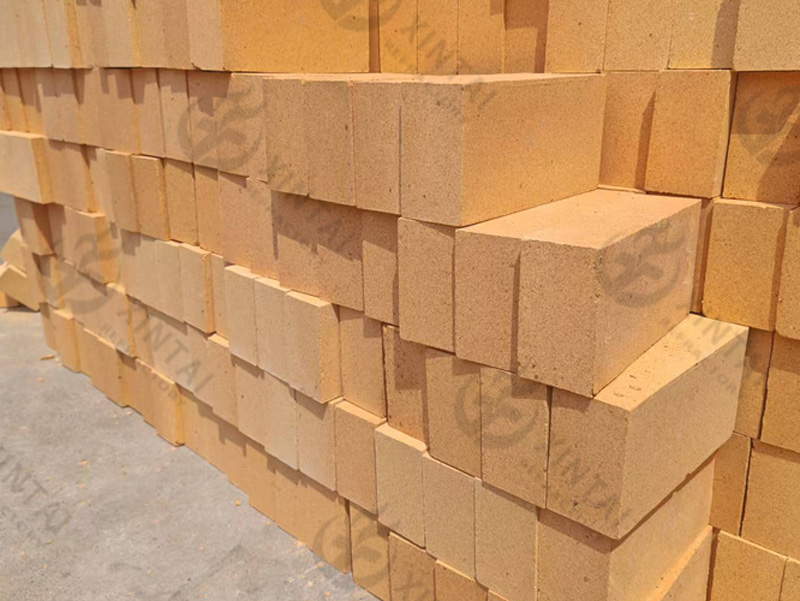
High alumina refractory bricks, castables, and ramming materials are common choices for neutral furnace linings.
Basic Lining Materials
Basic refractory materials, such as magnesia refractories, are suitable for alkaline slag environments.
They provide:
- Excellent resistance to basic corrosion
- High refractoriness
- Good performance in steel melting applications
3. Evaluate Temperature Resistance
The melting temperature of different metals varies significantly. Therefore, the selected induction furnace refractory materials must have sufficient refractoriness.
For example:
- Steel melting requires materials that can withstand temperatures above 1500°C.
- Cast iron melting requires stable performance under high-temperature conditions.
- Non-ferrous metal melting requires resistance to thermal stress and chemical attack.
Refractory materials with higher alumina content generally provide better high-temperature performance.
Choosing a material with insufficient temperature resistance may lead to:
- Softening
- Cracking
- Structural failure
- Shorter lining life
4. Analyze Slag Chemical Properties
Slag composition is one of the most important factors affecting refractory service life.
Chemical reactions between slag and refractory lining can cause erosion and reduce furnace performance.
When selecting induction furnace refractory materials, consider:
Acidic Slag
Silica-based refractory materials are suitable because they can resist acidic environments.
Basic Slag
Magnesia-based materials are preferred because they provide excellent resistance to alkaline corrosion.
Mixed Slag Conditions
Neutral refractory materials, especially high alumina products, are often selected because they offer balanced chemical stability.
Proper matching between slag chemistry and refractory composition can significantly improve lining durability.
5. Check Thermal Shock Resistance
Induction furnaces frequently experience rapid temperature changes during:
- Furnace startup
- Charging
- Melting
- Tapping
- Cooling periods
Repeated thermal expansion and contraction can create cracks in refractory linings.
Therefore, good induction furnace refractory materials should have excellent thermal shock resistance.
Materials containing silicon carbide or optimized refractory structures can improve resistance to thermal stress.
Poor thermal shock resistance may result in:
- Lining cracks
- Material spalling
- Metal penetration
- Unexpected furnace shutdowns
6. Consider Mechanical Strength and Wear Resistance
During operation, the furnace lining is exposed to mechanical forces from:
- Metal charging
- Molten metal movement
- Furnace vibration
- Cleaning operations
Refractory materials with high mechanical strength can resist abrasion and physical damage.
High alumina refractory materials and alumina silicon carbide materials are commonly selected for applications requiring strong wear resistance.
Professional Guidance for Refractory Selection
Choosing the correct induction furnace refractory materials can be complicated because many factors affect performance. A professional refractory supplier can provide recommendations based on:
- Furnace capacity
- Melting materials
- Working temperature
- Slag characteristics
- Operating frequency
- Expected service life
Customized refractory solutions can help users achieve better furnace performance and reduce operational risks.
Conclusion
Choosing the right induction furnace refractory materials is essential for improving furnace efficiency, ensuring safe operation, and extending lining service life. The selection process should consider the type of metal being melted, furnace lining type, temperature requirements, slag composition, thermal shock resistance, and mechanical strength.
High alumina refractory materials, magnesia refractories, silica refractories, alumina silicon carbide materials, and refractory castables all have their own advantages for different applications.
By selecting suitable refractory materials based on actual operating conditions, industries can achieve more stable melting performance, lower maintenance costs, and longer furnace operating cycles. A reliable refractory solution is the foundation for efficient and safe induction furnace operations.