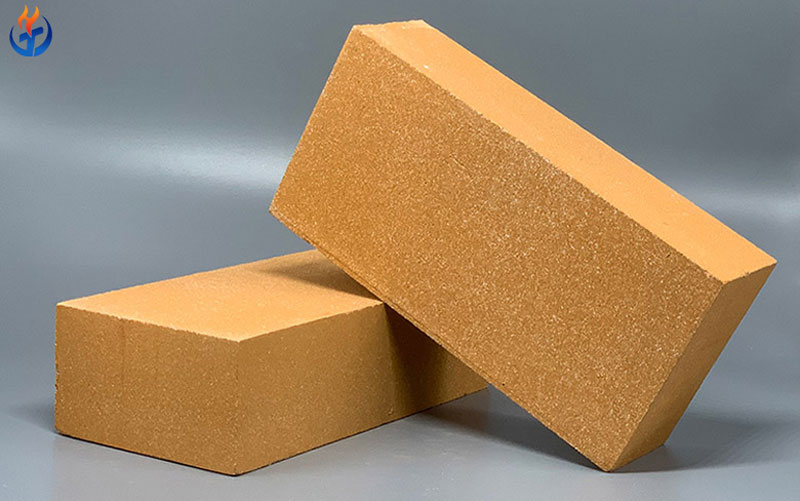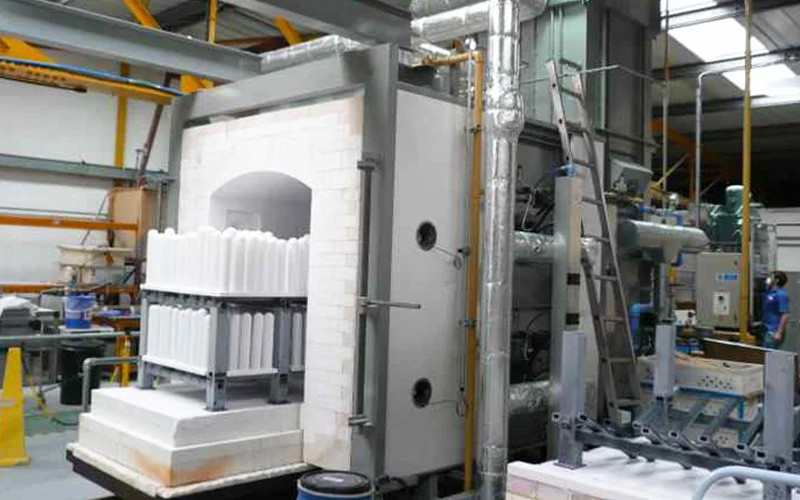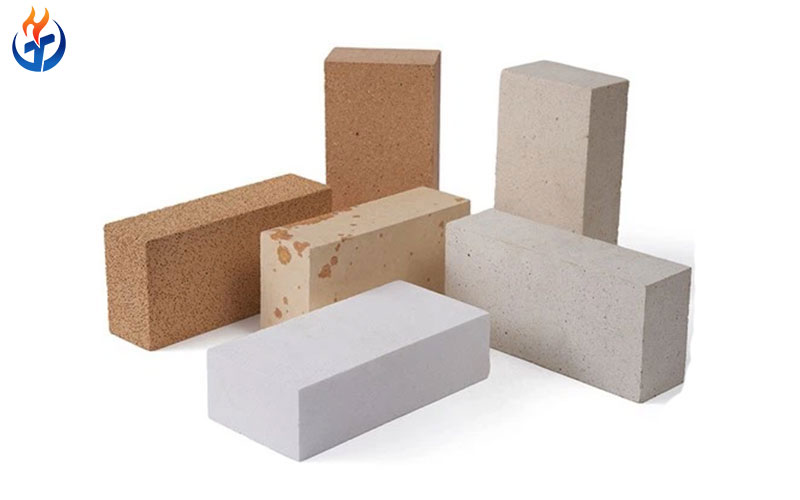
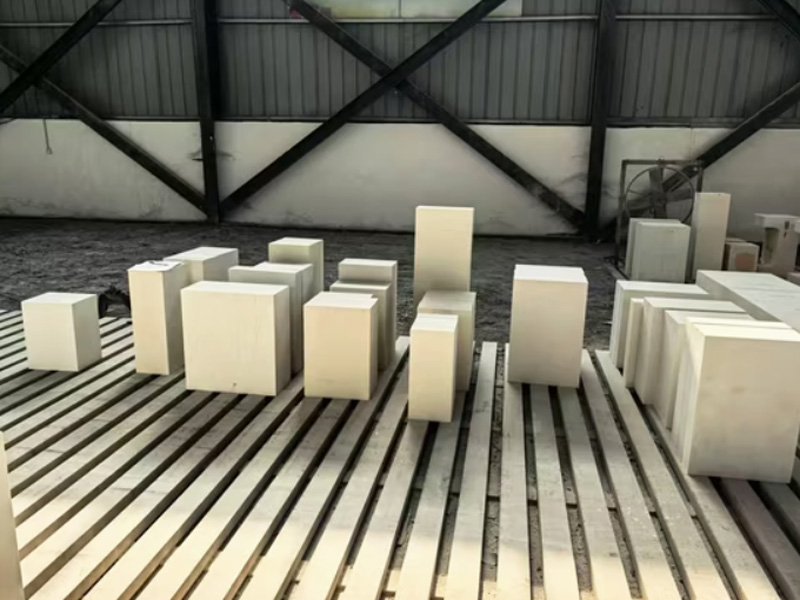
Fused zirconia corundum bricks, also known as AZS bricks, are among the most important refractory materials used in modern glass melting furnaces. They are manufactured by melting high-purity alumina powder, zircon sand, and zirconia-containing materials in an electric arc furnace, followed by casting and controlled cooling to form a dense fused structure.
Due to their excellent resistance to molten glass corrosion, low glass contamination, high temperature stability, and good structural strength, fused zirconia corundum bricks have become the preferred refractory materials for critical areas of glass furnaces, including melting tanks, sidewalls, bottoms, superstructures, forehearths, and other high-temperature zones.
In the AZS series, the main types include AZS33, AZS36, and AZS41 fused zirconia corundum bricks. These different grades are mainly distinguished by their zirconia content, microstructure, glass phase content, corrosion resistance, and application areas.
Although AZS33, AZS36, and AZS41 bricks belong to the same product category, their performance differences make them suitable for different working conditions. Choosing the correct type of fused zirconia corundum brick is essential for extending furnace service life and maintaining glass quality.
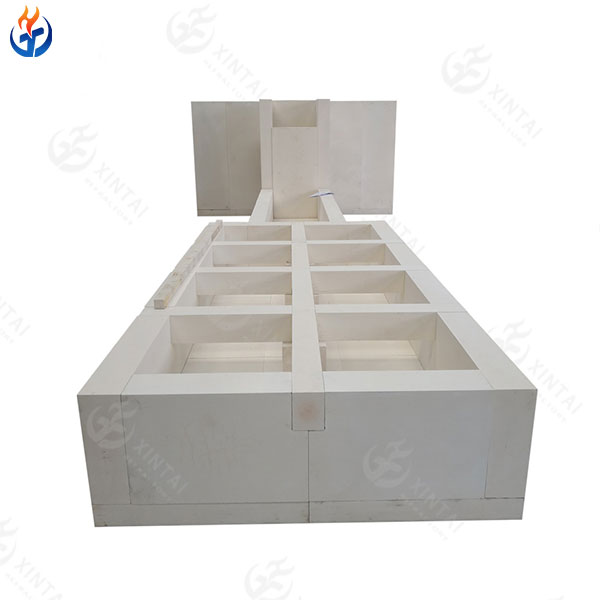
What Does AZS Mean in Fused Zirconia Corundum Bricks?
Before understanding the differences between different AZS grades, it is necessary to understand the meaning of the AZS designation.
The abbreviation AZS represents:
- A – Alumina (Al₂O₃)
- Z – Zirconia (ZrO₂)
- S – Silica (SiO₂)
The AZS brick system is mainly composed of alumina, zirconia, and silica. During the electric melting process, these components form a dense eutectic structure consisting of zirconia crystals, corundum crystals, and glass phases.
The zirconia content plays an important role in determining the corrosion resistance of AZS bricks. Generally speaking, a higher zirconia content results in:
- Better resistance to molten glass erosion
- Lower glass phase content
- Higher corrosion resistance
- Reduced risk of defects caused by refractory particles entering the glass
Therefore, AZS41 has better corrosion resistance than AZS36, while AZS36 performs better than AZS33 in highly aggressive areas.
However, higher zirconia content also increases production difficulty and cost, meaning that the highest grade is not always the most economical choice. The selection should depend on the specific furnace location and operating conditions.
AZS33 Fused Zirconia Corundum Bricks
Features of AZS33 Bricks
AZS33 fused zirconia corundum bricks are the most widely used products in the AZS series. They contain approximately 33% zirconia and feature a dense microstructure that provides excellent resistance against molten glass corrosion.
The unique crystalline structure of AZS33 bricks effectively reduces penetration of glass liquid into the refractory material. Compared with many traditional refractory products, AZS33 bricks generate fewer defects such as stones and bubbles in glass products.
The main characteristics of AZS33 bricks include:
- Good corrosion resistance against molten glass
- Dense structure and low porosity
- Excellent thermal stability
- Low glass contamination
- Balanced performance and cost-effectiveness
Because of their reliable performance and economical advantages, AZS33 bricks are considered the standard choice for many glass furnace applications.
Applications of AZS33 Fused Zirconia Corundum Bricks
AZS33 bricks are widely used in general working areas of glass melting furnaces, including:
1. Melting Tank Sidewalls
The sidewalls of glass melting tanks are continuously exposed to high-temperature molten glass. AZS33 bricks provide sufficient corrosion resistance while maintaining long service life.
2. Furnace Bottom
The furnace bottom is another important area where refractory materials must withstand thermal stress and chemical attack. AZS33 bricks are commonly used for bottom paving applications.
3. Upper Structure
The upper structure of glass furnaces requires refractories with good resistance to alkali vapor and temperature fluctuations. AZS33 bricks can meet these requirements effectively.
4. Forehearth and Feeding Channels
AZS33 bricks are also suitable for forehearth areas where glass flow needs to remain stable and contamination must be minimized.
Overall, AZS33 is the most versatile AZS grade and is suitable for a wide range of glass furnace applications.
AZS36 Fused Zirconia Corundum Bricks
Features of AZS36 Bricks
AZS36 fused zirconia corundum bricks contain a higher zirconia content than AZS33 bricks. Due to the increased amount of zirconia crystals and reduced glass phase content, AZS36 provides improved resistance against molten glass erosion.
Compared with AZS33, AZS36 has a more optimized crystalline structure. The zirconia crystals form a stronger network inside the brick, which improves the stability of the refractory structure when exposed to aggressive glass melts.
The major advantages of AZS36 bricks include:
- Higher zirconia crystal content
- Better resistance to molten glass corrosion
- Lower possibility of glass contamination
- Improved performance in high-temperature areas
- Longer service life under severe working conditions
AZS36 provides a balance between high performance and reasonable cost, making it a popular choice for demanding glass furnace sections.
Applications of AZS36 Fused Zirconia Corundum Bricks
AZS36 bricks are generally selected for areas where AZS33 cannot provide sufficient corrosion resistance.
Typical applications include:
1. Hot Spots of Glass Melting Furnaces
The hot spot area experiences extremely high temperatures and intense glass convection. AZS36 bricks can withstand stronger thermal and chemical attacks.
2. Critical Tank Sidewalls
In areas where molten glass flow speed is high, the erosion rate increases significantly. AZS36 provides enhanced protection and extends furnace operating life.
3. High-Temperature Glass Contact Areas
For glass types with higher melting temperatures or stronger chemical activity, AZS36 offers better reliability compared with standard AZS33 bricks.
AZS36 is commonly used in modern high-performance glass furnaces where both durability and glass quality are important.
AZS41 Fused Zirconia Corundum Bricks
Features of AZS41 Bricks
AZS41 fused zirconia corundum bricks represent the highest performance grade among commonly used AZS products. They contain the highest zirconia content and have the strongest resistance against molten glass corrosion.
In addition to alumina-silica eutectic crystals, AZS41 bricks contain a large amount of evenly distributed zirconia crystals. This special microstructure provides outstanding chemical stability and extremely low glass phase exudation.
The main advantages of AZS41 bricks include:
- Highest corrosion resistance among AZS series products
- Excellent resistance to molten glass penetration
- Very low glass contamination
- High glass phase exudation temperature
- Superior performance in extreme operating conditions
Because of these advantages, AZS41 bricks are generally used in the most critical sections of glass melting furnaces.
Applications of AZS41 Fused Zirconia Corundum Bricks
AZS41 bricks are mainly used in areas where furnace conditions are extremely demanding.
Common applications include:
1. Hot Spot Sidewalls
The hot spot is one of the most aggressive areas in a glass furnace. Continuous high temperature and strong glass circulation require the highest-grade refractory materials.
2. Charging Port Corners
The charging area experiences severe thermal shock and mechanical impact. AZS41 provides excellent durability.
3. Bubbling Areas
In glass furnaces using bottom bubbling technology, the refractory must resist strong erosion caused by gas movement and glass circulation.
4. Throat and Channel Areas
These areas require excellent corrosion resistance because molten glass flows continuously through narrow passages.
5. All-Electric Melting Furnaces
Electric melting furnaces often operate under highly aggressive conditions, making AZS41 an ideal choice.
AZS41 is usually selected when furnace lifespan, glass purity, and operational stability are the top priorities.
Comparison Between AZS33, AZS36, and AZS41 Bricks
| Type | Zirconia Content | Corrosion Resistance | Main Advantages | Typical Applications |
|---|---|---|---|---|
| AZS33 | Around 33% | Good | Balanced performance and cost | General furnace areas, sidewalls, bottoms, upper structures |
| AZS36 | Around 36% | Higher | Better erosion resistance and lower contamination | Hot spots, high-temperature zones, critical sidewalls |
| AZS41 | Around 41% | Excellent | Maximum corrosion resistance and lowest contamination | Furnace hot spots, bubbling areas, charging corners |
From AZS33 to AZS41, zirconia content increases, glass phase decreases, and corrosion resistance improves. However, higher-grade AZS bricks also require more advanced manufacturing technology and have higher costs.
Therefore, the selection of AZS bricks should consider:
Furnace design
Glass type
Operating temperature
Glass flow speed
Expected service life
Production requirements
How to Choose the Right Fused Zirconia Corundum Brick?
Choosing the correct AZS brick grade is critical for improving furnace efficiency and reducing maintenance costs.
For Standard Glass Production
AZS33 bricks are usually sufficient for many conventional glass furnaces. They provide reliable performance while maintaining good economic efficiency.
For High-Temperature or High-Corrosion Conditions
AZS36 is recommended for areas exposed to stronger molten glass erosion or higher operating temperatures.
For Maximum Service Life Requirements
AZS41 should be selected for the most critical furnace sections where refractory failure could significantly affect production efficiency and glass quality.
A properly designed refractory structure often combines different AZS grades according to different furnace zones. This approach can optimize performance while controlling investment costs.
Conclusion
Fused zirconia corundum bricks are essential refractory materials for modern glass melting furnaces. Among the AZS series, AZS33, AZS36, and AZS41 represent different performance levels designed for different working conditions.
AZS33 offers excellent overall performance and is the most widely used type. AZS36 provides improved corrosion resistance for higher-temperature and more aggressive areas. AZS41 delivers the highest protection and is designed for the most critical furnace zones requiring maximum durability and minimum glass contamination.
Understanding the differences between these AZS grades helps glass manufacturers select suitable refractory solutions, improve furnace operation stability, extend furnace service life, and maintain high-quality glass production.
For glass furnace applications requiring reliable performance, choosing the correct type of fused zirconia corundum brick is one of the most important factors affecting long-term furnace efficiency. For more about these refractory bricks, welcome to contact Xintai Refractory!