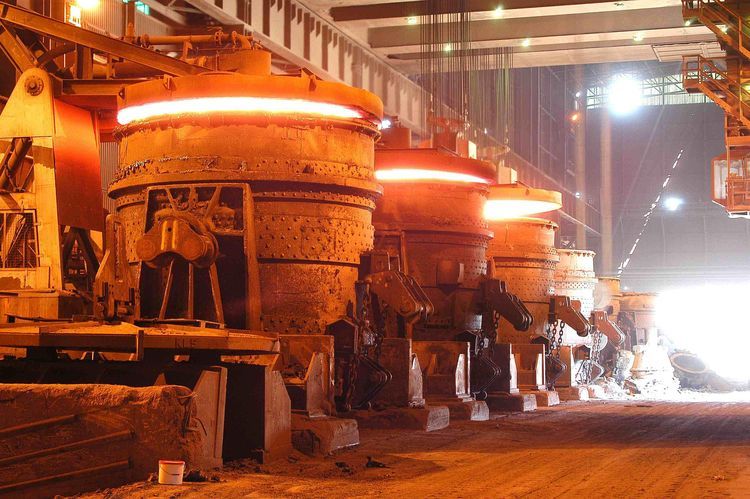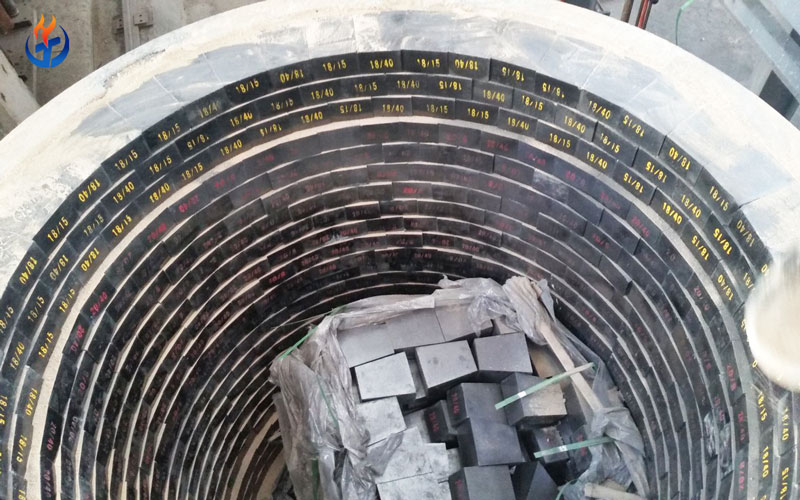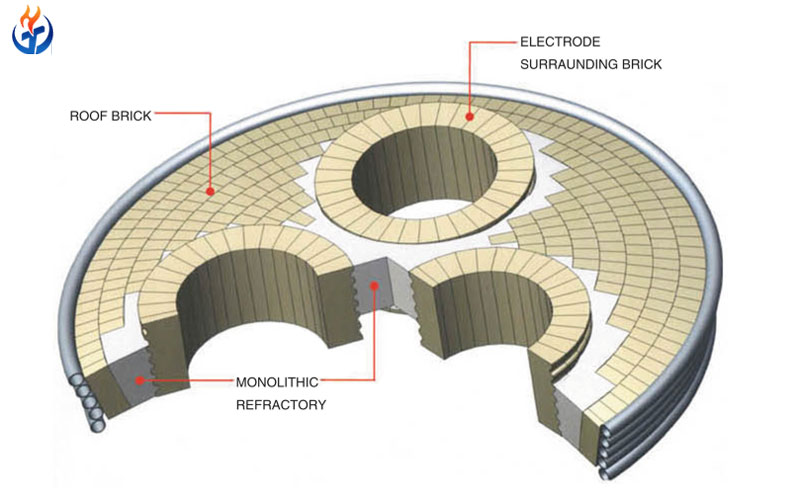
Blast furnace ironmaking is one of the most critical high-temperature processes in the steel industry. It operates continuously under extreme thermal, mechanical, and chemical conditions, where temperatures can exceed 2000°C in localized zones. In such an environment, refractory materials form the structural and functional backbone of the furnace lining system.
Refractories are not just protective materials—they directly influence furnace efficiency, campaign life, energy consumption, and operational stability. As blast furnaces evolve toward larger scale, higher productivity, and longer service life, the performance requirements of refractory linings have become increasingly demanding.
Different furnace zones experience different combinations of wear mechanisms, including:
- High-temperature thermal stress and heat load
- Chemical corrosion from molten slag and hot metal
- Mechanical abrasion from burden materials
- Alkali and zinc vapor penetration
- Thermal shock from temperature fluctuations
- Gas erosion from high-velocity ascending gases
Because of these varying conditions, a single refractory type cannot be used throughout the furnace. Instead, a zoned refractory design is applied, using materials tailored to each operational environment.
Overview of Blast Furnace Refractory Systems
Modern blast furnace linings typically consist of multiple refractory categories, including:
- High-alumina bricks
- Clay bricks (low porosity grades)
- Carbon bricks and semi-graphitized carbon blocks
- Silicon carbide bricks
- Mullite-based and andalusite bricks
- Lightweight insulation bricks (backup lining)
- Monolithic refractories (castables, ramming mixes, gunning mixes)
In addition, cooling systems such as copper staves, cast iron staves, and water-cooled plates are integrated with refractory linings to control thermal gradients and extend service life.
The selection strategy is generally based on:
- Temperature distribution
- Slag chemistry and basicity
- Mechanical abrasion intensity
- Gas flow velocity
- Alkali and zinc load
- Thermal cycling frequency
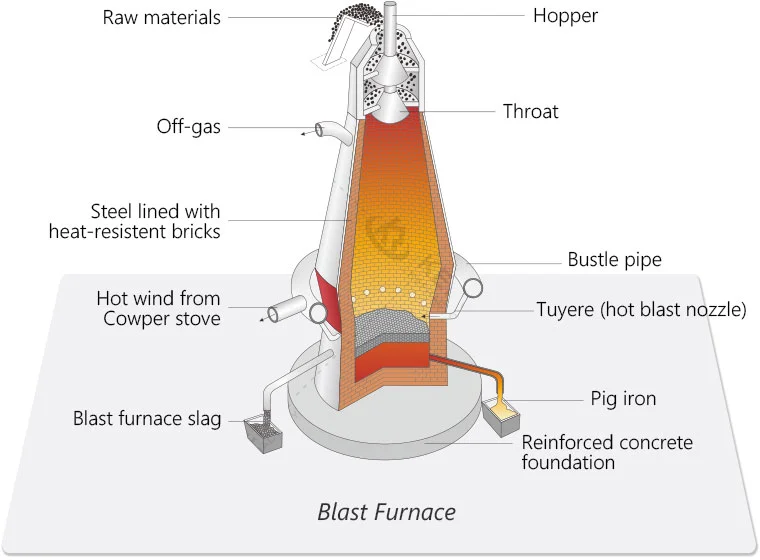
Furnace Top (Throat and Charging Zone)
Operating Conditions
The furnace top is the entry zone for burden materials. It typically operates at relatively lower temperatures (around 400–500°C), but it experiences severe mechanical impact and abrasion due to falling raw materials.
Key wear factors include:
- Direct impact from burden charging
- Continuous friction from descending materials
- Moderate gas erosion
- Limited chemical slag attack
Refractory Requirements
Materials used in this zone must provide:
- High wear resistance
- Good thermal shock resistance
- Structural stability under impact
- Resistance to abrasion and dust erosion
Typical Refractory Solutions
Common solutions for the furnace top include:
- Steel shell with water-cooled or non-cooled steel components
- Castable refractory backfill between steel structures and furnace shell
- Wear-resistant gunning or spray coatings for surface protection
In modern designs, the emphasis is on combining cooling technology with thin refractory layers to minimize thermal stress and reduce material degradation.
Upper and Middle Shaft (Low-Temperature Reaction Zone)
Operating Conditions
The upper and middle shaft is responsible for preheating and initial reduction reactions of the burden materials. Temperature ranges generally from 400°C to 800°C.
Although no liquid slag is formed here, the region is exposed to:
- Mechanical abrasion from descending burden
- Dust erosion from ascending gas flow
- Thermal cycling (rapid temperature fluctuations up to ~50°C/min)
- Alkali and zinc vapor penetration
- Carbon deposition reactions
Refractory Requirements
Materials used in this zone must have:
- Low apparent porosity
- High mechanical strength
- Excellent resistance to spalling
- Strong resistance to alkali corrosion
- Good thermal stability
Common Materials Used
Typical refractory materials include:
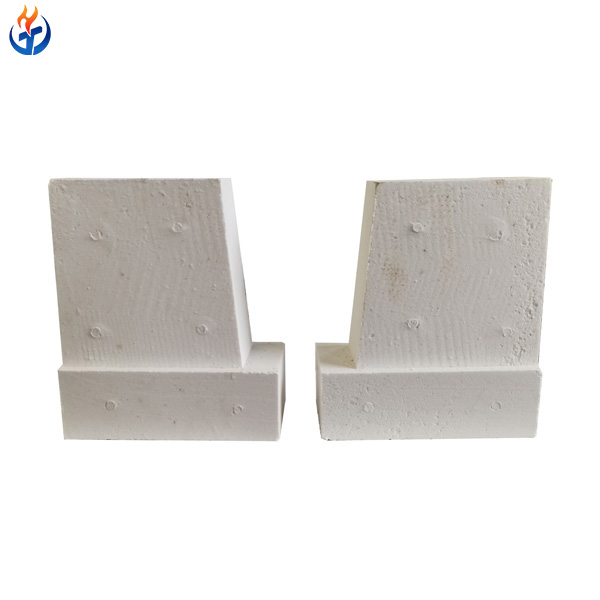
- Low-porosity clay bricks
- High-alumina bricks
- Phosphate-bonded clay bricks
- Andalusite and mullite-based bricks for improved thermal shock resistance
These materials significantly improve lining durability and reduce maintenance frequency in modern furnace operations.
Lower Shaft (High-Stress Transition Zone)
Operating Conditions
The lower shaft is one of the most critical wear zones in the blast furnace. It operates under:
- Higher temperatures
- Partial slag formation
- Strong gas flow erosion
- Severe alkali attack
- Mechanical abrasion from softened burden materials
This zone often determines overall furnace campaign life due to its aggressive operating environment.
Refractory Requirements
Refractories must offer:
- High resistance to chemical corrosion
- Excellent abrasion resistance
- High hot strength
- Low permeability to gases and liquids
- Stability under combined thermo-chemical stress
Typical Refractory Materials
Common selections include:
- High-grade high-alumina bricks
- Silicon carbide bricks with superior wear resistance
- Corundum-based bricks for high-temperature strength
- Carbon-containing composite bricks in severe zones
- Alumina-carbon materials for enhanced durability
In many modern furnaces, silicon carbide materials are increasingly adopted due to their excellent balance of thermal conductivity, strength, and corrosion resistance.
Bosh Region (High Thermal and Chemical Load Zone)
Operating Conditions
The bosh is located between the shaft and the hearth and is one of the most aggressively attacked zones. Temperatures range from approximately 1400°C to 1600°C.
This zone is exposed to:
- Molten slag dripping and accumulation
- High-temperature gas flow
- Strong thermal radiation
- Alkali metal vapor attack
- Abrasion from descending coke and burden
- Thermal shock from fluctuating operations
Refractory Requirements
Refractories must exhibit:
- Excellent slag corrosion resistance
- High thermal shock resistance
- Strong mechanical strength at high temperature
- Good thermal conductivity for controlled cooling
- Anti-penetration properties against molten materials
Common Refractory Solutions
Typical materials used include:
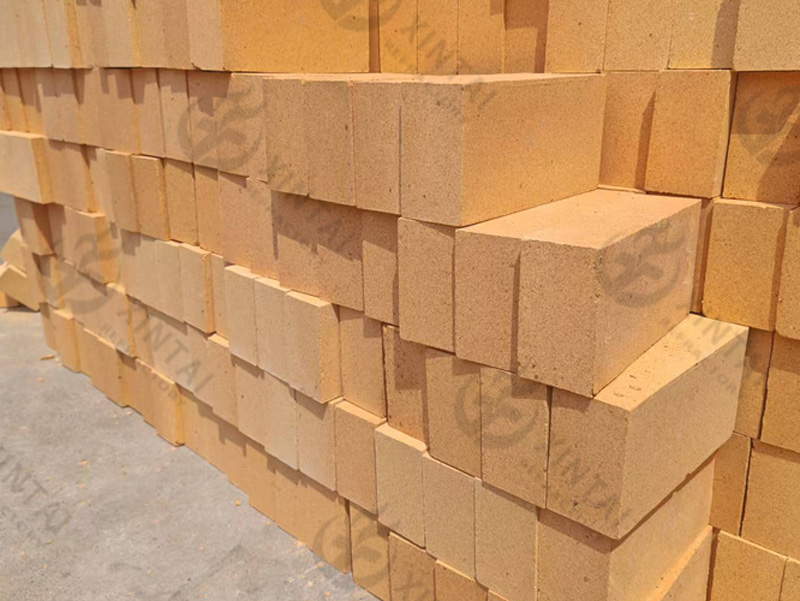
- Fused alumina-carbon bricks
- Micro-porous alumina-carbon bricks
- Silicon carbide bricks with high thermal conductivity
- Dense graphite-containing composites in extreme zones
These materials are designed to form protective slag layers (“sintered skulls”) that help reduce direct attack on the lining.
Hearth and Bottom (Iron and Slag Collection Zone)
Operating Conditions
The hearth is the core region where molten iron and slag are stored and separated. It operates under extremely harsh conditions:
- Temperatures up to 1500–2000°C locally
- Continuous contact with molten iron and slag
- Strong chemical attack from carbon monoxide, oxygen, and water vapor
- Penetration of alkali metals and zinc
- Structural stress from thermal gradients
The furnace bottom is especially vulnerable to iron penetration and structural degradation.
Refractory Requirements
Materials used in this zone must provide:
- Excellent resistance to molten iron penetration
- High resistance to chemical corrosion
- Strong structural integrity under thermal stress
- Controlled thermal conductivity for heat balance
- Resistance to alkali and zinc attack
- Long-term dimensional stability
Typical Refractory Materials
Common configurations include:
- Semi-graphitized carbon bricks for improved thermal stability
- Micro-porous carbon blocks with low permeability
- Graphitized carbon bricks in high-wear areas
- Corundum-mullite bricks in transition zones
- Carbon ramming materials for joint sealing and structural integrity
In modern blast furnace design, carbon-based refractories dominate the hearth due to their superior resistance to molten iron and slag infiltration.
Integrated Cooling and Refractory Design Strategy
Modern blast furnaces do not rely solely on refractory performance. Instead, they integrate:
- Water-cooled copper staves
- Cast iron cooling plates
- External spray cooling systems
- Advanced refractory anchoring systems
- Monolithic gunning repair technologies
This integrated system ensures:
- Formation of stable protective frozen layers
- Reduced direct refractory wear
- Extended furnace campaign life
- Improved thermal stability
The synergy between cooling systems and refractory materials is now a core principle in high-performance blast furnace engineering.
Conclusion: Engineering Optimization of Furnace Lining Systems
Refractory selection for blast furnace applications is a highly engineered process that requires precise matching of material properties to localized operating conditions. Each furnace zone—from the throat to the hearth—faces unique combinations of thermal, chemical, and mechanical stresses.
Key takeaways include:
- Upper zones prioritize abrasion and thermal shock resistance
- Middle shaft zones require anti-alkali and anti-spalling performance
- Bosh zones demand high corrosion resistance and thermal stability
- Hearth zones rely heavily on carbon-based materials for molten metal protection
As blast furnace technology continues to evolve toward higher efficiency and longer service life, refractory systems will increasingly rely on advanced composites, optimized microstructures, and integrated cooling-lining designs.
The continuous development of refractory technology remains essential for improving furnace productivity, reducing operational costs, and ensuring stable, long-term ironmaking performance.