Circulating Fluidized Bed (CFB) boilers have become one of the most widely used combustion technologies in power generation and industrial heating systems. Their ability to burn a wide variety of fuels, achieve high combustion efficiency, and reduce harmful emissions makes them highly attractive for power plants, chemical facilities, and biomass energy projects.
However, CFB boilers operate under severe conditions characterized by high temperatures, rapid gas-solid flow, intense particle erosion, and thermal cycling. These demanding environments require specialized refractory materials capable of withstanding abrasion, thermal shock, and chemical attack.
Choosing suitable refractory bricks and refractory castables is essential for extending boiler service life, reducing maintenance costs, and improving operational efficiency. This article explains what refractory materials are used in CFB boiler systems, where they are applied, and how to select the right materials for different boiler zones.
Understanding the Operating Environment of CFB Boilers
Unlike conventional pulverized coal boilers, CFB boilers use a fluidized bed of solid particles suspended by upward-flowing air. During operation, fuel particles, ash, and bed materials circulate continuously inside the furnace.
This process creates several challenges:
- High-temperature operation (800–1000°C)
- Continuous erosion from high-velocity particles
- Frequent start-stop cycles
- Thermal shock
- Alkali and sulfur corrosion
- Mechanical impact and abrasion
Because different sections of the boiler experience varying temperatures and wear mechanisms, multiple types of refractory materials are used throughout the system.
Main Parts of a CFB Boiler Requiring Refractory Linings
The following areas usually require refractory protection:
Furnace Chamber
The furnace walls are subjected to:
- High temperatures
- Particle abrasion
- Chemical attack
Typical refractory materials:
- High alumina refractory castables
- Low cement castables
- Wear-resistant castables
Cyclone Separator
The cyclone separator is one of the most severely worn components.
It experiences:
- Extremely high gas velocity
- Continuous impact from ash particles
- Abrasive erosion
Typical materials:
- Corundum refractory castables
- Silicon carbide castables
- Ultra-low cement castables
Return Leg and Loop Seal
These areas transport circulating solids back into the furnace.
Requirements include:
- Excellent wear resistance
- Thermal shock resistance
Common materials:
- Abrasion-resistant castables
- Corundum-mullite castables
- High-strength low cement castables
Air Distributor
The air distributor experiences:
- Mechanical wear
- Temperature fluctuations
Suitable materials include:
- Dense refractory castables
- High alumina castables
Ash Cooler
Ash coolers are exposed to:
- Erosive ash flow
- Thermal cycling
Preferred materials:
- Silicon carbide castables
- Wear-resistant castables
Expansion Joints and Insulation Layers
These areas focus more on heat preservation.
Materials include:
- Lightweight insulating castables
- Ceramic fiber products
- Insulating bricks
Types of Refractory Materials Used in CFB Boilers
Several refractory materials are commonly employed in CFB boiler construction and maintenance.
1. High Alumina Refractory Castables
High alumina castables are among the most commonly used materials in CFB boilers.
Features
- High refractoriness
- Good mechanical strength
- Excellent resistance to slag attack
- Moderate abrasion resistance
Typical Al₂O₃ Content
- 60%
- 70%
- 75%
- 80%
Applications
- Furnace walls
- Air distribution plates
- Return chambers
2. Low Cement Refractory Castables
Low cement castables (LCC) offer superior properties compared with traditional castables.
Advantages
- High density
- Low porosity
- Improved thermal shock resistance
- Better erosion resistance
Typical Uses
- Cyclone separators
- Furnace outlet sections
- High-temperature ducts
Service Temperature
Generally:
- 1300–1600°C
3. Ultra-Low Cement Castables
Ultra-low cement castables are designed for extreme environments.
Characteristics
- Very high density
- Superior hot strength
- Excellent abrasion resistance
- Outstanding slag resistance
Applications
- Cyclone barrels
- Inlet ducts
- High-velocity gas channels
4. Corundum Refractory Castables
Corundum castables contain high-purity alumina aggregates and powders.
Advantages
- Exceptional wear resistance
- High compressive strength
- Excellent high-temperature performance
Maximum Service Temperature
Up to:
- 1700°C
Typical Locations
- Cyclone separators
- Return legs
- Ash recirculation systems
These regions suffer from the highest degree of particle erosion, making corundum castables one of the preferred materials.
5. Silicon Carbide Refractory Castables
Silicon carbide (SiC) materials are renowned for their wear resistance.
Key Benefits
- Outstanding abrasion resistance
- High thermal conductivity
- Excellent oxidation resistance
- Strong thermal shock resistance
Applications
- Cyclone outlets
- Ash coolers
- Flue gas ducts
In many modern CFB boilers, silicon carbide castables are used in conjunction with corundum materials to enhance service life.
6. Corundum-Mullite Castables
Corundum-mullite castables combine the advantages of both corundum and mullite.
Features
- High strength
- Excellent thermal shock resistance
- Superior volume stability
- Strong erosion resistance
Common Applications
- Return chambers
- Loop seals
- High-wear sections
7. Wear-Resistant Refractory Castables
Abrasion-resistant castables are specifically developed for fluidized bed systems.
Characteristics
- High mechanical strength
- Excellent resistance to particle impact
- Long service life
- Good resistance to thermal cycling
Typical Installation Areas
- Furnace lower sections
- Cyclone separators
- Ash discharge zones
These castables are among the most widely used products in CFB boilers.
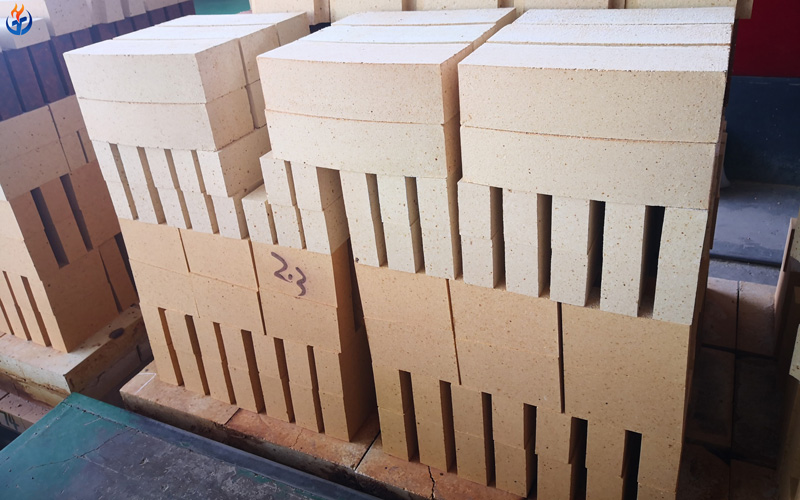
Refractory Bricks Used in CFB Boilers
Although monolithic refractories dominate modern CFB boiler designs, refractory bricks are still used in certain areas.
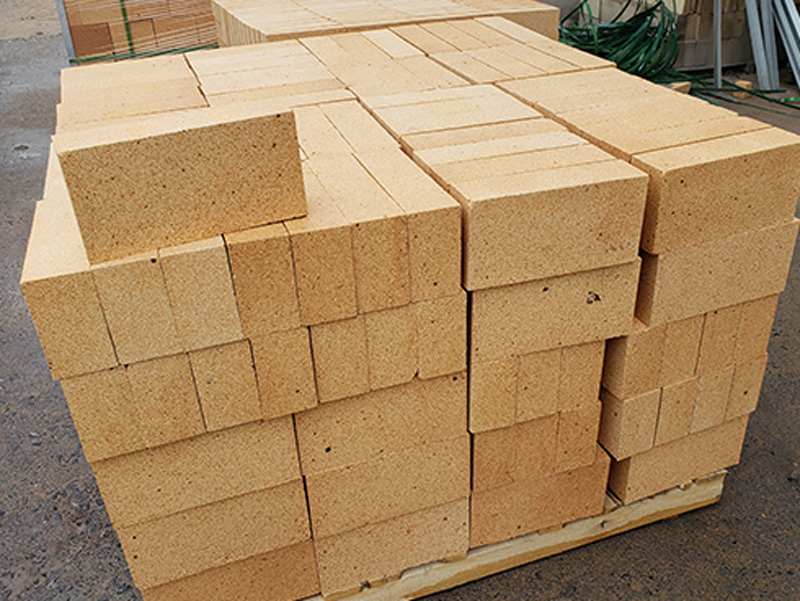
High Alumina Bricks
Properties:
- High refractoriness
- Good slag resistance
- Strong mechanical strength
Applications:
- Furnace walls
- Burner areas
Mullite Bricks
Advantages:
- Excellent thermal shock resistance
- Low thermal expansion
- Good dimensional stability
Applications:
- High-temperature sections
Silicon Carbide Bricks
Characteristics:
- Extremely high wear resistance
- Superior thermal conductivity
Applications:
- Ash handling systems
- Abrasion zones
Insulating Fire Bricks
Functions:
- Heat insulation
- Energy saving
Applications:
- Backup linings
- Insulation layers
Insulation Materials Used in CFB Boilers
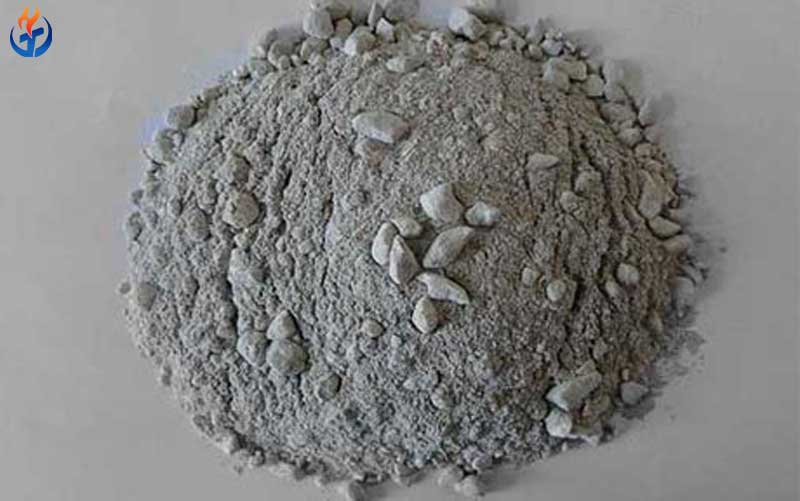
Besides working linings, insulation materials are equally important.
Lightweight Insulating Castables
Benefits:
- Low thermal conductivity
- Reduced shell temperature
- Improved energy efficiency
Ceramic Fiber Blankets
Features:
- Lightweight
- Easy installation
- Excellent insulation
Ceramic Fiber Modules
Advantages:
- Fast construction
- Reduced heat loss
- Excellent thermal stability
Insulating Fire Bricks
Used as:
- Backup insulation layers
- Thermal barriers
Requirements for Refractory Materials in CFB Boilers
To perform effectively, refractory materials used in CFB boilers should possess several essential characteristics.
High Abrasion Resistance
Continuous circulation of solid particles causes severe wear.
Excellent Thermal Shock Resistance
Frequent temperature fluctuations demand materials capable of resisting cracking.
High Mechanical Strength
Strong compressive and flexural strength are necessary to withstand mechanical loads.
Chemical Corrosion Resistance
Materials should resist:
- Sulfur compounds
- Alkali vapors
- Slag attack
Volume Stability
Low shrinkage helps prevent structural damage during long-term operation.
Good Workability
Easy mixing and installation improve construction efficiency.
How to Select the Right Refractory Material for a CFB Boiler
Proper material selection depends on several factors.
Operating Temperature
Higher temperatures require higher-grade refractories.
For example:
- 1000–1200°C → High alumina castables
- 1300–1600°C → Corundum castables
- Extreme wear zones → Silicon carbide castables
Abrasion Severity
High-velocity areas require materials with exceptional wear resistance.
Suitable choices include:
- Corundum castables
- Silicon carbide castables
- Wear-resistant castables
Chemical Environment
Sulfur and alkali compounds necessitate materials with strong corrosion resistance.
Installation Method
Materials can be installed through:
- Casting
- Gunning
- Pumping
- Vibration
Selection should match construction conditions.
Maintenance Cycle
Longer maintenance intervals generally justify the use of premium refractory products.
Conclusion
CFB boilers operate in one of the harshest environments encountered in industrial furnaces. Continuous particle circulation, high temperatures, and severe erosion make refractory performance a critical factor affecting boiler reliability and operating costs.
Among the various refractory materials used in CFB boiler systems, high alumina castables, low cement castables, ultra-low cement castables, corundum castables, silicon carbide castables, corundum-mullite castables, and abrasion-resistant castables are the most important. Refractory bricks and insulation materials also play vital roles in ensuring structural integrity and energy efficiency.
By selecting the appropriate refractory materials for each section of the boiler, operators can significantly extend service life, minimize downtime, improve thermal efficiency, and achieve stable long-term performance. For modern power plants and industrial facilities, investing in high-quality refractory solutions remains one of the most effective ways to enhance the reliability and economics of CFB boiler operations.