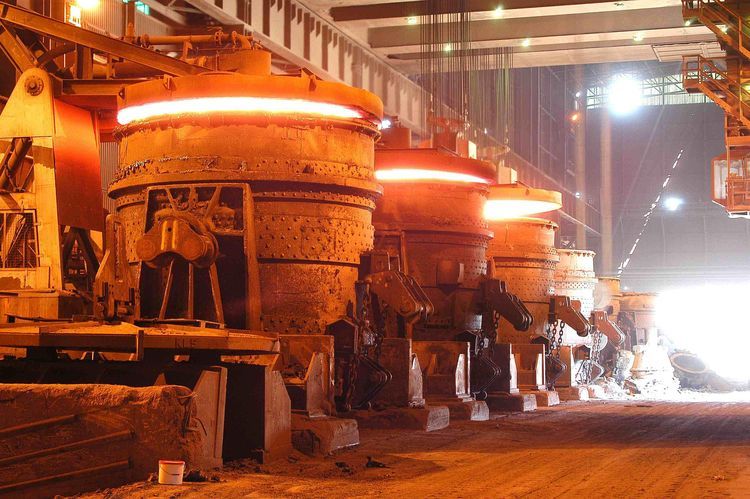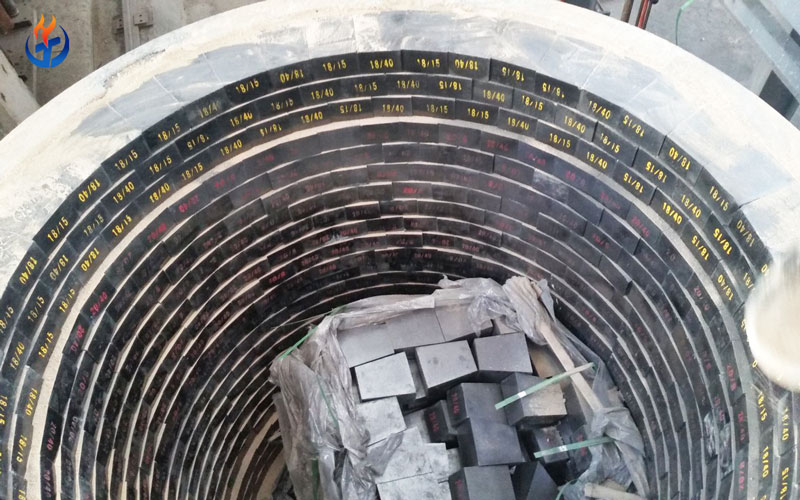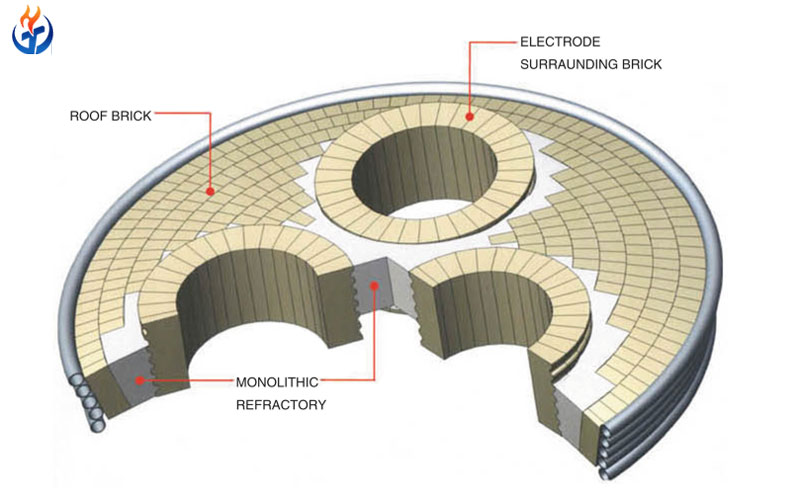
In the steel industry, ladles serve as a critical intermediary for transferring molten steel from the furnace to the casting equipment. Ensuring the longevity, efficiency, and safety of ladles largely depends on the refractory materials used. These materials must withstand extreme temperatures, resist erosion by molten steel, prevent oxidation, and ensure consistent flow. This article explores the main types of refractory materials used in ladles, their functions, advantages, and industrial applications, with a focus on innovations that improve operational efficiency and steel quality.
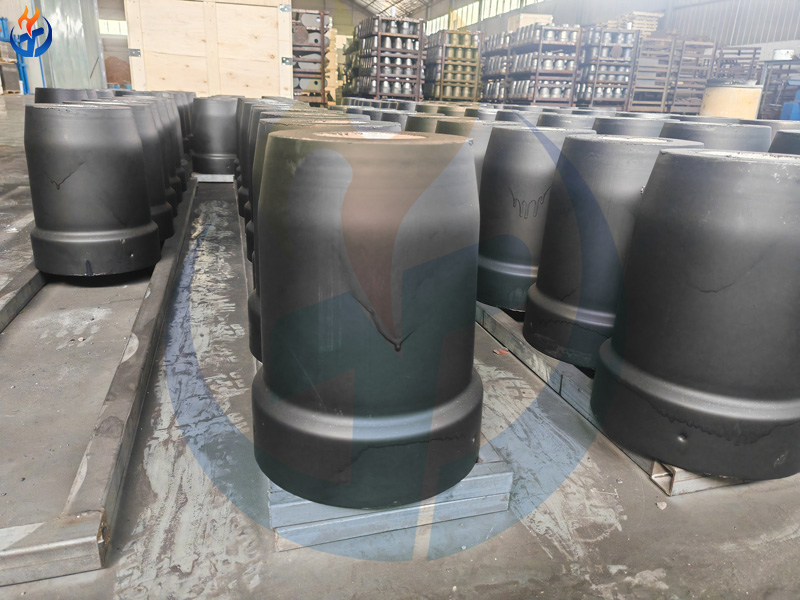
Types of Refractory Materials for Ladles
Long Nozzle Refractories
The long nozzle refractory serves as a connection between the tundish (middle ladle) and the pouring system. Its primary functions include maintaining a stable molten steel flow, preventing oxidation, and reducing splashing during transfer. Modern long nozzles are engineered from high- to medium-grade, pre-baked-free refractory materials, offering excellent thermal shock resistance, erosion resistance, and slag resistance.
Key advantages of long nozzle refractories include:
- Thermal shock resistance: Prevents cracking under rapid temperature changes.
- Steel flow control: Maintains a stable flow, minimizing turbulence.
- Ease of installation: Pre-baked-free types simplify operational procedures and enhance safety conditions.
Due to these benefits, long nozzle refractories have been rapidly adopted in steel plants worldwide.
Submerged Nozzles
Submerged nozzle refractories are designed to protect molten steel from oxidation when entering the mold. They also play a crucial role in evenly distributing the steel within the mold and controlling its flow pattern.
Submerged nozzles provide:
- High slag resistance: Reduces clogging and extends service life.
- Long operational life: Can endure multiple casting cycles without replacement.
- Low failure rates: Minimizes downtime in continuous casting operations.
Their reliability and performance have made them a preferred choice in numerous domestic and international steel facilities.
Integrated Stopper Rods
The integrated stopper rod is another essential component for controlling steel flow. This refractory system has been widely used in major steel plants, including Ningbo Steel, Sha Steel, Han Steel, Shaoguan Steel, Baogang Stainless, and international plants in Ukraine and Russia.
Benefits include:
- Durability: Can withstand high temperatures and repeated thermal cycles.
- Precision flow control: Works seamlessly with the upper nozzle to regulate steel flow.
- Ease of operation: Reduces labor intensity and improves casting efficiency.
The combination of integrated stopper rods and compatible upper nozzle systems enhances continuous casting productivity.
Upper Nozzles for Ladles
The upper nozzle refractory is embedded in the base brick of the ladle and works in tandem with the stopper rod to control steel flow. Features of modern upper nozzle refractories include:
- Excellent thermal shock stability: Maintains integrity during rapid temperature changes.
- Erosion resistance: Protects against steel and slag wear.
- Anti-clogging: Reduces the risk of operational interruptions.
By pairing with high-quality stopper rods, upper nozzle refractories significantly increase the lifespan and efficiency of the ladle lining.
Ventilated Upper Nozzles
Traditional upper nozzles often sacrifice service life to prevent clogging. The ventilated upper nozzle addresses this limitation by balancing durability and operational reliability.
Advantages include:
- Longer service life: Reduces frequency of replacements.
- Effective anti-clogging: Prevents blockages without compromising structural integrity.
- Enhanced steel purity: Minimizes contamination by controlling flow and exposure.
Ventilated upper nozzles are increasingly favored in modern steelmaking operations.
Zirconia-Lined Upper Nozzles
The zirconia-lined upper nozzle is designed for enhanced resistance against corrosion and wear. Widely used in Hebei Yongyang, Rizhao Steel, and Shaoguan Steel, these nozzles demonstrate excellent operational results.
Features:
- High thermal stability: Performs well under extreme temperatures.
- Superior erosion resistance: Extends refractory life under aggressive steel flow conditions.
- Compatibility: Works effectively with integrated stopper rods and other ladle components.
This type of refractory material is particularly suited for high-grade steel production where operational reliability is paramount.
Fixed and Quick-Change Nozzles
Fixed and quick-change nozzles are mainly zirconia-based and designed in embedded forms. They are categorized into ordinary and quick-change types.
Key features:
- High refractoriness: Withstands extremely high temperatures.
- Thermal shock resistance: Prevents cracking during temperature fluctuations.
- Minimal expansion: Maintains precise nozzle dimensions for consistent flow.
- Quick replacement capability: Quick-change systems allow multiple nozzle replacements in a single casting cycle, enhancing operational efficiency.
These nozzles are ideal for continuous casting applications with long-lifetime ladle linings.
High-Temperature and High-Performance Slide Plates
Slide plates are essential for controlling steel flow and ensuring uniform distribution. High-temperature fired and high-performance slide plates offer:
- High strength: Can support substantial steel weight without deformation.
- Erosion resistance: Resists aggressive steel and slag flow.
- Thermal shock resistance: Prevents damage from rapid temperature changes.
- Long service life: Reduces maintenance intervals and operational costs.
They are the preferred material for medium to large ladles in steel plants casting multiple steel grades.
Magnesium-Based Diffuse Gas Curtain Walls
The magnesium-based diffuse gas curtain wall is constructed using magnesia as the primary raw material with additives, formed under mechanical pressure, and fired at 1500℃. Its primary purpose is to guide steel flow, protect ladle walls, and improve the purification of molten steel.
Advantages include:
- Flow control: Ensures uniform steel movement inside the ladle.
- Slag separation: Promotes flotation of impurities to the surface.
- Extended ladle life: Reduces wear on internal surfaces.
This innovation has improved steel quality and operational efficiency in many modern steel plants.
TPB Series Ventilated Nozzle Base Bricks
TPB series ventilated nozzle base bricks use high-tech ceramic rods and porous ceramics to form gas channels, surrounded by high-performance casting materials. They provide dual benefits:
- Enhanced steel purity: Facilitates removal of impurities.
- Clogging prevention: Resolves the common issue of submerged nozzle blockages.
Their design has proven effective in optimizing continuous casting operations while maintaining consistent steel quality.
Baffle, Impact, and Protective Wall Plates
Proper internal configuration of a ladle is critical for controlling steel flow. Installing baffles, impact plates, and protective wall plates can:
- Alter steel flow: Encourages harmful inclusions to float to the surface.
- Increase safety: Protects ladle walls from direct steel impact.
- Prolong service life: Reduces wear and maintenance frequency.
Our engineered series of baffles, impact plates, protective wall plates, and nozzle base bricks combine high slag resistance, thermal strength, and extended lifespan.
Lightweight Spray Coatings
Lightweight spray coatings, such as the ZQT-M85 series, are formulated with high-quality magnesia, binders, plasticizers, and anti-explosion agents. These coatings provide:
- Excellent insulation: Improves energy efficiency and ladle temperature control.
- Steel purification: Supports removal of impurities during casting.
- Ease of application: Simplifies installation and maintenance.
Lightweight spray coatings are widely used for producing clean steel with long-lifetime ladle linings.
Phosphate-Free Coatings
Compared to traditional refractory boards, phosphate-free coatings offer several advantages:
- Simple application: Can be sprayed or troweled with minimal preparation.
- Extended life: Resistant to erosion and slag attack.
- Environmentally friendly: Does not pollute molten steel and breaks down easily after use.
These coatings have become the preferred choice for modern steelmaking plants seeking efficiency and sustainability.
High-Quality Refractory Slurries
Refractory slurries come in various types, including chrome-alumina, high-alumina, alumina-magnesia, magnesia, and carbon-containing slurries. They provide:
- Controlled setting time: Suitable for diverse ladle lining applications.
- Strong adhesion: Forms durable linings that resist erosion.
- Thermal stability: Maintains integrity under extreme temperature variations.
Refractory slurries are widely used for repairing ladles, constructing nozzle seats, and applying protective linings for complex shapes.
Conclusion
The choice of refractory materials for ladles is critical for steel production efficiency, quality, and safety. From long nozzles and submerged nozzles to advanced coatings and ventilated bricks, each material type serves a specific function in maintaining optimal steel flow, preventing oxidation, and extending the lifespan of ladle components.
Modern innovations in refractory materials—such as zirconia-lined nozzles, TPB ventilated bricks, and lightweight spray coatings—address traditional challenges like clogging, thermal shock, and steel contamination. By selecting the right combination of refractory solutions, steelmakers can improve operational efficiency, reduce maintenance costs, and produce high-quality steel consistently.
As continuous casting technology evolves, the development and application of high-performance ladle refractories will remain a vital factor in modern steelmaking, ensuring both productivity and reliability for large-scale operations.