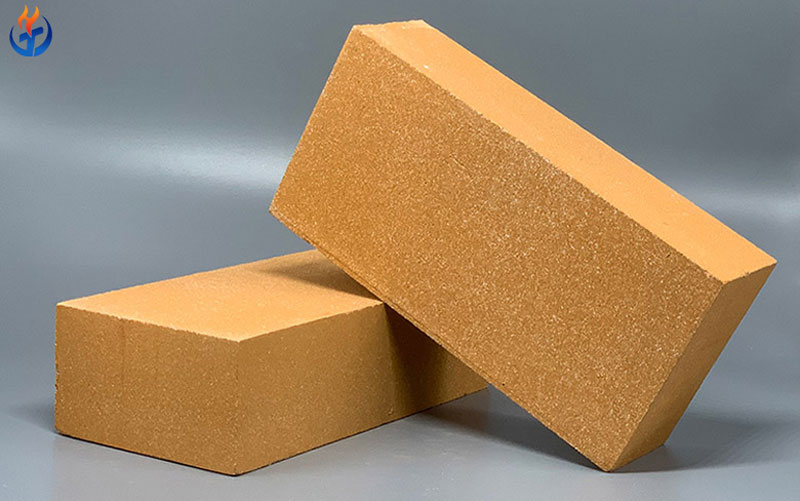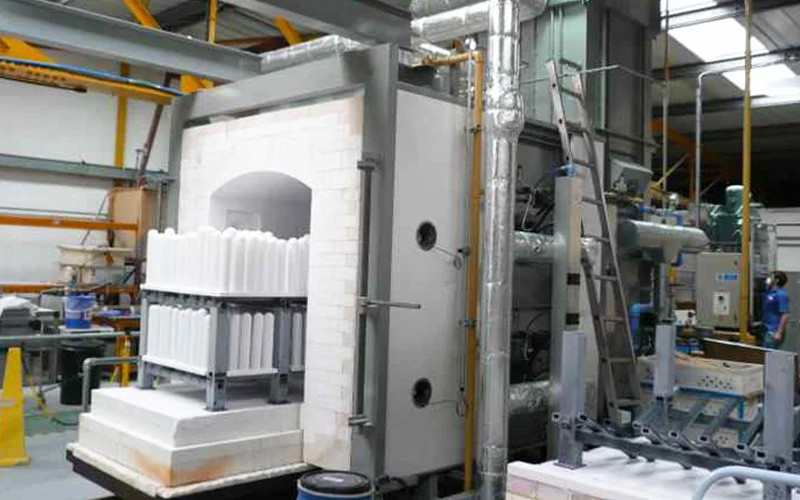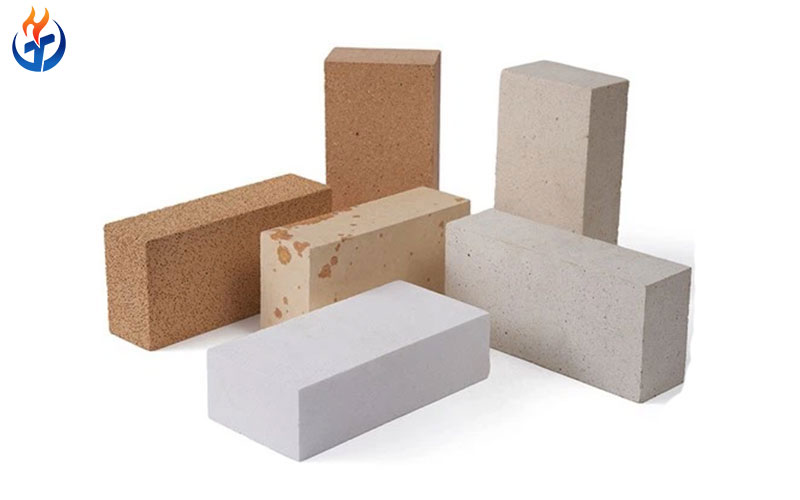
Refractory bricks are essential materials in industries that operate at extremely high temperatures, including steel production, cement manufacturing, and non-ferrous metal processing. These bricks are designed to withstand intense heat and thermal stress while maintaining their integrity. Their shapes vary depending on their specific application in different industrial environments. In this article, we will explore the different shapes of refractory bricks and their diverse applications in various high-temperature industries.
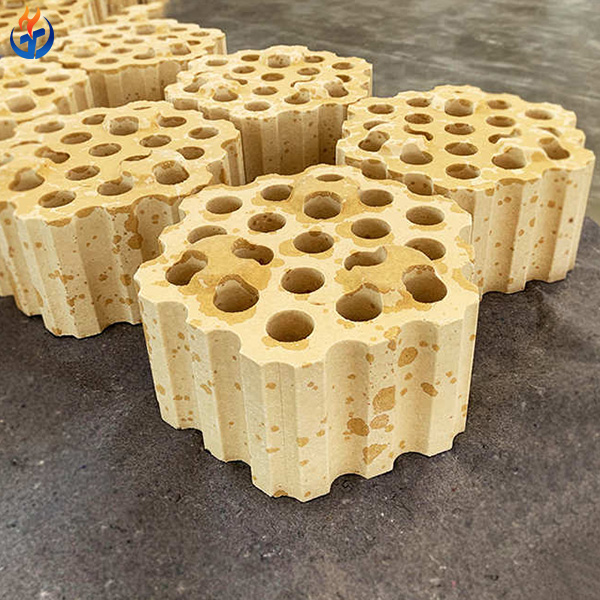
What are Refractory Bricks?
Refractory bricks are heat-resistant materials capable of withstanding temperatures above 1,000°C. Made from ceramic materials such as clay, silica, and alumina, they are primarily used to line furnaces, kilns, reactors, and other high-temperature chambers. These bricks are engineered to resist thermal shock, wear, and corrosion in extreme conditions.
Key Characteristics of Refractory Bricks:
- High Melting Point: Refractory bricks can endure temperatures up to 3,000°C depending on the material.
- Thermal Insulation: They have excellent thermal insulation properties, preventing heat loss and enhancing energy efficiency.
- Durability: These bricks offer long service life due to their resistance to wear and chemical reactions.
Different Shapes of Refractory Bricks
Refractory bricks are available in various shapes, each designed for specific applications. The most common shapes include rectangular, arch, wedge, and custom-made forms.
2.1 Rectangular Refractory Bricks
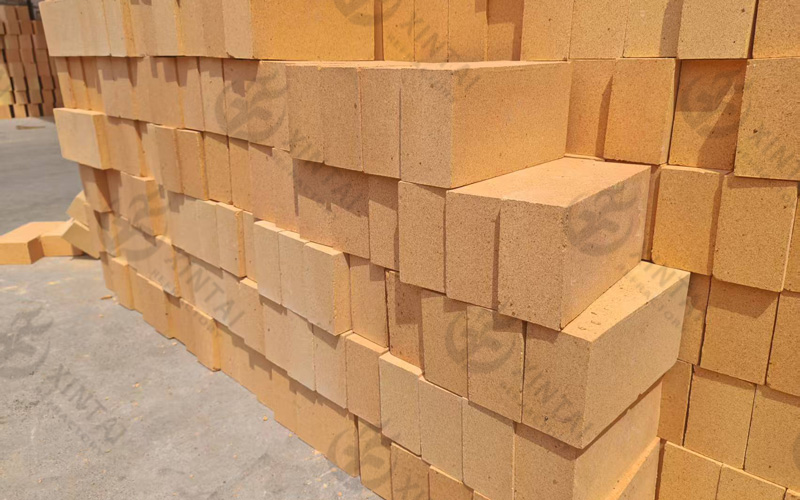
The most common and versatile shape, rectangular refractory bricks, are widely used across various industries. These bricks are perfect for creating walls, linings, and structural elements in high-temperature environments.
Applications:
- Furnace Linings: Rectangular bricks are ideal for lining the interior of furnaces, providing thermal insulation and protection against high heat.
- Kiln Construction: These bricks are used in cement and ceramic kilns to ensure even heat distribution.
- Burners and Heat Exchangers: Rectangular bricks are used in industrial burners to withstand heat and optimize combustion.
2.2 Arch Refractory Bricks
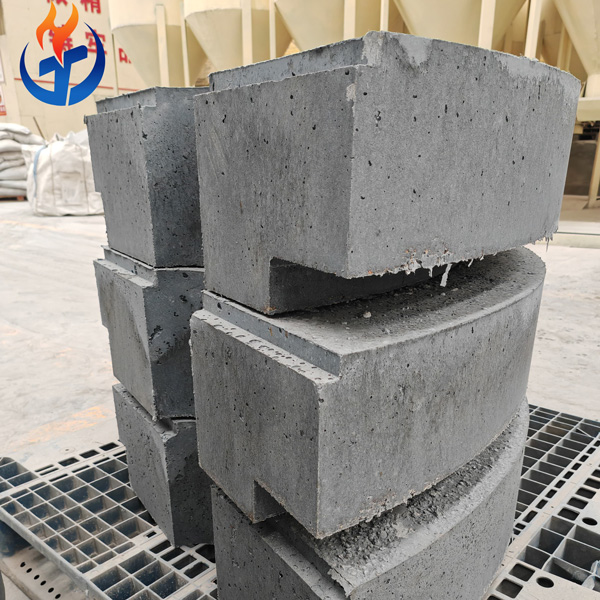
Arch-shaped refractory bricks are designed to withstand high thermal stress in curved or vaulted applications. Their shape allows for better load distribution, making them an excellent choice for supporting structures that deal with heat.
Applications:
- Arches and Vaults: Arch-shaped bricks are commonly used in furnace arches and kilns, providing strength and stability to curved surfaces.
- Rotary Kilns: In industries such as cement manufacturing, these bricks help construct the rotary kiln’s curved walls.
- Incinerators: Used in the construction of incinerators, arch bricks can withstand the intense heat produced during waste incineration.
2.3 Wedge Refractory Bricks
Wedge-shaped refractory bricks are essential for creating precise angles and ensuring the correct alignment of structural components in furnaces and kilns.
Applications:
- Furnace Corners: Wedge-shaped bricks are commonly used to line the corners of furnaces, ensuring the thermal efficiency of the structure.
- Conical and Cylindrical Structures: These bricks help create the tapered sections of cylindrical kilns or melting furnaces.
- Gas Flow Channels: In power plants and incinerators, wedge-shaped bricks assist in guiding gas flows and maintaining efficient combustion.
2.4 Custom-Made Refractory Bricks
For specialized applications, custom-shaped refractory bricks are designed to meet the unique requirements of specific industries. These bricks can be manufactured in any shape necessary, such as trapezoidal, circular, or other geometries.
Applications:
- High-Temperature Reactors: In chemical production, custom-shaped bricks are used to create precise chamber designs for reactors and furnaces.
- Glass Melting Furnaces: Custom bricks are designed to meet the intricate requirements of glass melting furnaces, where specific shapes are needed to optimize the melting process.
- Blast Furnaces: Custom bricks are designed for specific locations within blast furnaces to improve heat distribution and prevent wear.
Factors to Consider When Choosing Refractory Brick Shapes
Selecting the correct shape of refractory bricks for an application depends on several factors. These include the temperature, mechanical stress, chemical exposure, and the specific requirements of the industrial process.
3.1 Temperature Resistance
Different shapes are optimized for handling varying temperatures. For example, rectangular bricks may be sufficient for lower-temperature applications, while custom-shaped or arch bricks are better suited for environments with high thermal stress.
3.2 Mechanical Stress
The shape of the brick should also consider the load-bearing requirements. Arch and wedge bricks are ideal for distributing pressure, while rectangular bricks are more suited for flat surfaces with less stress.
3.3 Chemical Resistance
Certain industrial processes involve exposure to chemicals that can degrade refractory materials. Custom shapes can be designed to provide additional protection in chemically aggressive environments.
3.4 Thermal Efficiency
The design of the brick, including its shape, contributes to the overall thermal efficiency of the furnace or kiln. Bricks with shapes like wedges or arches can optimize heat distribution, reducing energy consumption and improving efficiency.
Applications of Refractory Bricks in Various Industries
Refractory bricks play a critical role in many industrial sectors where high temperatures are involved. Some of the key industries that benefit from these materials include:
4.1 Steel Industry
The steel industry is one of the largest consumers of refractory bricks. These bricks line the interiors of blast furnaces, electric arc furnaces, and ladles, where temperatures can reach over 1,500°C. The use of refractory bricks in this sector ensures the proper melting and refining of steel.
Applications:
- Blast Furnace Linings
- Electric Arc Furnace Linings
- Steel Ladle Linings
4.2 Cement Industry
Refractory bricks are used extensively in cement kilns. Their high thermal resistance ensures that they can withstand the extreme temperatures and abrasive conditions inside the kiln, where raw materials are heated to over 1,400°C.
Applications:
- Rotary Kiln Lining
- Cement Silo Protection
- Kiln Burner Blocks
4.3 Glass Industry
In the glass industry, refractory bricks are used in glass-melting furnaces, which operate at extremely high temperatures. The ability of these bricks to resist thermal shock and chemical corrosion is vital for the continuous production of glass products.
Applications:
- Glass Melting Furnace Linings
- Tank Furnaces for Glass Production
- Refractory Blocks for Glass Tanks
4.4 Non-Ferrous Metal Industry
Refractory bricks are essential in non-ferrous metal industries, where they are used to line furnaces for melting metals such as aluminum, copper, and lead. Their resistance to heat and chemical reactions ensures the proper functioning of these furnaces.
Applications:
- Melting Furnaces for Non-Ferrous Metals
- Refining Furnaces
- Casting and Molding Furnace Linings
4.5 Power Plants and Incinerators
Refractory bricks also play a significant role in power generation and waste incineration. They are used to line the combustion chambers of boilers and incinerators, where they endure intense heat and abrasive conditions.
Applications:
- Boiler Furnace Linings
- Incinerator Chambers
- Energy Recovery Systems
Conclusion
Refractory bricks, in their various shapes, are indispensable in industries that operate at high temperatures. The right shape and material selection ensure the longevity, efficiency, and safety of industrial processes. Whether used in steel production, cement manufacturing, or glass melting, the versatility of refractory bricks makes them a fundamental part of many critical operations. By understanding the specific applications and selecting the appropriate brick shape, businesses can enhance their operational performance and extend the lifespan of their high-temperature equipment.