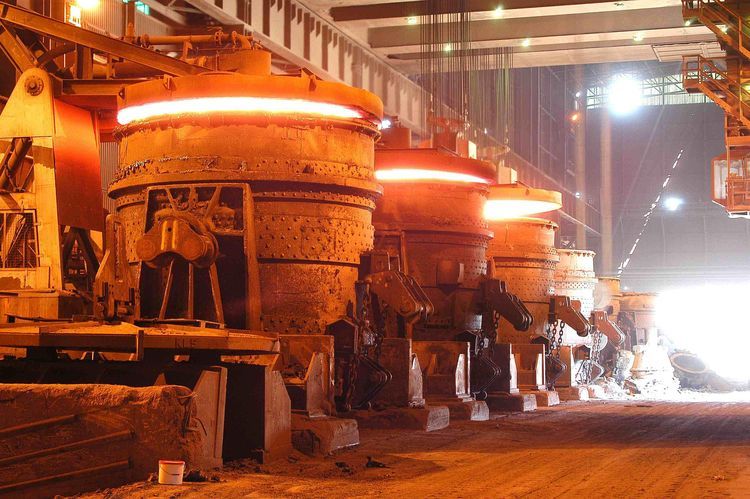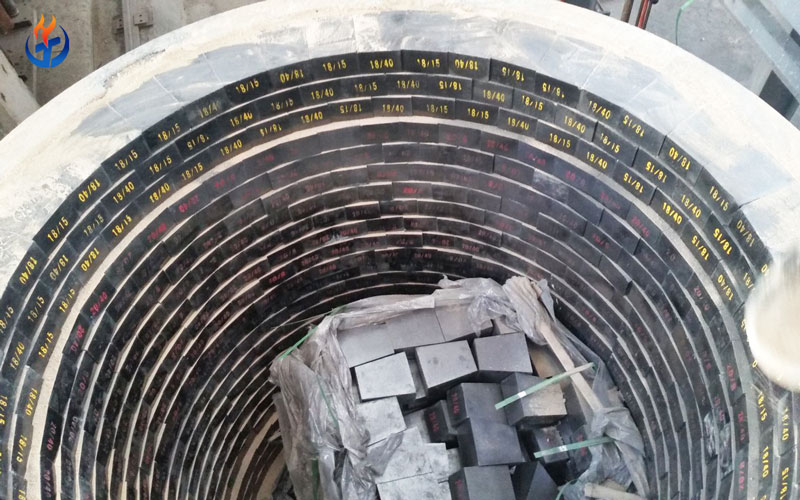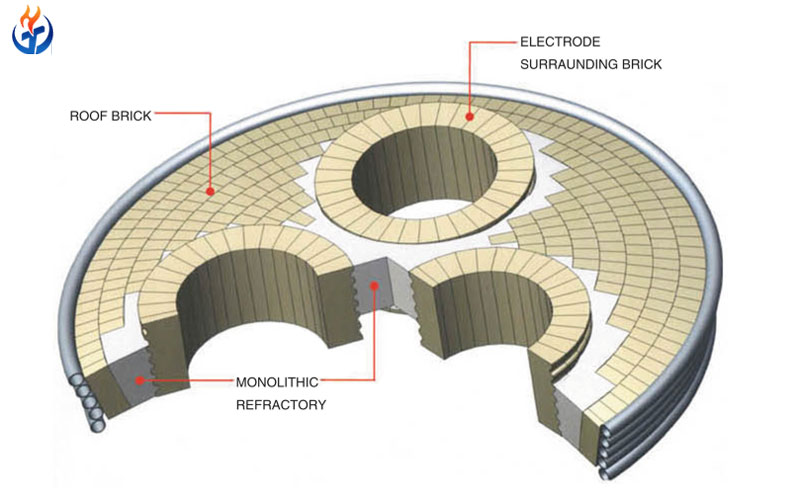
The cement industry is one of the largest consumers of refractory materials, given the high temperatures and extreme operational conditions in cement production. Cement kilns operate at temperatures reaching up to 1,500°C, requiring refractories that can withstand intense thermal, chemical, and mechanical stress. This article delves into the main types of refractory materials used in the cement industry, their specific properties, and applications in different areas of cement production.
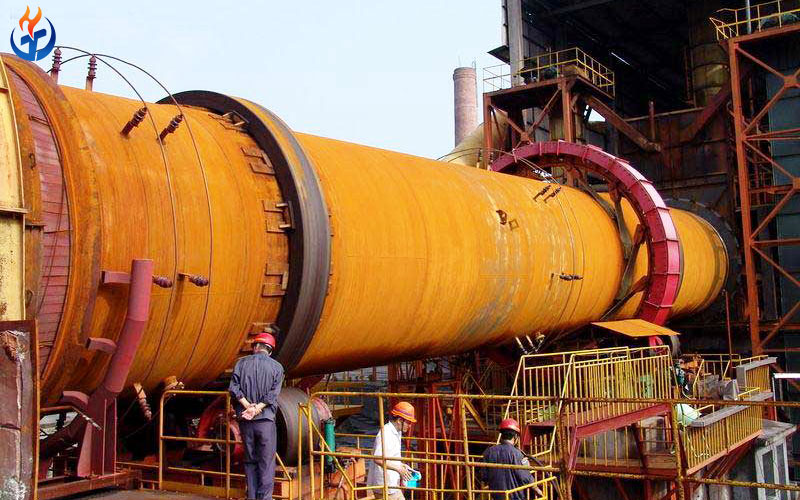
Refractory Materials and Their Importance in Cement Production
Refractory materials are crucial for maintaining the structural integrity and efficiency of cement kilns. These materials must withstand the high temperatures, corrosive atmospheres, and mechanical stresses encountered during the production of cement clinker. Cement production involves several stages, including raw material preparation, heating, clinker formation, and cooling, each of which requires specific refractory solutions.
The three primary types of refractory materials used in the cement industry are aluminosilicate refractories, magnesite-based refractories, and special unshaped refractories. Each type is designed to meet the demands of different operating environments in the cement manufacturing process.
Aluminosilicate Refractories
Aluminosilicate refractories are the most commonly used refractories in the cement industry. They consist of alumina (Al₂O₃) and silica (SiO₂) and are primarily used in areas of the kiln that operate at medium temperatures. These refractories are known for their excellent thermal shock resistance and their ability to handle moderate temperature environments.
Clay Bricks
Traditional clay bricks, containing 30-45% alumina and 50-65% silica, are widely used in the preheating and lower temperature regions of cement kilns. These materials provide a cost-effective solution for areas that are not exposed to extreme temperatures. They are particularly effective in handling heat cycling and mechanical wear, offering a balance between performance and cost.
High-Alumina Bricks
High-alumina bricks, which contain 48-90% alumina, are used in the kiln inlet and transition zones where temperatures can reach up to 1,700°C. These materials provide excellent resistance to high temperatures and chemical corrosion, making them suitable for areas exposed to harsh chemical environments, such as alkali salts and sulfur compounds.
Magnesite-Based Refractories
Magnesite-based refractories are essential for areas of the cement kiln that experience high temperatures and aggressive chemical environments. Magnesium oxide (MgO) is highly resistant to the molten clinker material in the burning zone of the kiln, making it an ideal material for these areas.
Magnesia-Chrome Bricks
Magnesia-chrome bricks, consisting of 50-70% magnesia (MgO) and 8-20% chrome oxide (Cr₂O₃), have traditionally been used in the burning zone of cement kilns. These bricks offer excellent resistance to corrosion and high-temperature stability, capable of withstanding temperatures up to 1,900°C. However, due to environmental concerns related to hexavalent chromium, alternative materials have been developed in recent years.
Magnesia-Spinel Bricks
Magnesia-spinel bricks are the primary chromium-free alternatives for the cement industry’s burning zone applications. These bricks are composed of magnesium oxide (MgO) as the primary phase and spinel (MgO·Al₂O₃) as the secondary phase. The addition of spinel enhances the bricks’ flexibility and thermal shock resistance, making them ideal for the transition zone and burning zone of the kiln. These materials also offer improved chemical compatibility with alkaline environments.
The development of magnesia-spinel bricks has allowed the cement industry to reduce its reliance on harmful chromium-based materials while still maintaining the high-performance standards required in the burning zone.
Special Unshaped Refractory Materials
Unshaped refractory materials, including castables and plastic refractories, offer flexibility for installation in complex geometries and for rapid repairs. These materials are typically used in areas that require high-density and high-performance linings, such as kiln linings and burner pipes.
Low Cement Castables
Low-cement castables, containing 3-8% cement, offer superior strength and thermal performance compared to traditional castables. These materials are particularly effective in reducing the vulnerability of seams and joints, which can be weak points in kiln linings. The ability to form seamless linings and minimize production interruptions is a key advantage of these materials.
Plastic Refractories
Plastic refractories are used for quick repairs and for lining areas that require fast installation. These materials are ideal for maintenance operations, as they allow for minimal downtime and quick reinstallation of kiln linings. Plastic refractories can be molded to fit irregular shapes, making them a versatile option for the cement industry.
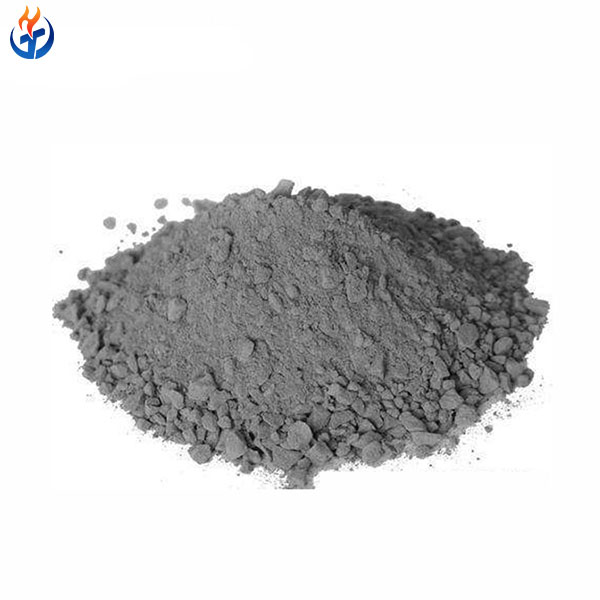
Application Areas of Refractory Materials in Cement Production
Cement production involves several critical zones, each with distinct temperature, chemical, and mechanical requirements. Refractory materials must be chosen based on the specific operating conditions of each zone.
Preheaters and Decomposition Furnaces
The preheater system typically operates at temperatures ranging from 350°C to 1,100°C, while the decomposition furnace runs at 850-900°C in a reducing atmosphere. These systems require materials that can resist thermal cycling, alkali corrosion, and mechanical wear from material flow. High-alumina castables and alkali-resistant bricks are commonly used to address these challenges, offering a solution that can withstand the specific thermal and chemical stresses encountered in these zones.
Kiln Inlet and Transition Zones
The kiln inlet zone operates at 1,000-1,200°C and is subject to unique challenges, including clinker buildup, mechanical stress from kiln rotation, and chemical corrosion from incoming materials. Magnesia-alumina spinel materials are widely used in the transition zone and kiln inlet due to their ability to withstand high thermal expansion and thermal mechanical stresses. These materials ensure the integrity of the kiln lining during temperature fluctuations and intense operational conditions.
Burning Zone
The burning zone represents the most extreme operating conditions in the cement kiln. Materials in this area must exhibit high thermal shock resistance, chemical stability, and low thermal conductivity to maintain the stability of the kiln shell. Magnesia-spinel bricks are the primary choice for the burning zone, providing excellent heat resistance and superior performance in high-temperature environments. These bricks help minimize energy loss and protect the kiln from thermal and chemical wear.
Kiln Outlet and Clinker Cooler
The kiln outlet operates at temperatures of 1,100-1,200°C, and the clinker cooler operates from 200°C to 1,200°C. Both areas are subjected to mechanical stress from material flow, thermal shock, and impact from the hot clinker. Refractory materials used in these zones must resist thermal cycling and wear while providing thermal insulation for energy recovery. Advanced castable refractories and heat-resistant plastics are commonly used for these applications.
Key Performance Requirements for Refractory Materials
Refractory materials must meet several critical performance criteria to ensure their effectiveness in cement production. These include:
- Thermal Protection: Refractory materials must provide effective thermal insulation to minimize energy loss and maintain operational efficiency. They must also retain their structural integrity at high temperatures, preventing failure due to thermal shock.
- Chemical Resistance: Refractory materials must be resistant to acidic and alkaline environments, as well as to sulfur and chloride corrosion, which are common in cement production due to the use of alternative fuels.
- Mechanical Performance: Materials must withstand mechanical wear, thermal expansion, and mechanical stresses from the rotation of the kiln and the movement of clinker. High abrasion resistance and structural stability are essential for maintaining the integrity of the kiln lining.
- Thermal Expansion Compatibility: Materials must have thermal expansion characteristics that align with the kiln’s operational requirements, allowing for expansion and contraction without cracking or breaking.
Conclusion: The Future of Refractory Materials in the Cement Industry
The cement industry is undergoing significant changes, driven by environmental concerns and technological advancements. The shift from chromium-based refractories to more sustainable alternatives, such as magnesia-alumina spinel bricks, reflects the industry’s commitment to reducing its environmental impact while maintaining performance excellence. As cement production increases globally, the demand for high-performance refractories will continue to rise.
Innovation in refractory material technology, including the development of chrome-free alternatives, improved coating adhesion, and the integration of advanced manufacturing techniques like 3D printing, is expected to play a crucial role in meeting the challenges of modern cement production. As the industry moves toward more sustainable practices, refractory materials will continue to evolve to meet the demands of high-efficiency, low-carbon cement production.
Looking for a reliable supplier of refractory bricks for cement industry?
Xintai Refractory offers expert-engineered refractory products for every part of your cement production line.
📩 Contact us today to receive customized solutions and a free technical consultation.
With two decades of experience serving cement plants globally, we’re ready to support your thermal performance goals.