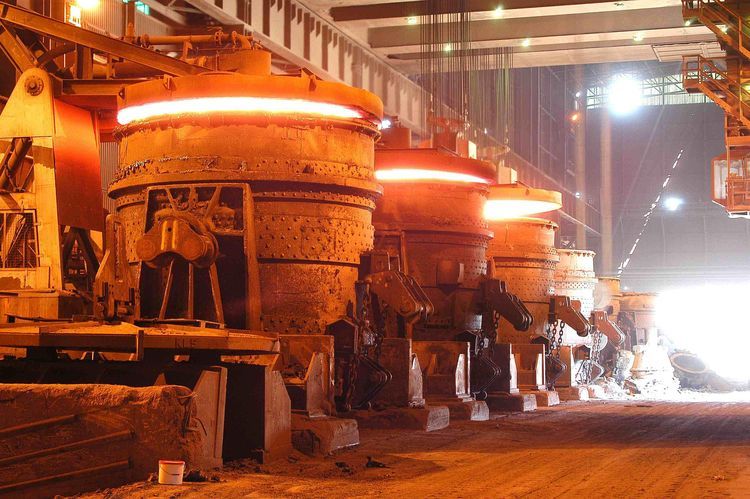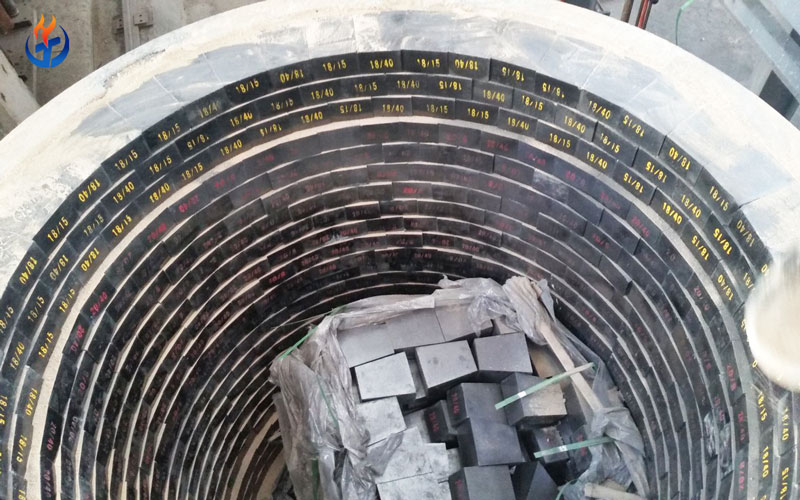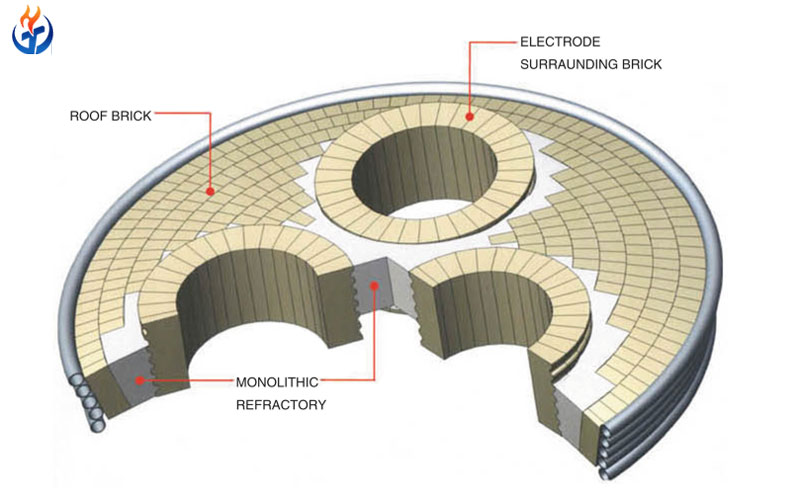
In the glass manufacturing industry, the selection of refractory materials for furnaces plays a crucial role in ensuring the efficiency and longevity of the furnace while maintaining the quality of the glass product. Glass furnaces operate at extremely high temperatures, often exceeding 1600°C, where the molten glass can severely erode the refractory materials used in the furnace lining. To prevent premature failure, the glass furnace refractory materials must be chosen based on their ability to withstand high temperatures, chemical corrosion, thermal shock, and mechanical wear.
In this article, we will explore the different types of refractory materials used in glass furnaces, their specific applications in various parts of the furnace, and the factors to consider when selecting these materials.
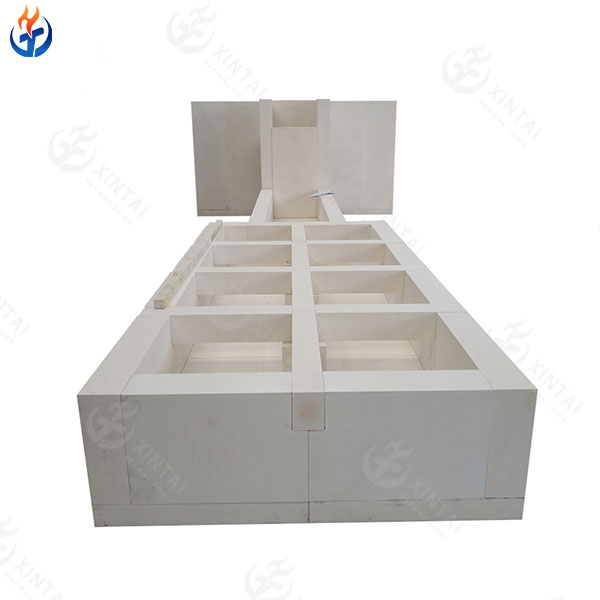
1. Types of Glass Furnace Refractory Materials
Glass furnaces primarily use four categories of refractory materials:
a) Castable Refractory Materials
Castable refractories are often used in critical areas of the furnace where high erosion resistance is required. They are produced by melting raw materials in an electric furnace and casting them into the desired shapes. After cooling, they are mechanically processed. Castable refractories are known for their uniform microstructure, which makes them highly resistant to glass liquid and alkaline vapor corrosion.
b) Sintered Refractory Materials
Sintered materials are widely used in glass furnaces due to their excellent thermal stability and mechanical strength. Common examples include silica bricks, zircon bricks, magnesia bricks, and alumina bricks. These materials are produced by compacting the raw material under high pressure and heating it to a temperature below its melting point to form a solid structure.
c) Monolithic Refractory Materials
Monolithic refractories are non-shaped, and they are used in the form of castable, ramming, or gunning materials. While their usage in glass furnaces is still limited (about 3-4% of the total refractory usage), they play a significant role in the lining of key areas. Their rapid application and ability to eliminate joints make them an excellent choice for certain furnace sections, such as the throat and sidewalls.
d) Insulating Refractory Materials
Insulating refractories are characterized by their low density, low thermal conductivity, and good insulating properties. These materials are used primarily in areas where heat retention is essential, such as furnace roofs, sidewalls, and insulating linings. Examples include lightweight insulating bricks, boards, and castables.
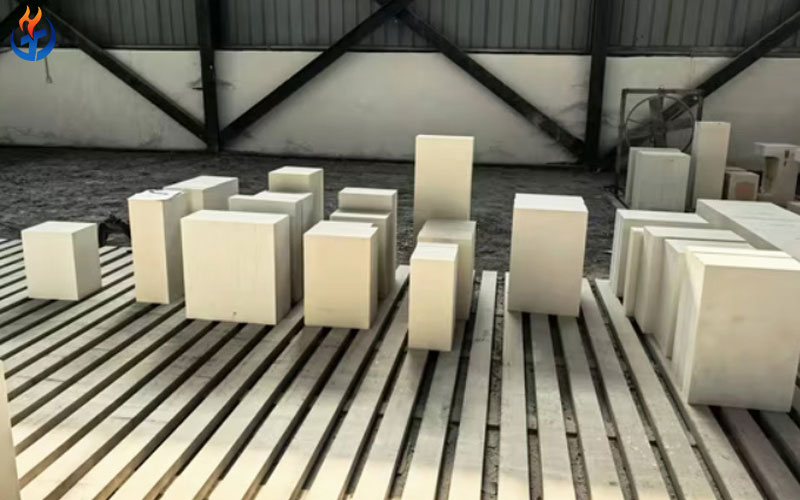
2. Applications of Refractory Materials in Glass Furnaces
Different sections of a glass furnace require different types of refractory materials due to varying levels of heat exposure, mechanical wear, and chemical attack. The following is a breakdown of refractory material usage in various furnace parts:
a) Pool Wall Bricks
The pool wall of a glass furnace, especially for melting soda-lime silica glass, often utilizes electric fusion zirconia-alumina bricks. These bricks are highly resistant to high-temperature glass liquid erosion and alkaline vapor corrosion. For high-silica or boron-containing glasses, acid-resistant materials such as AZS bricks or dense zircon bricks are used. The choice of material depends on the specific glass composition and the erosion resistance required.
b) Furnace Floor Bricks
The furnace floor is subjected to mechanical wear and thermal shock, making it essential to use durable and abrasion-resistant materials. A typical structure includes a multi-layered composite floor, with a base layer of clay bricks, a protective layer of zircon sand or fused alumina, and a wear-resistant top layer. The top layer, often made from fused AZS bricks, offers superior erosion and wear resistance. In applications involving lead-based or other highly corrosive glass types, additional protective layers may be added to prevent leakage.
c) Feeding Pool Bricks
Feeding pools experience significant erosion due to molten glass flow, particle abrasion, and flame exposure. Fused zirconia-alumina bricks with no shrinkage pores (containing up to 41% ZrO2) are commonly used here. The thickness of the bricks is increased, and forced air cooling is often applied to improve the lifespan. For areas where abrasiveness is less severe, sintered AZS bricks or other alumina-based refractories may be used.
d) Glass Flow Hole Bricks
Glass flow holes, through which molten glass is discharged from the furnace, experience the highest erosion due to the fast-moving glass liquid and the high temperature inside the furnace. As a result, the flow hole bricks must be made of durable materials like shrinkage-free AZS 41 bricks. In the case of borosilicate glass production, fused silica bricks may be more suitable.
e) Cooling Pool and Forming Pool Bricks
Once the molten glass has been clarified and is ready for forming, it enters the cooling and forming zones. The temperature here ranges between 1260°C and 1310°C, and the refractory materials used must not cause defects like bubbles, streaks, or stones. AZS 33 bricks produced by the oxidation method are commonly used in cooling pools because they are resistant to glass crystallization and can prevent the formation of bubbles. For forming pools, fused alumina bricks are often chosen for their excellent thermal stability and mechanical strength.
f) Furnace Roof and Crown Bricks
The furnace roof is exposed to the highest temperatures in the furnace and experiences thermal expansion and contraction. It is susceptible to damage from alkaline and sulfur-bearing gases, leading to the formation of honeycomb-like erosion. Materials used for the roof and crown must therefore be highly resistant to chemical attack and have excellent mechanical strength at high temperatures. Commonly used materials include silica bricks, high-quality silica bricks, and fused AZS 33 bricks.
g) Front and Rear Face Walls
The front and rear face walls of the furnace are critical structural components that bear both mechanical and thermal stresses. These areas experience erosion and wear from the melting glass and the interaction with raw materials. Refractories used here must resist erosion, high temperature, and abrasive wear. Fused AZS 33 bricks are often used for these sections, but combinations of high-quality silica bricks and sintered AZS bricks are also used to improve performance. In high-stress areas, such as the front face, additional air cooling is often employed.
3. Key Considerations in Selecting Refractory Materials
When selecting refractory materials for glass furnaces, several factors need to be considered to ensure the furnace’s efficiency and longevity:
a) Temperature Resistance
The refractory materials must be able to withstand the extreme temperatures in different furnace zones, typically between 1260°C and 1600°C, without losing structural integrity. High-quality materials with higher melting points, such as zircon or alumina-based refractories, should be chosen for the most demanding sections.
b) Chemical Resistance
Molten glass is highly corrosive, especially to certain refractory materials. Refractory materials must be resistant to glass liquid and the vapors emitted during melting. The choice of material should also consider the chemical composition of the glass being melted, such as the presence of boron or lead.
c) Erosion Resistance
The primary cause of refractory failure in glass furnaces is erosion caused by molten glass and thermal shock. Refractory materials must be selected for their ability to resist erosion, especially in areas where molten glass is in constant contact with the material, such as the pool wall, floor, and flow holes.
d) Thermal Shock Resistance
Glass furnaces experience rapid temperature changes, particularly during heating and cooling cycles. Refractories must be able to withstand these temperature fluctuations without cracking or breaking. Materials with a low thermal expansion coefficient, such as fused alumina and zirconia, are typically used in areas exposed to thermal shock.
e) Cost-effectiveness
While high-quality refractory materials offer better performance and longer service life, they are also more expensive. An economically balanced approach should be used to select materials that provide the required performance while maintaining cost-efficiency. In many cases, multi-layer systems and composite bricks offer a cost-effective solution.
Conclusion
Selecting the right refractory materials for glass furnaces is critical to ensuring the longevity and efficiency of the furnace while maintaining high-quality glass production. The choice of materials depends on various factors such as temperature resistance, chemical compatibility, erosion resistance, and cost. By understanding the specific needs of different furnace sections and carefully selecting the appropriate refractory materials, glass manufacturers can improve furnace performance and reduce maintenance costs.
As glass production technology continues to advance, the demand for more advanced and durable refractory materials will only increase. The development of new materials with enhanced properties, such as greater resistance to chemical attack and better thermal shock resistance, will be crucial in meeting the ever-increasing demands of the glass industry.