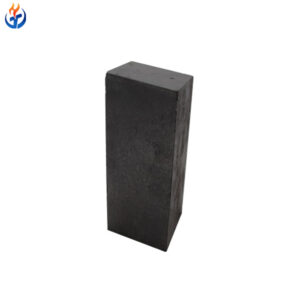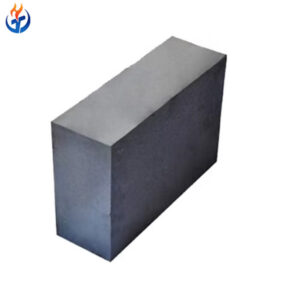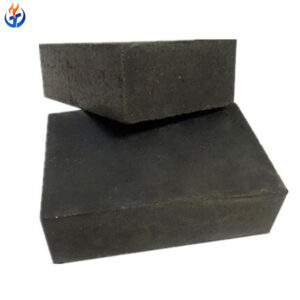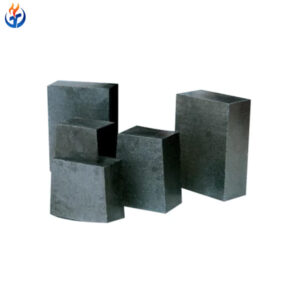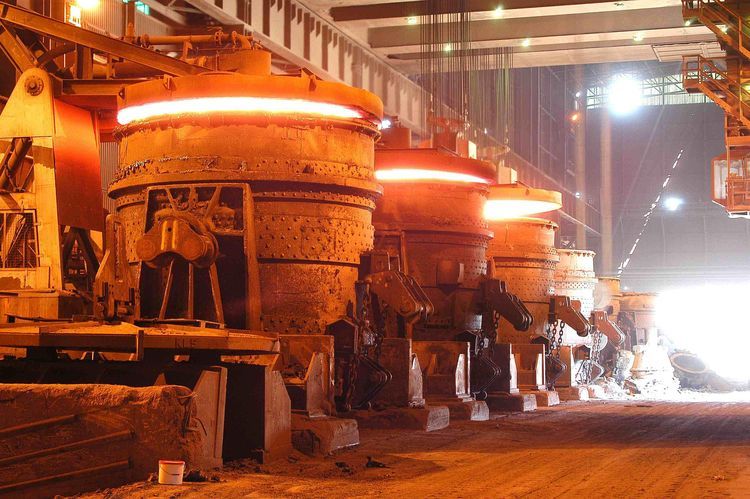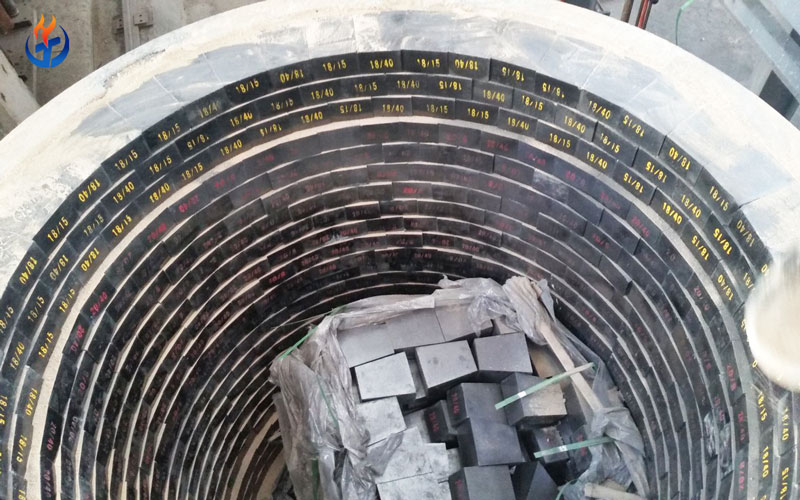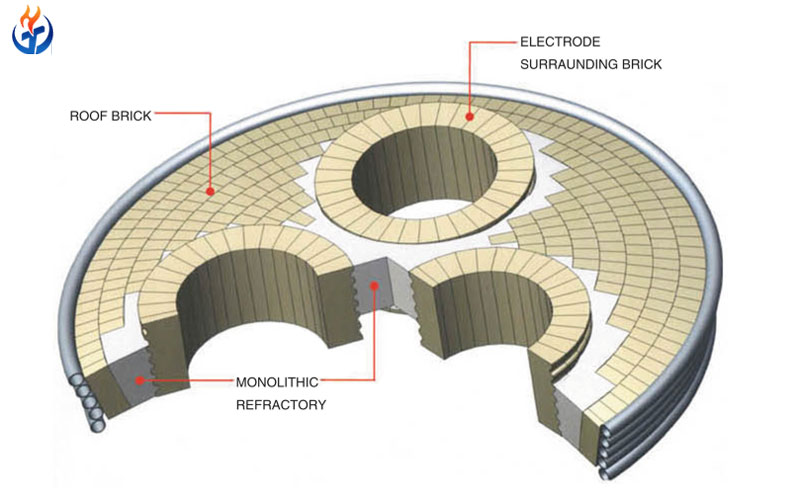
Electric furnaces are critical equipment in steelmaking, where high-temperature processes are involved. One of the most essential components of electric furnaces is the lining material, which includes magnesia carbon bricks. These bricks, also known as MgO-C bricks, are specifically designed to withstand the extreme conditions inside the furnace, including high temperatures and aggressive chemical environments. This article will explore the importance of electric furnace magnesia carbon bricks, their selection process, and the applications that make them a key material in steel production.
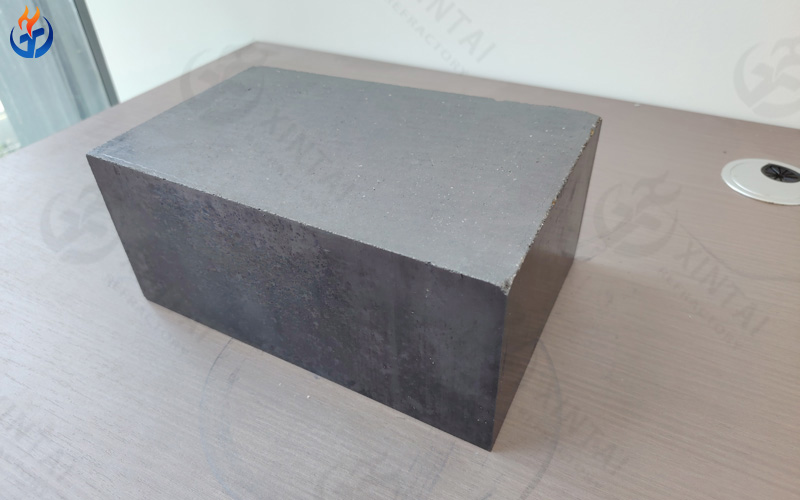
What are Electric Furnace Magnesia Carbon Bricks?
Magnesia carbon bricks are refractory materials made from a combination of magnesia (MgO) and carbon (usually graphite). These bricks are primarily used as the working lining in electric furnaces, especially in steel production, where they directly come into contact with molten steel and slag.
Due to their high melting point, excellent thermal shock resistance, and chemical stability, magnesia carbon bricks are the preferred choice for electric furnaces. They are often used to form the critical lining in the furnace, including the hearth, sidewalls, and other high-stress areas, providing a durable and long-lasting solution for steelmakers.
Key Properties of Magnesia Carbon Bricks
Before selecting magnesia carbon bricks for an electric furnace, it’s essential to understand the key properties that make them suitable for such demanding applications. Some of the most important properties include:
1. High Temperature Strength
Magnesia carbon bricks possess excellent high-temperature strength, allowing them to withstand the extreme conditions inside electric furnaces. The combination of magnesia and carbon ensures that the bricks can handle temperatures well above 1000°C without losing their structural integrity.
2. Slag Resistance
The primary function of magnesia carbon bricks is to resist slag erosion, which is a significant challenge in electric furnaces. The carbon component of these bricks helps to form a protective layer on the brick surface, minimizing slag penetration and improving the overall life of the lining.
3. Thermal Shock Resistance
Magnesia carbon bricks also exhibit impressive thermal shock resistance. This property is crucial because the furnace undergoes frequent temperature fluctuations during operation. The ability of the bricks to handle rapid temperature changes without cracking or spalling is critical to maintaining the furnace’s efficiency.
4. Chemical Stability
In addition to their thermal properties, magnesia carbon bricks offer excellent chemical stability, especially against basic slags and molten steel. This ensures that the bricks will not degrade under the chemical conditions they encounter during the steelmaking process.
5. Long Service Life
Due to their resistance to erosion and thermal shock, magnesia carbon bricks have a long service life, reducing the need for frequent repairs or replacements. This can lead to significant cost savings for steel producers over time.
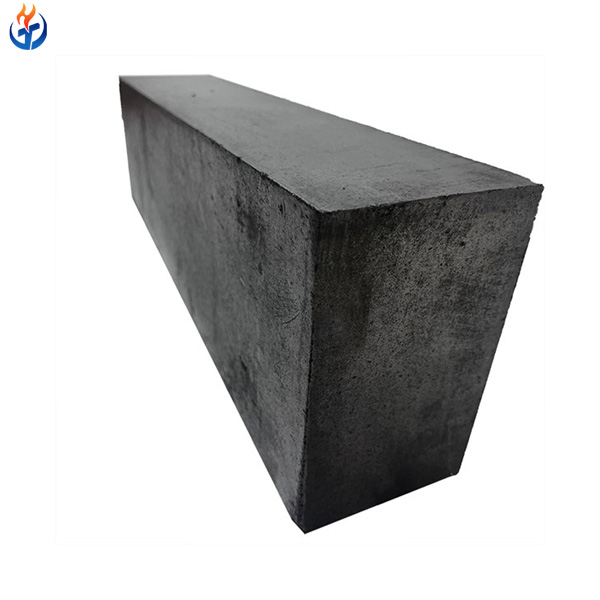
Selection of Magnesia Carbon Bricks for Electric Furnaces
Choosing the right type of magnesia carbon brick for an electric furnace is a crucial decision that will impact the performance and longevity of the furnace lining. The selection process is based on several factors, including the specific requirements of the furnace, the properties of the raw materials, and the operational conditions.
1. Furnace Location
Magnesia carbon bricks can be customized for different locations within the electric furnace, including the hearth, walls, and roof. Each part of the furnace experiences different conditions, so the bricks need to be tailored to meet these requirements. For example, the hearth may require bricks with higher slag resistance, while the sidewalls may need bricks that can handle more thermal cycling.
2. Slag Composition
The composition of the slag produced during steelmaking is another critical factor in selecting magnesia carbon bricks. The bricks must be resistant to the specific types of slag generated in the furnace. High-basicity slag, which is common in steelmaking, can be particularly corrosive, so the bricks must be formulated with sufficient magnesia content to withstand the chemical attack.
3. Operating Temperature
The operating temperature of the furnace plays a significant role in determining the appropriate grade of magnesia carbon brick. Higher operating temperatures require bricks with superior high-temperature strength and resistance to thermal shock.
4. Furnace Operating Cycle
The operating cycle of the electric furnace, including the frequency of temperature fluctuations and the duration of each cycle, also impacts the brick selection. Bricks that will experience rapid temperature changes may require higher thermal shock resistance, while those exposed to steady high temperatures can focus more on slag resistance and strength.
5. Mechanical Properties
Magnesia carbon bricks are often exposed to mechanical stress, such as the impact of molten metal and the wear and tear from the furnace’s operations. Therefore, it’s crucial to consider the mechanical properties, including compressive strength and resistance to erosion, when selecting the bricks.
Applications of Magnesia Carbon Bricks in Electric Furnaces
Magnesia carbon bricks are used in several key areas within the electric furnace. Their specific applications include:
1. Furnace Hearth
The hearth is the lowest part of the electric furnace, where the molten steel accumulates. Magnesia carbon bricks are commonly used in this area because they are resistant to the high temperatures and slag corrosion present at the furnace’s bottom. These bricks ensure that the hearth remains structurally sound and can withstand the intense conditions during operation.
2. Furnace Sidewalls
The sidewalls of the electric furnace are subjected to both thermal and mechanical stresses. Magnesia carbon bricks are ideal for this application due to their high resistance to thermal shock and erosion. The bricks help to maintain the integrity of the furnace walls, preventing damage and ensuring the furnace operates efficiently.
3. Furnace Roof
The roof of the electric furnace is exposed to extreme temperatures and thermal shock. Magnesia carbon bricks, with their excellent thermal shock resistance, are used in the roof to prevent cracking and spalling. The roof lining is critical for maintaining the furnace’s energy efficiency and protecting the structural components.
4. Steelmaking Ladles
In addition to electric furnaces, magnesia carbon bricks are also used in steelmaking ladles, which are large containers used to transport and pour molten steel. These bricks help to protect the ladle from the heat and corrosive slag, ensuring the safe transfer of steel.
Conclusion
Magnesia carbon bricks are an essential material for electric furnaces, providing the strength, durability, and resistance required to handle the extreme conditions of steelmaking. By selecting the right type of magnesia carbon bricks and understanding their applications, steel producers can ensure the efficiency, safety, and longevity of their electric furnaces.
At our company, we manufacture high-quality magnesia carbon bricks with excellent high-temperature strength, slag resistance, and thermal shock stability. We offer custom solutions to meet the specific needs of your electric furnace, ensuring efficient and stable steel production. For more information on our products and how we can help you enhance the performance of your electric furnace, visit our website or contact us directly.