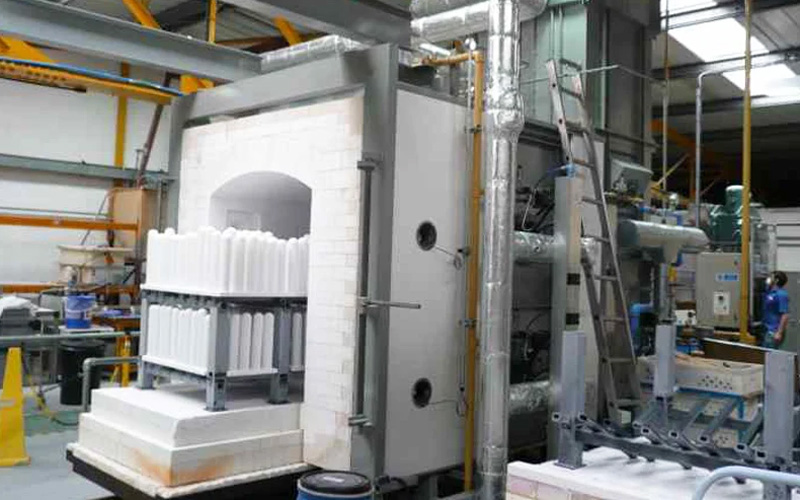
A tunnel kiln is a widely used continuous firing system in the production of refractory bricks and various refractory materials. Its firing speed and temperature control directly affect product quality, energy consumption, and overall production efficiency. In actual manufacturing operations, the firing schedule of a tunnel kiln is not fixed. Instead, it is influenced by several interconnected factors, including raw material properties, product dimensions, kiln structure, fuel characteristics, airflow conditions, and production management. Understanding these factors is essential for optimizing kiln operation and maintaining consistent firing results.
1. Influence of Raw Material Composition and Green Body Properties
The raw material system is one of the fundamental factors affecting tunnel kiln firing speed and temperature. Different raw materials have different mineral compositions, impurity levels, and particle size distributions, which directly influence the physical and chemical reactions that occur during heating.
Raw materials containing relatively high impurity levels or greater amounts of low-melting-point compounds may begin to soften at lower temperatures. These materials may therefore require more careful temperature control to prevent excessive liquid-phase formation, deformation, or overfiring. In contrast, high-purity raw materials with high refractoriness generally require higher firing temperatures and longer holding times to achieve the desired sintering and bonding properties.
The properties of the green body also play an important role. Green body density, moisture content, and forming methods influence heat transfer and the removal of moisture during the initial heating stages. For example, a highly compacted body may require a carefully controlled heating rate to ensure that heat penetrates evenly throughout the product. These characteristics must be considered when establishing the firing schedule of a tunnel kiln.
2. Influence of Product Dimensions and Structural Characteristics
Product dimensions, thickness, and structural complexity are important factors determining the appropriate firing speed of a tunnel kiln.
Large and thick refractory products generally heat up and cool down more slowly than smaller products. Their internal temperatures may lag behind the surface temperature, requiring longer heating periods and sufficient holding time to ensure uniform firing throughout the entire body.
Products with complex geometries, irregular shapes, or varying wall thicknesses also present additional challenges. Differences in heat absorption and thermal expansion can create temperature gradients between different sections of the same product. If the heating rate is too high or the temperature changes too rapidly, thermal stress may cause cracking, deformation, or uneven firing.
Therefore, the firing schedule should be adjusted according to the actual dimensions and structural characteristics of each product. Appropriate temperature increases, holding periods, and cooling rates help maintain dimensional stability and consistent product performance.
3. Influence of Tunnel Kiln Structure and Temperature Zone Design
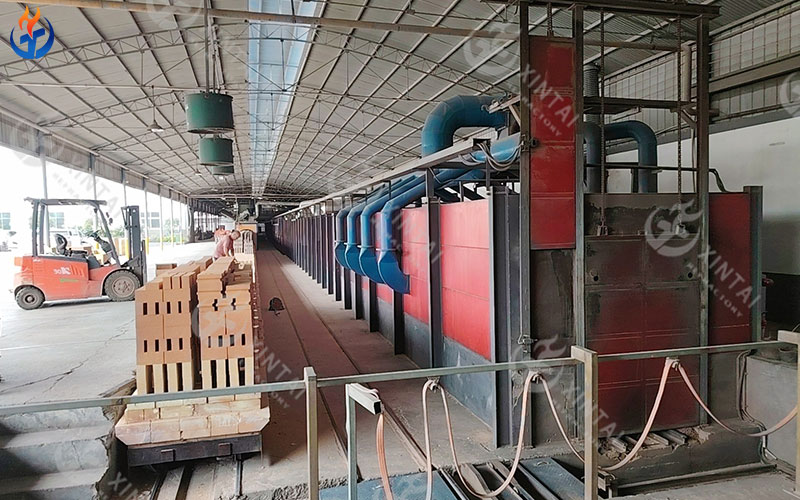
The structural configuration of a tunnel kiln has a direct influence on temperature distribution and firing speed. Important design parameters include kiln length, cross-sectional dimensions, insulation performance, and the arrangement of different temperature zones.
A properly designed temperature zone system allows products to undergo gradual preheating, high-temperature firing, and controlled cooling. The preheating zone gradually raises the temperature of the products and helps remove residual moisture. The firing zone provides the thermal conditions required for the necessary physical and chemical reactions, while the cooling zone allows products to cool down under controlled conditions.
Reasonable temperature zone allocation helps maintain a stable temperature gradient throughout the kiln. If individual zones are too short or temperature transitions are too rapid, products may not receive sufficient time for uniform heating and complete firing reactions. In addition, an unsuitable kiln cross-section or poor insulation may result in temperature fluctuations and unnecessary heat losses.
Consequently, the lengths and operating conditions of the preheating, firing, and cooling zones should be coordinated with the production requirements and characteristics of the materials being processed.
4. Influence of Fuel Type and Combustion System
Fuel selection and combustion system configuration significantly affect tunnel kiln temperature control and thermal efficiency.
Different fuels have different calorific values, combustion characteristics, and operating requirements. These differences influence the amount of heat available for firing, the combustion process, and the overall energy consumption of the kiln.
The arrangement and performance of burners also affect temperature uniformity inside the kiln. Proper burner positioning and flame adjustment help distribute heat more evenly throughout the firing zone. Conversely, an improperly adjusted combustion system may create localized high-temperature or low-temperature areas, resulting in overfired or underfired products.
Stable fuel supply, appropriate air-fuel ratios, and effective combustion control are therefore essential for maintaining the required firing temperature. Regular inspection and adjustment of burners can also help improve combustion efficiency and reduce unnecessary energy consumption.
5. Role of Ventilation and Kiln Atmosphere Control
Airflow organization and kiln atmosphere conditions are also important elements affecting the firing process in a tunnel kiln. They influence heat distribution, combustion efficiency, and the reactions occurring within the products.
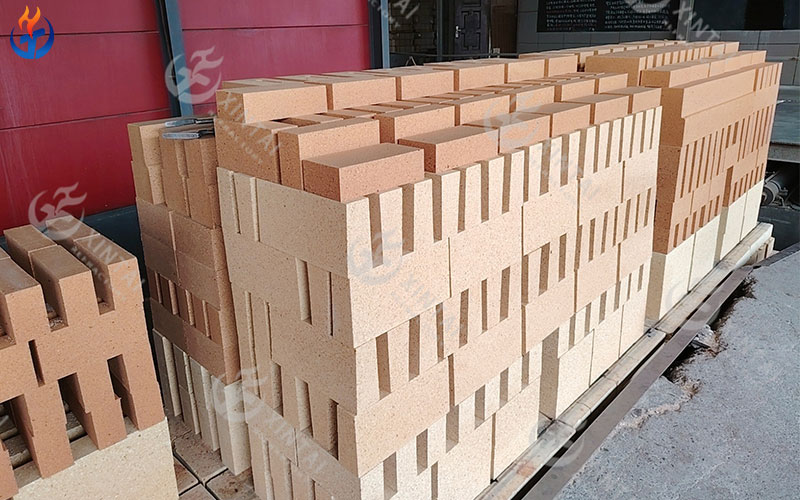
Proper ventilation helps transfer heat throughout the kiln and supports stable temperature distribution. The movement of hot gases between different zones also affects the heating and cooling rates of the products. Poor airflow organization may lead to uneven heating, localized temperature differences, and inefficient energy utilization.
In addition, the kiln atmosphere can influence product color, internal structure, and final physical properties. Depending on the raw material composition and firing requirements, different products may require specific oxidizing or reducing conditions. An unstable atmosphere may affect the expected firing reactions and result in inconsistent product quality.
In actual production, operators need to regulate airflow volume, pressure, and exhaust conditions carefully. Maintaining a stable airflow pattern and suitable kiln atmosphere is essential for achieving reliable firing results.
6. Combined Influence of Operation Management and Process Control
In addition to equipment design and raw material characteristics, operational management plays an important role in determining tunnel kiln performance.
Several operating parameters require continuous monitoring, including the temperature curve, kiln car movement speed, fuel supply, airflow volume, and pressure distribution. The temperature curve must correspond to the thermal requirements of the products, while kiln car speed determines how long products remain in each temperature zone.
If kiln car movement is unstable, the actual firing cycle may deviate from the designed schedule, resulting in inconsistent product quality. Similarly, failure to adjust process parameters in response to changes in raw materials, product specifications, or operating conditions may lead to unnecessary energy consumption and production problems.
Standardized operating procedures, regular equipment inspections, accurate temperature monitoring, and timely process adjustments help maintain stable kiln operation. Accumulated production experience also provides valuable support for optimizing firing parameters.
Conclusion: Comprehensive Control Is Essential for Stable Tunnel Kiln Firing
The firing speed and firing temperature of a tunnel kiln are not determined by a single factor. Instead, they result from the combined influence of raw material properties, product dimensions, kiln structure, fuel and combustion systems, airflow conditions, and operational management.
By systematically evaluating these factors and continuously optimizing the firing schedule, manufacturers can improve temperature uniformity, reduce firing defects, and maintain consistent product quality. The ultimate objective is to achieve a practical balance between product performance, energy consumption, and production capacity while ensuring stable and efficient tunnel kiln operation.