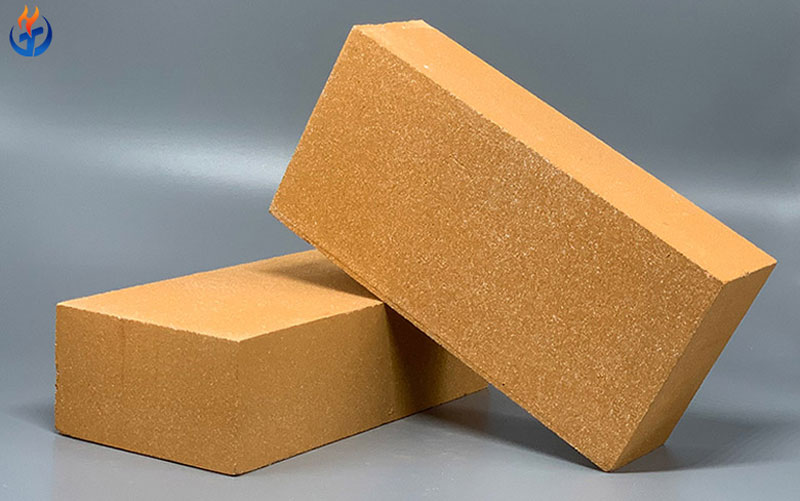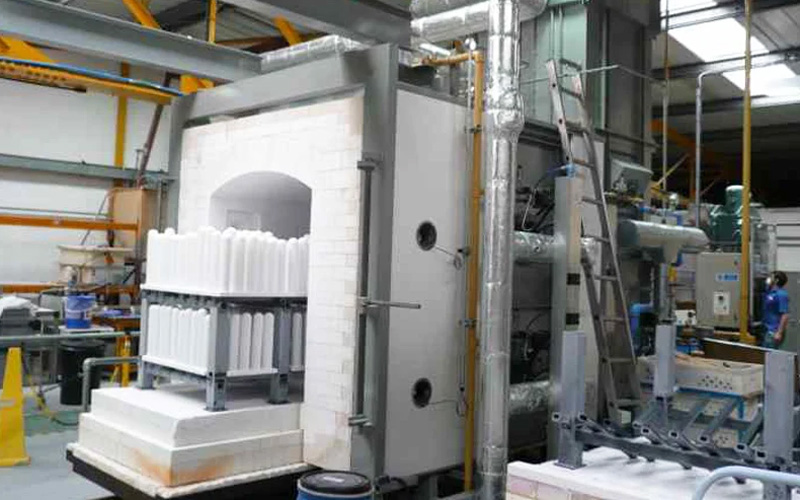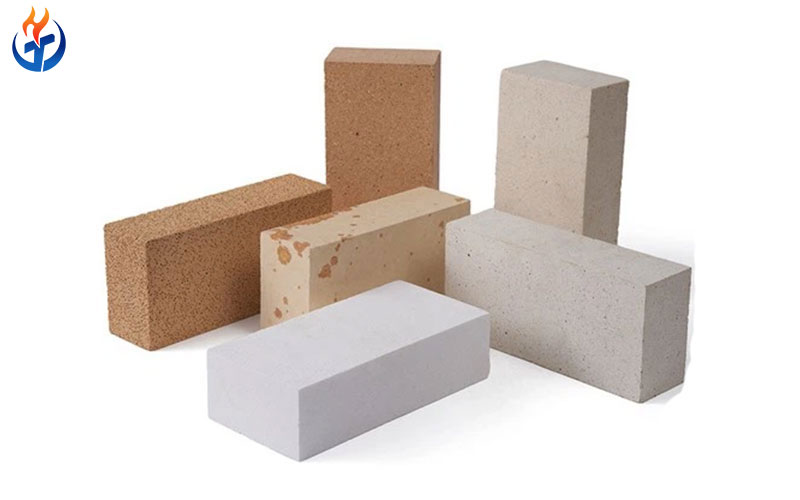
High alumina bricks are widely used refractory materials in industrial furnaces, kilns, and high-temperature processing equipment. Their performance varies depending on the alumina (Al₂O₃) content, which directly influences refractoriness, high-temperature strength, chemical resistance, and suitability for different operating conditions. Selecting the appropriate alumina grade is essential for maintaining furnace lining stability, extending service life, and controlling maintenance costs.
Generally, high alumina bricks can be classified into several grades according to their alumina content, including 48%–55%, 60%–70%, 75%–85%, and 90% or higher. Each grade has different performance characteristics and is suitable for specific furnace environments and installation areas.
Understanding these differences helps refractory engineers and industrial users make more practical material selections.

1. Low Alumina Content High Alumina Bricks (Al₂O₃: Approximately 48%–55%)
Low alumina content high alumina bricks offer a balance between basic refractory performance and material cost. They are commonly selected for industrial furnace areas where operating temperatures are relatively moderate and chemical erosion is not particularly severe.
Although their refractoriness and resistance to aggressive slag environments are generally lower than those of higher-grade products, they can provide sufficient performance in less demanding operating conditions.
Typical Application Scenarios
Medium- and low-temperature industrial furnaces
Auxiliary sections of thermal processing equipment
Furnace areas with relatively stable operating temperatures
Applications where material cost is an important consideration
Common Installation Areas
Upper furnace structures
Non-critical furnace wall sections
Auxiliary lining areas
Sections requiring relatively frequent inspection or maintenance
For these applications, using low alumina content high alumina bricks can help reduce the initial refractory investment without unnecessarily introducing higher-grade materials into areas that do not require them.
2. Medium Alumina Content High Alumina Bricks (Al₂O₃: Approximately 60%–70%)
Medium alumina content high alumina bricks provide a practical balance of refractoriness, mechanical strength, and resistance to chemical attack. They are widely used in industrial furnace linings where operating conditions require more reliable performance than conventional low-grade refractory materials can provide.
Their properties make them suitable for various metallurgical and thermal processing applications, particularly where temperatures fluctuate or furnace operating conditions change periodically.
Typical Application Scenarios
Iron and steel production equipment
Non-ferrous metal smelting furnaces
High-temperature industrial kilns
Heat treatment furnaces
Furnace sections exposed to moderate thermal and chemical stress
Common Installation Areas
Middle sections of furnace walls
Working linings exposed to temperature fluctuations
Areas requiring a combination of structural strength and durability
Sections subject to repeated heating and cooling cycles
Medium alumina bricks are often a practical choice for general industrial furnace construction. They can provide dependable refractory performance while keeping material costs within a reasonable range.
However, the actual selection should also consider furnace atmosphere, slag composition, operating temperature, and the mechanical loads experienced by the lining.
3. High Alumina Content Bricks (Al₂O₃: Approximately 75%–85%)
High alumina bricks containing 75%–85% Al₂O₃ are designed for more demanding high-temperature applications. Their higher alumina content generally contributes to improved refractoriness and resistance to many aggressive operating environments.
These bricks are commonly considered for furnace sections exposed to high thermal loads, chemical erosion, and prolonged continuous operation. Depending on their mineral composition, porosity, and manufacturing process, they can offer different levels of high-temperature performance.
Typical Application Scenarios
Steelmaking furnaces
High-temperature industrial kilns
Metallurgical heating equipment
Furnace sections exposed to slag or other corrosive substances
Industrial equipment requiring longer refractory service intervals
Common Installation Areas
High-temperature working zones
Furnace walls exposed to severe thermal conditions
Areas subject to slag erosion
Critical lining sections operating continuously at elevated temperatures
In these environments, higher-grade high alumina bricks can help improve lining durability and reduce the frequency of refractory replacement.
Nevertheless, high alumina content alone does not guarantee resistance to every type of slag or chemical attack. The compatibility between refractory composition and the actual furnace environment must be evaluated before installation.

4. Ultra-High Alumina Content Refractory Bricks (Al₂O₃: 90% or Higher)
Ultra-high alumina refractory bricks contain at least 90% Al₂O₃ and are generally used in specialized applications requiring high refractoriness, high-temperature stability, and carefully controlled material composition.
Depending on their formulation and production process, these products may contain a high proportion of corundum phases, contributing to their suitability for demanding industrial conditions.
Compared with conventional high alumina bricks, ultra-high alumina products generally involve higher manufacturing costs. Therefore, they are usually selected for specific working zones rather than entire furnace linings.
Typical Application Scenarios
High-temperature laboratory furnaces
Specialized smelting and refining equipment
Advanced thermal processing systems
Applications requiring strict control of refractory impurities
High-temperature environments with demanding structural stability requirements
Common Installation Areas
Extremely high-temperature working layers
Localized reinforcement sections
Critical furnace components
Areas requiring specialized refractory performance and extended service life
For these applications, engineers should evaluate not only alumina content but also impurity levels, thermal expansion, porosity, mechanical strength, and resistance to the actual operating atmosphere.
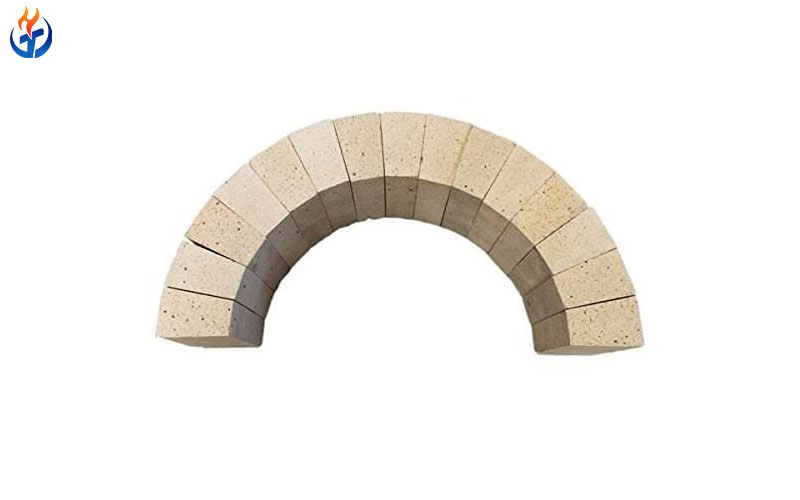
5. How to Select the Right High Alumina Brick for Different Furnace Conditions
Choosing the correct high alumina brick requires more than simply comparing Al₂O₃ percentages. Different furnace sections may experience significantly different temperatures, chemical exposure, and mechanical stresses. A suitable selection should therefore be based on the actual operating environment.
Several important factors should be considered:
Operating Temperature: Higher operating temperatures generally require refractory materials with suitable refractoriness and high-temperature structural stability.
Slag and Chemical Resistance: Furnace areas exposed to molten slag, metal oxides, or corrosive substances require materials compatible with the specific chemical environment.
Thermal Shock Resistance: Sections experiencing frequent heating and cooling cycles need appropriate resistance to rapid temperature changes. Higher alumina content does not automatically mean better thermal shock resistance.
Mechanical Strength: Furnace walls, supporting structures, and working linings may experience different mechanical loads. Cold crushing strength and high-temperature load performance should be evaluated according to installation requirements.
Maintenance and Operating Costs: Higher-grade refractory materials may involve greater initial investment. However, their use in critical areas can potentially reduce maintenance frequency and overall operating costs.
Conclusion
Different alumina contents make high alumina bricks suitable for different industrial furnace applications. Bricks containing 48%–55% Al₂O₃ are generally suitable for less demanding areas, while 60%–70% grades offer balanced performance for general industrial applications. Grades containing 75%–85% Al₂O₃ are commonly considered for high-temperature and more aggressive environments, whereas products with 90% or higher alumina content are intended for specialized high-performance applications.
By matching refractory grades to specific furnace conditions and installation areas, industrial users can improve lining reliability, optimize material consumption, and achieve a better balance between performance and cost.
A well-planned refractory selection strategy is an important foundation for safe, stable, and efficient long-term furnace operation.