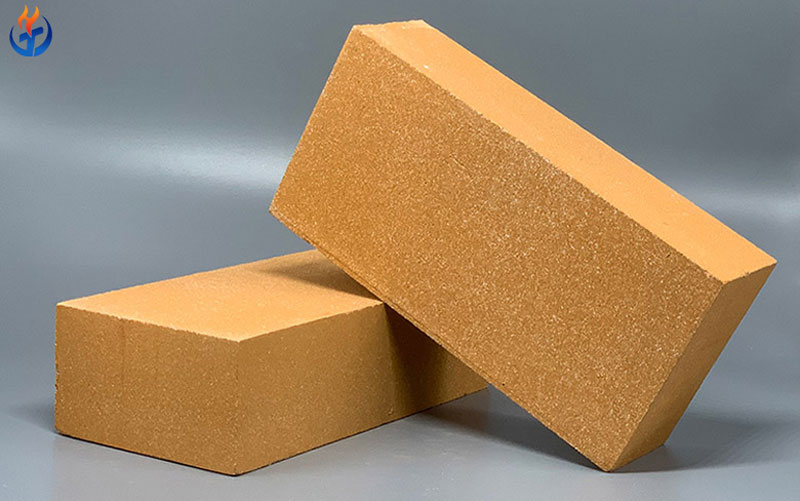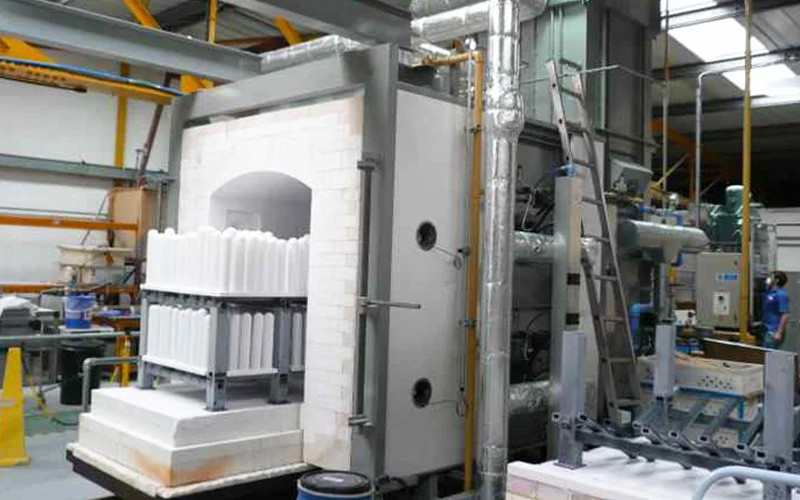
High alumina bricks are one of the most widely used refractory materials in high-temperature industrial environments. Known for their excellent heat resistance, mechanical strength, and chemical stability, these bricks play a crucial role in industries such as iron and steel, cement, glass, ceramics, and non-ferrous metallurgy. As industrial furnaces and kilns continue to operate at increasingly higher temperatures and under harsher conditions, the demand for reliable refractory solutions like high alumina bricks continues to grow.
This article provides a comprehensive overview of what high alumina bricks are, their key features, performance characteristics, and major industrial applications.
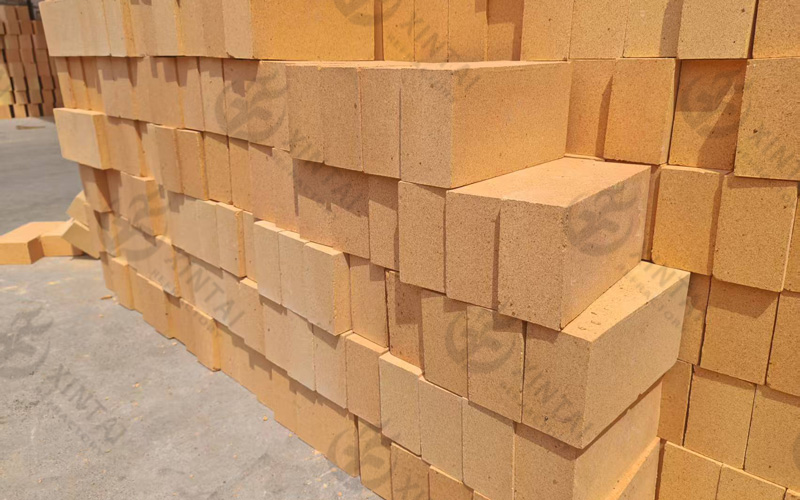
Understanding High Alumina Bricks
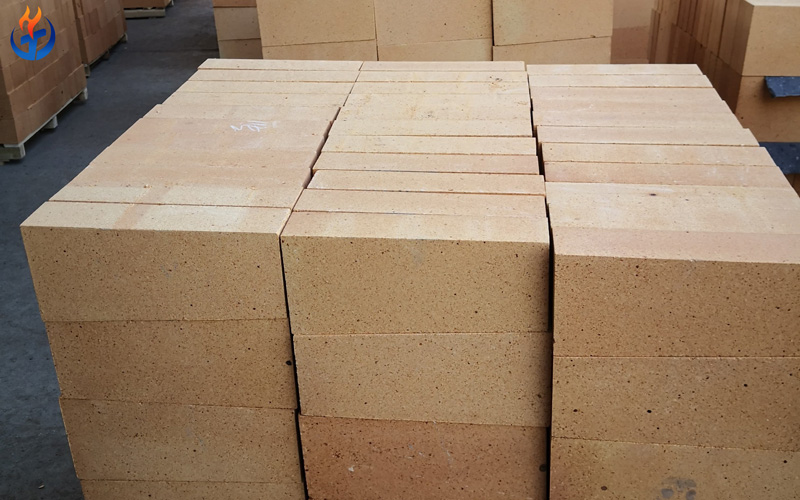
High alumina bricks are a type of shaped refractory product primarily composed of alumina (Al₂O₃) as the main component. Compared with traditional fireclay bricks, high alumina bricks contain a significantly higher percentage of alumina, usually ranging from 48% to over 90%, depending on the grade.
The alumina content is the most critical factor influencing the brick’s refractoriness, thermal stability, slag resistance, and mechanical strength. As the alumina content increases, the brick generally exhibits better high-temperature performance and longer service life under severe operating conditions.
High alumina bricks are manufactured from high-purity bauxite, corundum, or synthetic alumina materials through processes such as crushing, batching, shaping, drying, and high-temperature firing. The final product has a dense microstructure and excellent resistance to thermal, chemical, and mechanical stresses.
Classification of High Alumina Bricks
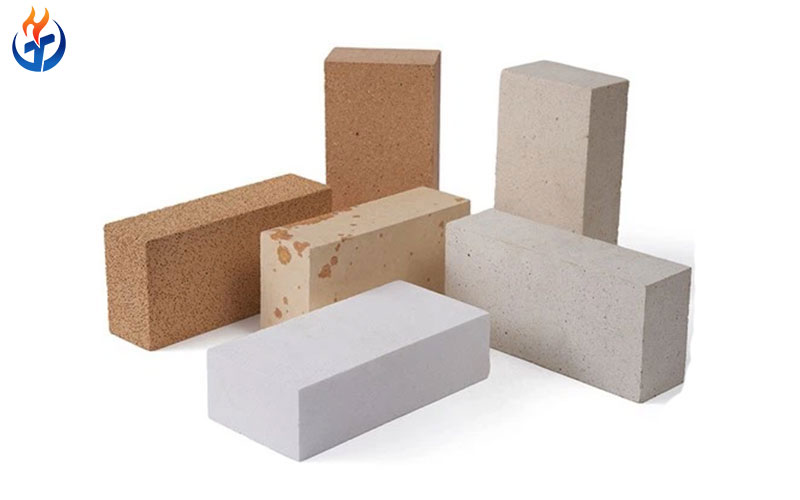
High alumina bricks can be classified based on alumina content and performance characteristics. Common categories include:
Low-grade high alumina bricks: Alumina content around 48%–60%
Medium-grade high alumina bricks: Alumina content around 60%–75%
High-grade high alumina bricks: Alumina content above 75%
Corundum bricks: Alumina content exceeding 90%
Each grade is designed for specific temperature ranges and operating environments, allowing users to select the most cost-effective and technically suitable option.
Key Features of High Alumina Bricks
High alumina bricks offer a wide range of performance advantages that make them suitable for demanding industrial applications.
1. Excellent Refractoriness
One of the most important features of high alumina bricks is their high refractoriness. Depending on alumina content, they can withstand temperatures from 1,600°C to over 1,800°C without deformation. This makes them ideal for high-temperature zones in furnaces and kilns.
2. High Load Softening Temperature
High alumina bricks maintain structural integrity under both high temperature and mechanical load. Their high refractoriness under load (RUL) ensures that furnace linings remain stable even when supporting heavy equipment or materials.
3. Superior Mechanical Strength
These bricks exhibit high cold crushing strength and good abrasion resistance. This feature is especially important in areas exposed to mechanical wear, such as furnace hearths, kiln linings, and charging zones.
4. Good Thermal Shock Resistance
High alumina bricks can tolerate rapid temperature changes without cracking or spalling. This thermal shock resistance is essential in furnaces with frequent heating and cooling cycles.
5. Strong Chemical and Slag Resistance
Due to their high alumina content and dense structure, these bricks show strong resistance to acidic and neutral slags. They perform particularly well in environments exposed to molten metals, clinker, or aggressive furnace atmospheres.
6. Low Porosity and High Density
Low apparent porosity reduces penetration by slag, molten metal, and gases. High density improves overall durability and extends service life, reducing maintenance costs and downtime.
Manufacturing Process of High Alumina Bricks
The production process of high alumina bricks is carefully controlled to ensure consistent quality and performance.
Raw material selection: High-grade bauxite or alumina-based materials are chosen based on chemical composition and purity.
Crushing and grinding: Raw materials are crushed into different particle sizes to optimize packing density.
Batching and mixing: Materials are accurately weighed and mixed to achieve the desired chemical composition.
Shaping: Bricks are formed using pressing or extrusion methods.
Drying: Green bricks are dried to remove free moisture.
High-temperature firing: Bricks are fired in tunnel kilns or shuttle kilns at temperatures exceeding 1,400°C to achieve final strength and stability.
Applications of High Alumina Bricks
Thanks to their outstanding performance, high alumina bricks are widely used across many industrial sectors.
1. Iron and Steel Industry
In the iron and steel industry, high alumina bricks are used in:
Blast furnace linings
Hot blast stoves
Ladles and tundishes
Reheating furnaces
Their ability to resist high temperatures, slag corrosion, and mechanical impact makes them essential in steelmaking operations.
2. Cement Industry
High alumina bricks are commonly applied in cement rotary kilns and related equipment, including:
Kiln burning zones
Transition zones
Preheater and cooler systems
Their resistance to alkali attack and clinker abrasion ensures long service life in harsh cement production environments.
3. Glass Industry
In glass furnaces, high alumina bricks are used in:
Furnace crowns
Regenerators
Working ends
They provide excellent resistance to glass melt corrosion and maintain dimensional stability under prolonged high-temperature exposure.
4. Ceramic Industry
High alumina bricks are used in ceramic kilns, shuttle kilns, and tunnel kilns. Their clean chemical composition and thermal stability help ensure consistent firing quality and product uniformity.
5. Non-Ferrous Metal Industry
Industries processing aluminum, copper, and other non-ferrous metals rely on high alumina bricks for:
Smelting furnaces
Holding furnaces
Refining furnaces
Their resistance to molten metal penetration and chemical corrosion is particularly valuable in these applications.
6. Chemical and Petrochemical Industry
High alumina bricks are used in:
Gasifiers
Incinerators
Reformers
Reactors
They perform well in environments with corrosive gases and high operating temperatures.
Advantages Compared with Other Refractory Bricks
When compared with traditional fireclay bricks, high alumina bricks offer:
Higher operating temperature limits
Better resistance to slag and chemical attack
Longer service life
Improved mechanical strength
Compared with silica bricks, high alumina bricks offer greater versatility and better performance under fluctuating temperatures.
Factors to Consider When Choosing High Alumina Bricks
Selecting the right high alumina brick requires careful consideration of several factors:
Operating temperature
Furnace atmosphere
Type of slag or molten material
Mechanical load conditions
Thermal cycling frequency
Budget and lifecycle cost
Matching the brick grade to the actual service conditions is essential to achieving optimal performance and cost efficiency.
Conclusion
High alumina bricks are a critical component in modern high-temperature industrial processes. With their excellent refractoriness, mechanical strength, thermal shock resistance, and chemical stability, they provide reliable performance in some of the most demanding environments across multiple industries.
From steelmaking and cement production to glass manufacturing and chemical processing, high alumina bricks continue to prove their value as a durable, high-performance refractory solution. By selecting the appropriate grade and ensuring proper installation and maintenance, industries can significantly improve furnace efficiency, extend service life, and reduce overall operating costs.
As industrial technologies evolve and operating conditions become more extreme, high alumina bricks will remain an essential material supporting safe, efficient, and sustainable high-temperature operations worldwide. Looking for high alumina bricks manufacturer for your project? Welcome to contact Xintai Refractory!