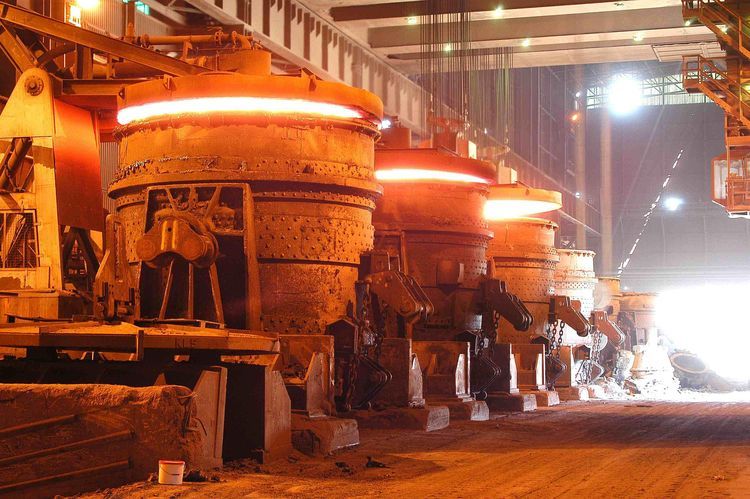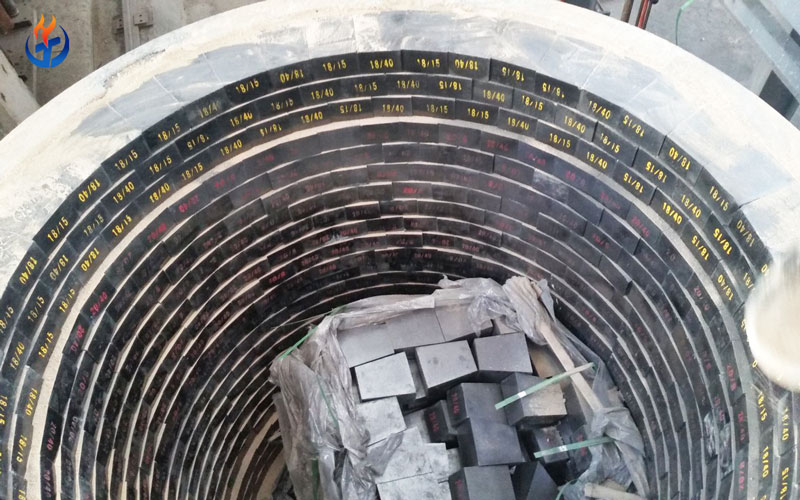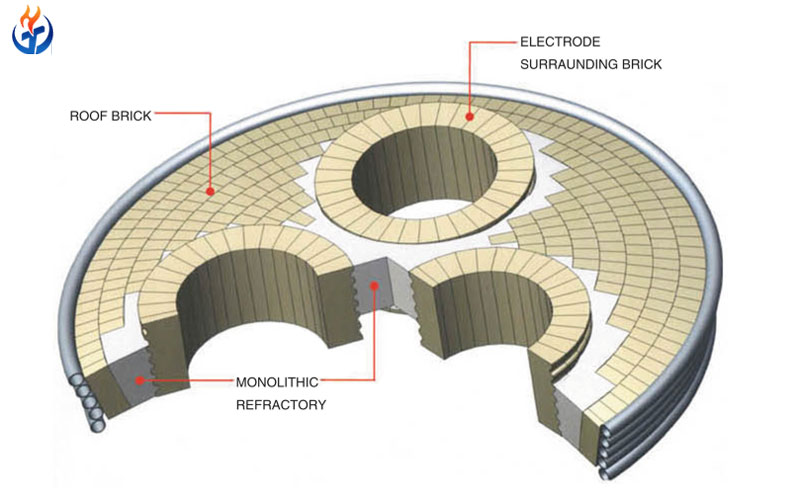
The lining of glass kilns is subject to harsh conditions, including extreme temperatures, chemical erosion, and mechanical wear. As a result, the choice of refractory materials is crucial to the furnace’s longevity and efficiency. The refractory materials used in glass kilns must endure not only high temperatures but also the corrosive effects of molten glass, which can lead to rapid degradation of the kiln lining if not properly selected. In this blog post, we will explore the different types of refractory bricks used for the lining of glass kilns, focusing on their materials, properties, and applications.
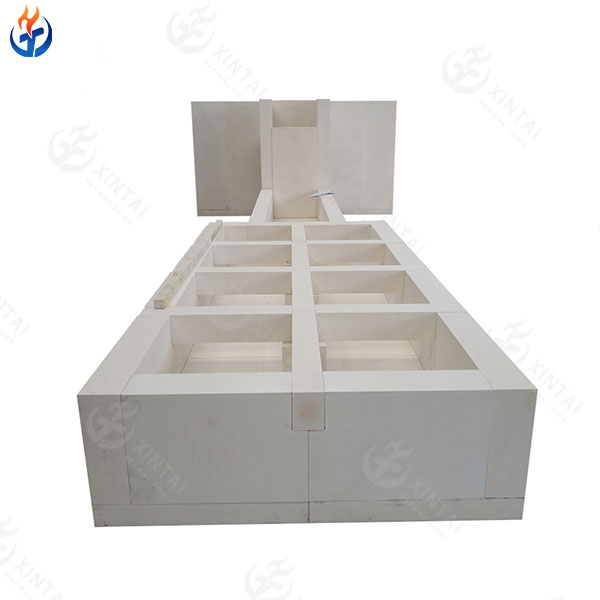
Key Refractory Materials for Glass Kiln Lining
Fused Cast AZS Bricks
One of the most common and highly regarded refractories for glass kilns is fused cast AZS (Alumina-Zirconia-Silica) bricks. These azs bricks are made by fusing a mixture of alumina, zirconia, and silica, which creates a high-density material with superior resistance to erosion and thermal shock. Fused cast AZS bricks are often used in the high-temperature areas of glass kilns, such as the melting zone and the working layer of the furnace wall.
Properties of Fused Cast AZS Bricks:
- High melting point
- Excellent thermal shock resistance
- Exceptional corrosion resistance to molten glass
- High mechanical strength
Applications:
- Used in glass melting tanks, particularly in the contact zone with molten glass, as they can withstand the abrasive and corrosive nature of the glass.
Zirconium Corundum Bricks
Zirconium corundum bricks are another highly effective choice for the linings of glass kilns. These bricks are made by combining zirconium oxide with corundum (aluminum oxide), which results in a material that boasts an excellent combination of strength, hardness, and high temperature resistance. The bricks can resist both thermal shock and the chemical attack from molten glass.
Properties of Zirconium Corundum Bricks:
- Extremely high melting point (above 2,000°C)
- Excellent resistance to corrosion from molten glass and slag
- High mechanical strength and wear resistance
- Good thermal shock resistance
Applications:
- Zirconium corundum bricks are often used in areas where direct contact with molten glass occurs, such as in the pool and working layers of the glass kiln.
High Alumina Bricks
High alumina bricks are frequently used in the middle and lower walls of glass kilns. Made primarily from bauxite, these bricks offer excellent thermal stability and resistance to high temperatures. High alumina bricks are also resistant to chemical corrosion, making them ideal for use in the regenerator areas of the kiln, where heat is stored and transferred.
Properties of High Alumina Bricks:
- High alumina content (typically 60% or more)
- Good thermal shock resistance
- Strong resistance to acidic slag and molten glass
- High mechanical strength
Applications:
- Used in the supporting strings of glass kilns and the regenerator area to enhance structural integrity and thermal management.
Silica Bricks
Silica bricks, which are made primarily from silicon dioxide, are known for their exceptional resistance to acid slags and molten glass. These bricks are used in regions of the kiln that are exposed to intense thermal and chemical stresses. Silica bricks are particularly effective in maintaining the structural strength and airtightness of the kiln, especially when exposed to temperatures exceeding 1450°C.
Properties of Silica Bricks:
- Excellent resistance to acidic corrosion
- High melting point (approximately 1720°C)
- Superior thermal insulation
- Good compressive strength
Applications:
- Commonly used in the breast wall, top of the regenerator string, and the large string area of the kiln where high temperatures and acidic slags are prevalent.
Zircon Bricks
Zircon bricks are specifically designed to withstand the extreme conditions found in glass melting furnaces. The high density of zircon bricks provides superior resistance to thermal shock and erosion, especially when exposed to molten glass. The melting point of zircon bricks is around 2550°C, making them ideal for the highest temperature zones of the glass furnace.
Properties of Zircon Bricks:
- Extremely high melting point (up to 2550°C)
- Excellent resistance to molten glass corrosion
- Good resistance to thermal shock
- High density and low porosity
Applications:
- Typically used in the melting zone of the glass furnace and for the sealing layer at the bottom of the arch-foot pool.
Checker Bricks
Checker bricks are used in the regenerator and heat storage chambers of glass kilns. These bricks are designed to store and recover heat efficiently, helping to reduce energy consumption and maintain consistent temperatures within the kiln. Checker bricks are often made from materials such as magnesia, alumina, or a combination of both, depending on the temperature and chemical conditions of the kiln.
Properties of Checker Bricks:
- Good heat storage capacity
- High resistance to thermal cycling
- Suitable for use in the regenerator area of glass kilns
Applications:
- Primarily used in the regenerator areas where heat recovery is crucial for maintaining efficient kiln operation.
Thermal Insulation Bricks
Thermal insulation bricks are an essential component in the construction of glass kilns, as they help maintain the required high temperatures within the furnace while minimizing heat loss. These bricks are typically made from materials such as diatomite, clay, or siliceous materials, which offer excellent insulation properties.
Properties of Thermal Insulation Bricks:
- Low thermal conductivity
- Good heat retention properties
- Lightweight for easy handling and installation
Applications:
- Used for the outer walls and non-contact areas of the glass kiln to ensure heat efficiency and reduce energy costs.
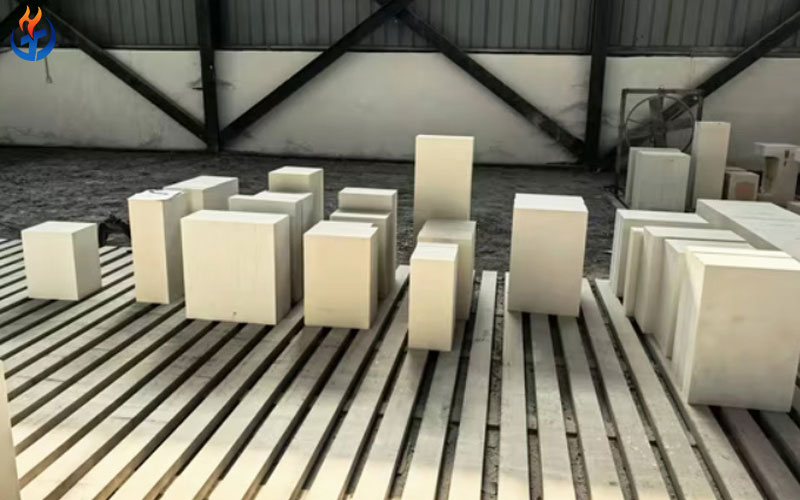
Specialized Refractory Bricks for Glass Kiln Applications
The selection of refractory bricks for a glass kiln depends not only on the temperature requirements but also on the specific area of the kiln they will be used in. For example:
- For the Melting Zone: Fused cast AZS bricks, zirconium corundum bricks, and zircon bricks are ideal due to their high resistance to thermal shock, corrosion, and high temperatures.
- For the Regenerator: High alumina bricks and checker bricks are commonly used for their heat storage properties.
- For the Outer Walls: Thermal insulation bricks, such as clay thermal insulation bricks and diatomite bricks, are essential for maintaining energy efficiency.
Conclusion
The lining of glass kilns requires a variety of high-performance refractory materials to withstand the extreme conditions encountered in these high-temperature environments. From fused cast AZS and zirconium corundum bricks to high alumina and silica bricks, each type of refractory material is designed to meet specific needs within the glass furnace. The key factors to consider when selecting refractory bricks include their resistance to thermal shock, corrosion, and their ability to withstand the high temperatures associated with glass melting and formation.
If you’re in need of high-quality refractory bricks for your glass kiln, it’s important to contact a reputable manufacturer to get a customized solution based on your specific production needs. With the right materials, you can ensure the longevity and efficiency of your glass kiln, helping you produce high-quality glass products for years to come.
Feel free to reach out to leading refractory manufacturers for quotes and further information on the best materials for your glass kiln linings.