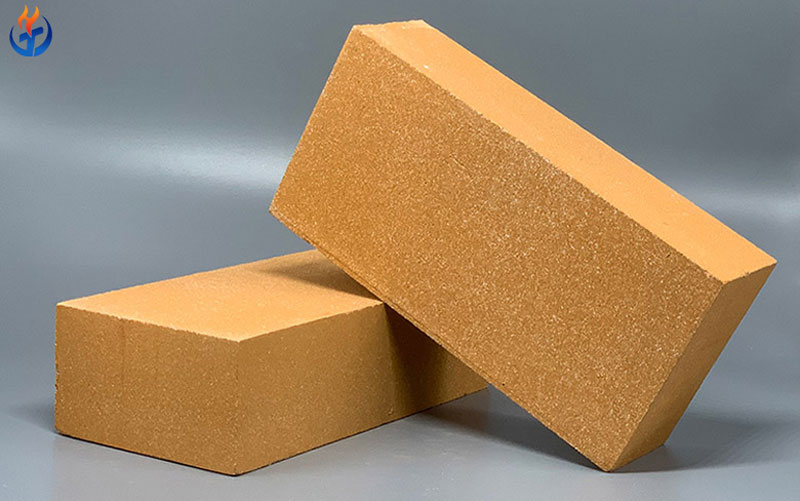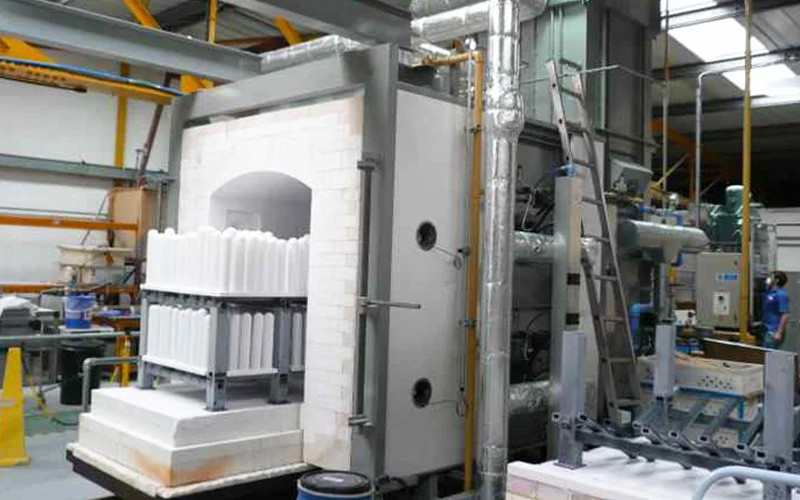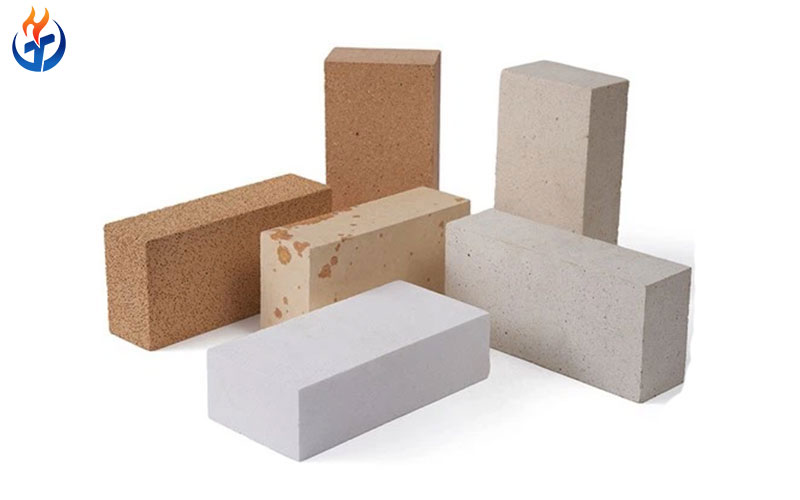
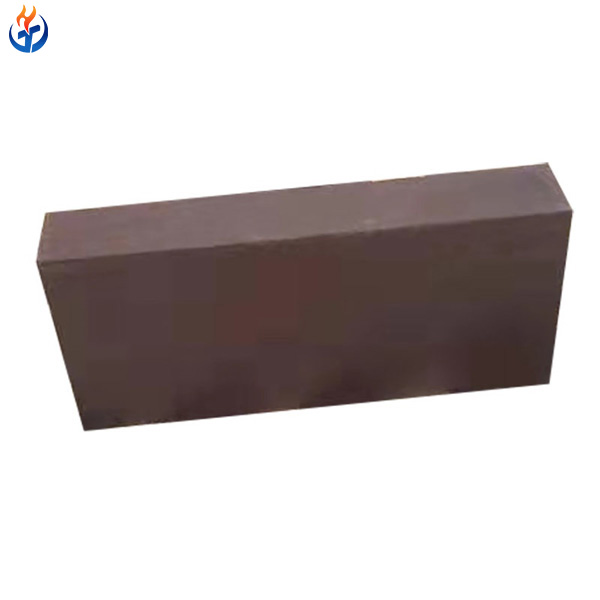
Magnesia chrome bricks are high-performance refractory materials widely used in various industrial applications due to their exceptional properties. Composed primarily of magnesia (MgO) and chromic oxide (Cr2O3), these bricks combine the superior characteristics of both minerals to offer high resistance to temperature, wear, and chemical attack. Their unique properties make them essential components in the construction of furnaces, kilns, and other high-temperature processing equipment, particularly in industries such as steel production, non-ferrous metal refining, and cement manufacturing.
In this article, we will explore the key properties of magnesia chrome bricks, their applications, and why they are favored in such demanding environments.
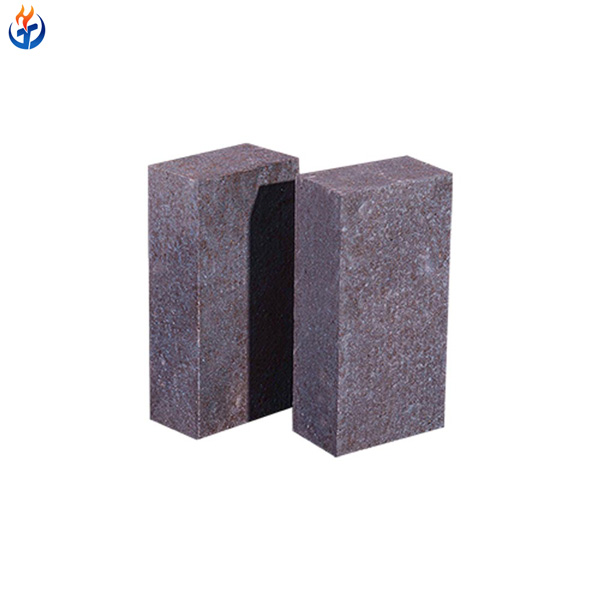
Composition and Structure of Magnesia Chrome Bricks
Magnesia chrome bricks are manufactured by combining high-quality magnesia and chromic oxide. The magnesia component provides high melting point, excellent thermal stability, and resistance to chemical attack, while the chrome oxide enhances the material’s ability to withstand thermal cycling, oxidation, and mechanical wear. The proportion of magnesia to chromic oxide can vary, but typically, magnesia makes up 60-80% of the material, with chromium oxide accounting for the rest.
The final structure of the bricks consists of a solid matrix that ensures uniform distribution of both oxides, offering both strength and thermal resistance. This combination allows magnesia chrome bricks to exhibit superior performance in high-temperature environments.
High Thermal Resistance
One of the most critical properties of magnesia chrome bricks is their exceptional thermal resistance. The high melting point of magnesia (approximately 2800°C or 5072°F) and chrome oxide (approximately 2400°C or 4352°F) make these bricks ideal for use in environments that experience extreme heat.
Magnesia chrome bricks maintain their structural integrity even under prolonged exposure to high temperatures, making them an excellent choice for lining the interiors of furnaces, kilns, and other high-temperature processing equipment. Their ability to withstand rapid temperature fluctuations without degrading is another reason they are widely used in steel manufacturing, where temperatures can vary drastically.
Outstanding Resistance to Thermal Shock
Thermal shock resistance is the ability of a material to withstand sudden and extreme changes in temperature without cracking or breaking. Magnesia chrome bricks excel in this area due to their composition. The combination of magnesia and chrome oxide creates a material that can expand and contract under temperature changes without suffering from catastrophic failure.
This is particularly important in environments where rapid heating and cooling cycles are common, such as in electric arc furnaces or rotary kilns. The ability to withstand thermal shock reduces maintenance costs and extends the lifespan of the refractory lining, providing a more durable solution for high-temperature applications.
Excellent Resistance to Chemical Attack
Magnesia chrome bricks also offer excellent resistance to a wide range of chemical attacks. The magnesia component imparts resistance to alkaline substances, while the chromic oxide component provides resistance to acidic slags and molten metals.
In the steel industry, for example, these bricks are frequently exposed to molten iron, slag, and other corrosive materials. The high resistance to chemical corrosion ensures that the bricks remain intact even under harsh conditions, maintaining their structural integrity and performance over time.
The ability to withstand these corrosive environments makes magnesia chrome bricks a reliable choice for the lining of steelmaking furnaces, converters, and ladles, where chemical interactions between molten metal and refractory materials are inevitable.
Mechanical Strength and Durability
The mechanical strength of magnesia chrome bricks is another critical property that contributes to their long service life in high-stress environments. The combination of magnesia and chromic oxide results in a material that is not only strong at high temperatures but also resistant to mechanical wear and erosion.
These bricks are used in applications where the refractory material is subject to heavy loads, such as in cement kilns or glass furnaces. The high compressive strength of magnesia chrome bricks ensures they can bear significant mechanical stress without deformation or cracking.
Furthermore, the durability of these bricks is enhanced by their ability to resist abrasion and erosion. In high-wear areas such as the lining of blast furnaces or rotary kilns, magnesia chrome bricks continue to perform reliably, providing consistent protection over extended periods.
High-Temperature Stability and Dimensional Stability
Magnesia chrome bricks maintain their dimensional stability even at extremely high temperatures. This is crucial in industrial applications where precise thermal management and structural integrity are needed. The bricks retain their shape and size even when subjected to thermal stresses, which ensures consistent performance and prevents the formation of gaps in the refractory lining.
Additionally, the stability of magnesia chrome bricks under high-temperature conditions contributes to their long-lasting performance. This property is particularly important for the continuous operation of furnaces and kilns, where frequent shutdowns for maintenance are costly and inefficient.
Good Resistance to Oxidation
Magnesia chrome bricks also exhibit good resistance to oxidation, which is important in environments with high oxygen content, such as in oxygen steelmaking processes. The chromium oxide content in the bricks helps protect the material from oxidative degradation, ensuring that the bricks maintain their strength and thermal properties even in oxygen-rich environments.
This oxidation resistance is one of the reasons magnesia chrome bricks are favored for lining oxygen steelmaking converters, where the material is exposed to high levels of oxygen and temperature fluctuations.
Conclusion
Magnesia chrome bricks are among the most advanced and durable refractory materials available today, offering exceptional thermal, mechanical, and chemical resistance. Their combination of high thermal conductivity, excellent thermal shock resistance, and resistance to chemical attack makes them indispensable in industries requiring high-performance materials for extreme conditions.
While they come with some environmental and cost-related challenges, their advantages in high-temperature applications far outweigh these concerns. As the demand for more efficient and sustainable manufacturing processes continues to rise, magnesia chrome bricks will remain a critical component in the design and construction of high-temperature industrial equipment.
By understanding the key properties of magnesia chrome bricks, manufacturers can make more informed decisions when selecting materials for their operations, ensuring the longevity and efficiency of their high-temperature processing equipment.