Circulating Fluidized Bed (CFB) boilers are widely used in power generation, industrial heating, and waste-to-energy applications due to their high combustion efficiency, fuel flexibility, and low emissions. However, the unique operating conditions of CFB boilers—such as high solid particle circulation, strong mechanical abrasion, frequent temperature fluctuations, and complex chemical atmospheres—place extremely demanding requirements on refractory lining materials. Among all lining components, wear-resistant refractory materials for CFB boilers play a decisive role in determining boiler reliability, service life, and maintenance costs.
This article provides a comprehensive overview of wear-resistant refractory materials used in CFB boilers in China, their functional classifications, commonly used material types, performance characteristics, advantages, limitations, and typical application scenarios. By understanding these materials in depth, boiler designers, plant operators, and refractory buyers can make more informed choices and optimize overall boiler performance.
1. Working Environment and Wear Mechanism in CFB Boilers
Before discussing specific materials, it is essential to understand why CFB boilers are particularly harsh on refractories.
1.1 High-Speed Particle Erosion
CFB boilers rely on a large amount of solid particles (bed material, fuel ash, limestone, etc.) circulating at high velocity. These particles continuously impact the furnace walls, cyclone separators, return ducts, and other components, causing severe mechanical wear.
1.2 Moderate but Fluctuating Operating Temperature
Typical operating temperatures of CFB boilers range from 850–900°C, which is lower than that of pulverized coal boilers. However, frequent start-stop cycles and load changes lead to rapid temperature fluctuations, placing high demands on thermal shock resistance.
1.3 Complex Chemical Atmosphere
The combustion environment includes oxidizing, reducing, and locally corrosive atmospheres, especially due to sulfur, alkali metals, and chlorine compounds. This can cause chemical erosion of refractory linings.
1.4 Mechanical Stress and Structural Load
Pressure fluctuations, vibration, and expansion/contraction during operation impose additional mechanical stress on refractory linings, increasing the risk of cracking or spalling.
Because of these factors, wear-resistant refractory materials for CFB boilers must balance abrasion resistance, thermal stability, chemical resistance, and mechanical strength.
2. Functional Classification of Wear-Resistant Refractory Materials for CFB Boilers
At present, wear-resistant refractory materials used in CFB boilers in China can be divided into three major categories according to their functions:
2.1 Wear-Resistant Refractory Materials
This category includes:
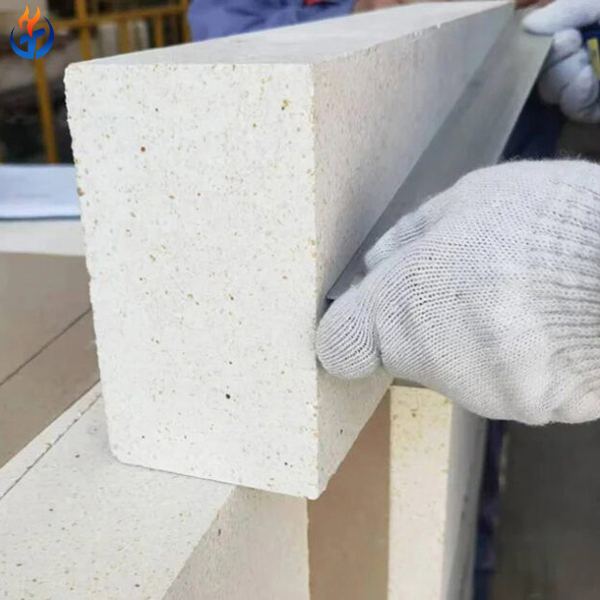
Wear-resistant refractory bricks
Wear-resistant castables
Wear-resistant plastics
Wear-resistant refractory mortars
These materials are mainly used in high-abrasion areas such as furnace walls, cyclones, and return ducts.
2.2 Conventional Refractory Materials
This group includes:
Refractory bricks
Refractory castables
Refractory mortars
They are typically applied in areas where abrasion is moderate but high refractoriness and thermal stability are required.
2.3 Refractory Insulation Materials
This category includes:
Insulating refractory bricks
Insulating castables
Insulating mortars
These materials are used to reduce heat loss, improve thermal efficiency, and protect steel structures, often as backup linings behind wear-resistant layers.
3. Commonly Used Wear-Resistant Refractory Materials in CFB Boilers
Based on decades of practical application and technological development, several refractory material types have become mainstream choices for CFB boilers.
3.1 Phosphate Bricks and Phosphate Castables
3.1.1 Characteristics of Phosphate Refractories
Phosphate bricks are chemically bonded, non-fired refractory products. They are usually heat-treated at relatively low temperatures (around 500°C) rather than being sintered at high temperatures. Their typical service temperature range is 1200–1600°C.
In the early design of circulating fluidized bed boilers in China, phosphate bricks and phosphate castables were widely used because of:
Simple production process
Lower manufacturing cost
Good room-temperature strength
3.1.2 Performance in CFB Boilers
Although phosphate refractories can technically withstand higher temperatures, CFB boilers operate at around 850–900°C, which is below the optimal temperature range for these materials. At this temperature:
Physical properties remain unstable
Chemical bonding is not fully strengthened
Wear resistance cannot be fully developed
As a result, phosphate bricks may show premature wear or degradation in long-term service.
3.1.3 Advantages and Limitations
Advantages:
Cost-effective
Easy to install
Widely accepted by manufacturers
Limitations:
Limited wear resistance at CFB operating temperatures
Shorter service life compared with sintered materials
Despite these drawbacks, phosphate materials are still used in cost-sensitive projects due to their acceptable price-performance ratio.
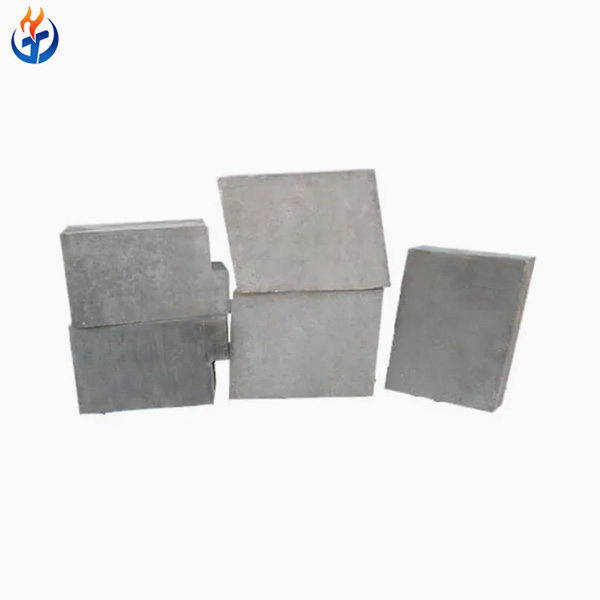
3.2 Sillimanite Bricks and Sillimanite Castables
3.2.1 Material Properties
Sillimanite (Al₂SiO₅) is a high-quality natural mineral that significantly improves refractory performance. When added to refractory materials, it can:
Increase load softening temperature by 100–150°C
Improve structural stability at high temperatures
Enhance wear resistance
Sillimanite bricks are fired at 1450–1600°C, which means they are fully sintered and have stable microstructures.
3.2.2 Application in CFB Boilers
Because the firing temperature of sillimanite bricks matches their phase transformation temperature, the material exhibits excellent stability during operation. This makes sillimanite bricks an ideal wear-resistant refractory material for CFB boilers, especially in:
Furnace walls
High-abrasion zones
Areas with frequent temperature changes
3.2.3 Advantages
High load softening temperature
Good wear resistance
Better thermal shock resistance than corundum
Long service life
Due to these advantages, sillimanite-based refractories are increasingly favored in modern CFB boiler designs.
3.3 Silicon Carbide Bricks and Castables
3.3.1 Key Properties of Silicon Carbide
Silicon carbide (SiC) is known for:
Extremely high hardness
Excellent abrasion resistance
Good thermal shock stability
High thermal conductivity
Under high-temperature and oxygen-free conditions, SiC materials perform exceptionally well.
3.3.2 Limitations in CFB Boilers
During operation, CFB boilers inevitably contain a certain amount of oxidizing atmosphere. Under these conditions:
Silicon carbide gradually oxidizes
A protective glaze layer may form after sintering
Long-term oxidation can reduce material strength
As a result, although silicon carbide refractories offer outstanding wear resistance, their overall performance in CFB boilers is often less satisfactory than expected, especially in areas with higher oxygen exposure.
3.4 Corundum Bricks and Corundum Castables
3.4.1 Types of Corundum Used
The corundum materials commonly used in CFB boilers include:
White corundum
High-alumina corundum (sub-white corundum)
Brown corundum
These materials are characterized by high Al₂O₃ content and excellent refractoriness.
3.4.2 Performance Characteristics
Advantages:
High refractoriness
High bulk density
Good wear resistance
Disadvantages:
Poor thermal shock resistance
High sensitivity to temperature fluctuations
3.4.3 Practical Issues in CFB Boilers
In real operating conditions, corundum castables often suffer from:
Cracking
Spalling
Structural collapse
The main reasons include:
Frequent temperature changes during boiler operation
Insufficient sintering due to relatively low operating temperatures
Increased mechanical pressure and vibration
As a result, although corundum refractories are theoretically excellent, their actual service life in CFB boilers may be shorter than expected.
3.5 High-End Silicon Nitride–Silicon Carbide Products
The most advanced wear-resistant refractory materials for CFB boilers are silicon nitride–bonded silicon carbide products. These materials offer:
Superior abrasion resistance
Excellent thermal shock resistance
Improved oxidation resistance compared with pure SiC
However, their high cost limits widespread application, and they are typically reserved for extremely severe wear zones.
4. Broader Applications of Sillimanite Bricks
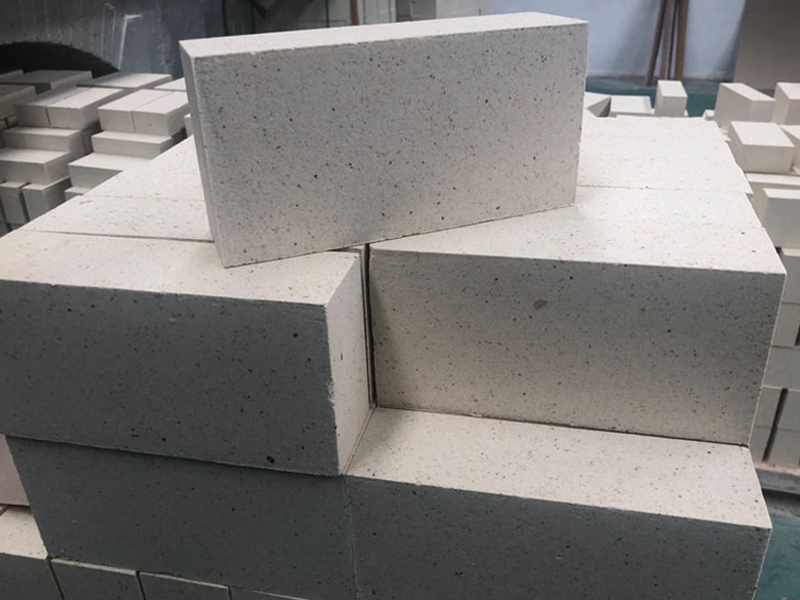
Beyond CFB boilers, sillimanite bricks have proven their value in many high-temperature industrial furnaces.
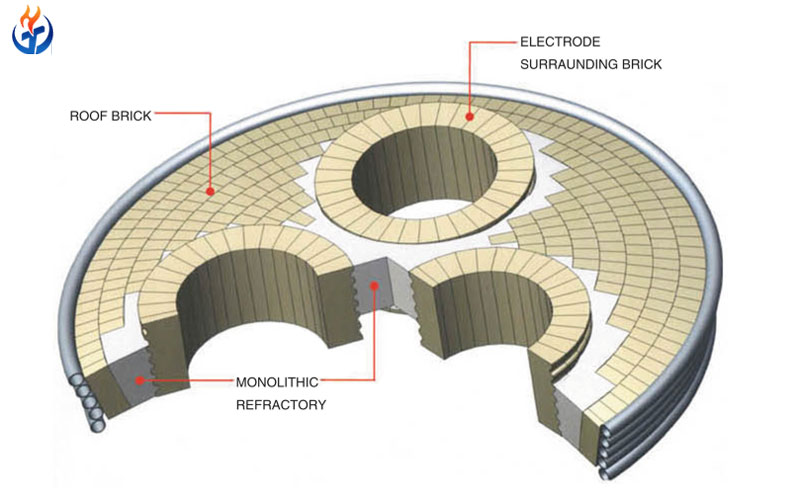
4.1 Electric Furnace Roofs
Sillimanite bricks have been used as roofs of small electric furnaces due to:
Uniform thermal expansion
Low linear expansion coefficient
No need for expansion joints
However, their price—3 to 4 times that of silica bricks—restricts large-scale adoption.
4.2 Hot Blast Stoves in Ironmaking
Andalusite or sillimanite bricks are widely used in:
Silica brick vault sections
Combustion chambers
Regenerators
High-temperature zones of checker bricks
These applications benefit from their excellent thermal stability and mechanical strength.
4.3 Coke Oven Applications
Different parts of coke ovens experience varying temperatures and mechanical stresses. While silica bricks are commonly used in carbonization chambers, sillimanite and andalusite bricks are preferred in furnace heads due to:
Superior thermal shock resistance
Better volume stability under rapid temperature changes
4.4 Glass Furnace Discharge Ports
Compared with clay bricks, sillimanite and mullite bricks offer:
Higher load softening temperature
Dense microstructure
Reduced risk of glass bubble formation
This makes them ideal for critical glass furnace components.
5. Conclusion: Choosing the Right Wear-Resistant Refractory for CFB Boilers
Selecting appropriate wear-resistant refractory materials for CFB boilers requires a comprehensive understanding of operating conditions, wear mechanisms, and material properties. There is no universal solution suitable for all parts of a CFB boiler.
Phosphate refractories remain a cost-effective choice but have limited wear resistance at operating temperatures.
Sillimanite bricks and castables offer an excellent balance of wear resistance, thermal stability, and service life, making them one of the best overall choices.
Silicon carbide materials excel in abrasion resistance but face oxidation challenges.
Corundum refractories provide high refractoriness but struggle with thermal shock under CFB conditions.
High-end Si₃N₄–SiC products deliver superior performance at a higher cost.
In modern CFB boiler design, a multi-layer and multi-material lining strategy is often the most effective approach—combining wear-resistant materials in critical zones with insulating refractories for energy efficiency. By carefully matching material properties to specific boiler sections, operators can significantly extend service life, reduce downtime, and improve overall economic performance.