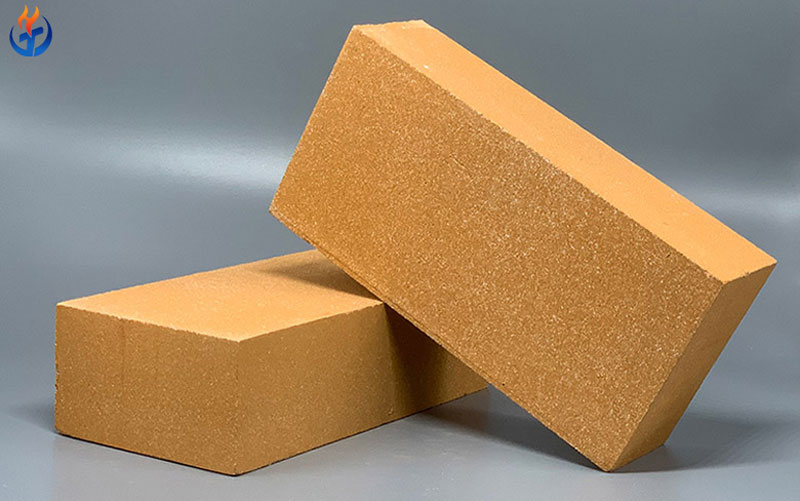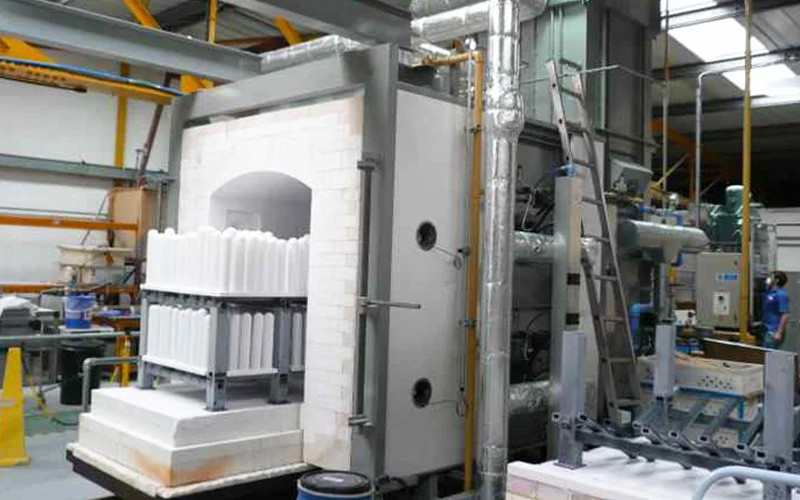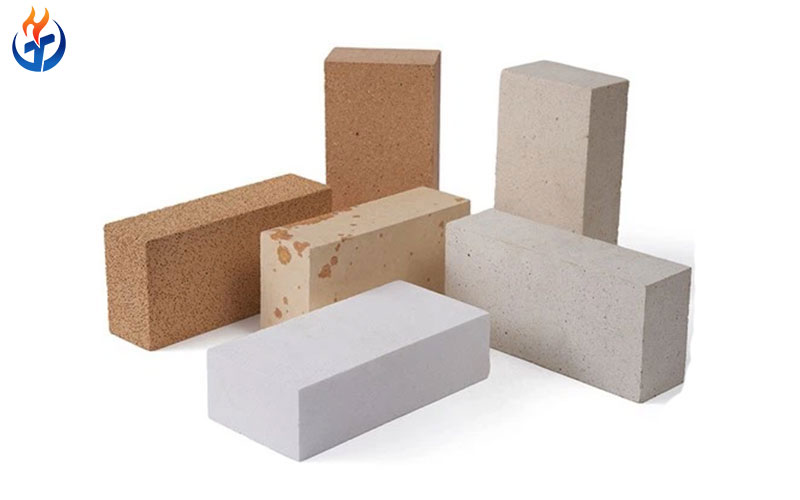
Low Cement Refractory Castables (LCCs) are a type of advanced refractory material that have gained significant importance in high-temperature applications due to their excellent properties, including enhanced strength, superior resistance to thermal shock, and reduced porosity. They are commonly used in industries such as steel, cement, petrochemical, and glass manufacturing, where high-performance materials are required for lining furnaces, kilns, and other high-temperature equipment.
In this article, we will explore the various types of Low Cement Refractory Castables, their composition, applications, and benefits. We will also discuss how each type is suited to different industrial needs and conditions.
What Are Low Cement Refractory Castables?
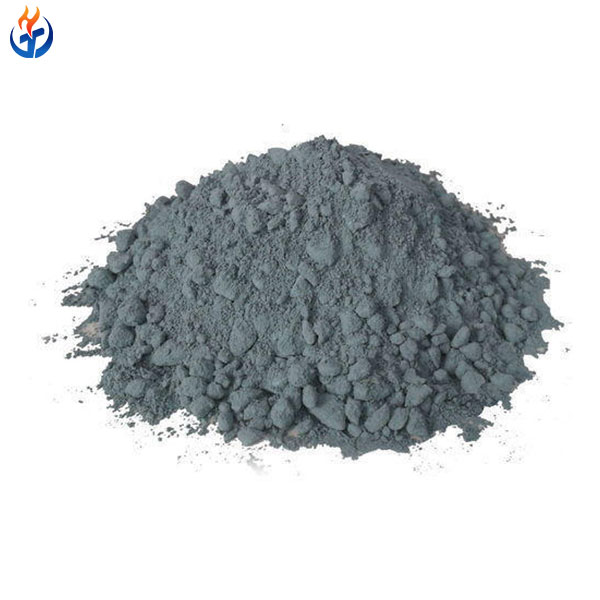
Low Cement Refractory Castables are a category of castable refractories that contain a reduced percentage of cement (typically less than 5%). Compared to conventional high-cement refractories, LCCs offer enhanced properties, such as improved thermal shock resistance, higher strength at elevated temperatures, and better overall durability. The reduction in cement content is made up for by the addition of high-purity alumina or other bonding agents.
LCCs are designed for applications that require high-performance refractories, particularly in conditions where abrasion, corrosion, or thermal shock are major concerns. These materials are cast in place, which provides a seamless lining that is ideal for large-scale industrial operations.
Types of Low Cement Refractory Castables
There are several types of Low Cement Refractory Castables, each designed for specific high-temperature environments and applications. Below are the most common types:
1. Alumina-Based Low Cement Refractory Castables
Composition: Alumina-based LCCs are primarily composed of alumina (Al₂O₃), which gives them excellent high-temperature properties. The alumina content usually ranges from 50% to 90%.
Applications: These castables are used in areas that experience high wear and thermal shock, such as blast furnaces, cement kilns, and other high-temperature reactors. They are suitable for applications where thermal conductivity and resistance to chemical attack are essential.
Advantages:
Excellent resistance to thermal shock
Superior mechanical strength at high temperatures
Resistance to slag and molten metal penetration
Disadvantages:
Relatively higher cost due to the use of high-purity alumina
Limited in use for certain types of chemical environments, like highly alkaline conditions
2. Silica-Based Low Cement Refractory Castables
Composition: These LCCs are primarily composed of silica (SiO₂) along with a small amount of alumina. They usually contain a significant amount of quartz or cristobalite, depending on the specific formulation.
Applications: Silica-based LCCs are often used in applications involving high temperatures with moderate wear and corrosion, such as glass furnaces, ladles, and kilns in the ceramic industry.
Advantages:
Excellent resistance to acidic environments
Good thermal stability
Low thermal conductivity, making them ideal for heat retention applications
Disadvantages:
They can be susceptible to thermal expansion and cracking in extreme thermal shock conditions
Not suitable for high-alkali environments
3. Magnesia-Based Low Cement Refractory Castables
Composition: Magnesia-based LCCs are composed of magnesium oxide (MgO) as the primary component. These materials also often contain spinel (MgAl₂O₄) and other additives to improve their properties.
Applications: Magnesia-based refractories are ideal for use in environments where they will be exposed to basic slags and fluxes. They are widely used in the steel industry, especially in electric arc furnaces, ladles, and other equipment used for steelmaking.
Advantages:
Outstanding resistance to basic slag and molten metal
High thermal conductivity, which is useful in applications requiring rapid heat dissipation
Superior resistance to erosion and abrasion
Disadvantages:
Susceptible to hydration if exposed to moisture
Requires careful handling due to its susceptibility to hydration reactions
4. Spinel-Containing Low Cement Refractory Castables
Composition: Spinel-containing LCCs contain magnesium-aluminate spinel (MgAl₂O₄) as the key phase. The addition of spinel improves the overall strength, thermal shock resistance, and chemical resistance of the castable.
Applications: These castables are commonly used in the cement industry, specifically in rotary kilns and other equipment where high chemical resistance and mechanical strength are needed.
Advantages:
Excellent resistance to both acidic and basic slags
High resistance to thermal shock
Enhanced strength at elevated temperatures
Disadvantages:
Higher cost due to the use of spinel, which may limit its use in some applications
Requires precise formulation to maintain balance between thermal shock resistance and mechanical strength
5. Carbon-Containing Low Cement Refractory Castables
Composition: Carbon-containing LCCs are designed to include carbon in the form of graphite or other carbon additives. The presence of carbon significantly improves the material’s resistance to thermal shock and chemical attack.
Applications: These are primarily used in the steel industry and other industries where a high degree of thermal cycling and high temperatures are involved, such as in the linings of furnaces and ladles.
Advantages:
Excellent resistance to thermal shock
High resistance to erosion and chemical attack, particularly in molten metals
Enhanced strength at high temperatures
Disadvantages:
Sensitive to oxidation at very high temperatures
Lower resistance to certain types of slag compared to other types of LCCs
6. Zirconia-Based Low Cement Refractory Castables
Composition: Zirconia-based LCCs are primarily composed of zirconium oxide (ZrO₂), which gives them excellent resistance to thermal shock and high-temperature strength.
Applications: These are used in applications requiring very high thermal shock resistance, such as in glass furnaces and in the aerospace industry for extreme heat environments.
Advantages:
Exceptional thermal shock resistance
Very high strength at elevated temperatures
Excellent resistance to corrosive environments
Disadvantages:
Expensive due to the high cost of zirconia
May be unsuitable for applications involving highly abrasive materials
Advantages of Low Cement Refractory Castables
Regardless of the type, Low Cement Refractory Castables offer several key advantages over traditional high-cement castables, including:
Improved Mechanical Strength: The reduction of cement content results in fewer pores in the material, which increases its overall strength and stability at high temperatures.
Enhanced Thermal Shock Resistance: Low cement content results in better performance in applications where rapid temperature changes occur, such as in kilns and furnaces.
Better Wear Resistance: Low cement refractories often feature lower porosity, which enhances their resistance to wear and erosion in high-stress environments.
Superior Thermal Insulation: Many LCCs provide better thermal insulation, which reduces energy consumption and improves the efficiency of high-temperature processes.
Longer Lifespan: The combination of these properties makes LCCs more durable and able to withstand the harshest conditions, leading to longer service life.
Conclusion
Low Cement Refractory Castables are essential materials for high-temperature applications across various industries, from steel production to glass manufacturing. Each type, whether alumina-based, silica-based, magnesia-based, or spinel-containing, offers unique advantages that make it suitable for specific industrial needs.
Understanding the types and benefits of Low Cement Refractory Castables allows manufacturers to select the most appropriate material for their high-temperature applications, ensuring efficiency, durability, and performance under extreme conditions.
By choosing the right type of LCC, industries can improve the lifespan of their equipment, reduce maintenance costs, and optimize their overall production processes.
Looking for low cement castables and other refractory materials? Welcome to Get more from Xintai refractory!