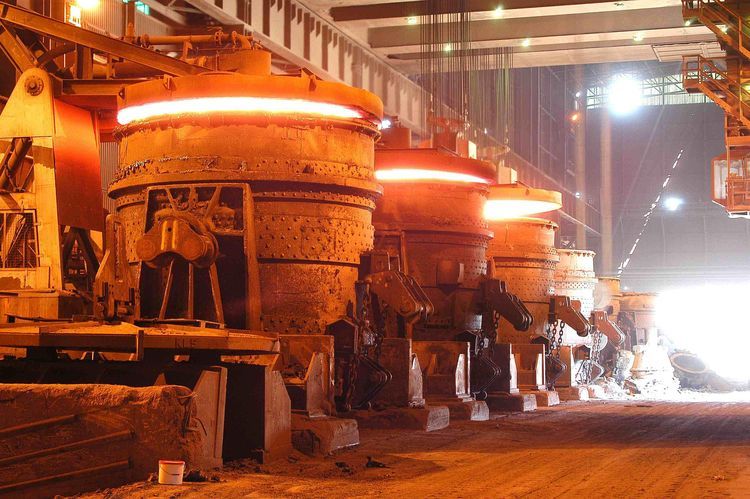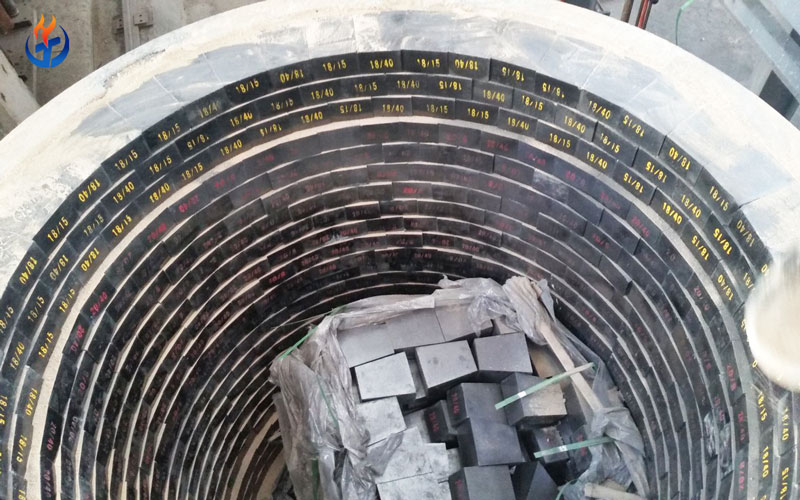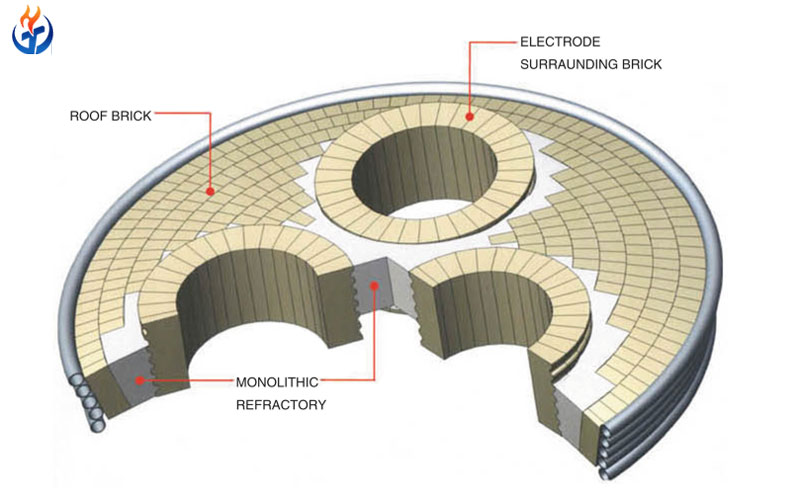
In modern steel production, reliable flow control at the bottom of the ladle is crucial for ensuring stable casting operations, clean steel quality, and safe working conditions. Among the various materials used in steelmaking, Steelmaking Refractory plays a central role in resisting extreme temperatures, mechanical stress, and chemical corrosion. One of the most important applications of these refractory materials is the ladle slide gate system, a precision flow-control mechanism that directs molten steel from the ladle to the tundish during continuous casting.
This article provides a detailed overview of the key refractory components in the ladle slide gate system—ladle slide gate plates, ladle nozzles, well blocks, collector nozzles, and more. Xintai Refractory explain their functions, technical characteristics, material compositions, and importance in modern steelmaking operations.
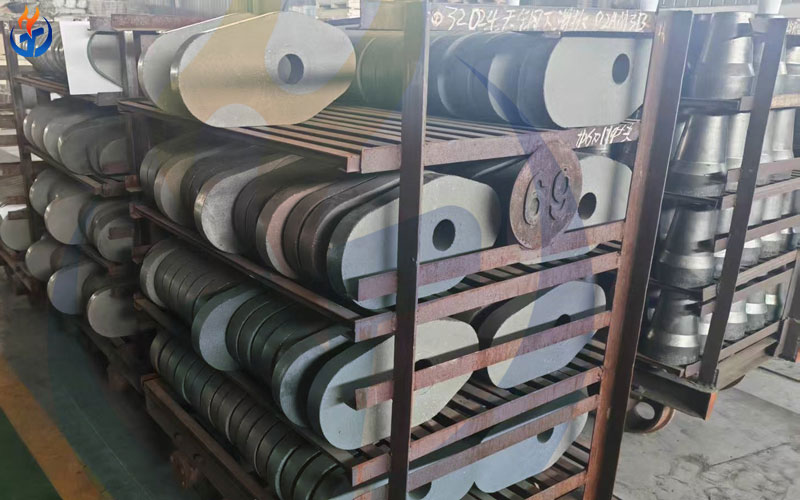
Importance of Steelmaking Refractory in Ladle Flow Control Systems
Steelmaking refractory materials are engineered to withstand extremely harsh conditions. Molten steel can reach 1,600–1,700°C, and the flow of steel during tapping and casting causes intense thermal shock, abrasion, and chemical attack.
In the ladle slide gate system, refractory components must endure:
Extreme temperature fluctuations
Strong erosion from liquid steel
Oxidation and slag corrosion
Abrasive wear from opening and closing movements
Mechanical load during steel flow control
The quality of Steelmaking Refractory directly affects:
Casting safety
Steel cleanliness
Ladle service life
Slide gate system performance
Production efficiency and cost
For these reasons, premium refractory materials are essential for stable and continuous steelmaking operations.
Overview of the Ladle Slide Gate System
A ladle slide gate system is installed at the bottom of a steel ladle. It controls the opening, closing, and adjustment of molten steel flow. The typical system includes:
Upper nozzle
Slide gate plates (upper plate, lower plate, fixed plate)
Lower nozzle
Well block
Collector nozzle (long nozzle)
Metal frame for sliding mechanism
All these internal components are made of high-performance refractory materials. Together, they form the pathway through which molten steel passes from the ladle to the next stage of casting.
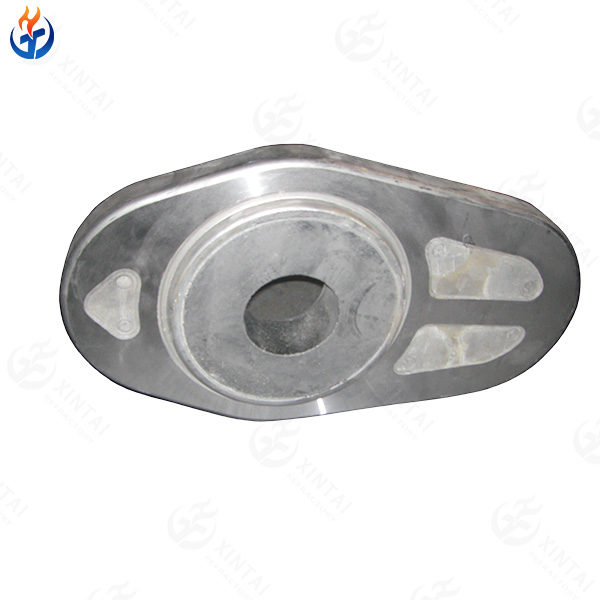
Ladle Slide Gate Plate: Core Flow-Control Refractory
Function
Ladle slide gate plates (also called sliding plates or sliding gate plates) are the key moving refractory parts that regulate molten steel flow. Their hole alignment determines whether steel:
Flows normally
Flows at a controlled speed
Stops completely
This role makes them the most important wear part in the slide gate system.
Material Composition
High-quality slide gate plates are typically made from:
Alumina-carbon
Zirconia-alumina-carbon
Magnesia-carbon
High-purity corundum
These materials are selected for:
Outstanding thermal shock resistance
Strong wear resistance against high-velocity steel flow
Excellent oxidation resistance
Long service life during continuous casting
Design Features
Flat surfaces ensure smooth sliding movement
Central holes allow precise flow control
High density and low porosity prevent steel infiltration
Multilayer antioxidant additives improve durability
Importance in Steelmaking
Damaged or low-quality slide gate plates can cause:
Flow instability
Steel leakage
Casting interruptions
Dangerous breakout accidents
Therefore, slide gate plates are a primary focus in Steelmaking Refractory development.
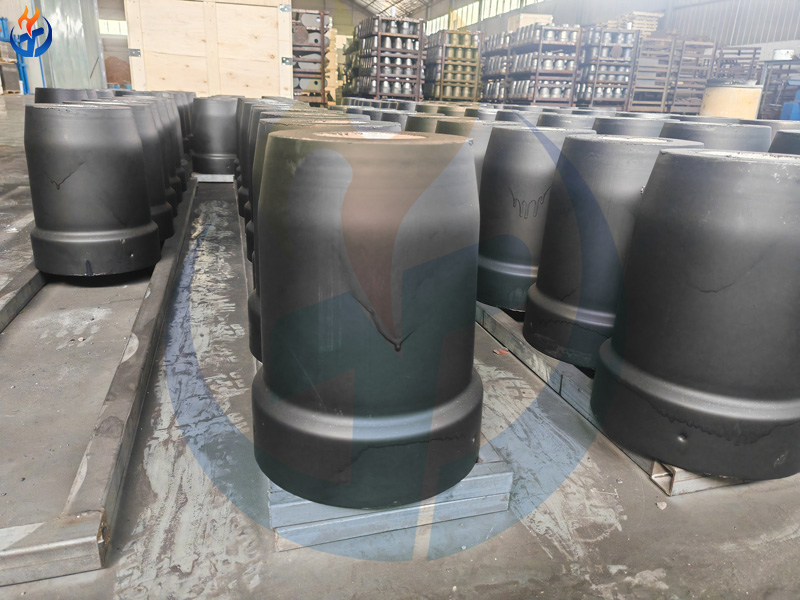
Ladle Nozzles: The Primary Passage for Molten Steel
Ladle nozzles guide molten steel from inside the ladle into the slide gate system. They are classified into:
(1) Upper Nozzle
Installed in the ladle bottom, the upper nozzle for steelmaking connects the ladle interior to the slide gate plates.
Features:
Must fit tightly with the upper slide plate
Made from alumina-carbon or high-grade corundum materials
Designed to resist direct steel impact
(2) Lower Nozzle
Located under the slide plates, the lower nozzle forms the final connection before molten steel enters the long nozzle or tundish.
Characteristics:
High erosion resistance
Smooth inner bore to ensure stable flow
Compatible with sliding movement
Material Considerations
Ladle nozzles typically have higher density and wear resistance because they are exposed to continuous steel flow during casting.
Well Block: The Structural Refractory Base
The well block (or bottom block) is the refractory base into which the upper nozzle is inserted. It is embedded in the ladle bottom lining and forms the structural support for the entire slide gate system.
Key Functions
Holds the upper nozzle firmly
Maintains stable alignment of the slide plates
Protects the ladle bottom from molten steel erosion
Material Characteristics
Well blocks are usually made from high-strength alumina-carbon materials with:
High thermal load resistance
Excellent mechanical strength
Durability against repeated heat cycles
A stable well block ensures long ladle service life.
Collector Nozzle (Long Nozzle): The Final Steel Pathway
The collector nozzle, often called a long nozzle, is installed below the lower nozzle. It guides molten steel from the ladle into the tundish during continuous casting.
Why the long nozzle is important
Prevents steel oxidation by shielding flow from air exposure
Ensures a stable casting stream
Reduces inclusions and improves steel cleanliness
Material Requirements
High-purity alumina or alumina-graphite
Smooth, erosion-resistant inner bore
Strong thermal shock resistance
Long nozzles directly influence the quality of the final steel.
Working Process of the Slide Gate System
The entire sequence of molten steel flow is:
Molten steel enters the upper nozzle.
The slide gate plates align or misalign to control flow.
Steel passes into the lower nozzle.
Steel flows downward through the collector nozzle.
Steel enters the tundish for further casting.
Each refractory component must perform reliably to maintain continuous, safe, and stable steel production.
Material Innovations in Steelmaking Refractory
The steel industry demands longer ladle service life and reduced casting costs. Manufacturers continue to innovate in Steelmaking Refractory:
Advanced Additives
Anti-oxidation coatings
Nano-carbon materials
Ultrafine alumina powders
Improved Bonding Systems
Phenolic resins
High-temperature binders
Ceramic sintering bonds
Enhanced Wear Resistance
Use of ZrO₂ (zirconia) for premium plates
Impregnation with antioxidant agents
Optimized grain size distributions
These improvements significantly extend the lifespan of refractory parts.
Choosing the Right Steelmaking Refractory Supplier
Selecting a reliable refractory manufacturer is critical. Key evaluation points include:
Raw material purity
Production technology
Quality stability across batches
Experience in slide gate systems
Custom sizes and OEM capability
Technical support during casting operations
The right supplier helps reduce ladle refractory consumption and improves casting safety.
Conclusion
The ladle slide gate system is a vital part of modern continuous casting technology, and Steelmaking Refractory plays the central role in ensuring its performance. From slide gate plates to ladle nozzles, well blocks, and long nozzles, each component must withstand extreme heat, corrosion, and mechanical stress.
High-quality refractory materials not only extend ladle life but also improve steel cleanliness, reduce production costs, and enhance overall efficiency at the steel plant. As steelmaking continues to advance, the demand for durable, innovative refractory solutions will continue to grow.