Steel Ladle Refractory: Structure and Function

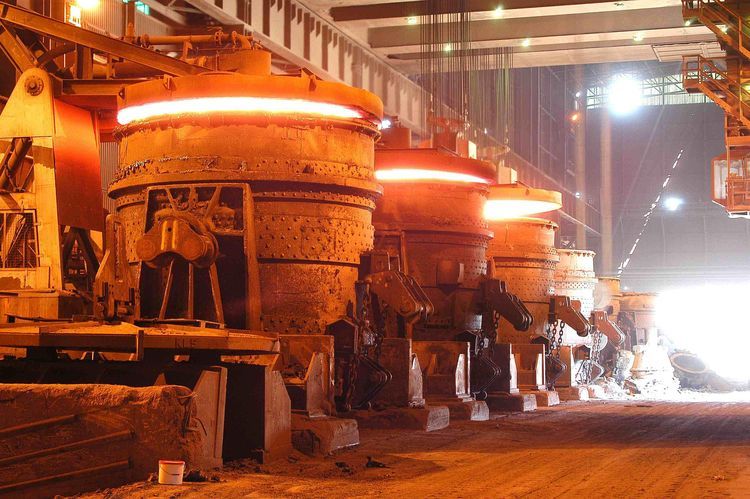
In modern steelmaking, the steel ladle plays a critical role as the vessel responsible for receiving, transporting, refining, and casting molten steel. At the heart of the ladle’s performance is the Steel Ladle refractory system, which directly determines thermal efficiency, steel quality, operational safety, and production cost. A well-designed Steel Ladle refractory lining must withstand extreme temperatures, chemical corrosion, mechanical erosion, and repeated thermal cycling.

This article provides an in-depth explanation of the structure and function of Steel Ladle refractory, covering lining layers, material selection, working principles, and how each component contributes to efficient and reliable steel production.

1. Role of Steel Ladle Refractory in Steelmaking

The Steel Ladle refractory is not merely a protective lining; it is an essential functional system that enables secondary metallurgy processes such as alloying, temperature adjustment, desulfurization, and inclusion control. During operation, molten steel temperatures typically range from 1550°C to 1650°C, exposing the refractory to severe thermal and chemical stress.

The main functions of Steel Ladle refractory include:

  • Protecting the steel ladle shell from high temperatures

  • Maintaining molten steel temperature stability

  • Resisting chemical attack from slag and molten steel

  • Withstanding mechanical erosion from stirring and pouring

  • Ensuring safe operation and extended ladle service life

Without a properly designed Steel Ladle refractory structure, ladle failure risks increase significantly, leading to production downtime and safety hazards.

2. Basic Structure of Steel Ladle Refractory Lining

The Steel Ladle refractory system is typically composed of multiple functional layers, each designed to perform a specific role. Rather than relying on a single refractory material, modern ladles use a composite lining structure for optimal performance.

2.1 Permanent (Safety) Lining

The permanent lining, also known as the safety lining, is the layer installed directly against the steel shell of the ladle. Its primary purpose is to provide thermal insulation and structural protection.

Key characteristics of permanent lining materials include:

  • Good thermal insulation properties

  • Moderate mechanical strength

  • Resistance to steel shell deformation

  • Long service life

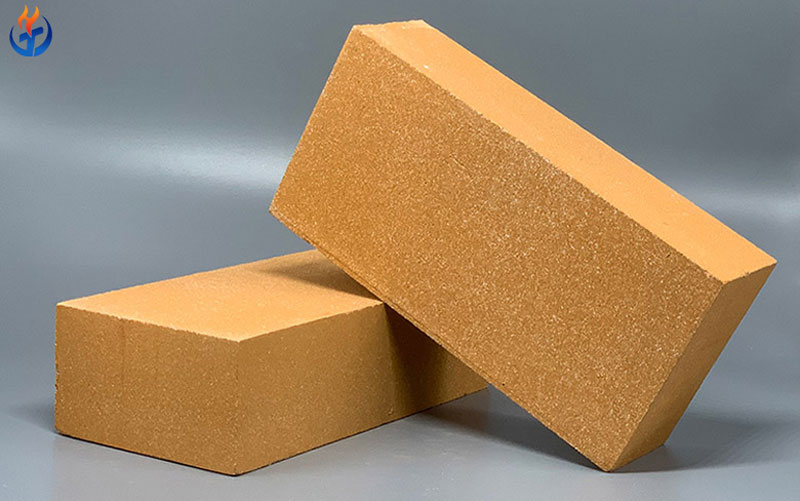
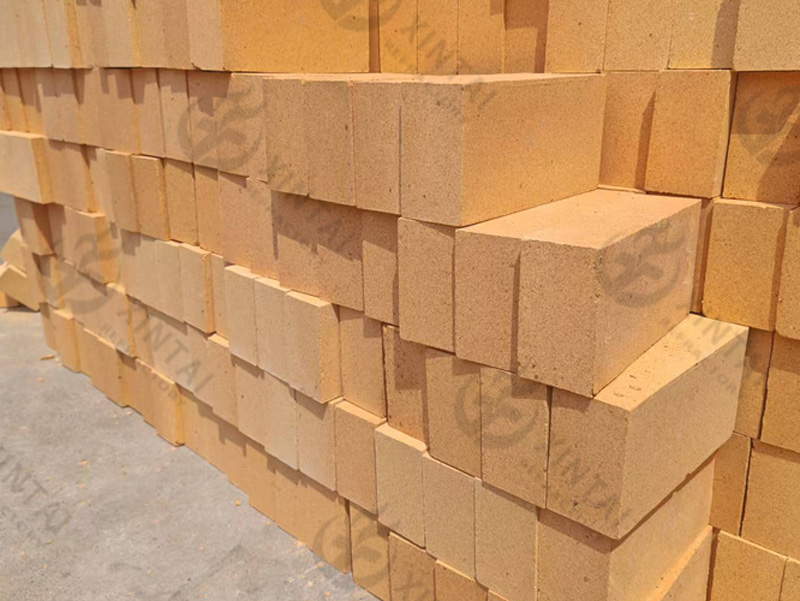
Common materials used in permanent linings include high-alumina bricks, insulating refractory bricks, and castable refractories. While the permanent lining does not directly contact molten steel, it plays a crucial role in maintaining shell temperature and preventing burn-through in case of working lining failure.
2.2 Working Lining

The working lining is the most critical layer of the Steel Ladle refractory system, as it comes into direct contact with molten steel and slag. This layer experiences the most aggressive conditions, including chemical corrosion, erosion, and thermal shock.

Typical materials used for working linings include:

  • Magnesia-carbon (MgO-C) bricks

  • High-purity magnesia bricks

  • Alumina-magnesia-carbon bricks

  • Spinel-forming refractory materials

The working lining must balance corrosion resistance with thermal shock resistance. Carbon-containing refractories are especially popular because carbon improves slag resistance and reduces wetting by molten steel.

2.3 Slag Line Zone

The slag line is the most severely attacked area in the Steel Ladle refractory lining. It is located at the interface between molten steel and slag, where temperature fluctuations and chemical reactions are most intense.

Slag line refractories require:

  • Extremely high corrosion resistance

  • Strong resistance to thermal cycling

  • Low porosity to prevent slag penetration

For this zone, high-carbon MgO-C bricks or special slag-line optimized bricks are commonly used. The performance of the Steel Ladle refractory in the slag line often determines the overall ladle campaign life.

2.4 Bottom and Impact Zone

The ladle bottom and impact area experience strong mechanical wear due to molten steel pouring and argon stirring. Refractory materials here must have excellent erosion resistance and mechanical strength.

Common solutions include:

  • Reinforced castable refractories

  • High-density magnesia bricks

  • Impact pads with enhanced abrasion resistance

This zone is crucial for maintaining ladle integrity during repeated tapping cycles.
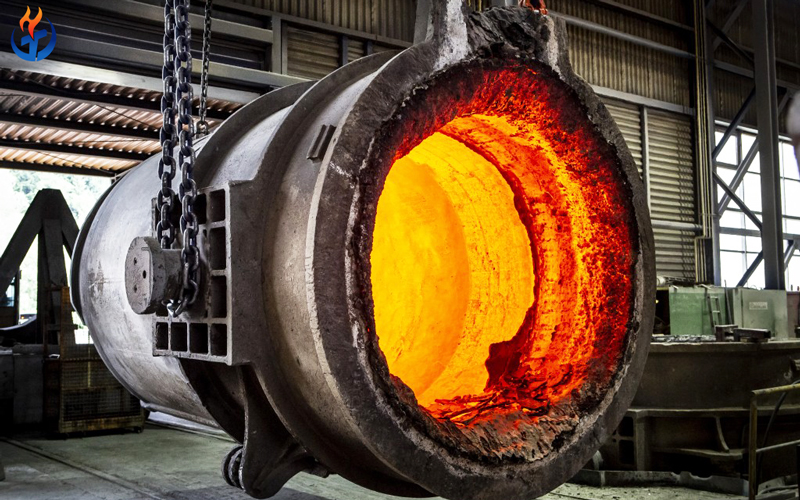
Refractory Materials for Steel Ladles

3. Functional Requirements of Steel Ladle Refractory

Each Steel Ladle refractory component must meet strict functional requirements to ensure stable steelmaking operations.

3.1 Thermal Insulation and Heat Retention

One of the primary functions of Steel Ladle refractory is to minimize heat loss during molten steel transportation and refining. Poor insulation leads to excessive temperature drop, requiring reheating and increasing energy consumption.

A well-designed refractory structure ensures:

  • Reduced heat loss through ladle walls

  • Stable molten steel temperature

  • Lower fuel and electricity costs

3.2 Chemical Corrosion Resistance

Molten steel slags are highly corrosive and vary depending on steel grade and refining process. Steel Ladle refractory materials must resist attack from:

  • Basic slags rich in CaO and MgO

  • Iron oxide-rich slags

  • Desulfurization slags

Magnesia-based refractories are widely used because of their compatibility with basic slags, making them ideal for Steel Ladle refractory applications.

3.3 Mechanical Strength and Wear Resistance

During operation, the Steel Ladle refractory is exposed to:

  • Steel flow turbulence

  • Argon gas stirring

  • Mechanical impact during tapping

High cold crushing strength and abrasion resistance are essential to prevent premature lining wear.

3.4 Thermal Shock Resistance

Steel ladles undergo frequent heating and cooling cycles. Poor thermal shock resistance can lead to cracking and spalling, drastically reducing refractory life.

Carbon-containing refractories are particularly effective in improving thermal shock resistance in Steel Ladle refractory linings.

4. Refractory Material Selection for Steel Ladles

Choosing the right Steel Ladle refractory materials depends on several operational factors:

  • Steel grade being produced

  • Slag composition

  • Ladle size and capacity

  • Refining process (LF, RH, VD)

  • Desired ladle campaign life

Modern steel plants often customize refractory compositions to match their specific production requirements. Advances in raw material purity and bonding technology have significantly improved refractory performance in recent years.

Conclusion

The Steel Ladle refractory structure and function are fundamental to modern steelmaking operations. From permanent lining to working lining and slag line protection, each layer plays a vital role in ensuring safety, efficiency, and steel quality. A well-designed Steel Ladle refractory system not only extends ladle life but also reduces operational costs and enhances metallurgical performance.

As steel production continues to evolve, advancements in Steel Ladle refractory materials from Xintai Refractory and design will remain a key driver of efficiency, sustainability, and product quality in the global steel industry.

Scroll to Top