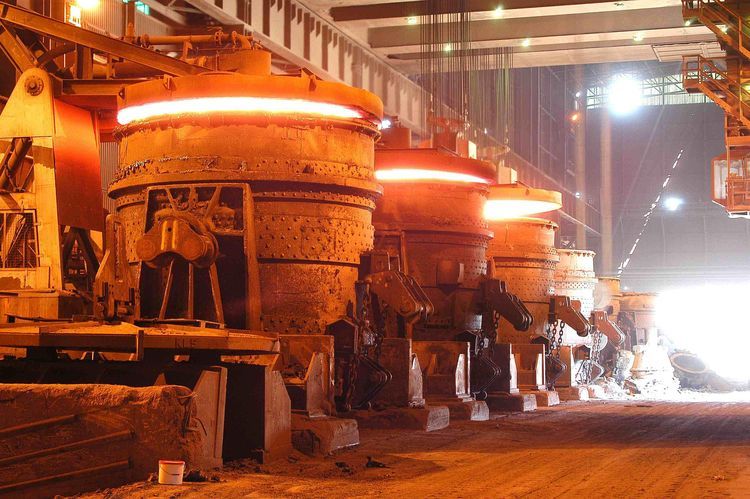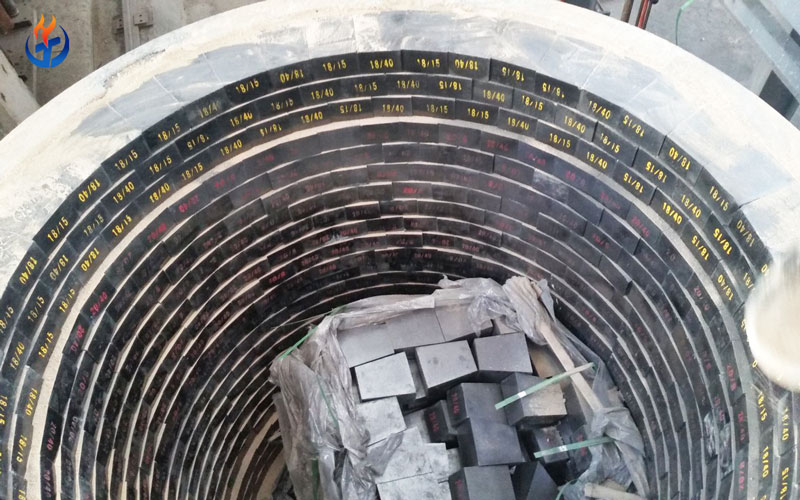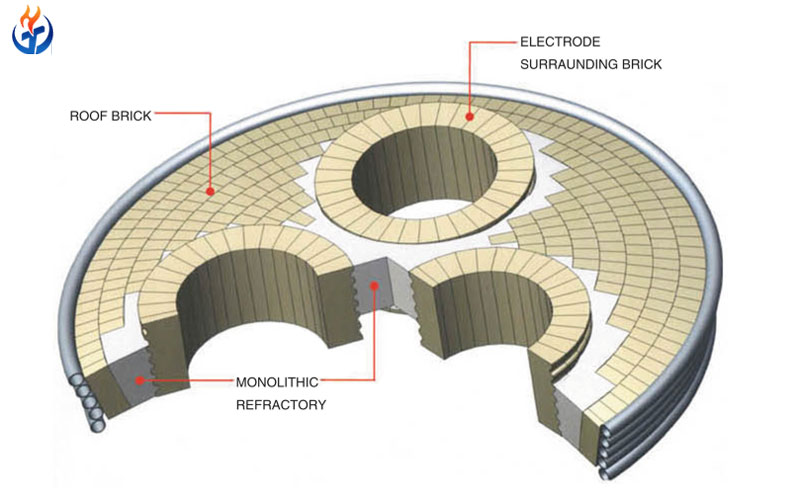
The petrochemical industry is a cornerstone of modern industrial production, encompassing processes that convert crude oil, natural gas, and other hydrocarbons into valuable chemicals, fuels, and materials. These processes often involve extremely high temperatures, corrosive chemicals, and abrasive media. Under such demanding conditions, the selection of materials for process equipment is crucial. Among these, refractory materials play an indispensable role, serving as the “protective armor” of high-temperature equipment.
Xintai Refractory, with over 20 years of expertise in producing advanced refractory materials, focuses on providing high-performance solutions for petrochemical operations, ensuring the safety, efficiency, and longevity of critical equipment.
Understanding Refractory Materials in Petrochemical Applications
Refractory materials are inorganic, non-metallic materials capable of withstanding extreme heat, usually exceeding 1000°C. They exhibit exceptional resistance to chemical corrosion and mechanical wear, making them ideal for high-temperature industrial environments. In the petrochemical sector, refractories serve as thermal insulation, protective linings, and structural components of equipment such as furnaces, reactors, storage tanks, and piping systems. Their performance directly impacts energy efficiency, operational safety, and equipment lifespan.
Petrochemical processes often involve high-temperature cracking, catalytic reactions, and hydrogenation refining, all of which impose severe stress on equipment. These environments typically combine high temperatures, corrosive gases, and high-pressure conditions. Without suitable refractory protection, equipment can suffer rapid degradation, leading to operational interruptions and costly maintenance.
Key Applications of Refractory Materials in the Petrochemical Industry
1. Furnaces and Cracking Units: Core Thermal Protection
In the petrochemical industry, heating furnaces (such as atmospheric and vacuum distillation units, delayed coking furnaces) and cracking furnaces (critical in ethylene production) represent primary applications for refractory materials.
Radiation Zones: The combustion chamber of a furnace, where temperatures range from 800°C to 1200°C, requires a refractory lining that prevents metal deformation and oxidation.
Convection Zones: Heat exchange areas, where temperatures are lower (400–600°C), also benefit from refractory insulation to improve thermal efficiency.
Cracking furnaces operate at even higher temperatures, with tube outer walls reaching 1000–1100°C. High-performance refractory materials, such as low-cement castables, fiber blankets, or lightweight refractory bricks, are essential. These materials provide thermal insulation to reduce energy consumption and resist acidic gas corrosion (e.g., SO₂ and CO₂) produced during fuel combustion.
Xintai Refractory supplies a range of customized high-temperature solutions, ensuring that heating and cracking furnaces maintain optimal thermal efficiency and operational stability.
2. Reactors and Regenerators: Balancing Corrosion Resistance and Abrasion Resistance
Catalytic cracking reactors and regenerators in petrochemical plants are subject to high temperatures, corrosive chemicals, and abrasive catalyst particles.
Reactors: Operate with feedstocks containing sulfur and nitrogen compounds at temperatures up to 800°C. Refractory linings prevent corrosive degradation and minimize heat loss.
Regenerators: Flue gases carrying catalyst particles at velocities of 1–2 m/s subject the lining to significant abrasive wear. Refractory materials must resist both chemical attack and mechanical erosion.
Common refractory solutions include high-alumina bricks, corundum bricks (Al₂O₃ content > 90%), and silicon carbide-based materials. Their high hardness, low porosity, and excellent thermal stability allow them to withstand severe chemical and mechanical stresses, protecting equipment while maintaining operational efficiency.
3. Storage Tanks and Piping: Protective Linings Against Corrosive Media
Storage tanks (crude oil, acidic or alkaline solutions) and pipelines transporting petroleum products or chemical intermediates face a constant threat of corrosion. Without proper protection, metal walls can thin rapidly, increasing the risk of leaks and operational hazards.
Refractory materials serve as internal linings, isolating corrosive media from the metal body. Examples include acid-resistant castables, alkali-resistant bricks, and lightweight refractory concretes.
Sulfuric Acid Pipelines: Concentrated sulfuric acid (98%) can aggressively corrode metals. Dense silicate-based refractory linings (SiO₂ content > 80%) resist such chemical attacks.
Crude Oil Tanks: Bottoms often accumulate water and salts, leading to electrochemical corrosion. Lightweight refractory concrete linings reduce corrosion risk while providing thermal insulation.
By incorporating tailored refractory solutions, Xintai Refractory helps petrochemical facilities extend the service life of tanks and pipelines while minimizing maintenance costs.
4. Specialized Applications: Flare Systems and High-Temperature Ducts
Flare systems are critical for safe venting of process gases containing hydrocarbons and hydrogen sulfide. These systems experience temperatures up to 600–800°C, with flame impingement posing additional mechanical stress. Refractory materials, such as high-alumina castables and lightweight bricks, are used to line flare stacks and ducts, preventing deformation and cracking.
High-temperature flue gas ducts and dust-removal equipment (e.g., cyclones) also require refractory protection. Linings resist abrasion from particulate matter and prevent thermal degradation, ensuring the durability and efficiency of the exhaust system.
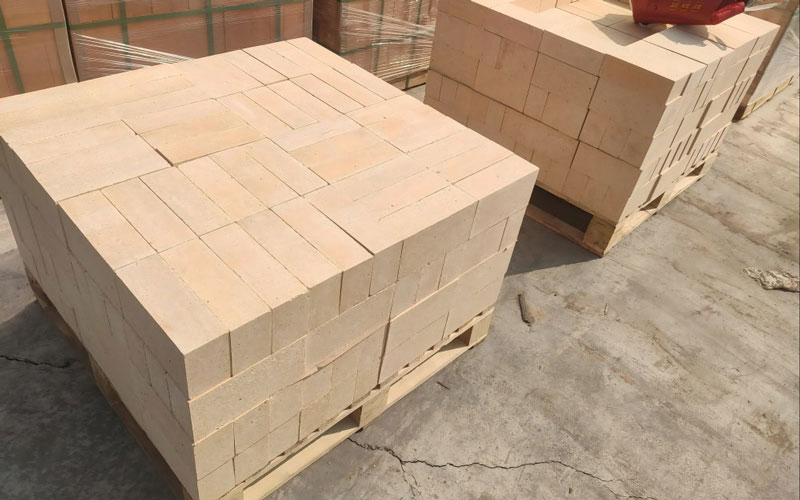
Technical Innovations in Refractory Materials for Petrochemicals
As petrochemical processes evolve, the demands on refractory materials become increasingly stringent. Xintai Refractory actively develops solutions to meet these challenges:
Low-Cement Castables: These materials provide superior thermal shock resistance and reduce shrinkage, improving longevity in high-temperature units.
Nano-Composite Refractories: Nanotechnology enhances high-temperature performance and chemical resistance, extending service life under extreme conditions.
Lightweight and Fiber-Based Materials: Advanced fiber-reinforced bricks and blankets improve insulation, reduce structural load, and enhance thermal efficiency.
Custom Formulations: Xintai Refractory offers tailored refractory compositions optimized for specific process requirements, balancing temperature resistance, corrosion resistance, and mechanical strength.
These innovations not only enhance equipment reliability but also contribute to energy efficiency, operational safety, and cost reduction in petrochemical plants.
Benefits of Refractory Materials in Petrochemical Operations
Equipment Protection: Refractories shield critical equipment from thermal, chemical, and mechanical stresses, extending operational life.
Energy Efficiency: High-performance insulation reduces heat loss, lowering energy consumption and operating costs.
Operational Safety: Proper refractory linings prevent leaks, corrosion failures, and catastrophic equipment damage.
Reduced Maintenance: Durable refractory solutions minimize shutdowns and maintenance interventions, enhancing plant productivity.
Process Optimization: Stable thermal environments improve reaction efficiency, product yield, and process consistency.
By integrating Xintai Refractory solutions, petrochemical facilities achieve a balance between safety, efficiency, and long-term sustainability.
Conclusion
Refractory materials are the backbone of high-temperature petrochemical operations, providing critical protection against heat, corrosion, and wear. From heating furnaces and cracking units to reactors, storage tanks, and specialized flare systems, their role is indispensable.
Xintai Refractory, with decades of expertise, continues to advance the development and application of high-performance refractory materials. By delivering tailored solutions, we help petrochemical facilities maximize operational safety, efficiency, and equipment longevity.
As the petrochemical industry faces increasingly demanding processes, high-performance refractories will remain a cornerstone of sustainable, efficient, and safe production. Investing in the right refractory materials is not just a matter of equipment maintenance—it is a strategic choice for operational excellence.