In modern steelmaking, refractory performance directly determines production stability, product quality, and operational cost. Among the many refractory solutions available today, Refractory Castables Used in Steel Ladles play a critical role in ensuring safe molten steel handling, precise temperature control, and long campaign life.
As steel plants continue to demand longer service life, lower maintenance frequency, and higher cleanliness standards, monolithic refractory solutions have gradually replaced many traditional brick linings. In particular, refractory castable for ladle applications and tundish lining material systems have become essential components in continuous casting operations.
This article will provide a comprehensive overview of Refractory Castables Used in Steel Ladles, their material classifications, performance requirements, application zones, installation methods, and the relationship between ladle and tundish refractory systems. We will also explore how monolithic refractories are shaping the future of steel plant efficiency.
Understanding Steel Ladles and Tundishes in Modern Steelmaking
In integrated steel plants, molten steel flows through multiple stages before solidification. Two key vessels in this process are:
Steel ladle – transports molten steel from the furnace to the continuous casting machine.
Tundish – serves as an intermediate distributor between the ladle and the mold.
The ladle experiences extreme thermal shock, chemical erosion, slag attack, and mechanical impact. Meanwhile, the tundish plays a crucial role in controlling steel flow and ensuring inclusion removal, which directly affects product cleanliness.
Because of these demanding conditions, selecting the right refractory castable for ladle and tundish lining material is vital.
What Are Refractory Castables?
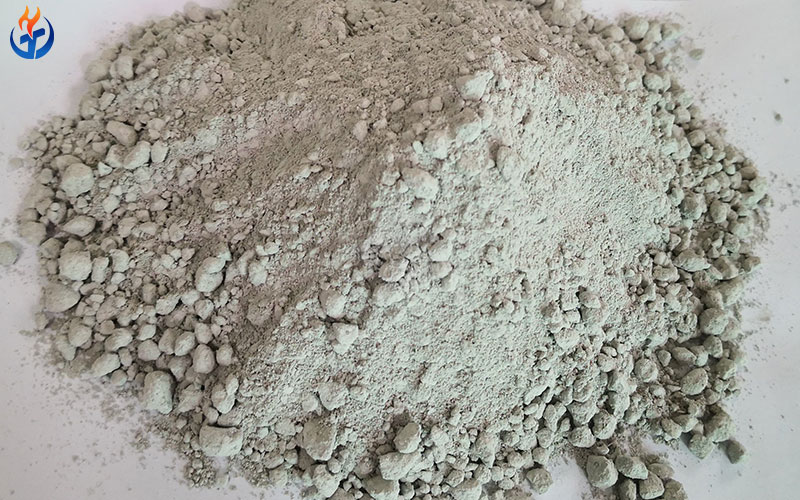
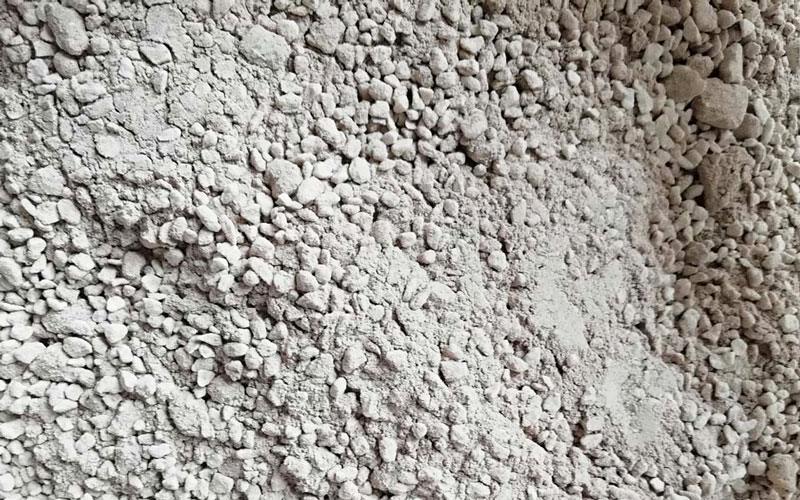
Refractory castables belong to the broader category of monolithic refractories, which differ from traditional shaped bricks. Instead of pre-fired blocks, castables are supplied as dry mixes and installed by casting, vibrating, pumping, or gunning.
They typically consist of:
High-purity aggregates (alumina, magnesia, spinel, etc.)
Fine powders
Hydraulic or chemical binders
Additives for flowability and strength
Compared with brick linings, monolithic refractories offer:
Faster installation
Fewer joints
Better structural integrity
Lower maintenance cost
Easier repair
These advantages explain why Refractory Castables Used in Steel Ladles have become industry standard in many steel plants worldwide.
Performance Requirements for Refractory Castable for Ladle
Steel ladles operate at temperatures above 1600°C and are exposed to both molten steel and slag. Therefore, refractory castable for ladle must meet several strict requirements.
3.1 High Thermal Shock Resistance
Rapid heating and cooling cycles can cause cracking and spalling. Ladle castables must withstand repeated temperature fluctuations without structural failure.
3.2 Excellent Slag Resistance
Basic slag can aggressively attack refractory linings. High alumina, magnesia-carbon, and spinel-containing castables improve corrosion resistance.
3.3 Mechanical Strength at High Temperature
The ladle lining must support heavy molten steel loads. Castables must maintain high hot modulus of rupture and compressive strength.
3.4 Erosion Resistance
High flow velocities during tapping and stirring can cause severe erosion. Dense microstructure and optimized particle grading are essential.
Main Types of Refractory Castables Used in Steel Ladles
Different ladle zones require different material formulations. Below are commonly used types of monolithic refractories.
4.1 High Alumina Castables
These are widely used in ladle working linings and permanent linings. With alumina content typically above 70%, they offer:
Good refractoriness
Strong resistance to acidic and neutral slags
Excellent mechanical strength
4.2 Alumina-Magnesia Castables
This type improves resistance against basic slag. The formation of in-situ spinel enhances structural stability and slag corrosion resistance.
4.3 Spinel Castables
Spinel-containing castables provide:
Low thermal expansion
High thermal shock resistance
Improved volume stability
They are often used in high-demand ladle working linings.
4.4 Low Cement and Ultra-Low Cement Castables
Modern ladle systems increasingly adopt low cement or ultra-low cement castables due to:
Lower porosity
Higher density
Better corrosion resistance
Superior hot strength
These developments represent a major advancement in Refractory Castables Used in Steel Ladles.
Tundish Lining Material: Structure and Requirements
The tundish serves as a buffer and distributor. Although it operates at slightly lower temperatures than the ladle, its functional role makes its refractory system equally important.
Tundish lining material generally consists of:
Permanent lining
Safety lining
Working lining
5.1 Permanent Lining
Usually made of high alumina castables, it provides structural support and long-term durability.
5.2 Safety Lining
Installed between permanent and working layers, ensuring backup protection.
5.3 Working Lining
Often composed of dry vibration materials or insulating castables. It must:
Resist steel penetration
Reduce heat loss
Support inclusion flotation
Allow quick replacement
Monolithic refractories are particularly advantageous in tundish systems because they reduce joint leakage and simplify repair operations.
Comparison: Refractory Castable for Ladle vs Tundish Lining Material
While both belong to monolithic refractories, their design priorities differ.
| Aspect | Ladle Castable | Tundish Lining Material |
|---|---|---|
| Temperature | Higher | Slightly lower |
| Slag Attack | Severe | Moderate |
| Thermal Shock | Extreme | High |
| Steel Cleanliness | Important | Critical |
| Service Life | Long campaign | Often short cycle |
In summary, Refractory Castables Used in Steel Ladles focus on structural durability and slag resistance, while tundish lining material emphasizes steel cleanliness and heat preservation.
Conclusion
In today’s competitive steel market, refractory performance is not merely a maintenance issue—it is a production strategy. Refractory Castables Used in Steel Ladles are fundamental to ensuring operational safety, steel quality, and economic efficiency.
From high alumina and spinel castables to advanced low cement monolithic refractories, material innovation continues to enhance ladle and tundish reliability. While refractory castable for ladle applications emphasizes slag resistance and structural strength, tundish lining material focuses on steel cleanliness and thermal management.
By selecting the right monolithic refractories, applying proper installation procedures, and continuously optimizing formulations, steel plants can significantly extend lining life, reduce downtime, and improve overall productivity.
As steelmaking technologies advance, refractory castables will remain at the heart of high-temperature process stability—supporting the global steel industry with safer, cleaner, and more efficient operations.
Looking for refractory castables and other refractory materials? Welcome to Get more from Xintai refractory!