
When planning an industrial furnace, kiln, boiler, or high-temperature installation, one of the most common questions buyers ask is about refractory bricks price. Refractory bricks are critical materials designed to withstand extreme heat, chemical corrosion, and mechanical stress. However, their prices can vary significantly depending on many factors, such as raw materials, temperature rating, density, application, and manufacturing process.
In this comprehensive guide, we will explore everything you need to know about refractory bricks price, including price ranges, influencing factors, different brick types, application-based costs, and tips for choosing the right refractory bricks without overspending.
What Are Refractory Bricks?
Refractory bricks, also known as fire bricks, are specially engineered ceramic materials used in high-temperature environments. Unlike ordinary construction bricks, refractory bricks can withstand temperatures ranging from 1,200°C to over 1,800°C, depending on their composition.
They are widely used in industries such as:
Iron and steel
Cement and lime
Glass manufacturing
Ceramics and kilns
Non-ferrous metal processing
Power plants and incinerators
Chemical and petrochemical industries
Because these applications differ greatly, refractory bricks price is not a fixed number but a spectrum influenced by performance requirements.
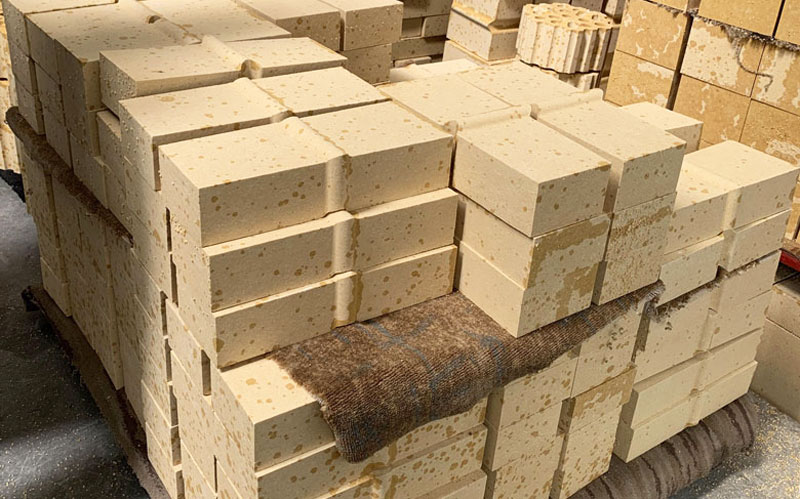
Average Refractory Bricks Price Range
To give a general idea, here is a typical price range for refractory bricks in the global market:
Low-grade fire clay bricks: USD 200–400 per ton
Medium-duty fire bricks: USD 400–650 per ton
High-alumina refractory bricks: USD 600–1,200 per ton
Insulating refractory bricks (IFB): USD 500–1,000 per ton
Specialty refractory bricks (zirconia, silicon carbide, mullite): USD 1,200–3,000+ per ton
Please note that refractory bricks price can fluctuate based on region, order quantity, energy costs, and raw material availability.
Key Factors Affecting Refractory Bricks Price
Understanding what drives refractory brick pricing helps buyers make informed decisions and avoid unnecessary costs.
1. Raw Material Composition
The most significant factor affecting refractory bricks price is the type of raw materials used:
Fire clay: Lower cost, suitable for moderate temperatures
Alumina (Al₂O₃): Higher alumina content increases temperature resistance and price
Mullite: Excellent thermal stability, medium-to-high price
Silicon carbide: Superior wear and thermal shock resistance, premium price
Zirconia: Exceptional corrosion resistance, very high price
The higher the purity and performance of the raw materials, the higher the refractory bricks price.
2. Temperature Rating
Refractory bricks are classified by their maximum service temperature:
1,200–1,300°C: Lower-cost fire clay bricks
1,400–1,600°C: Medium- to high-alumina bricks
1,700–1,800°C+: Specialty refractory bricks
Higher temperature resistance requires advanced formulations and firing processes, which directly increases refractory bricks price.
3. Density and Porosity
Dense refractory bricks:
High strength and corrosion resistance
Higher material usage and firing cost
Higher refractory bricks price
Insulating refractory bricks (lightweight):
Lower density, better thermal insulation
Reduced heat loss and energy savings
Moderate to high initial price, but lower operating cost
Choosing between dense and insulating bricks impacts both initial refractory bricks price and long-term energy expenses.
4. Manufacturing Process
The production method also influences refractory bricks price:
Pressed and fired bricks: Standard cost, widely used
Isostatically pressed bricks: Higher precision and strength, higher price
Hand-molded specialty bricks: Higher labor cost
Precision-machined shapes: Higher processing cost
Advanced production technology ensures better performance but raises the final price.
5. Brick Shape and Size
Standard straight bricks are the most affordable. However, custom-shaped refractory bricks—such as wedges, arches, or special furnace shapes—require additional molds and machining, increasing refractory bricks price by 10–40% or more.
Refractory Bricks Price by Type
Let’s break down refractory bricks price according to the most common categories.
Fire Clay Refractory Bricks Price
Fire clay bricks are widely used in furnaces, fireplaces, and boilers.
Alumina content: 30–45%
Temperature resistance: up to 1,400°C
Price range: USD 200–500 per ton
They offer a good balance between cost and performance for general applications.
High Alumina Refractory Bricks Price
High alumina bricks provide superior refractoriness and mechanical strength.
Alumina content: 48–90%
Temperature resistance: up to 1,800°C
Price range: USD 600–1,200 per ton
The higher the alumina percentage, the higher the refractory bricks price.
Insulating Refractory Bricks Price
Insulating bricks are lightweight and energy-efficient.
Low thermal conductivity
Reduced heat storage
Ideal for kiln linings and backup insulation
Price range: USD 500–1,000 per ton
Although the initial refractory bricks price may seem higher than fire clay bricks, they often reduce fuel consumption significantly.
Mullite Refractory Bricks Price
Mullite bricks offer excellent thermal stability and low creep.
Used in ceramic kilns and glass furnaces
Price range: USD 800–1,500 per ton
Their performance justifies the higher refractory bricks price in demanding environments.
Silicon Carbide Refractory Bricks Price
Silicon carbide bricks are known for exceptional abrasion and thermal shock resistance.
Common in incinerators and non-ferrous metal furnaces
Price range: USD 1,200–3,000 per ton
They represent one of the highest refractory bricks price categories due to raw material cost.
Refractory Bricks Price by Industry Application
Different industries have different cost expectations.
Steel Industry
Requires high-alumina, magnesia, or silicon carbide bricks
Higher performance demands
Higher refractory bricks price but longer service life
Cement Industry
High resistance to abrasion and alkali attack
Moderate to high refractory bricks price
Ceramic and Glass Industry
Focus on thermal stability and insulation
Insulating and mullite bricks commonly used
Balanced refractory bricks price and energy efficiency
Chemical Industry
Requires corrosion-resistant refractories
Specialty materials increase refractory bricks price
How to Reduce Refractory Bricks Cost Without Sacrificing Quality
Here are practical tips to manage refractory bricks price effectively:
Choose the right grade
Avoid over-specifying higher alumina content than necessary.Use insulating bricks strategically
Combine dense hot-face bricks with insulating backup layers.Buy in bulk
Large orders often reduce refractory bricks price per ton.Work directly with manufacturers
Eliminating middlemen can significantly lower costs.Consider lifecycle cost
Evaluate performance, lifespan, and energy savings—not just purchase price.
Conclusion
The topic of refractory bricks price is complex, influenced by materials, temperature rating, density, manufacturing process, and application requirements. While prices can range from a few hundred to several thousand dollars per ton, the real value lies in selecting the right refractory brick for your specific operating conditions.
By understanding the factors behind refractory bricks price and focusing on long-term performance rather than just upfront cost, you can achieve better efficiency, safety, and profitability in your high-temperature operations.
If you are comparing refractory bricks prices for furnaces, kilns, or industrial linings, always remember: the right refractory is an investment, not just a purchase. Welcome to contact Xintai Refractory for details!