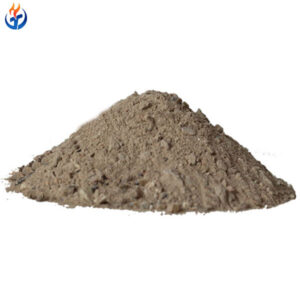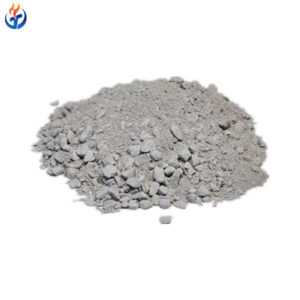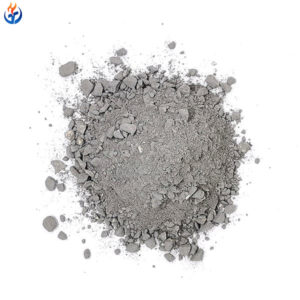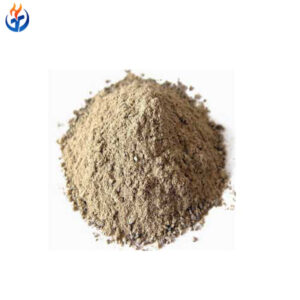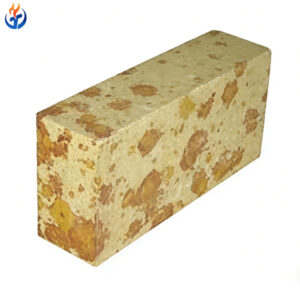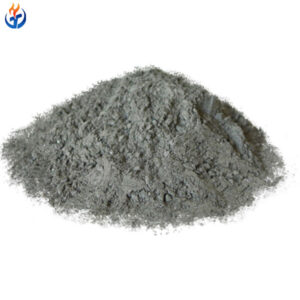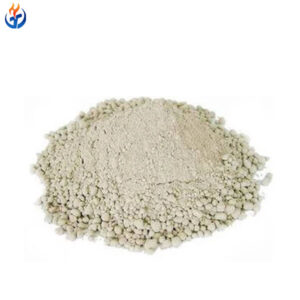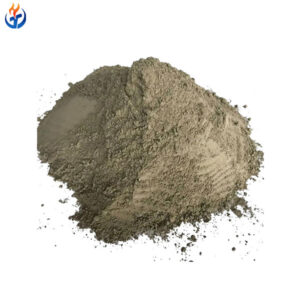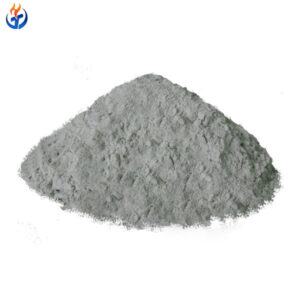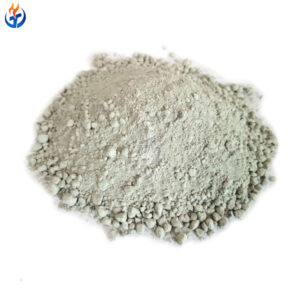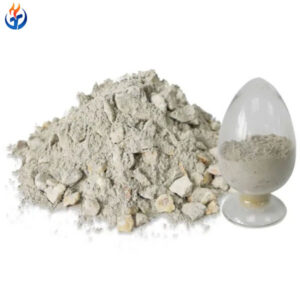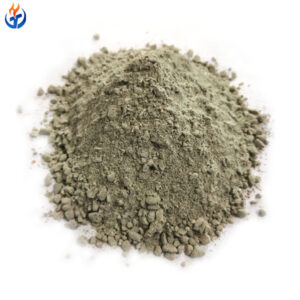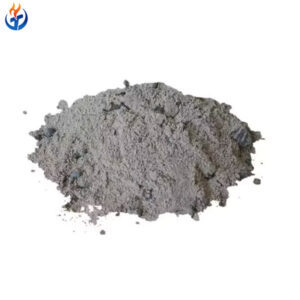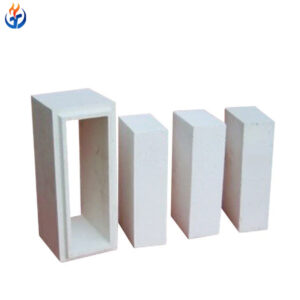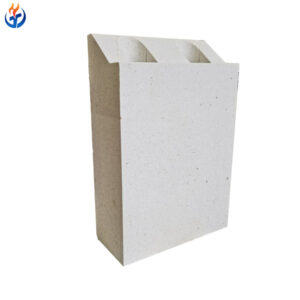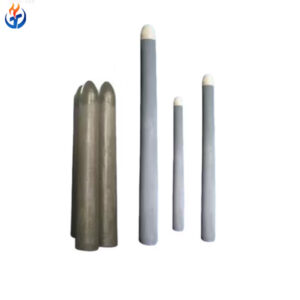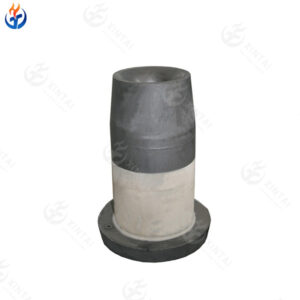
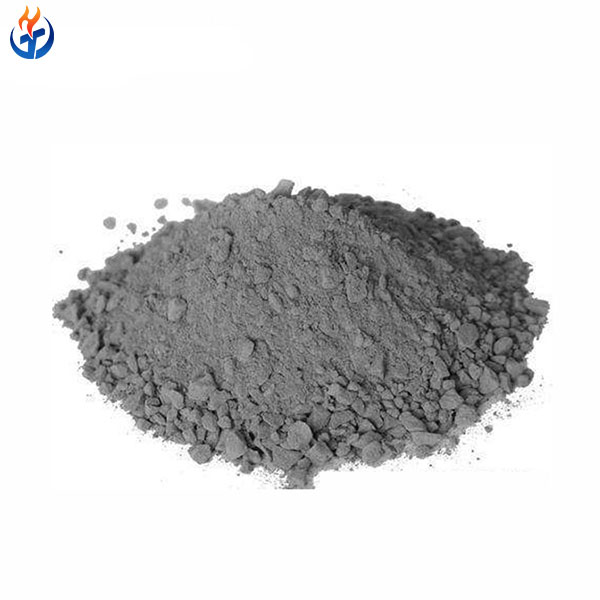
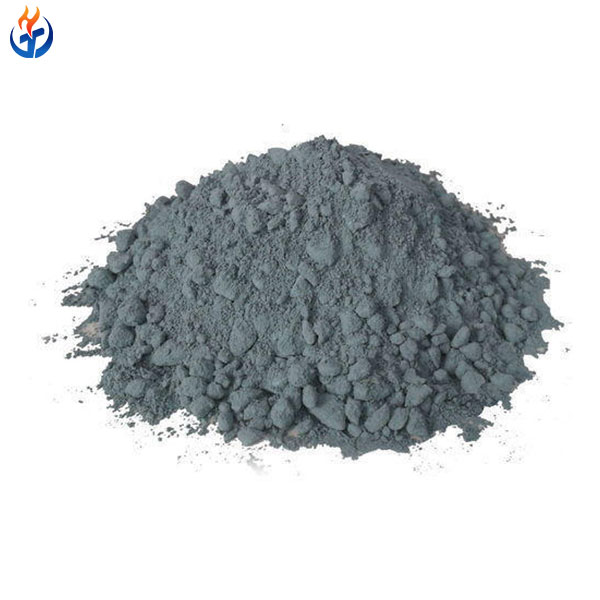
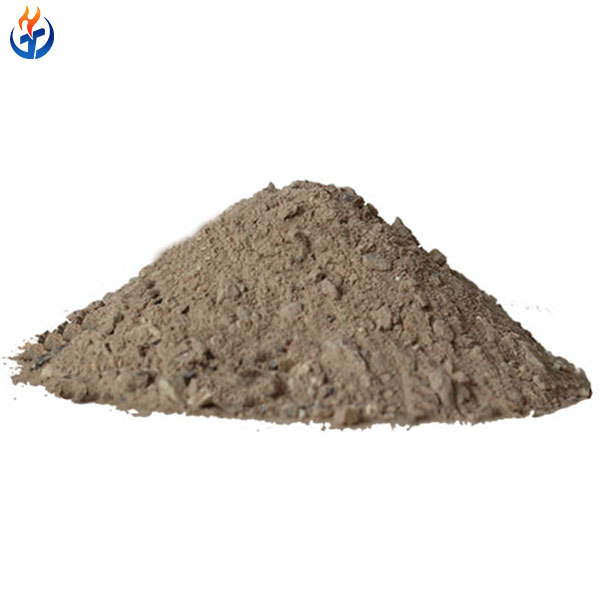
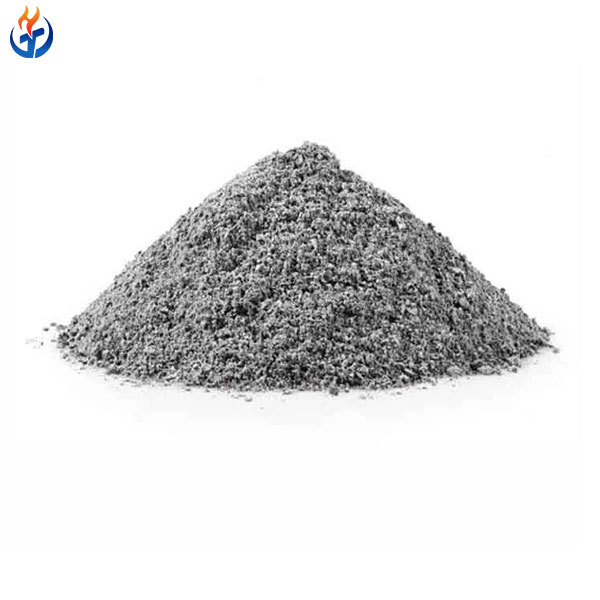
Low Cement Castable Refractory is a high-performance monolithic refractory material developed with reduced calcium aluminate cement content (typically 3–8%) and optimized particle size distribution. By replacing part of the cement with ultrafine reactive powders, this castable achieves superior mechanical strength, lower porosity, higher bulk density, and excellent resistance to thermal shock, abrasion, and chemical erosion.
Compared with conventional refractory castables, low cement castable refractory offers higher service temperature, improved high-temperature stability, and longer service life. It is widely used in metallurgy, power generation, petrochemical, chemical processing, and various high-temperature industrial kilns and furnaces where severe working conditions exist.
Technical Specifications
| Item | Item 1 | Item 2 | Item 3 |
|---|---|---|---|
| Al₂O₃ Content (%) | ≥65 | ≥80 | ≥90 |
| Aggregate | Mullite | Corundum | Corundum |
| Cement Content (%) | 3–8 | 3–8 | 3–8 |
| CaO Content (%) | 1–3 | 1–3 | 1–3 |
| Bulk Density (g/cm³, 110℃ × 24h) | ≥2.6 | ≥2.8 | ≥3.0 |
| Maximum Service Temperature (℃) | 1600 | 1700 | 1800 |
| Refractoriness (℃) | ≥1750 | ≥1790 | ≥1790 |
| Cold Crushing Strength (MPa, 1000℃ × 3h) | ≥50 | ≥50 | ≥50 |
| Cold Crushing Strength (MPa, 1400℃ × 3h) | ≥70 | ≥80 | ≥80 |
| Permanent Linear Change (1300℃) | ≤±0.5% | ≤±0.5% | ≤±0.5% |
Key Features
Low Cement Content (3–8%): Reduced CaO content improves refractoriness and corrosion resistance.
High Mechanical Strength: Excellent cold crushing strength and load-bearing capacity after firing.
Low Porosity & High Density: Compact structure enhances resistance to slag penetration and erosion.
Excellent Thermal Shock Resistance: Maintains structural integrity under rapid temperature changes.
Superior Abrasion and Erosion Resistance: Suitable for areas exposed to material flow, impact, and scouring.
Stable Volume Performance: Low permanent linear change ensures dimensional stability during service.
Typical Applications
Low Cement Castable Refractory is suitable for medium- and high-temperature zones subjected to mechanical stress, chemical attack, and thermal cycling, including:
Blast furnace iron runners and iron notches
Ladle linings and ladle covers
Electric arc furnace roofs and furnace tops
Tundish linings and tapping spouts
Refining furnace components
Rotary kiln linings
Heating furnaces, soaking pits, and annealing furnaces
High-temperature nozzles and burner blocks
Water-cooled tube bonding linings
Special grades such as mullite, corundum, and zirconia-corundum low cement castables are available for demanding service environments.
Production Details
Raw Materials: High-purity alumina, mullite, corundum aggregates, calcium aluminate cement, and ultrafine active powders
Manufacturing Process: Accurate batching, intensive mixing, particle grading optimization, and strict quality inspection
Quality Control: Each batch is tested for chemical composition, bulk density, strength, and thermal properties to ensure stable performance
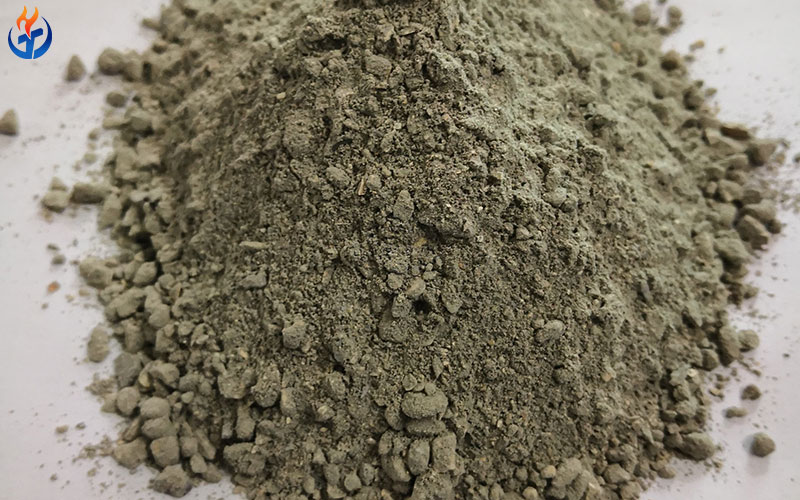
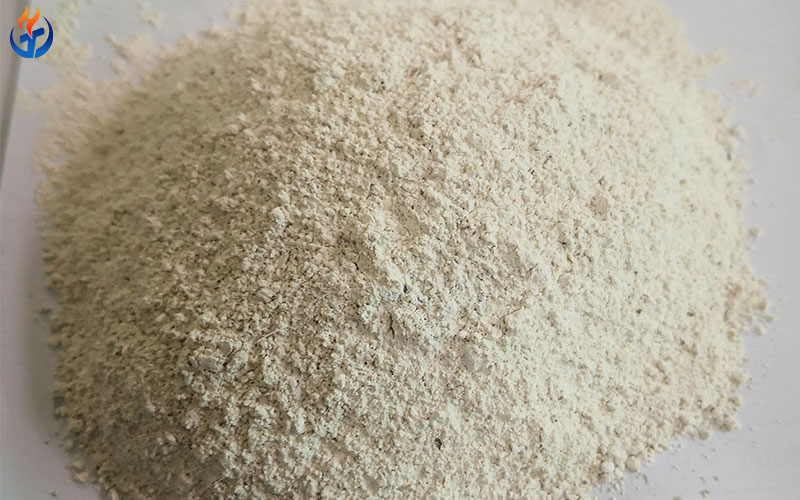
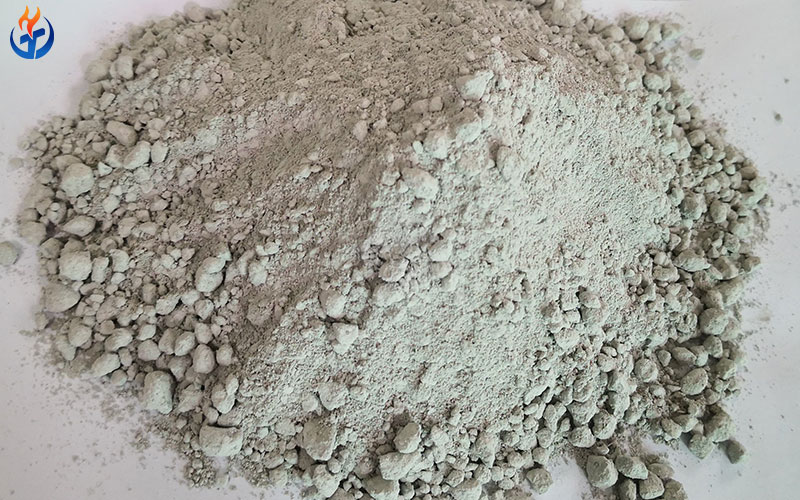
Packing and Shipping Details
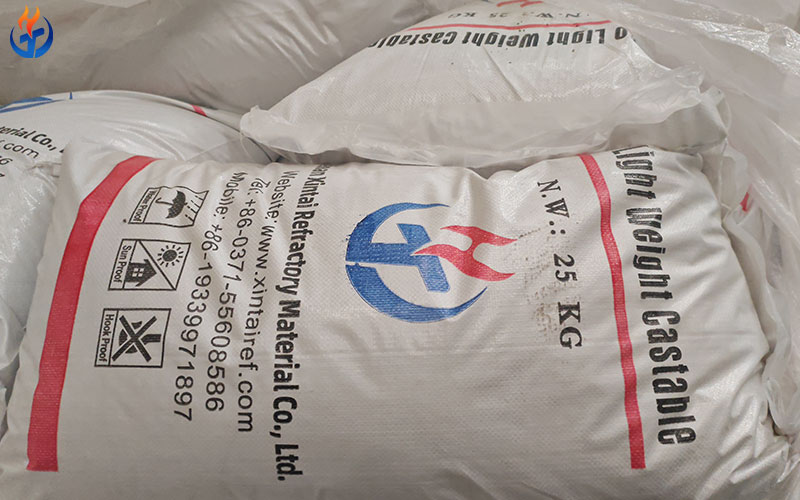
Packaging: 25 kg per bag, moisture-proof sealed bags
Shelf Life: 3 months when stored in a dry, cool environment
Storage Conditions: Keep sealed, avoid moisture and direct exposure to rain
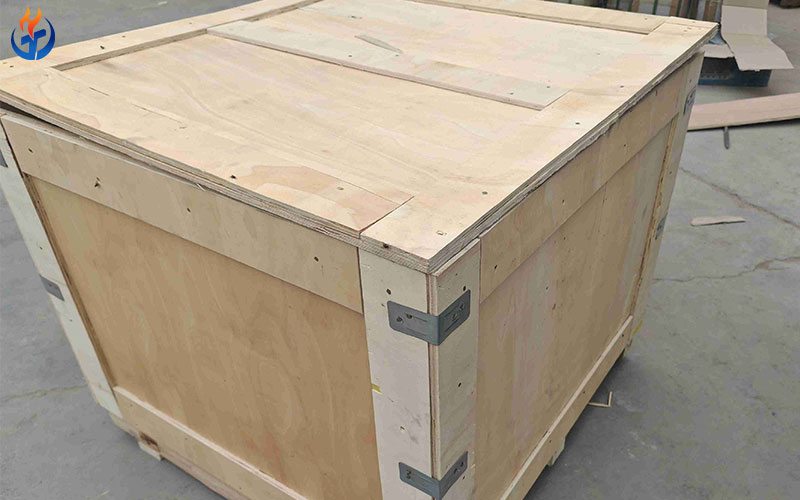
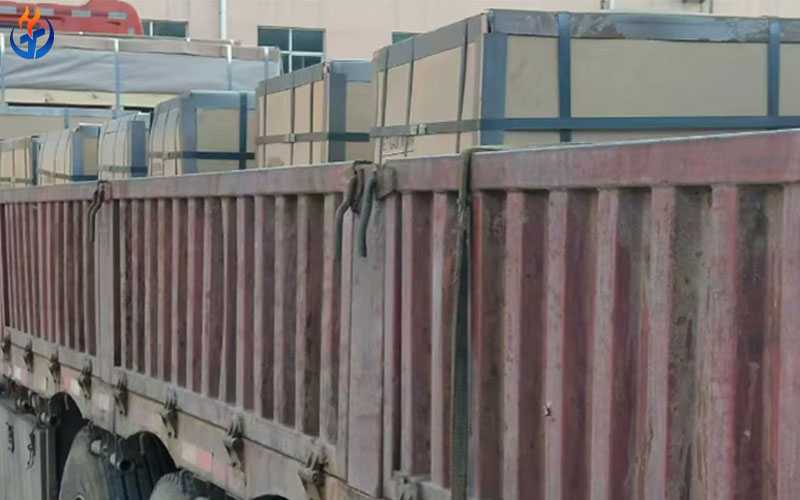
Shipping: Available by sea, land, or containerized transport; palletized packing optional for long-distance delivery
Frequently Asked Questions (FAQ)
Q1: What is the difference between low cement castable and conventional castable?
Low cement castable contains significantly less cement, resulting in lower CaO content, higher refractoriness, higher strength after firing, and better resistance to slag and thermal shock.
Q2: Can low cement castable replace ultra-low cement or non-cement castables?
Low cement castable offers excellent overall performance and cost efficiency, but ultra-low or non-cement castables may be preferred for extremely severe corrosion or ultra-high temperature applications.
Q3. How is low cement castable installed?
It is typically installed by casting or vibration molding. Proper water addition and mixing are essential to achieve optimal performance.
Q4: Is customization available for specific furnaces or kilns?
Yes. The formulation can be customized based on service temperature, slag composition, abrasion level, and installation method.
Q5: What is the typical service life?
Service life depends on operating conditions, but low cement castable refractory generally lasts significantly longer than traditional castables under the same conditions.