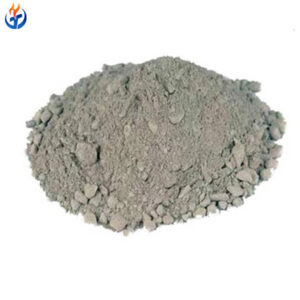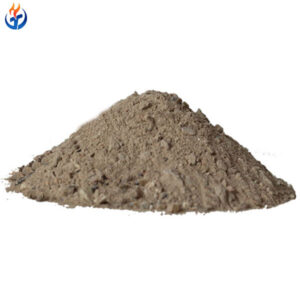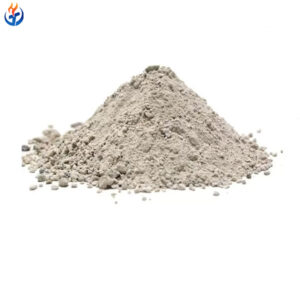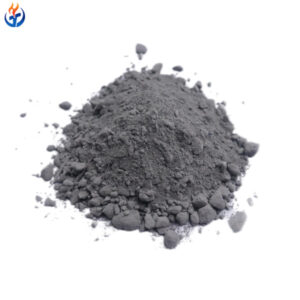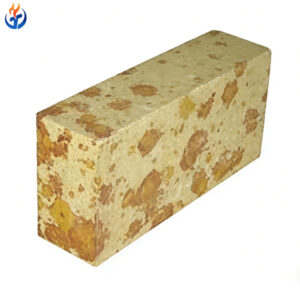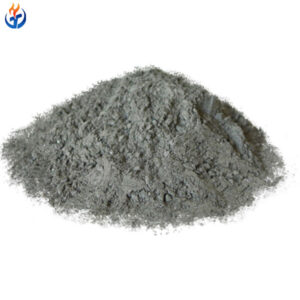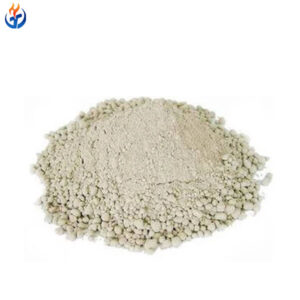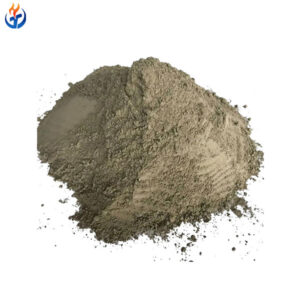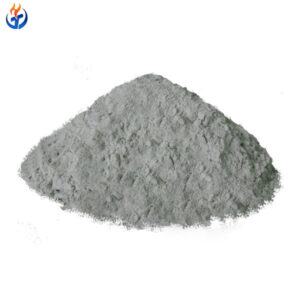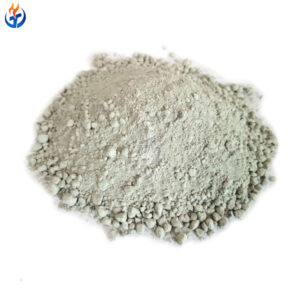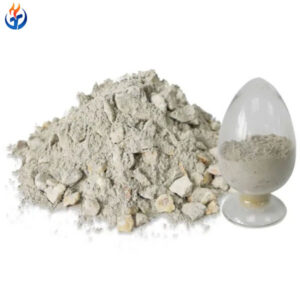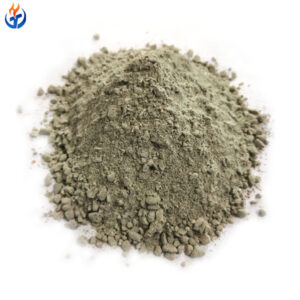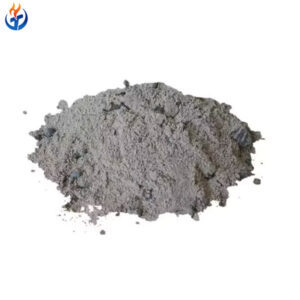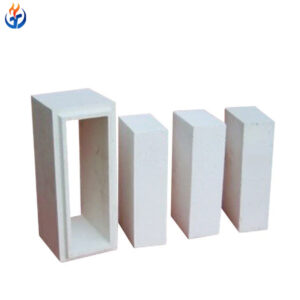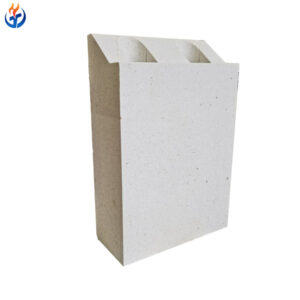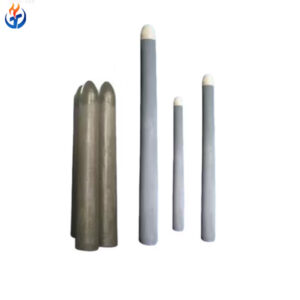

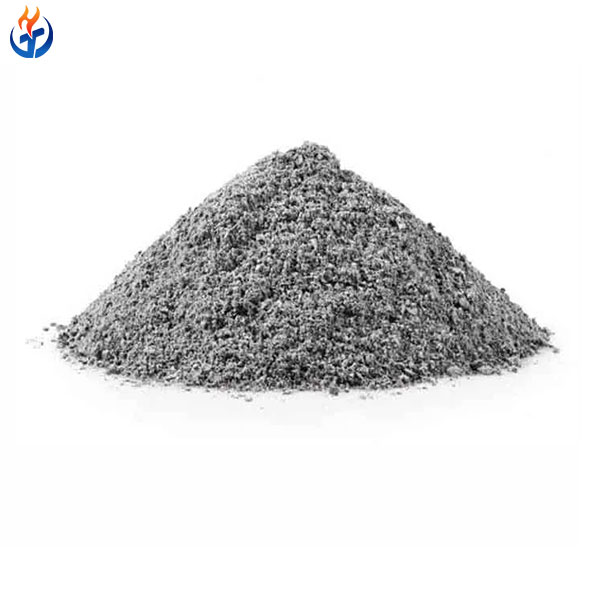
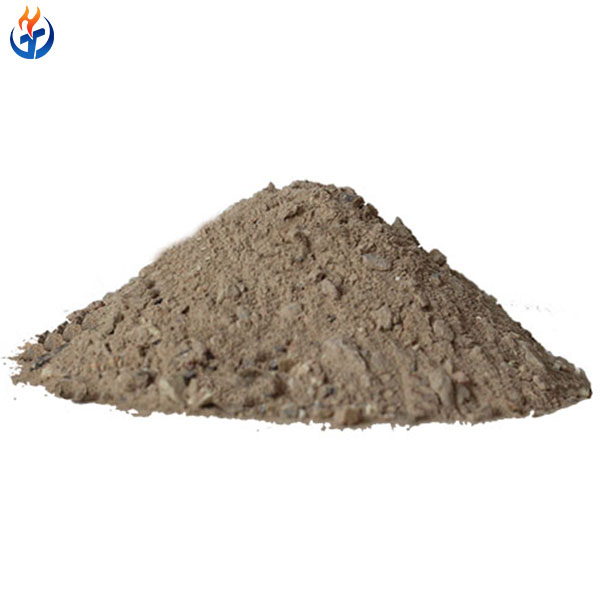

Lightweight Insulating Castable Refractory is a high-efficiency insulation material developed for industrial furnaces, kilns, and thermal equipment where heat preservation, energy saving, and reduced lining weight are required. By combining lightweight aggregates with optimized alumina-based binders, this castable provides excellent thermal insulation while maintaining sufficient mechanical strength and dimensional stability under high-temperature conditions.
Compared with dense refractory castables and insulating bricks, lightweight insulating castable offers lower thermal conductivity, easier installation, and greater design flexibility, making it an ideal solution for insulation layers and backup linings in modern furnace systems.
Technical Specifications
| Item | KSL-60 | KSL-65 | KSL-70 |
|---|---|---|---|
| Al₂O₃ Content (%) | 60 | 65 | 70 |
| Bulk Density (g/cm³) (110℃ × 24h) | 2.40 | 2.60 | 2.80 |
| Cold Crushing Strength (MPa) | |||
| – 110℃ × 24h | 55 | 60 | 65 |
| – 1000℃ × 3h | 80 | 90 | 100 |
| Modulus of Rupture (MPa) | |||
| – 110℃ × 24h | 7 | 8 | 9 |
| – 1000℃ × 3h | 9 | 11 | 13 |
| Linear Change after Firing (%) (1000℃ × 3h) | ±0.3 | ±0.3 | ±0.3 |
| Room Temperature Wear (cm³) (1000℃ × 3h) | 9 | 8 | 7 |
| Thermal Shock Resistance (Times) (1000℃) | 20 | 20 | 20 |
| Max Service Temperature (℃) | 1400 | 1450 | 1500 |
Key Features
Low Thermal Conductivity
Lightweight Structure
Stable Volume at High Temperature
Adequate Mechanical Strength
Flexible Installation
Typical Applications
Lightweight Insulating Castable Refractory is widely used as an insulation or backup lining material in various high-temperature industries, including:
Ceramic and brick kilns
Glass melting furnaces and forehearths (insulation layers)
Steel and non-ferrous metal furnaces (backup lining)
Boilers, incinerators, and heat treatment furnaces
Chimneys, flues, and hot gas ducts
Production Details
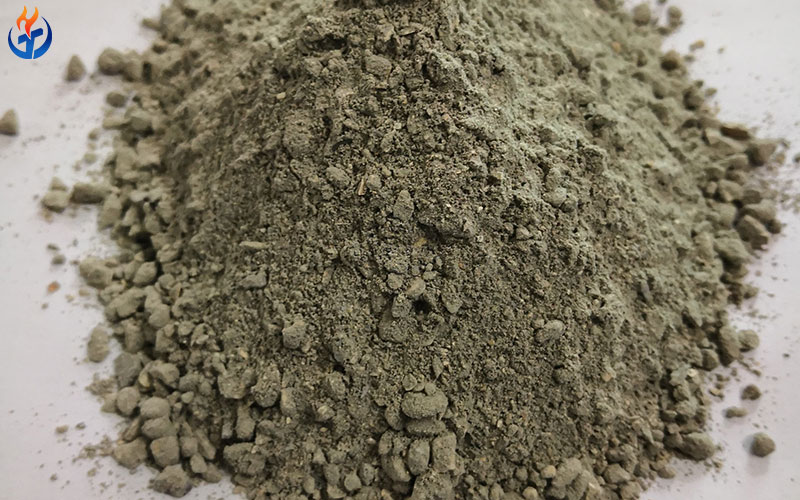
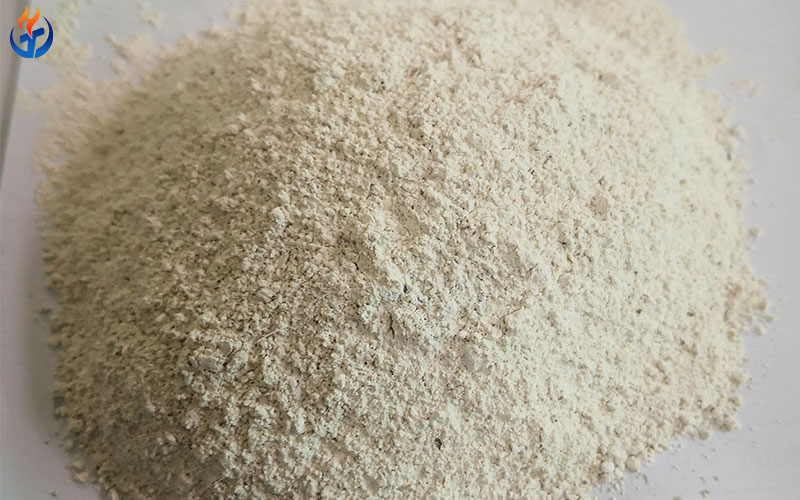
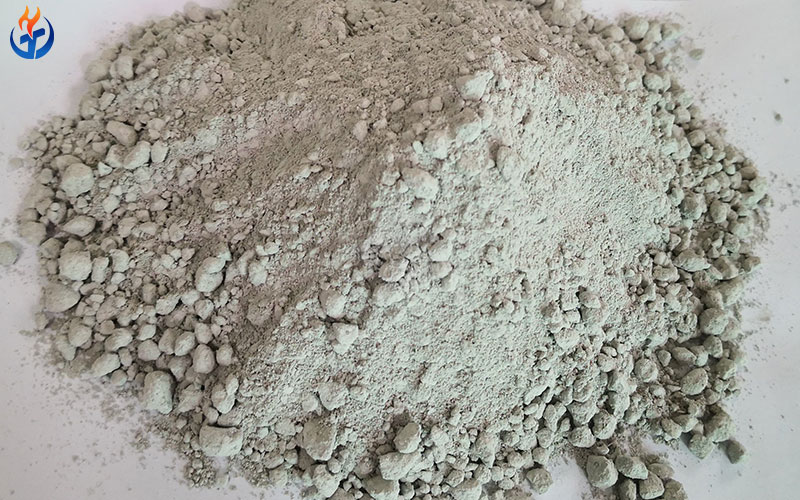
The castable is produced using carefully graded lightweight aggregates, high-purity alumina components, and optimized binders. Strict quality control is applied throughout raw material selection, batching, mixing, and final inspection to ensure consistent performance.
Each batch is tested for bulk density, strength, and thermal properties to meet industrial application requirements. Customized formulations can be provided according to specific service temperatures and working conditions.
Packing and Shipping Details
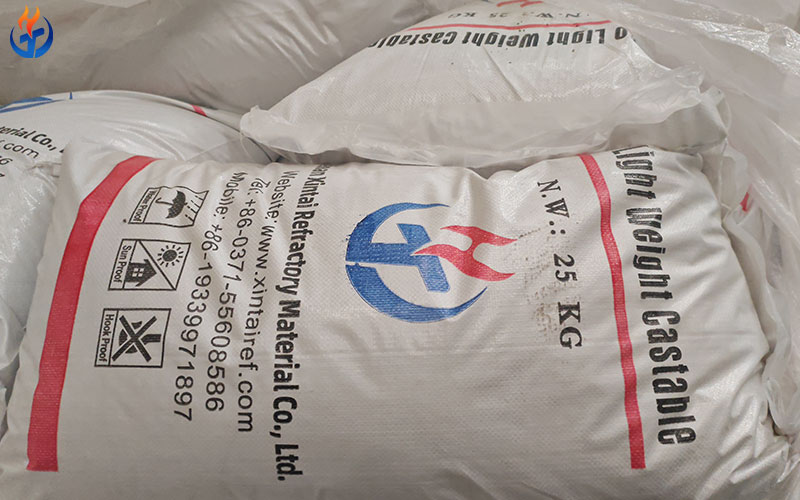
Standard Packing: 25 kg moisture-proof bags
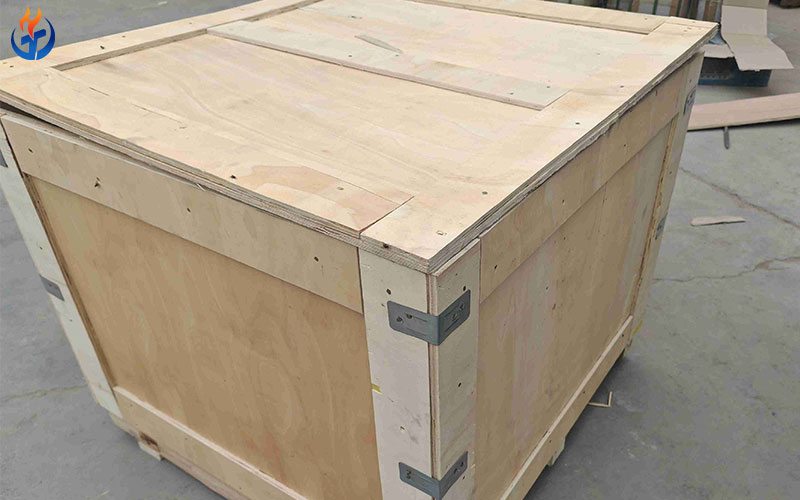
Optional Packing: Jumbo bags or customized packaging upon request
Storage: Keep in a dry and ventilated place, protected from moisture
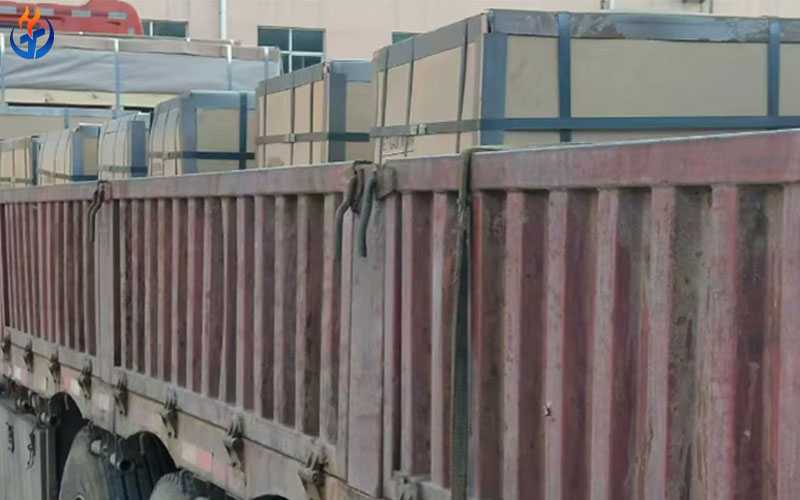
Shipping: Suitable for sea, land, and air transportation
Proper packaging ensures material stability and performance during long-distance transportation.
Frequently Asked Questions (FAQ)
Q1: What is the main purpose of lightweight insulating castable refractory?
It is mainly used as an insulation or backup lining material to reduce heat loss and improve energy efficiency in industrial furnaces.
Q2: Can it replace insulating fire bricks?
In many applications, yes. Lightweight insulating castable offers easier installation and better adaptability to complex furnace structures compared to insulating bricks.
Q3. Is it suitable for direct flame contact?
It is generally used behind dense refractory materials. For direct flame contact, dense refractory castables or bricks are recommended.
Q4: How do I choose the right grade?
Grade selection depends on operating temperature, required insulation performance, and mechanical strength. Technical support is available upon request.
Q5: How long is the curing and drying time after installation?
Initial setting usually occurs within 24 hours. Controlled curing and drying schedules are recommended before heating to ensure optimal performance.