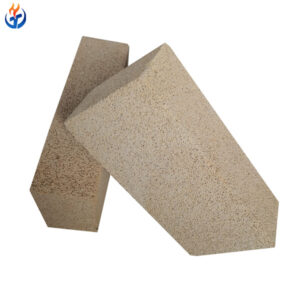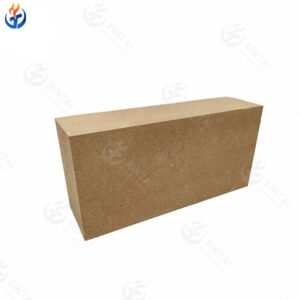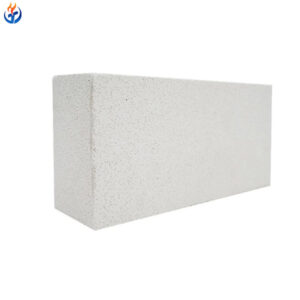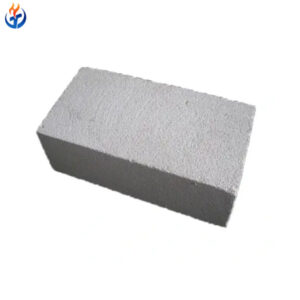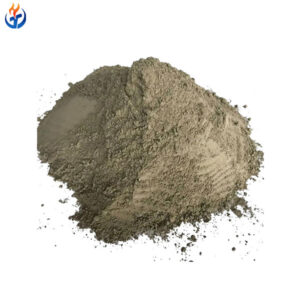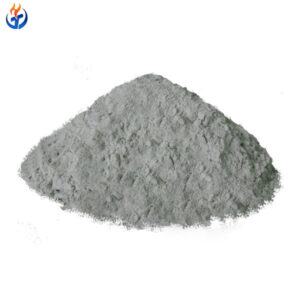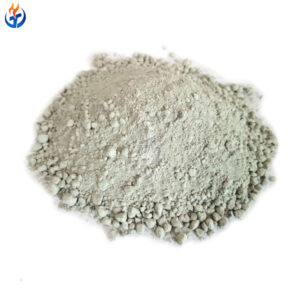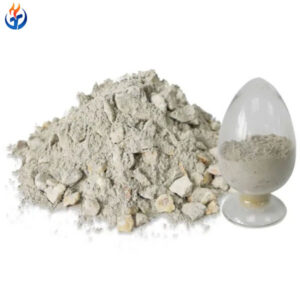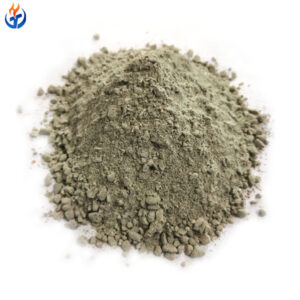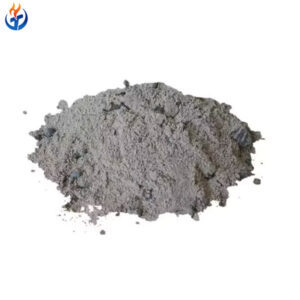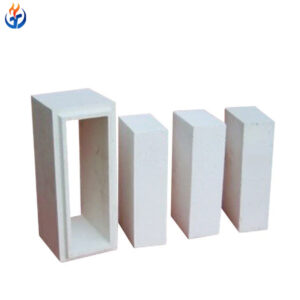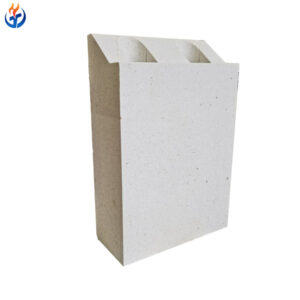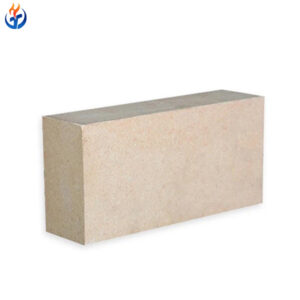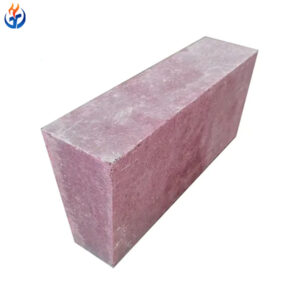
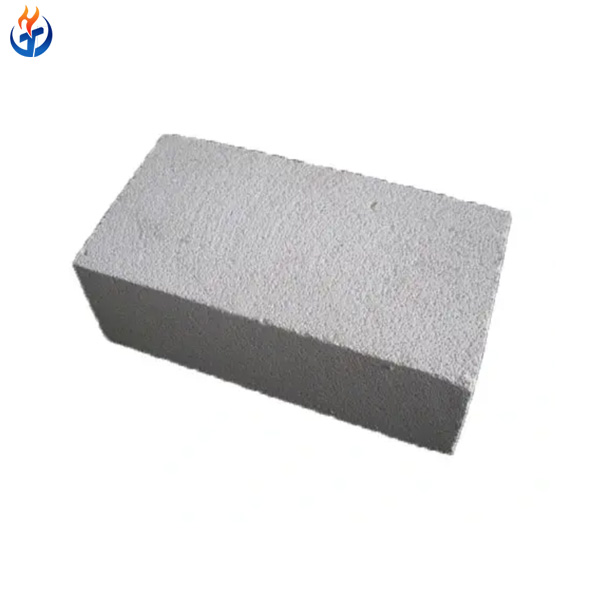
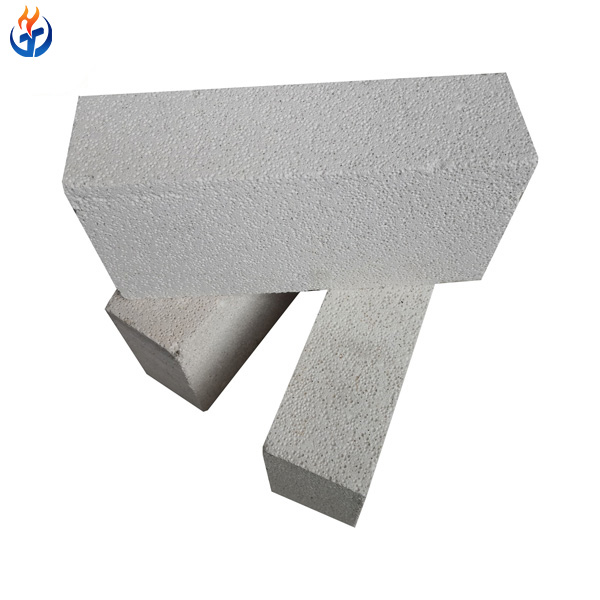
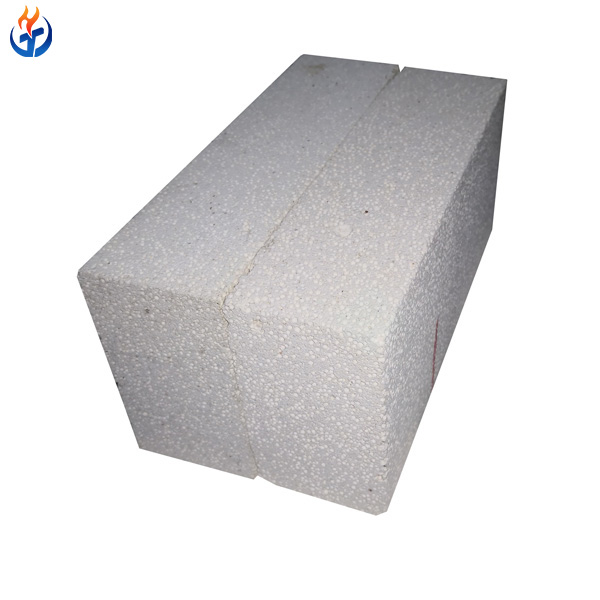
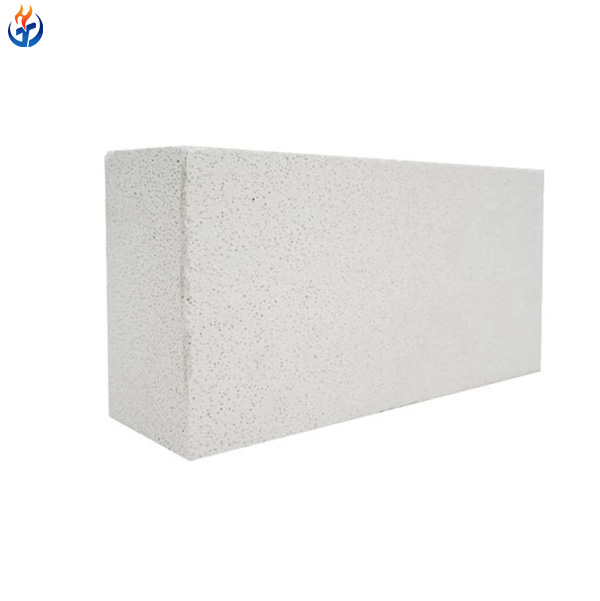
Light Weight Mullite Insulation Bricks are high-performance refractory materials designed for superior thermal insulation in industrial furnaces and kilns. Manufactured from high-purity mullite, high-alumina materials, and carefully selected lightweight aggregates, these bricks offer excellent porosity, low thermal conductivity, and outstanding heat resistance. Their lightweight structure significantly reduces furnace load, minimizes heat loss, and improves energy efficiency, making them ideal for various high-temperature environments up to 1350–1700°C depending on the grade (JM-23, JM-26, JM-28, JM-30). With stable performance and long service life, they are widely used in ceramic, steel, glass, non-ferrous metal, and petrochemical industries.
Technical Specifications
| Property | Value |
|---|---|
| Al₂O₃ (%) | ≥60 |
| Fe₂O₃ (%) | ≤1.0 |
| Bulk Density (g/cm³) | 0.6–1.2 |
| Cold Crushing Strength (MPa) | 1.0–3.5 |
| Reheat Linear Change (1400°C×12h) % | ≤0.3 |
| Thermal Conductivity (200–600°C) (W/m·K) | 0.18–0.56 |
Key Features
Low Thermal Conductivity: High porosity and uniform structure ensure exceptional insulation, reducing energy consumption in industrial furnaces.
Light Weight & Low Bulk Density: Significantly lighter than dense fire bricks, reducing the structural load and supporting energy-saving furnace designs.
Excellent Thermal Shock Resistance: Withstands frequent temperature changes without cracking, ideal for furnaces with continuous heating cycles.
High-Temperature Resistance: Stable mullite crystallization ensures high refractoriness up to 1350–1700°C depending on the grade.
Good Mechanical Strength: Despite being lightweight, the brick maintains adequate compression strength for industrial furnace linings.
Typical Applications
Light weight mullite insulation bricks are widely used as thermal insulation materials in many types of industrial furnaces:
Metallurgical Industry: hot blast furnaces, heating furnaces, steel ladle covers, electric furnace insulation layers
Ceramic Industry: shuttle kilns, tunnel kilns, roller kilns, kiln car insulation
Glass & Non-Ferrous Industry: glass melting furnaces, aluminum furnaces, copper/zinc smelting furnaces
Petrochemical Industry: reforming furnaces, cracking furnaces, hydrogen production furnaces
Other Equipment: laboratory furnaces, heat-treatment furnaces, incinerators, thermal reactors
These bricks are mainly used as insulation or back-up linings together with dense refractory bricks.
Production Details
Raw Materials: high-purity mullite, calcined alumina, lightweight aggregates, and binding agents
Forming: high-pressure molding or vacuum extrusion for uniform density
Drying & Sintering: controlled drying and high-temperature sintering to ensure strength and stability
Precision Cutting: accurate sizing and smooth surfaces for easy installation
Quality Control: tests for density, thermal conductivity, crushing strength, RUL, porosity, and mineral composition
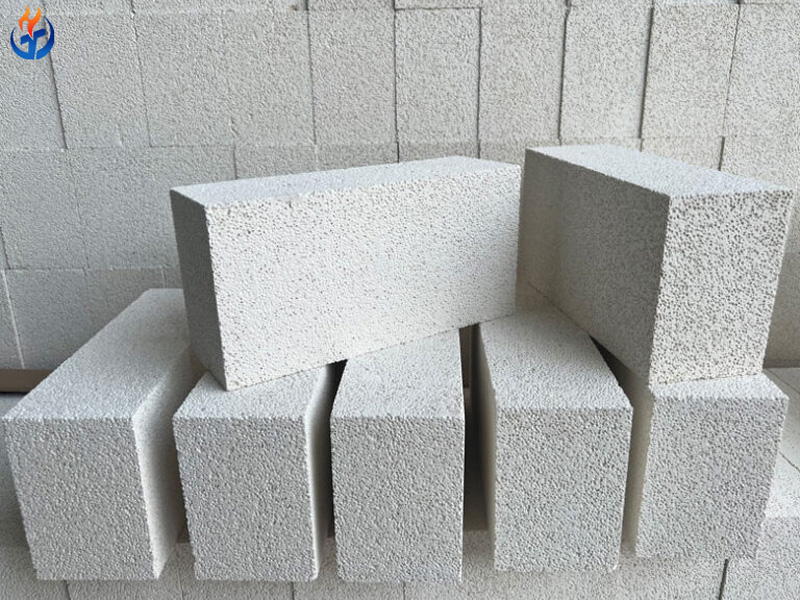
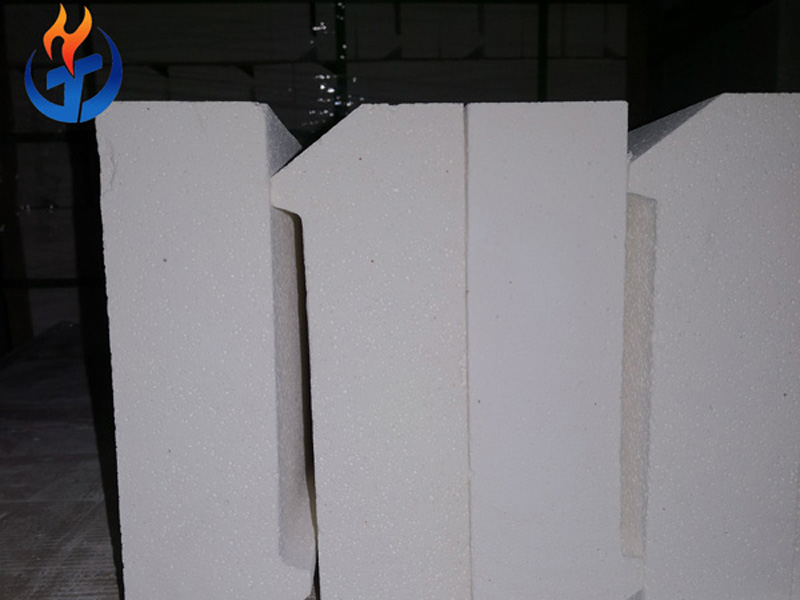
Packing and Shipping Details
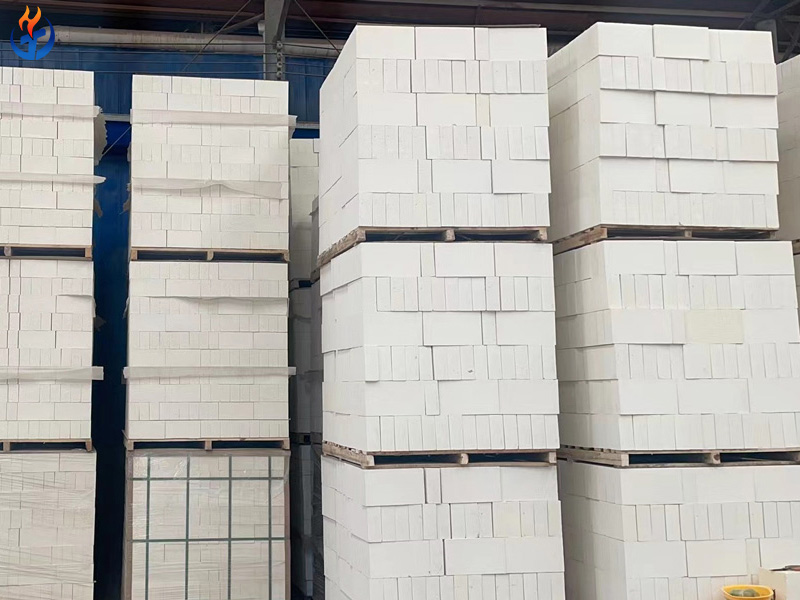
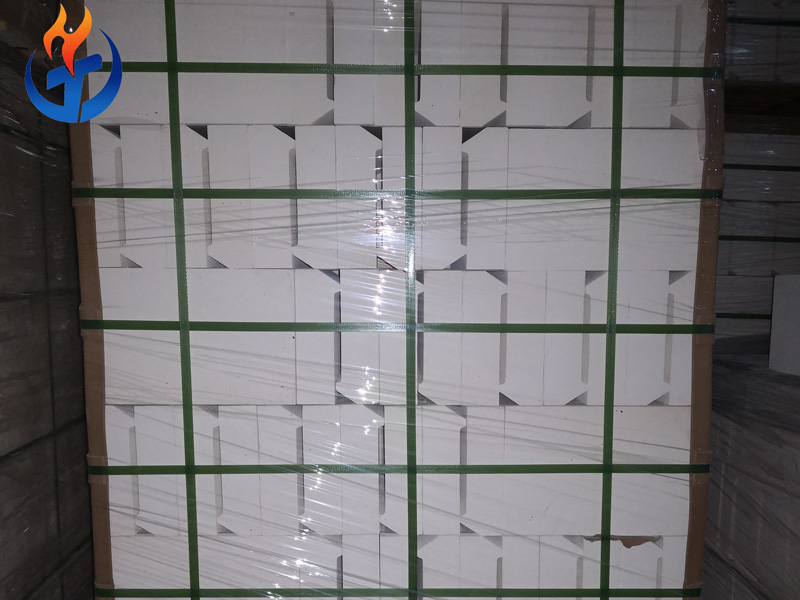
Packing: carton or paper wrapping, placed on strong fumigated wooden pallets, moisture-proof film, and custom labels
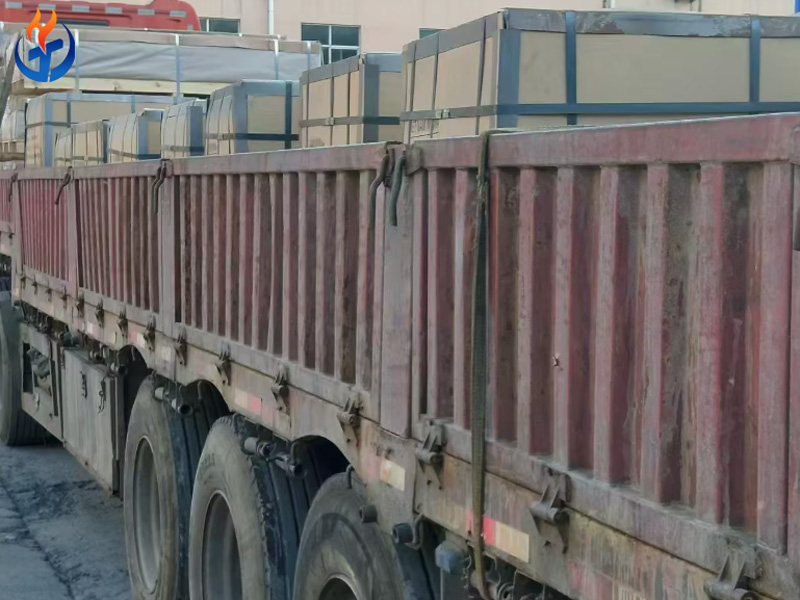
Shipping: sea, air, or express transport; reinforced packaging for long-distance delivery; supports FCL and LCL
Storage: keep in a dry, covered area, away from moisture and corrosive chemicals
Frequently Asked Questions (FAQ)
Q1: What grades of lightweight mullite insulation bricks do you supply?
We provide standard grades such as JM-23, JM-26, JM-28, and JM-30, covering working temperatures from 1260°C to 1700°C.
Q2: Can you customize brick sizes?
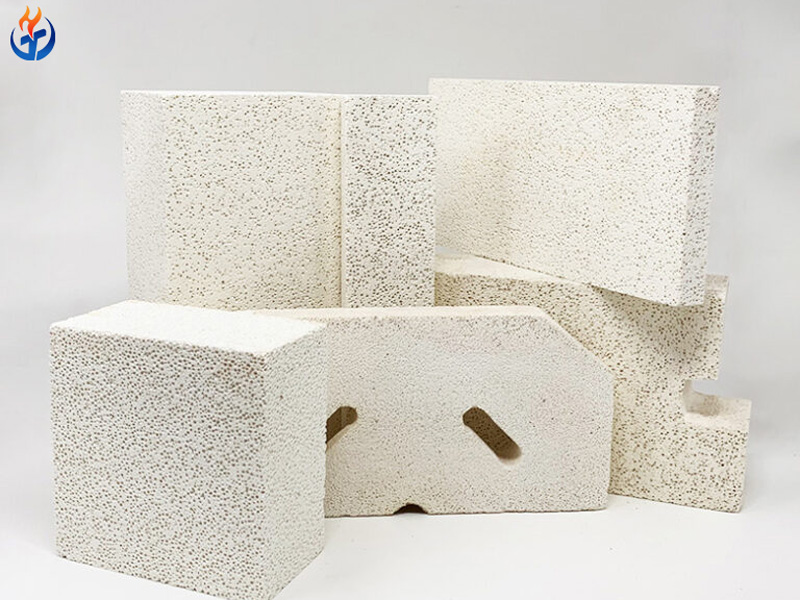
Yes. We support custom sizes, shapes (arch, wedge), and special refractories according to drawings.
Q3. What is the main advantage of mullite insulation bricks?
They offer excellent thermal insulation, reducing energy consumption and prolonging furnace life.
Q4: Are these bricks suitable for direct contact with molten metal?
No. Lightweight insulation bricks are intended for insulation layers, not for direct contact with slag or molten metals.
Q5: How should Mullite Insulation Bricks be stored before installation?
Store the bricks in a dry, covered place to prevent moisture absorption, which can affect their insulation performance and durability.