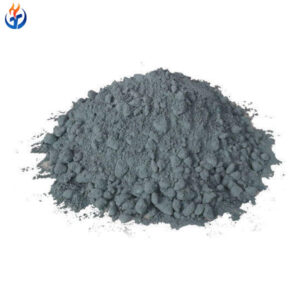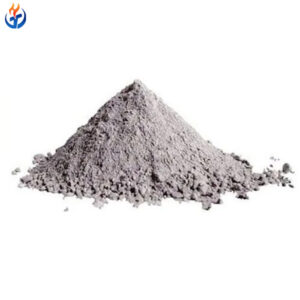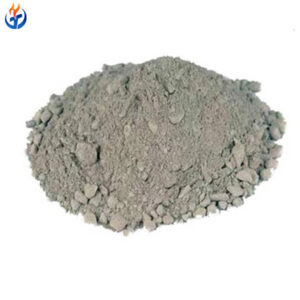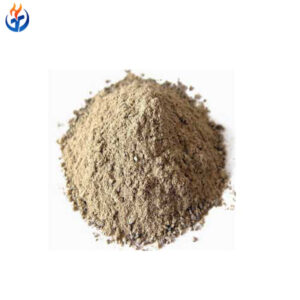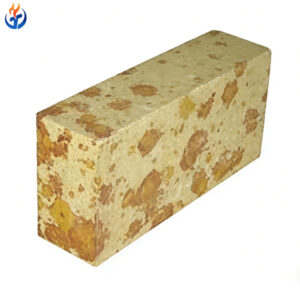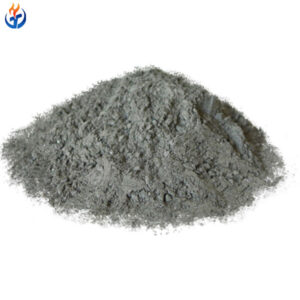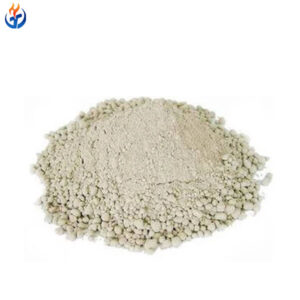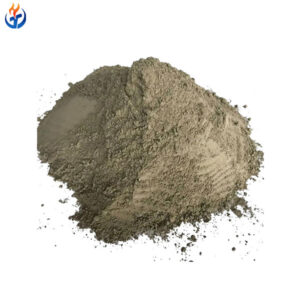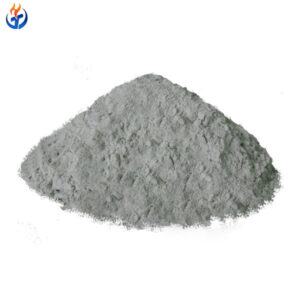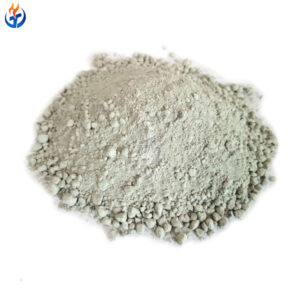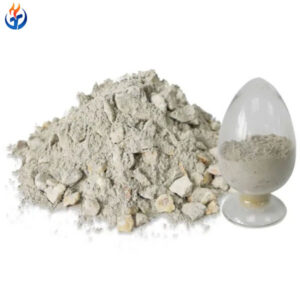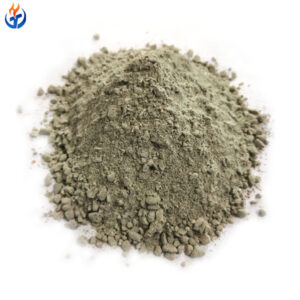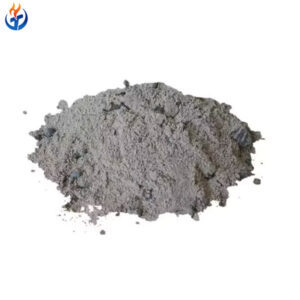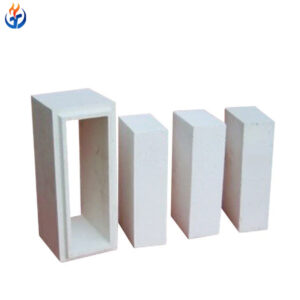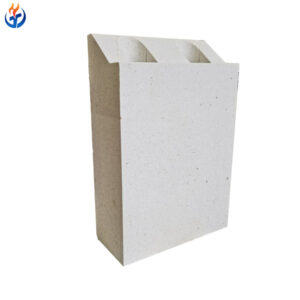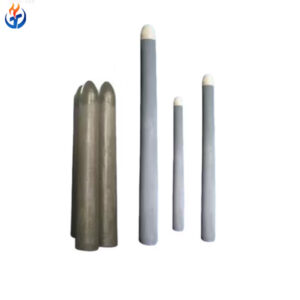
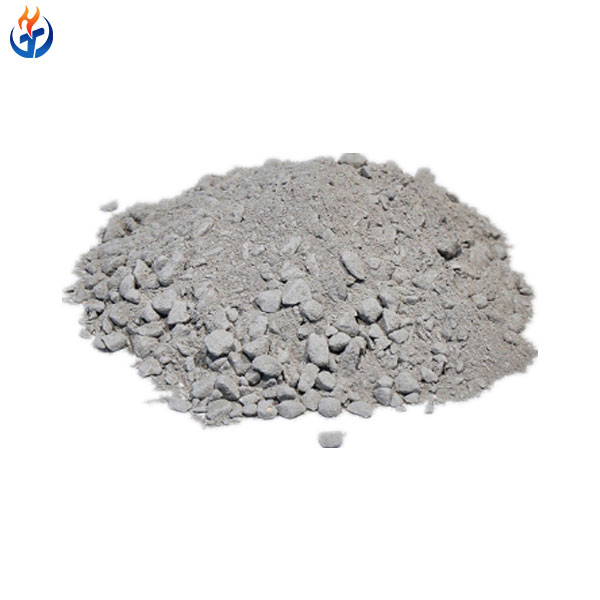
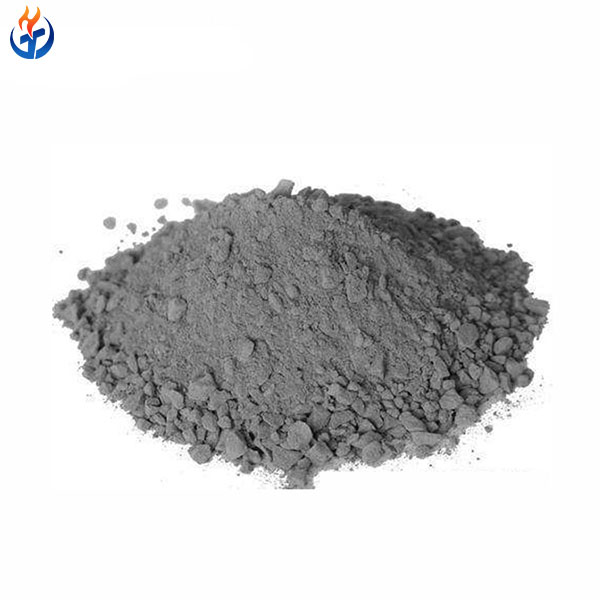
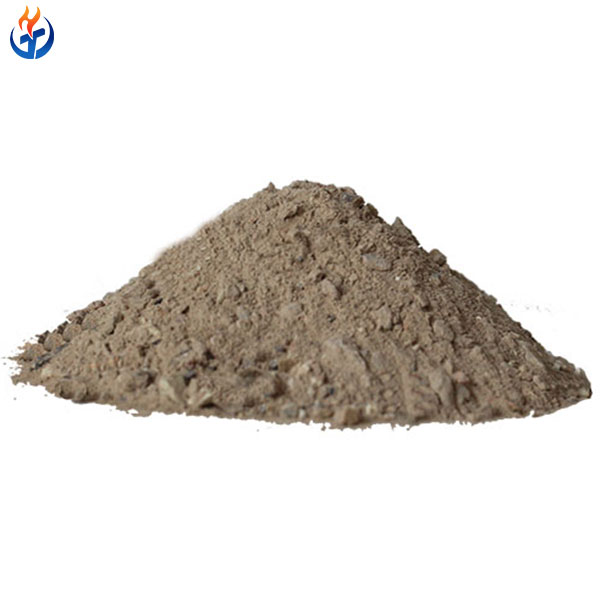
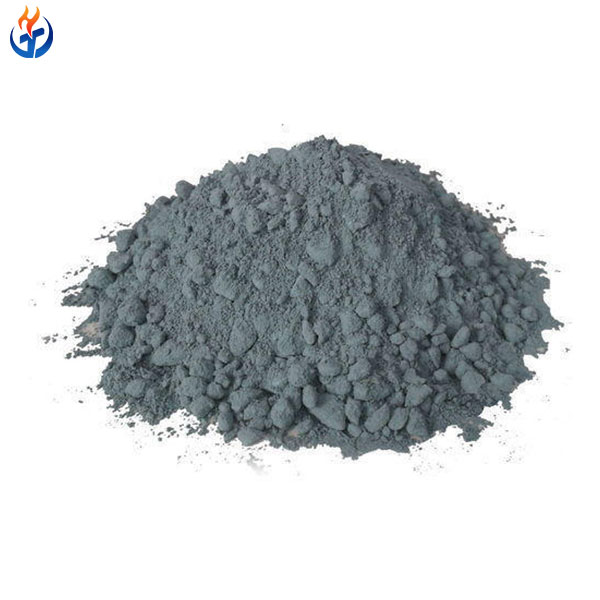
High Alumina Refractory Castables are premium unshaped refractory materials formulated with high-purity alumina aggregates, graded refractory fillers, and high-performance binding systems. They are designed to provide excellent mechanical strength, thermal stability, and resistance to chemical and slag corrosion under high-temperature operating conditions.
These castables are widely used in industrial furnaces, kilns, and thermal equipment where high refractoriness, durability, and reliable lining performance are required. With good workability and controlled setting properties, High Alumina Refractory Castables are suitable for casting, vibration, and gunning installation methods, ensuring flexible on-site construction and long service life.
Technical Specifications
| Item | KSL-60 | KSL-65 | KSL-70 |
|---|---|---|---|
| Al₂O₃ Content (%) | 60 | 65 | 70 |
| Bulk Density (g/cm³) (110℃ × 24h) | 2.40 | 2.60 | 2.80 |
| Cold Crushing Strength (MPa) | |||
| – 110℃ × 24h | 55 | 60 | 65 |
| – 1000℃ × 3h | 80 | 90 | 100 |
| Modulus of Rupture (MPa) | |||
| – 110℃ × 24h | 7 | 8 | 9 |
| – 1000℃ × 3h | 9 | 11 | 13 |
| Linear Change after Firing (%) (1000℃ × 3h) | ±0.3 | ±0.3 | ±0.3 |
| Room Temperature Wear (cm³) (1000℃ × 3h) | 9 | 8 | 7 |
| Thermal Shock Resistance (Times) (1000℃) | 20 | 20 | 20 |
| Max Service Temperature (℃) | 1400 | 1450 | 1500 |
Key Features
High Al₂O₃ content with excellent refractoriness
High cold crushing strength and load-bearing capacity
Good thermal shock resistance and volume stability
Excellent resistance to slag, abrasion, and chemical corrosion
Low impurity content for improved high-temperature performance
Good workability and easy installation on site
Suitable for casting, vibration casting, and gunning applications
Typical Applications
High Alumina Refractory Castables are commonly used in the following industrial areas:
Steel ladles, tundishes, and reheating furnaces
Cement rotary kilns, preheaters, and kiln hoods
Non-ferrous metal smelting furnaces
Glass melting furnaces and regenerators
Petrochemical heaters, reformers, and incinerators
Ceramic kilns and high-temperature thermal equipment
Boiler linings and waste heat recovery systems
Production Details
Raw Materials: High-purity alumina aggregates, calcined bauxite, and optimized refractory fines
Binder System: High alumina cement or low-cement bonding system (customizable)
Al₂O₃ Content: Typically 50% – 90% (custom grades available)
Maximum Service Temperature: Up to 1700°C (depending on grade)
Installation Method: Casting, vibration casting, gunning
Quality Control: Strict raw material inspection, batching accuracy, and finished product testing
Customized formulations are available based on specific operating temperature, furnace atmosphere, and application requirements.
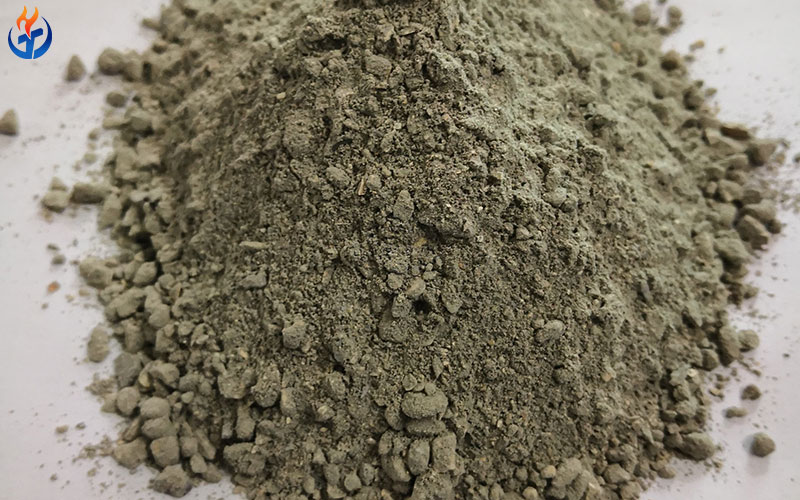
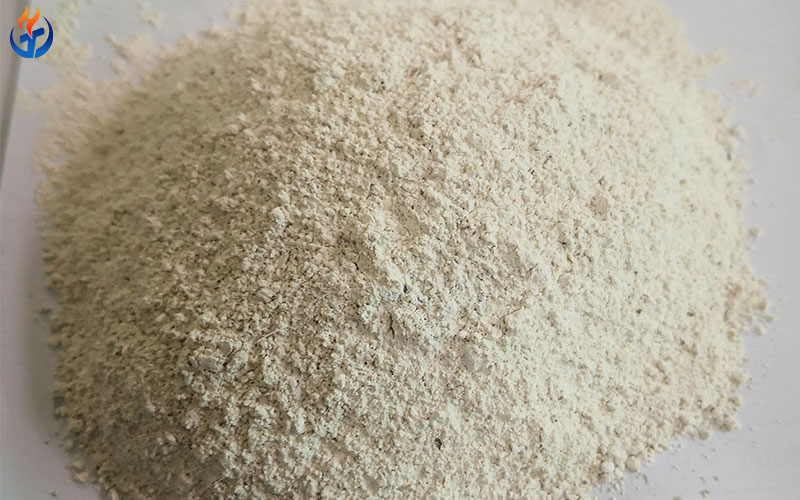
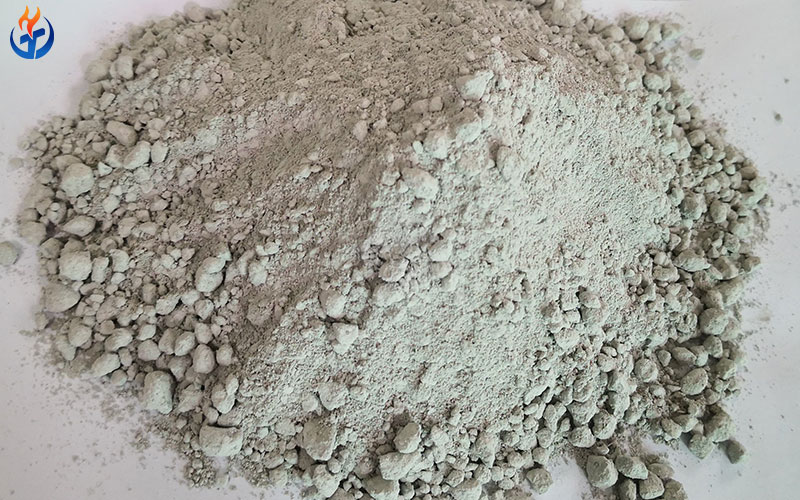
Packing and Shipping Details
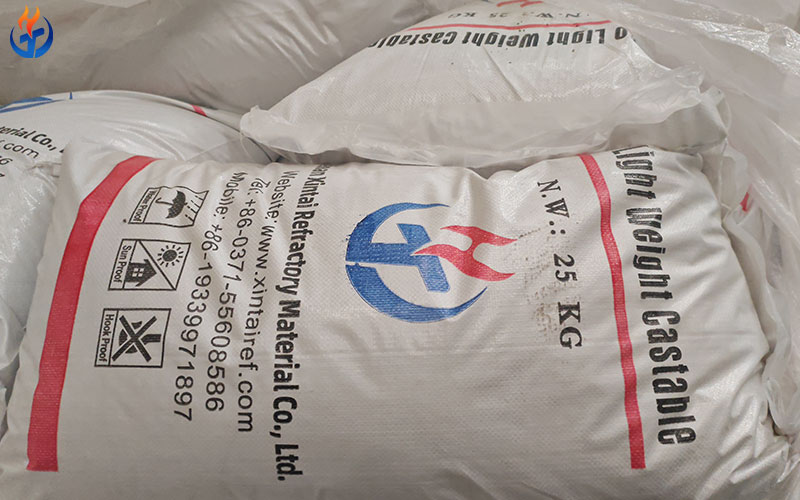
Packing: 25 kg plastic-lined woven bags or 1000 kg jumbo bags.
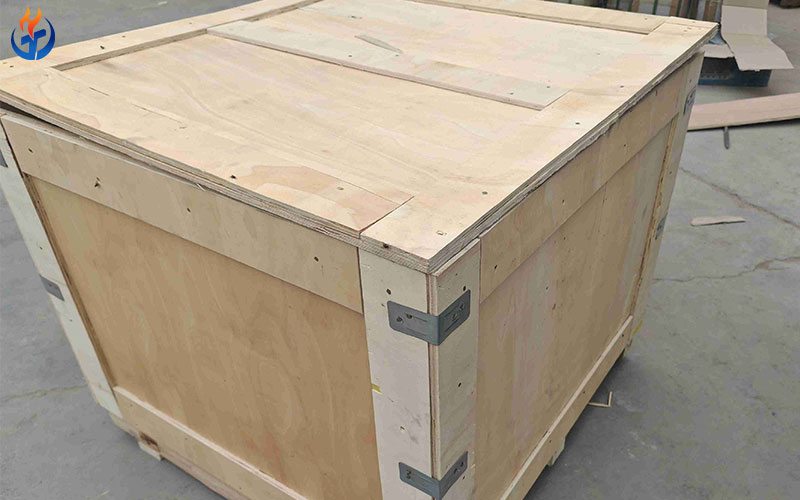
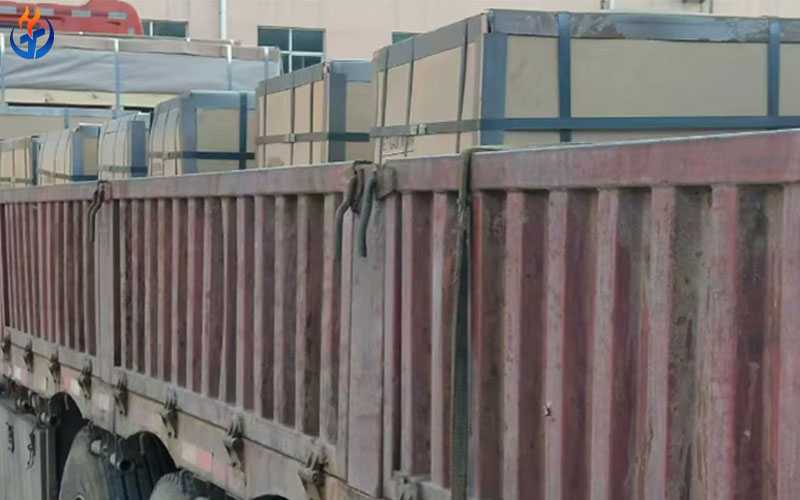
Palletized for Export: Each pallet is shrink-wrapped for stability.
Customized Labels: With product name, batch number, and handling instructions.
Lead Time: 7–10 working days from order confirmation.
Shipping: By sea, rail, or air as required. MSDS and COA available upon request.
Frequently Asked Questions (FAQ)
Q1: What alumina content can you supply for high alumina refractory castables?
We offer a wide range of alumina contents, typically from 50% to 90%. Customized grades can be produced according to application requirements.
Q2: Are low-cement or ultra-low cement castables available?
Yes. Low-cement and ultra-low cement high alumina castables are available for applications requiring higher strength and improved high-temperature performance.
Q3. What installation methods are suitable for this castable?
High Alumina Refractory Castables can be installed by casting, vibration casting, or gunning, depending on site conditions and equipment.
Q4: Can the product be customized for specific furnace conditions?
Absolutely. We can tailor the formulation based on working temperature, slag type, thermal cycling, and mechanical stress conditions.
Q5: How long is the curing and drying time after installation?
Initial setting usually occurs within 24 hours. Controlled curing and drying schedules are recommended before heating to ensure optimal performance.