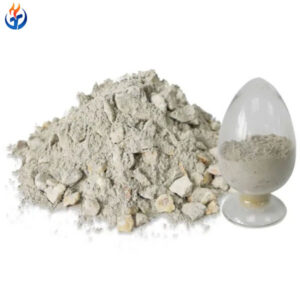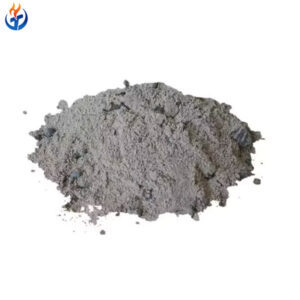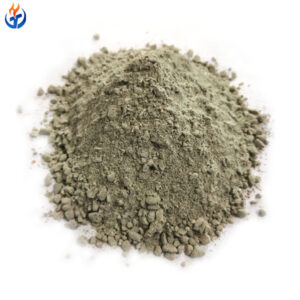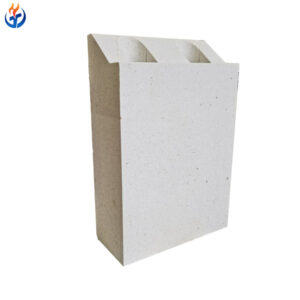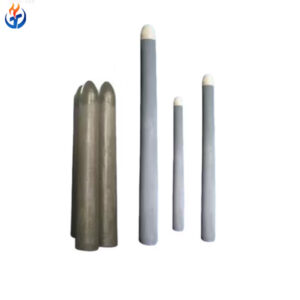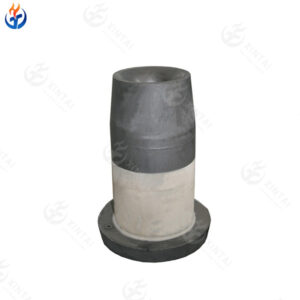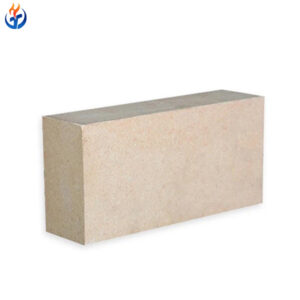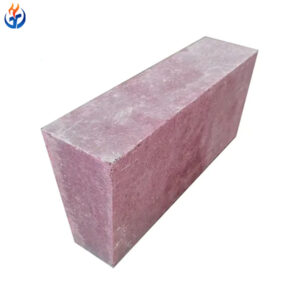

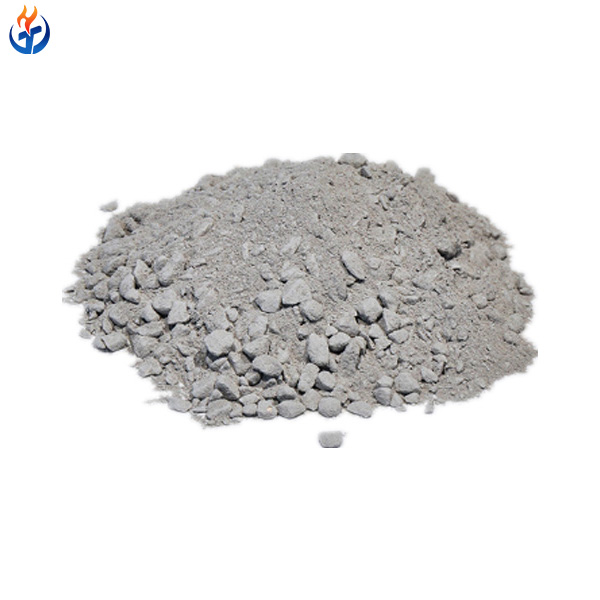
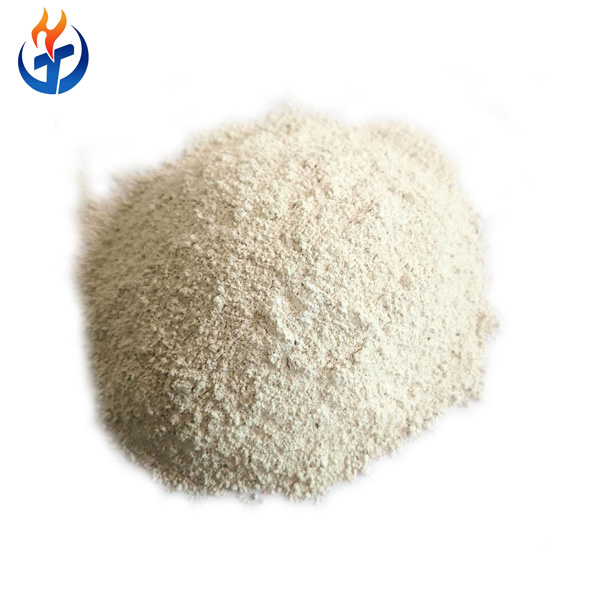

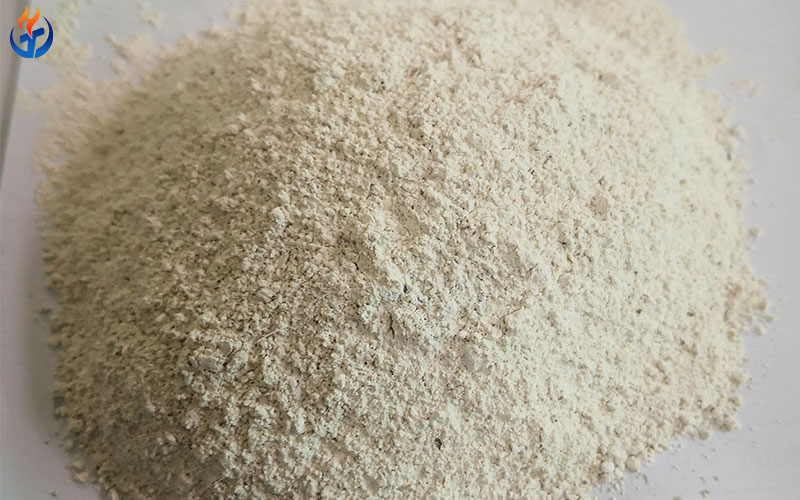
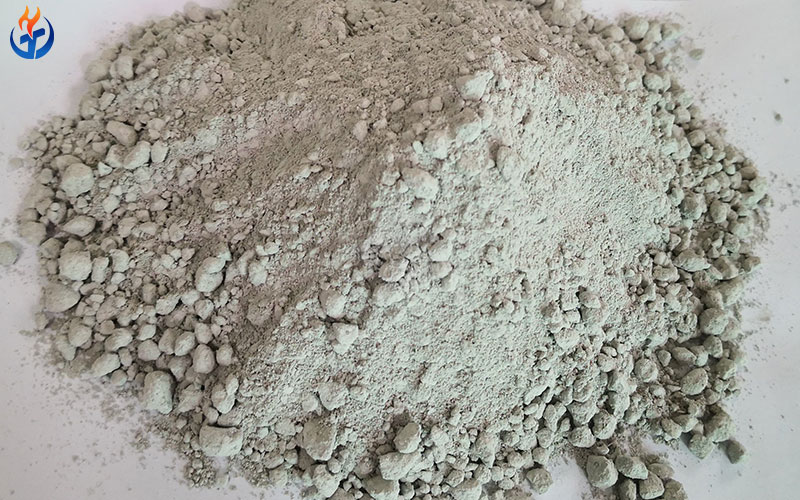
Alumina Ramming Mass for Ladle Furnace is specifically formulated for high-temperature applications in steel ladles, designed to provide exceptional resistance to thermal shock, slag erosion, and high-temperature wear. Made with premium alumina aggregates and high-quality binders, this ramming mass ensures superior structural integrity and durability for ladle furnace linings.
Ideal for the steel industry, this product offers cost-effective solutions for ladle linings, providing reliable performance and extended service life even in the most demanding environments. It is easy to install through manual or mechanical beating, ensuring excellent adhesion and performance.
Technical Specifications
| Item | Unit | Alumina Ramming Mass for Ladle Furnace |
|---|---|---|
| Al₂O₃ Content | % | ≥ 85 |
| SiO₂ Content | % | ≤ 10 |
| Bulk Density | g/cm³ | 2.6 – 2.7 |
| Compressive Strength (110℃ × 24h) | MPa | ≥ 90 |
| Compressive Strength (1500℃ × 3h) | MPa | ≥ 120 |
| Flexural Strength (110℃ × 24h) | MPa | ≥ 10 |
| Flexural Strength (1500℃ × 3h) | MPa | ≥ 15 |
| Permanent Linear Change (1500℃) | % | ±0.5% |
| Max. Service Temperature | °C | 1600 |
| Water Addition | % | 6.0 – 7.0 |
Key Features
High Alumina Content: Contains up to 85% Al₂O₃ for superior thermal resistance and structural strength.
Thermal Shock Resistance: Designed to withstand rapid temperature changes without cracking or damage.
Slag Erosion Resistance: Excellent protection against slag erosion, ensuring a longer service life for ladle furnace linings.
High Compressive Strength: Ensures reliable performance under extreme temperatures, even under heavy load.
Low Permanent Linear Change: Minimal dimensional change during high-temperature service for long-term volume stability.
Easy Installation: Suitable for both manual and mechanical application methods, providing flexibility during installation.
Typical Applications
Steel Industry: Specifically designed for ladle furnace linings, including both the inner wall and bottom of ladles.
Non-ferrous Metallurgy: Used for holding and melting furnaces in the non-ferrous metal industries.
Foundry and Casting: Can be used for applications requiring high-temperature insulation and wear resistance.
Cement Industry: High-temperature kiln linings requiring superior abrasion and thermal shock resistance.
Production Details
Raw Materials: High-grade alumina aggregates, selected binders, and specialty additives designed for high-temperature applications.
Manufacturing Process: Thoroughly mixed, tested, and quality-controlled to ensure consistency and optimal performance.
Quality Control: All materials undergo chemical analysis and physical testing to verify compliance with rigorous quality standards, ensuring reliability in demanding environments.
Packing and Shipping Details
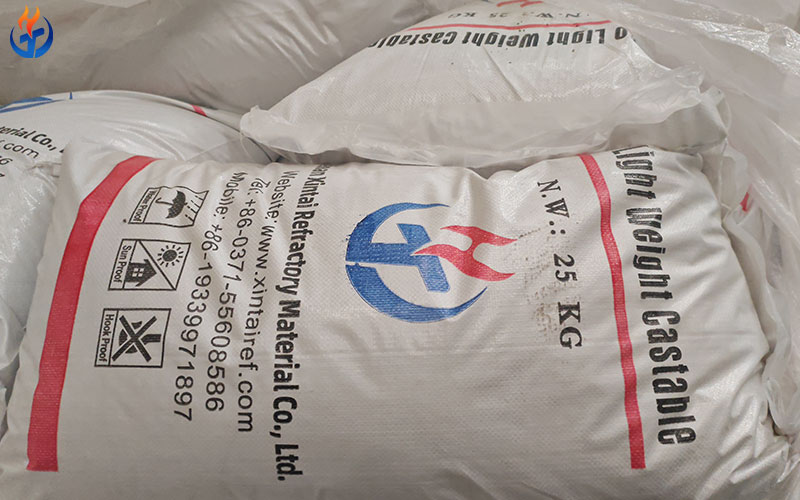
Standard Packing: 25 kg paper bags with moisture-proof inner lining to protect against moisture damage.
Bulk Packing: Jumbo bags available upon request for large-scale orders.
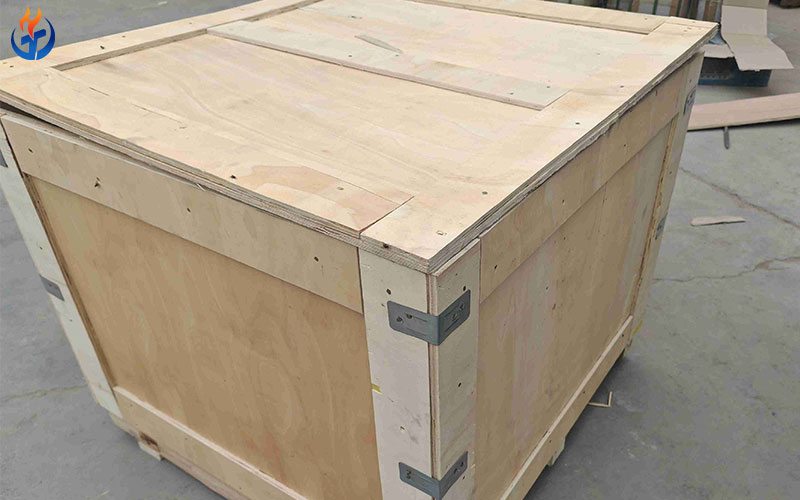
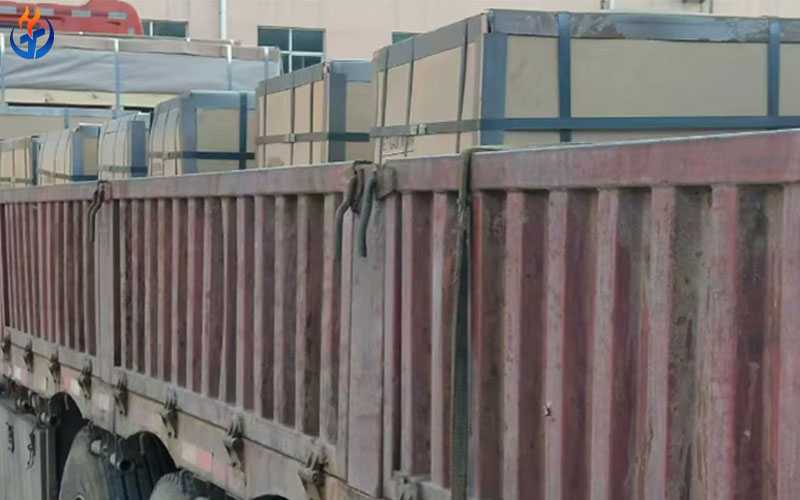
Palletizing: Wooden pallets with shrink-wrapped packaging for safe and secure transit.
Shipping Methods: Available via sea, truck, or rail, depending on customer requirements.
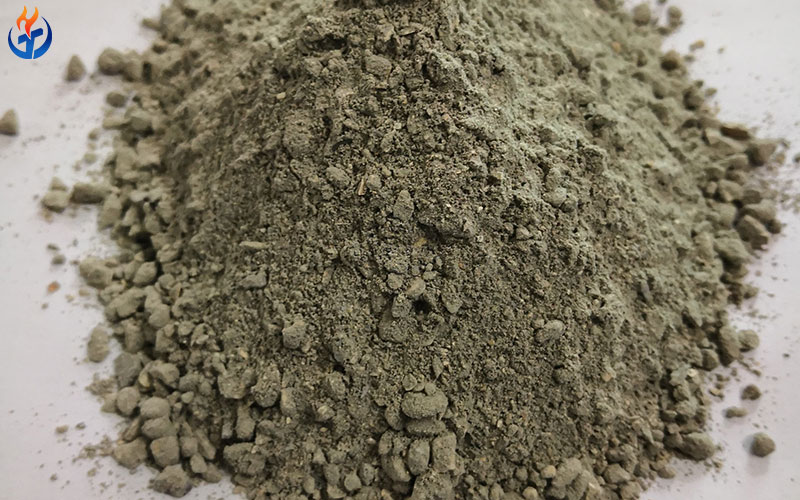
Delivery Form: Delivered as dry powder, ready for on-site mixing.
All products are securely packed to prevent moisture absorption and damage during transportation.
Frequently Asked Questions (FAQ)
Q1: What is the alumina content of Alumina Ramming Mass for Ladle Furnace?
The alumina content of this ramming mass is typically 85% or higher, ensuring exceptional thermal stability and durability.
Q2: What is the maximum service temperature?
The product is designed to withstand temperatures up to 1600°C, ideal for ladle furnaces and similar high-temperature applications.
Q3. How much water is required for mixing?
Water addition typically ranges from 6.0% to 7.0% for optimal consistency during mixing.
Q4: Can Alumina Ramming Mass for Ladle Furnace resist slag erosion?
Yes, it is specifically formulated to offer excellent resistance to slag erosion, extending the service life of ladle furnace linings.
Q5: What curing and drying procedures are needed?
Proper curing and controlled drying are critical to achieving optimal performance and longevity. Follow recommended guidelines to ensure long-term effectiveness.