Pottery Kiln Bricks: Types and Selection Guide for Brick Pottery Kilns

When it comes to pottery and ceramics, the kiln is the heart of every studio or industrial workshop. It determines not only the efficiency of firing but also the quality and durability of the final products. One crucial yet often overlooked component of a kiln is its lining — the pottery kiln bricks. These refractory materials form the inner walls of the kiln, providing insulation, strength, and resistance to high temperatures.

Whether you are building a brick pottery kiln for small-scale artisanal production or maintaining an industrial ceramic furnace, understanding the types, properties, and selection methods of pottery kiln bricks is essential. This article explores the major categories of kiln bricks, their performance characteristics, and how to choose the best bricks for your pottery firing needs.

What Are Pottery Kiln Bricks?

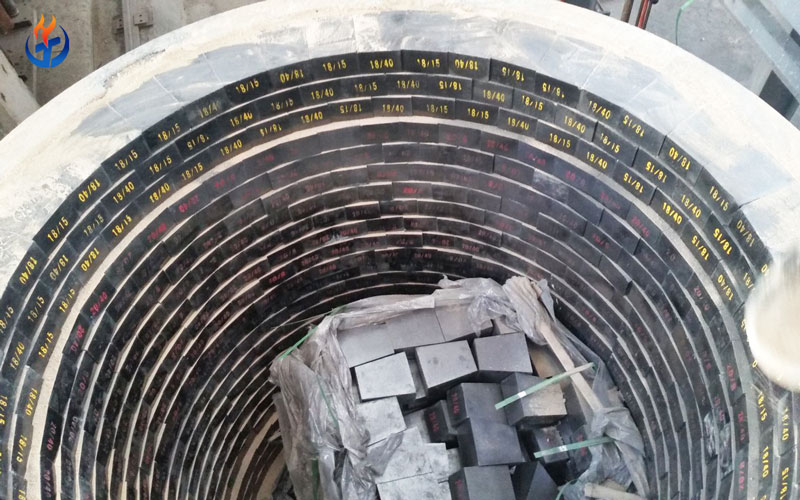
Pottery kiln bricks are specialized refractory materials used to line the firing chamber of a pottery kiln. Their main purpose is to withstand extreme temperatures — typically between 1000°C and 1750°C — while maintaining structural integrity and thermal efficiency.

These bricks are formulated from a combination of alumina, silica, and other minerals that give them excellent resistance to heat, corrosion, and mechanical stress. They play three main roles in a kiln structure:

  1. Thermal insulation: Reducing heat loss and improving energy efficiency.

  2. Structural support: Maintaining the kiln’s shape and stability during repeated heating and cooling cycles.

  3. Thermal shock resistance: Preventing cracking caused by rapid temperature changes during firing.

Major Types of Pottery Kiln Bricks

There are several types of pottery kiln bricks, each designed for specific temperature ranges and operating conditions. The most common categories include fireclay bricks, high alumina bricks, insulating fire bricks, and silica bricks. Let’s explore each in detail.

2.1 Fireclay Bricks

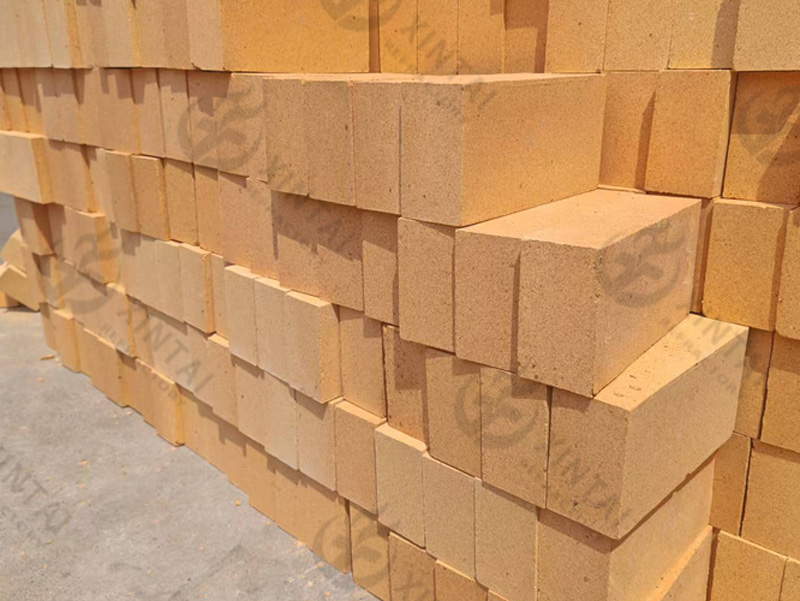
Fireclay bricks are among the most traditional and widely used refractory materials in pottery kilns. Made from a blend of refractory clay and alumina, they typically contain 30–45% Al₂O₃ and have excellent resistance to heat and mechanical wear.

Features:

  • Working temperature: up to 1400°C

  • Good mechanical strength and stability

  • Cost-effective and widely available

  • Suitable for both updraft and downdraft kilns

Applications:
Fireclay bricks are ideal for kiln arches, walls, and hearths in small to medium pottery kilns. They can handle repeated heating cycles without deformation and are often used in combination with insulating bricks.

2.2 High Alumina Bricks

For higher firing temperatures and longer service life, high alumina bricks are a superior choice. These bricks contain over 60% alumina, providing excellent resistance to high heat, slag corrosion, and chemical attack.

Features:

  • Working temperature: up to 1750°C

  • High thermal stability and load-bearing strength

  • Excellent resistance to fluxes and kiln atmosphere variations

  • Suitable for industrial pottery or ceramic kilns

Applications:
High alumina bricks are commonly used in kiln firing chambers, burner ports, and roof linings of large brick pottery kilns. They are ideal for continuous high-temperature operations, such as in porcelain or stoneware production.
2.3 Insulating Fire Bricks (IFB)

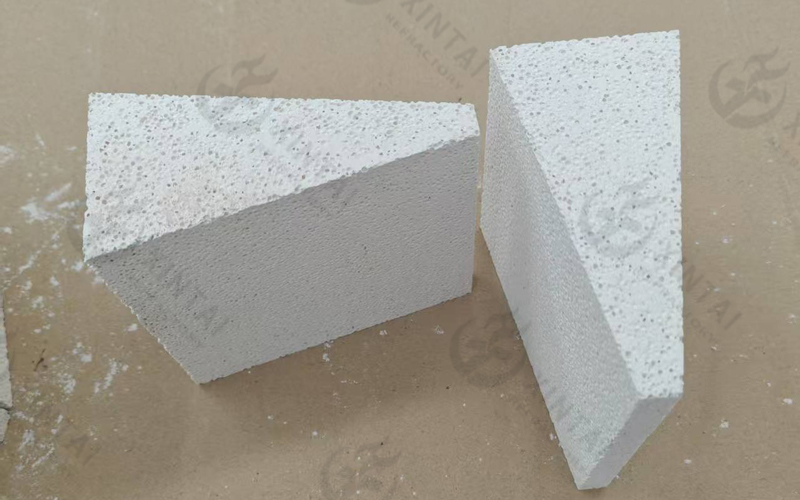
Insulating fire bricks, also called lightweight refractory bricks, are designed to provide excellent thermal insulation with low bulk density. They contain pores or air pockets that reduce heat transfer.

Features:

  • Working temperature: 1200–1600°C

  • Lightweight and easy to cut or shape

  • Excellent heat retention, improving kiln efficiency

  • Not suitable for direct flame or heavy load areas

Applications:
These bricks are commonly used as the outer lining of the kiln, behind denser refractory bricks. In small pottery kilns, insulating bricks may be used throughout the structure to save energy and reduce heating time.

Common grades include JM23, JM26, JM28, and JM30, which correspond to increasing temperature resistance.

2.4 Silica Bricks

Silica bricks are composed mainly of quartz and have excellent resistance to high temperatures, especially under oxidizing conditions. They are used in kilns operating at extremely high firing temperatures.

Features:

  • Working temperature: up to 1650°C

  • High refractoriness under load

  • Excellent thermal shock resistance above 600°C

  • Poor performance in reducing atmospheres

Applications:
Silica bricks are suitable for roof sections and upper kiln linings that experience consistent high heat. They are particularly favored in large industrial pottery and ceramic kilns.

2.5 Mullite Bricks

Mullite bricks are a high-grade refractory material made from synthetic or natural mullite (3Al₂O₃·2SiO₂). They combine the strength of high alumina bricks with superior thermal shock resistance.

Features:

  • Working temperature: up to 1700°C

  • High strength, low thermal expansion

  • Excellent resistance to acid and alkali corrosion

  • Long service life

Applications:
Used in electric pottery kilns and tunnel kilns, mullite bricks offer excellent stability and are preferred where consistent firing cycles are required.
Structure and Design of Brick Pottery Kilns

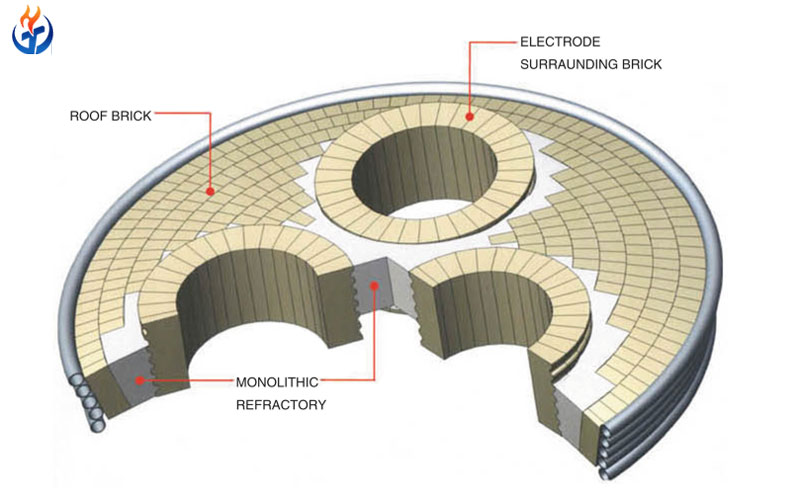
A brick pottery kiln can be built in several configurations — including updraft, downdraft, or tunnel types. The kiln structure generally includes:

  1. Hot face layer: The inner layer made of dense fireclay, high alumina, or mullite bricks, directly exposed to heat.

  2. Insulating layer: Made of lightweight refractory bricks or ceramic fiber to prevent heat loss.

  3. Outer shell: Typically constructed of steel or reinforced brickwork for strength.

The performance of the kiln depends heavily on the correct brick selection and layout. Poor-quality or mismatched refractory materials can lead to heat loss, structural cracks, and uneven firing results.

How to Choose the Right Pottery Kiln Bricks

Selecting the proper pottery kiln bricks requires evaluating several factors related to firing temperature, kiln design, and fuel type. Below are the key considerations:

4.1 Firing Temperature

The maximum working temperature is the most important criterion.

  • For kilns up to 1300°C, fireclay or insulating bricks are sufficient.

  • For 1300–1500°C, choose high alumina bricks.

  • For 1500–1700°C, mullite or silica bricks are recommended.

4.2 Kiln Type and Atmosphere

  • Electric kilns: Prefer insulating fire bricks or mullite bricks for energy efficiency.

  • Gas-fired kilns: Use dense fireclay or high alumina bricks for durability against flame impact.

  • Wood-fired kilns: Require bricks with strong thermal shock resistance due to fluctuating temperatures.

4.3 Energy Efficiency

Modern kilns often use multilayer insulation systems combining dense bricks with lightweight ones. This setup retains heat effectively while minimizing power or fuel consumption.

Example configuration:

  • Inner layer: High alumina or fireclay bricks

  • Middle layer: Insulating fire bricks

  • Outer layer: Ceramic fiber blanket or board

4.4 Budget and Maintenance

While high-alumina or mullite bricks provide superior longevity, they also cost more. For small workshops or hobby kilns, combining affordable fireclay bricks with insulation layers is a practical choice. Regular maintenance — such as replacing cracked bricks — ensures kiln efficiency and safety.

Common Problems and Maintenance Tips

Even the best pottery kiln bricks degrade over time due to thermal cycling, glaze drips, and mechanical wear. Here are common issues and maintenance suggestions:

  • Cracking: Usually caused by rapid cooling or heating. Prevent by controlling firing rate.

  • Glaze buildup: Can corrode bricks; use kiln wash or protective shelves.

  • Brick spalling: Replace damaged bricks promptly to prevent heat leakage.

  • Loose mortar joints: Repoint using high-temperature refractory cement.

Regular inspection after every few firing cycles can extend the kiln’s lifespan dramatically.

Conclusion

Choosing the right pottery kiln bricks is not just about withstanding high temperatures—it’s about achieving the perfect balance between insulation, durability, and cost. From traditional fireclay bricks to advanced high alumina and mullite types, each material offers unique benefits for different firing conditions and kiln designs.

Whether you are constructing a small brick pottery kiln for studio work or maintaining a large industrial kiln, understanding the properties and selection principles of refractory bricks ensures long-term efficiency, safety, and consistent ceramic quality.

Investing in high-quality pottery kiln bricks means investing in the future of your pottery production — stable heat, reliable performance, and beautiful finished ware every time.

Contact Xintai Refractory today for professional guidance and premium silica refractory bricks, designed to enhance your glass furnace crowns with reliable performance, improved energy efficiency, and extended service life.

Scroll to Top