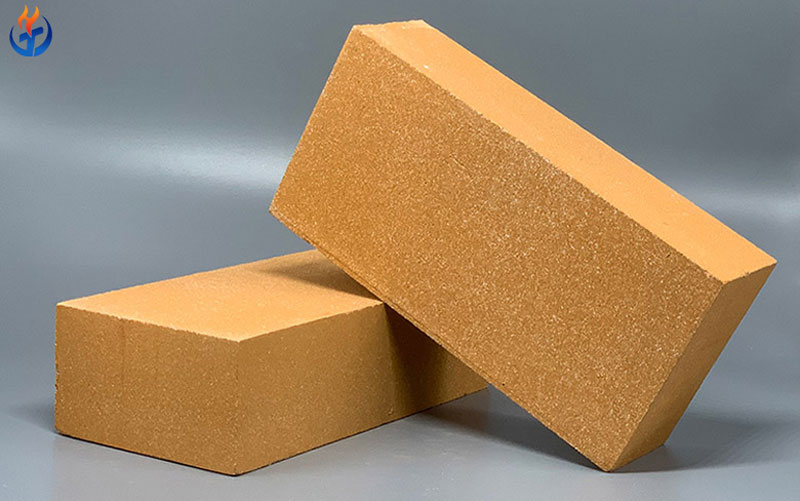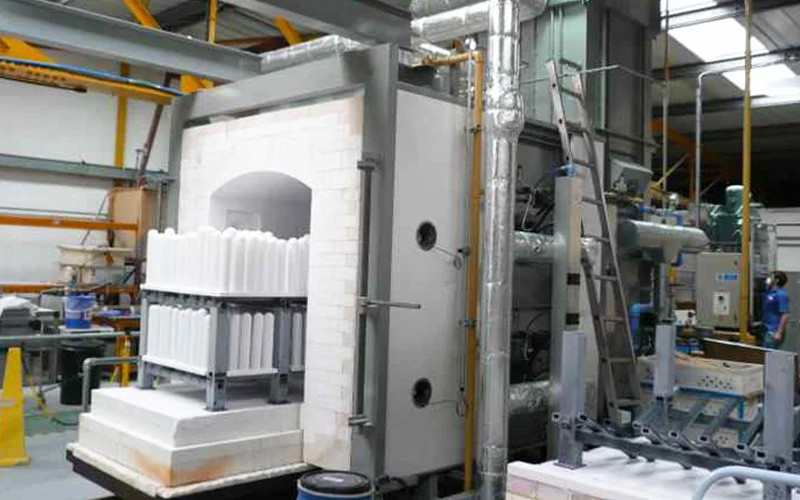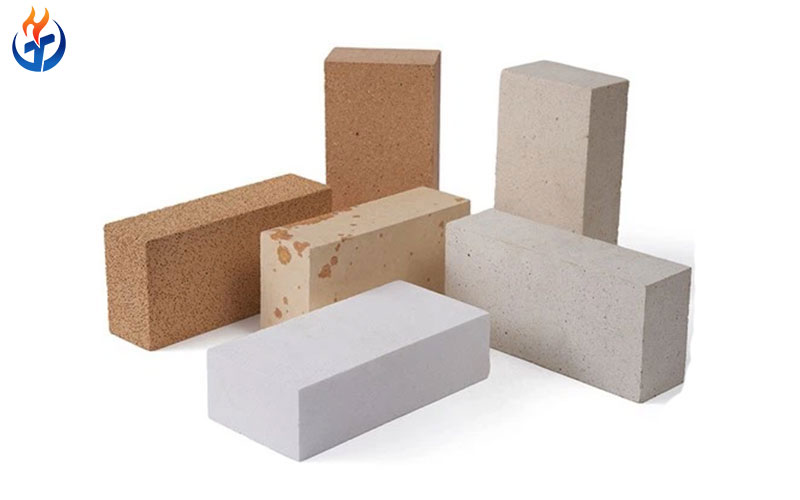
Lightweight insulating fire bricks (often abbreviated as IFB) play a critical role in modern high-temperature industrial systems. As energy efficiency, thermal performance, and cost optimization become increasingly important across industries, lightweight insulating fire bricks have emerged as a preferred refractory solution for thermal insulation and heat management. Compared with dense fire bricks, they offer lower thermal conductivity, reduced weight, and excellent resistance to high temperatures, making them indispensable in various furnace, kiln, and thermal equipment applications.
This article explores the main uses of lightweight insulating fire bricks, explains why they are chosen over traditional refractories, and highlights their value across different industries.
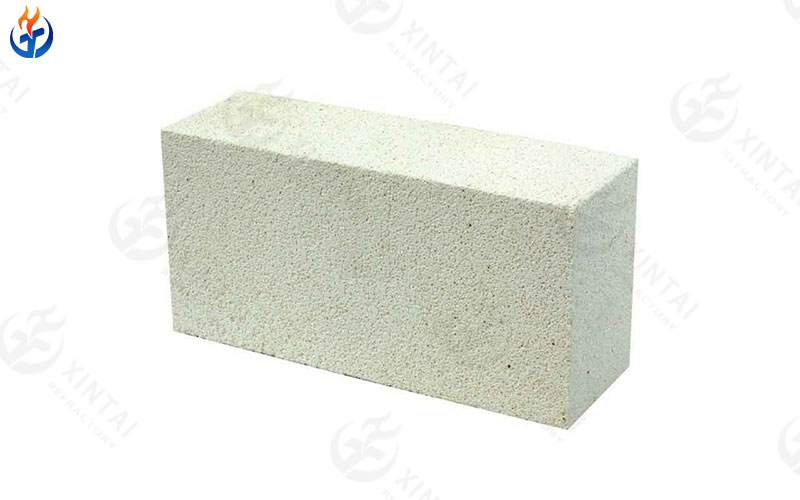
What Are Lightweight Insulating Fire Bricks?
Lightweight insulating fire bricks are refractory bricks manufactured using high-purity raw materials such as alumina, silica, and mullite, combined with controlled pore-forming techniques. The internal structure of these bricks contains a high volume of uniform, closed pores, which significantly reduces density and thermal conductivity.
Typical properties include:
Low bulk density
Excellent thermal insulation performance
High refractoriness
Good dimensional stability
Resistance to thermal shock
They are commonly classified by temperature grades such as IFB 23, IFB 26, IFB 28, and IFB 30, each suitable for different maximum service temperatures.
Why Lightweight Insulating Fire Bricks Are Widely Used
Before discussing specific applications, it is important to understand why lightweight insulating fire bricks are so widely adopted:
Energy Efficiency
Their low thermal conductivity minimizes heat loss, reducing fuel or electricity consumption.Reduced Structural Load
Lightweight bricks lower the overall weight of furnaces and kilns, allowing simpler steel structures and foundations.Fast Heating and Cooling
Lower thermal mass enables quicker temperature changes, improving productivity and operational flexibility.Cost Optimization
Although unit prices may be higher than dense bricks, long-term energy savings and longer service life reduce total operating costs.
Main Uses of Lightweight Insulating Fire Bricks
1. Industrial Furnaces and Kilns
One of the primary uses of lightweight insulating fire bricks is in industrial furnaces and kilns, where thermal efficiency is crucial.
They are commonly used for:
Furnace walls
Roofs and domes
Back-up insulation layers
Flue gas channels
Industries such as steelmaking, non-ferrous metals, ceramics, glass, and petrochemicals rely on IFBs to maintain stable furnace temperatures while minimizing heat loss.
In high-temperature furnaces, lightweight insulating fire bricks are often installed behind dense refractory linings, forming an effective insulation layer that protects steel shells and reduces energy consumption.
2. Ceramic and Brick Kilns
Ceramic production requires precise temperature control and uniform heat distribution. Lightweight insulating fire bricks are widely used in:
Tunnel kilns
Shuttle kilns
Roller hearth kilns
Periodic kilns
Their low thermal mass allows kilns to heat up and cool down faster, which shortens firing cycles and increases output. Additionally, their stable structure helps maintain consistent kiln geometry, ensuring product quality for ceramic tiles, sanitary ware, and structural clay products.
For brick manufacturers, using lightweight insulating fire bricks in kiln linings significantly reduces fuel costs over long production cycles.
3. Heat Treatment Furnaces
Heat treatment processes such as annealing, tempering, carburizing, and sintering require highly controlled thermal environments. Lightweight insulating fire bricks are commonly used in:
Box furnaces
Pit furnaces
Bell furnaces
Continuous heat treatment furnaces
Their excellent insulation properties help maintain uniform internal temperatures and reduce temperature fluctuations, which is essential for achieving consistent metallurgical properties in treated components.
4. Laboratory and Test Furnaces
Laboratory furnaces and pilot-scale thermal equipment often rely almost entirely on lightweight insulating fire bricks.
Key reasons include:
Rapid heating and cooling cycles
Precise temperature control
Low energy consumption
Compact furnace design
Lightweight insulating fire bricks are ideal for laboratory muffle furnaces, experimental kilns, and testing ovens operating at temperatures ranging from 1000°C to 1600°C.
5. Glass Industry Applications
In the glass industry, maintaining stable high temperatures while minimizing heat loss is essential. Lightweight insulating fire bricks are widely used in:
Glass melting furnaces
Forehearth insulation
Regenerator chambers
Annealing lehrs
They are typically installed as insulation layers behind dense refractories that come into direct contact with molten glass. This configuration helps extend furnace life, protect steel structures, and reduce overall energy consumption.
6. Cement and Lime Industry
The cement and lime industries operate large-scale thermal systems such as rotary kilns, preheaters, and calcining furnaces. Lightweight insulating fire bricks are commonly used in:
Preheater cyclones
Kiln hoods
Tertiary air ducts
Back-up insulation zones
Their lightweight nature reduces stress on rotating equipment while improving thermal efficiency. In lime kilns, IFBs help maintain uniform calcination temperatures and reduce fuel usage.
7. Petrochemical and Chemical Processing Equipment
Chemical and petrochemical plants use high-temperature reactors, reformers, and cracking furnaces that require reliable insulation systems.
Lightweight insulating fire bricks are applied in:
Reforming furnaces
Cracking furnaces
Incinerators
Thermal oxidizers
Their resistance to thermal shock and stable performance under continuous operation make them suitable for demanding chemical environments when combined with appropriate protective linings.
8. Power Generation and Energy Systems
In power plants and energy recovery systems, lightweight insulating fire bricks are used to improve thermal efficiency and protect equipment.
Typical applications include:
Waste heat recovery boilers
Incineration systems
Biomass furnaces
Thermal storage units
Reducing heat loss directly improves energy conversion efficiency, making IFBs an important component in modern energy systems.
9. Chimneys, Flues, and Exhaust Systems
Lightweight insulating fire bricks are also widely used in chimneys and exhaust structures exposed to high temperatures.
Benefits include:
Reduced external surface temperature
Protection of steel and concrete structures
Improved safety
Longer service life
They are often combined with fiber modules or insulating castables to create multi-layer insulation systems.
10. Custom and Special Thermal Equipment
Beyond standard industrial uses, lightweight insulating fire bricks are increasingly used in:
Custom-built furnaces
Electric heating equipment
Experimental reactors
Specialized thermal chambers
Their machinability allows bricks to be cut into complex shapes, enabling customized furnace designs for specific thermal processes.
Choosing the Right Lightweight Insulating Fire Brick
Selecting the appropriate IFB depends on several factors:
Maximum operating temperature
Chemical atmosphere
Mechanical load requirements
Heating and cooling frequency
Common grades such as IFB 23, IFB 26, IFB 28, and IFB 30 are chosen based on temperature resistance and insulation needs. Proper selection ensures optimal performance and long service life.
Conclusion
The main uses of lightweight insulating fire bricks span a wide range of industries, from metallurgy and ceramics to glass, cement, chemicals, and energy systems. Their combination of excellent insulation performance, lightweight structure, and high-temperature resistance makes them an essential component in modern thermal engineering.
As industries continue to focus on energy efficiency, cost reduction, and sustainable operation, the demand for lightweight insulating fire bricks will continue to grow. Whether used as primary linings in small furnaces or as back-up insulation in large industrial kilns, they provide reliable, long-term value and improved thermal performance.
For manufacturers, engineers, and project planners, understanding the main uses of lightweight insulating fire bricks is key to designing efficient, durable, and cost-effective high-temperature systems.