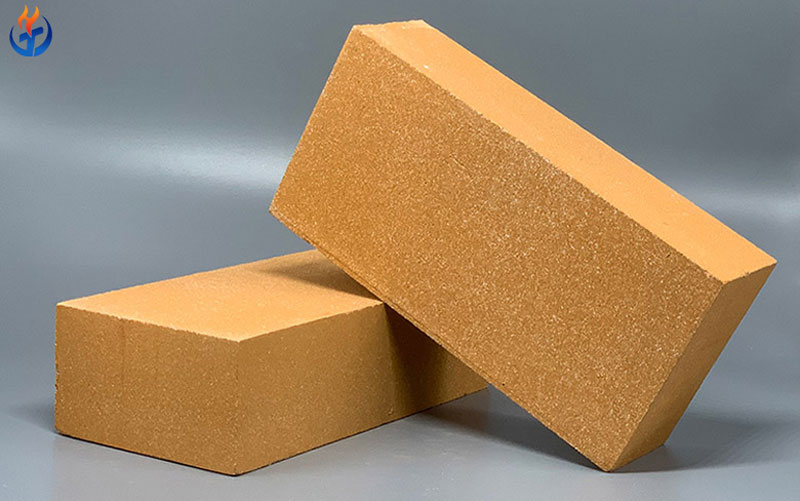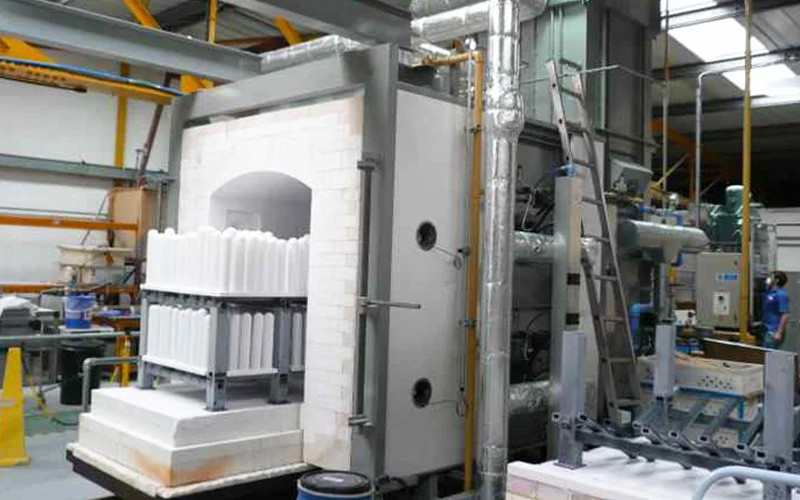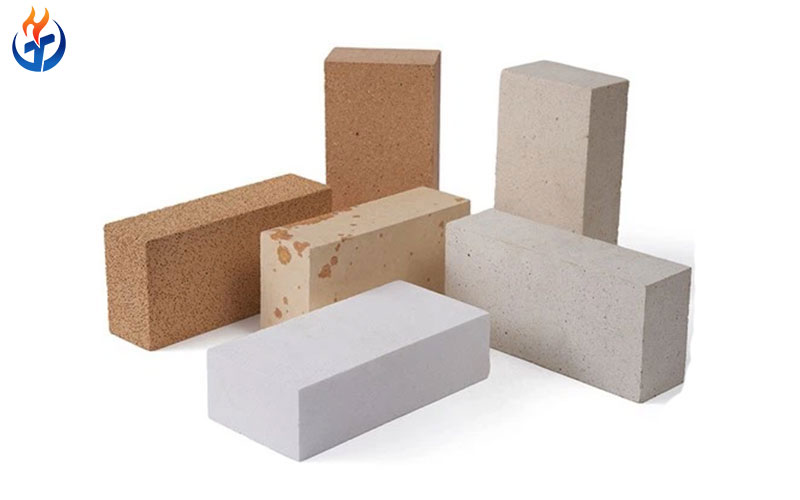
In high-temperature industrial furnaces and kilns, refractory materials determine not only operational stability but also production efficiency, product quality, and maintenance cost. Among the many refractory products available on the market, corundum bricks are widely recognized as one of the most reliable high-alumina refractory solutions. Thanks to their high alumina content (typically above 90% Al₂O₃), exceptional refractoriness, and excellent chemical stability, corundum bricks are extensively used in industries such as steel, cement, glass, petrochemical, and non-ferrous metallurgy.
Understanding the main types of corundum bricks is essential for engineers, procurement managers, and furnace designers who aim to select the most suitable refractory lining for specific operating conditions. This article provides a comprehensive overview of the primary categories of corundum bricks, their characteristics, manufacturing processes, and typical applications.
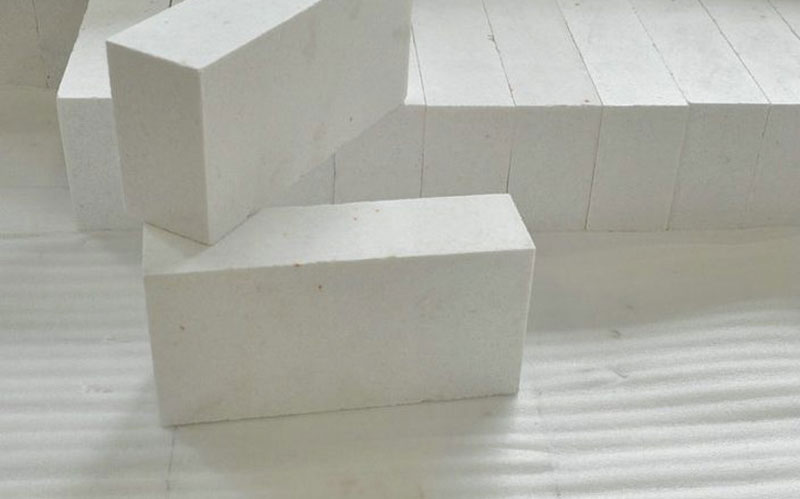
What Are Corundum Bricks?
Corundum bricks are high-grade refractory bricks primarily composed of corundum, which is crystalline aluminum oxide (Al₂O₃). Corundum can be naturally occurring or synthetically produced through processes such as electric arc melting or sintering. Compared with conventional high-alumina bricks, corundum bricks offer:
Higher refractoriness under load
Superior mechanical strength at elevated temperatures
Excellent resistance to slag erosion
Strong chemical stability in oxidizing and reducing atmospheres
Low porosity and high density (depending on type)
Because of these properties, corundum bricks are typically used in extremely demanding thermal environments where ordinary refractory materials would fail.
1. Sintered Corundum Bricks
Production Process
Sintered corundum bricks are manufactured by mixing high-purity alumina raw materials (such as calcined alumina or fused corundum), adding binders, shaping through pressing, and firing at high temperatures (usually above 1700°C).
During sintering, particles bond together without melting completely, forming a dense and strong microstructure.
Key Characteristics
Alumina content: generally 90%–99%
High refractoriness
Good thermal shock resistance
Excellent compressive strength
Moderate porosity compared to fused types
Applications
Sintered corundum bricks are widely used in:
Blast furnace hearths
Ladles and tundishes
Cement rotary kilns
Glass furnace superstructures
They offer a good balance between performance and cost, making them one of the most commonly used types of corundum bricks in industrial applications.
2. Fused Cast Corundum Bricks
Production Process
Fused cast corundum bricks are produced by melting high-purity alumina in an electric arc furnace at extremely high temperatures. The molten material is then cast into molds and slowly cooled to form a dense crystalline structure.
This casting process results in very low porosity and a highly compact microstructure.
Key Characteristics
Extremely high density
Very low apparent porosity
Superior resistance to slag and glass corrosion
Outstanding wear resistance
Excellent performance under high mechanical stress
Applications
Fused cast corundum bricks are often selected for:
Glass melting furnaces
Petrochemical reactors
Non-ferrous metal smelting furnaces
Waste incineration systems
Because of their outstanding corrosion resistance, they are particularly suitable for contact with molten glass or aggressive slags.
3. Mullite-Bonded Corundum Bricks
Mullite-bonded corundum bricks combine corundum aggregates with mullite as the bonding phase. Mullite (3Al₂O₃·2SiO₂) improves thermal shock resistance while maintaining high refractoriness.
Characteristics
High thermal shock resistance
Good structural stability
Moderate thermal expansion
Strong resistance to mechanical spalling
Advantages
The mullite bonding phase enhances flexibility in the structure, making these bricks less prone to cracking under rapid temperature changes.
Applications
They are commonly used in:
Ceramic kilns
Tunnel kilns
Rotary kilns
Heat treatment furnaces
Mullite-bonded corundum bricks are ideal where temperature fluctuations are frequent.
4. Chrome Corundum Bricks
Chrome corundum bricks are produced by combining corundum with chromium oxide (Cr₂O₃). The addition of chromium significantly enhances resistance to chemical corrosion and slag penetration.
Characteristics
High refractoriness
Exceptional slag resistance
Excellent high-temperature strength
Strong resistance to acidic and basic slags
Applications
These bricks are widely used in:
Glass furnaces (particularly in contact with molten glass)
Copper and nickel smelting furnaces
Waste incinerators
Chemical reactors
However, environmental regulations in some regions may limit the use of chromium-containing refractories due to potential environmental concerns.
5. Zirconia Corundum Bricks (AZS Bricks)
Zirconia corundum bricks, often known as AZS bricks (Alumina-Zirconia-Silica), contain zirconium oxide (ZrO₂) in addition to alumina.
Characteristics
Extremely strong resistance to glass corrosion
High density
Excellent thermal stability
Good resistance to erosion
Applications
AZS bricks are extensively used in:
Glass melting tanks
Float glass production lines
Fiberglass furnaces
Their resistance to molten glass makes them one of the most important refractory materials in the glass industry.
6. Phosphate-Bonded Corundum Bricks
Phosphate-bonded corundum bricks use phosphoric acid or aluminum phosphate as a binder instead of high-temperature ceramic bonding.
Characteristics
High early strength
Good abrasion resistance
Lower firing temperature required
Excellent mechanical performance
Applications
These bricks are often applied in:
Cement kilns
Rotary kilns
Areas subject to high mechanical wear
Because they can achieve strong bonding at relatively lower temperatures, they are suitable for applications requiring quick installation and fast commissioning.
7. Lightweight Corundum Insulating Bricks
Unlike dense corundum bricks, lightweight corundum insulating bricks are designed to provide both refractoriness and thermal insulation.
Characteristics
Lower bulk density
Higher porosity
Reduced thermal conductivity
Adequate high-temperature strength
Applications
They are used in:
Backup linings
Furnace insulation layers
Energy-saving kiln designs
Although they do not match the mechanical strength of dense corundum bricks, their insulation properties help reduce heat loss and improve energy efficiency.
Key Factors When Selecting Corundum Bricks
When choosing the appropriate type of corundum brick, several technical factors must be considered:
Operating temperature
Type of slag or chemical exposure
Mechanical load
Thermal shock conditions
Installation environment
Budget and lifecycle cost
For example, in a glass melting furnace, fused cast or AZS bricks may be preferred due to corrosion resistance. In contrast, in a rotary kiln with frequent temperature cycling, mullite-bonded corundum bricks may provide better durability.
Comparison Overview of Main Types
| Type | Density | Corrosion Resistance | Thermal Shock Resistance | Typical Use |
|---|---|---|---|---|
| Sintered Corundum | High | Good | Moderate | Steel & cement |
| Fused Cast Corundum | Very High | Excellent | Moderate | Glass & chemical |
| Mullite-Bonded | High | Good | Excellent | Ceramic kilns |
| Chrome Corundum | High | Excellent | Moderate | Non-ferrous metallurgy |
| Zirconia Corundum (AZS) | Very High | Outstanding | Good | Glass furnaces |
| Phosphate-Bonded | High | Good | Good | Cement kilns |
| Lightweight Corundum | Low | Moderate | Moderate | Insulation layers |
Conclusion
Corundum bricks represent one of the most advanced and reliable refractory materials available for high-temperature industrial applications. From sintered corundum bricks to fused cast, mullite-bonded, chrome corundum, zirconia corundum, phosphate-bonded, and lightweight insulating types, each category offers unique advantages tailored to specific working conditions.
Selecting the right type of corundum brick requires a comprehensive understanding of furnace design, thermal environment, chemical exposure, and operational demands. By carefully matching material properties with application requirements, industries can significantly improve furnace lifespan, operational safety, and overall production efficiency.
As industrial processes continue to evolve, corundum bricks will remain a cornerstone material in the field of advanced refractory engineering, supporting high-performance thermal systems across the globe.