1. Sintered Magnesia Bricks
Composition and Features
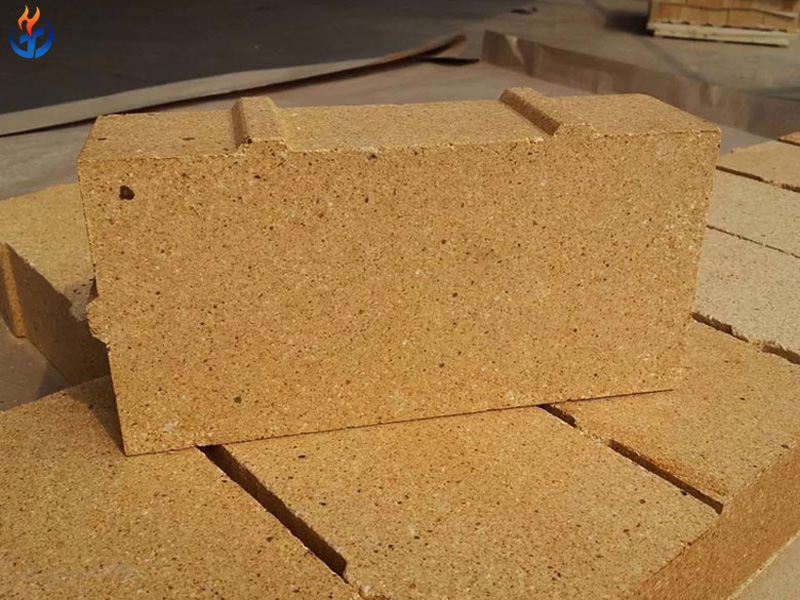
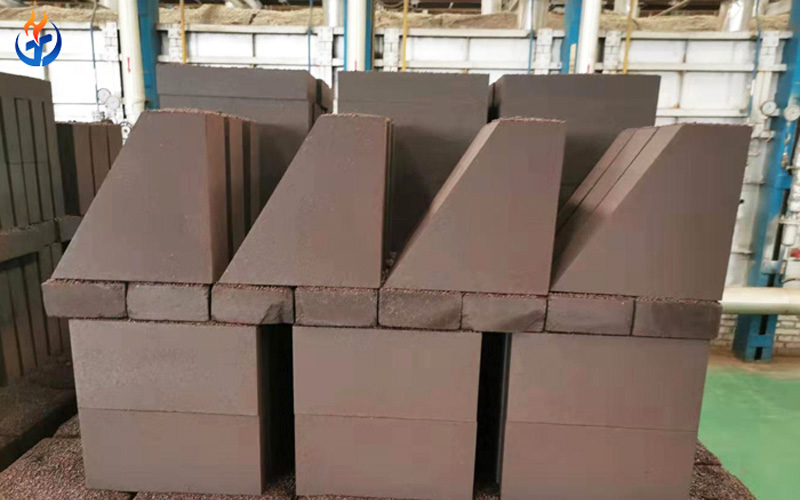
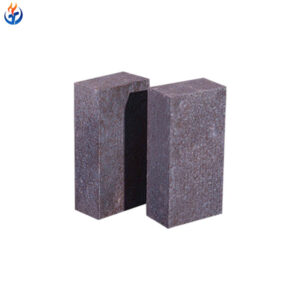
Sintered magnesia bricks are produced by firing high-purity magnesia clinker at high temperatures (usually above 1700°C). Their MgO content typically ranges from 85% to 98%.
Key characteristics:
High refractoriness under load
Good resistance to basic slags
Stable structure at high temperatures
Moderate thermal shock resistance
Uses of Sintered Magnesia Bricks
Sintered magnesia bricks are widely used in:
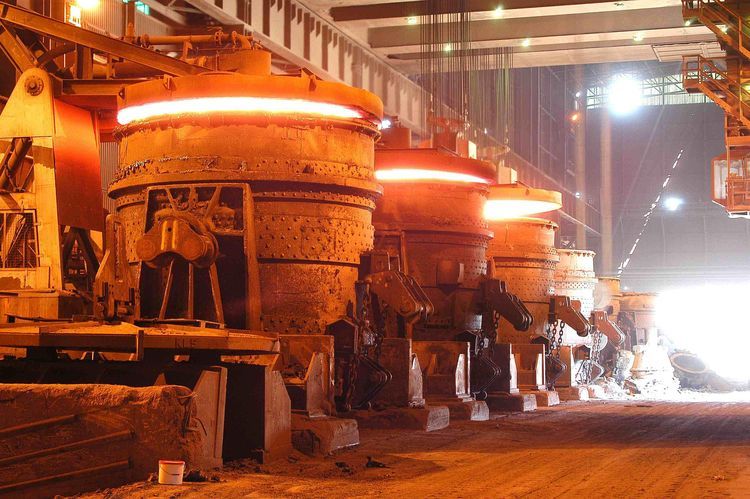
Steelmaking furnaces
Electric arc furnace (EAF) walls
Basic oxygen furnace (BOF) linings
Cement rotary kilns (burning zone)
They are often chosen where cost-effectiveness and stable performance are required.
2. Fused Magnesia Bricks
Composition and Features
Fused magnesia bricks are manufactured using electrofused magnesia, which is melted at temperatures above 2800°C and then cooled to form large MgO crystals.
Key characteristics:
Very high purity (up to 99% MgO)
Dense microstructure
Excellent corrosion resistance
Superior high-temperature stability
Uses of Fused Magnesia Bricks
Typical applications include:
High-end steel ladles
RH degassers
Vacuum induction furnaces
Areas exposed to aggressive slags
Fused magnesia bricks are ideal for extreme conditions where long service life is required.
3. Magnesia-Carbon Bricks (MgO-C Bricks)
Composition and Features
Magnesia-carbon bricks combine magnesia clinker with carbon (graphite) and resin binders. Carbon significantly improves thermal shock resistance and slag penetration resistance.
Key characteristics:
Excellent thermal shock resistance
High resistance to slag corrosion
Low wettability to molten steel and slag
Reduced erosion rate
Uses of Magnesia-Carbon Bricks
Magnesia-carbon bricks are among the most widely used refractory materials in steelmaking, especially in:
Electric arc furnace (EAF) sidewalls
BOF converters
Steel ladles
Slag lines
Their performance makes them one of the most important magnesia brick types used in modern metallurgy.
4. Magnesia-Chrome Bricks
Composition and Features
Magnesia-chrome bricks are made from magnesia and chromium oxide (Cr₂O₃). They offer excellent resistance to both basic slags and thermal stress.
Key characteristics:
High refractoriness
Excellent slag corrosion resistance
Good mechanical strength
Stable under fluctuating temperatures
Uses of Magnesia-Chrome Bricks
They are commonly used in:
Cement rotary kilns
Non-ferrous metal smelting furnaces
Glass furnaces
Regenerative chambers
 Note: Due to environmental concerns related to hexavalent chromium, the use of magnesia-chrome bricks is restricted in some regions.
5. Direct-Bonded Magnesia-Chrome Bricks
Composition and Features
Direct-bonded magnesia-chrome bricks are manufactured with very low silicate content, allowing direct crystal bonding between MgO and Cr₂O₃.
Key characteristics:
Excellent high-temperature strength
Superior corrosion resistance
Reduced glassy phase
Long service life
Uses of Direct-Bonded Magnesia-Chrome Bricks
These bricks are mainly used in:
High-temperature zones of cement kilns
Critical areas of non-ferrous smelting furnaces
Zones with heavy mechanical and chemical stress
6. Magnesia-Spinel Bricks
Composition and Features
Magnesia-spinel bricks contain magnesium aluminate spinel (MgAl₂O₄), either added directly or formed in situ during firing.
Key characteristics:
Excellent thermal shock resistance
High resistance to slag penetration
Improved structural flexibility
Good corrosion resistance
Uses of Magnesia-Spinel Bricks
Common applications include:
Cement kiln transition zones
Steel ladles
Rotary kilns with frequent temperature changes
These bricks are often considered an eco-friendly alternative to magnesia-chrome bricks.
7. Magnesia-Hercynite Bricks
Composition and Features
Magnesia-hercynite bricks use iron aluminate spinel (FeAl₂O₄) as an additive, enhancing thermal and mechanical performance.
Key characteristics:
Excellent thermal shock resistance
Good resistance to chemical attack
Improved flexibility under stress
Uses of Magnesia-Hercynite Bricks
They are increasingly used in:
Cement kilns
Industrial kilns with high thermal cycling
Non-ferrous metallurgical furnaces
8. Magnesia-Dolomite Bricks
Composition and Features
Magnesia-dolomite bricks are made from magnesia and dolomite (CaO·MgO). They are highly basic refractories.
Key characteristics:
Excellent resistance to basic slags
High refractoriness
Sensitive to hydration (requires careful storage)
Uses of Magnesia-Dolomite Bricks
These bricks are commonly applied in:
BOF converters
Steel refining furnaces
Secondary metallurgy vessels