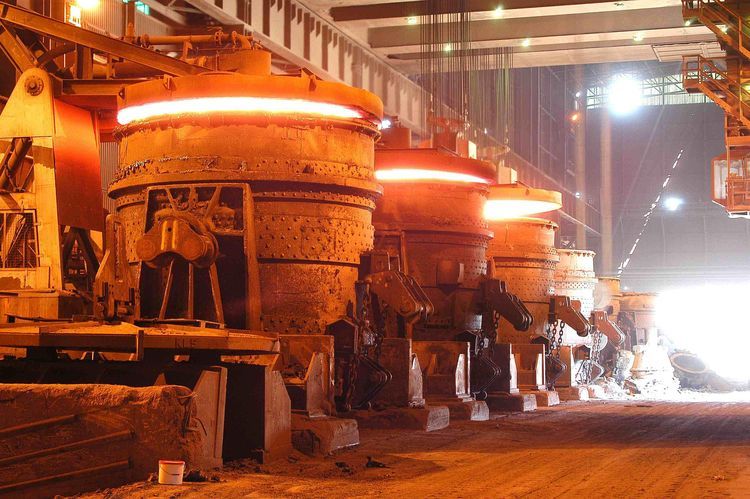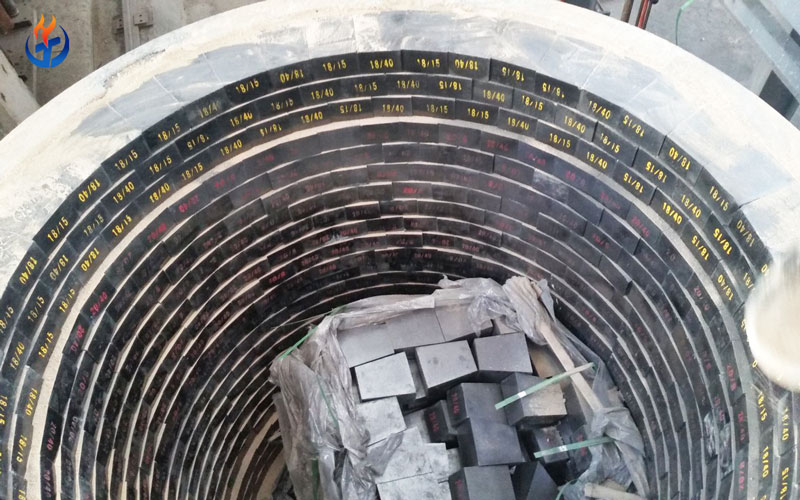
The foundry sector is one of the cornerstones of global manufacturing. From automotive engine blocks and heavy machinery components to precision castings for industrial equipment, the casting process supports countless industries. At the heart of every successful foundry operation lies a critical yet often overlooked element: Refractory Materials for the Foundry Industry.
These materials form the backbone of furnaces, ladles, tundishes, and other high-temperature equipment. Without reliable refractories, metal melting, holding, and pouring processes would be impossible. In this comprehensive guide, we explore what refractory materials are, their classifications, key properties, applications, selection criteria, and the latest trends shaping the foundry industry.
What Are Refractory Materials?
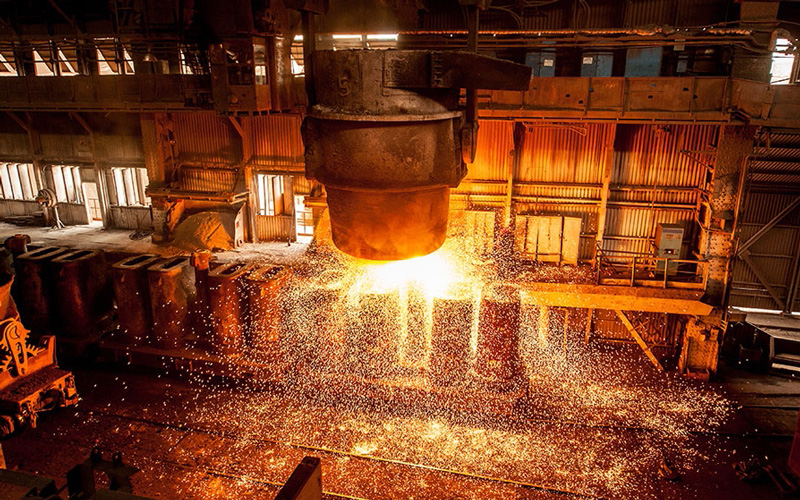
Refractory materials are heat-resistant materials designed to withstand extremely high temperatures without melting, deforming, or chemically reacting with molten metals and slags. In foundry operations, temperatures often exceed 1400°C (2550°F), especially in iron and steel casting processes. Under such harsh conditions, ordinary construction materials would fail instantly.
Refractory materials are specifically engineered to:
Resist high temperatures
Withstand chemical attack from slags and molten metals
Endure thermal shock from rapid heating and cooling
Maintain structural strength under mechanical stress
Because of these characteristics, Refractory Materials for the Foundry Industry are essential for maintaining safety, efficiency, and casting quality.
Why Refractory Materials Are Essential in Foundries
Foundries operate under extreme thermal and chemical conditions. The melting and refining of metals produce not only high temperatures but also corrosive slags and fluctuating thermal cycles. Without proper refractory linings:
Furnaces would deteriorate rapidly
Heat losses would increase operational costs
Metal contamination could occur
Production downtime would become frequent
High-quality Refractory Materials for the Foundry Industry ensure longer service life, improved energy efficiency, and consistent casting quality.
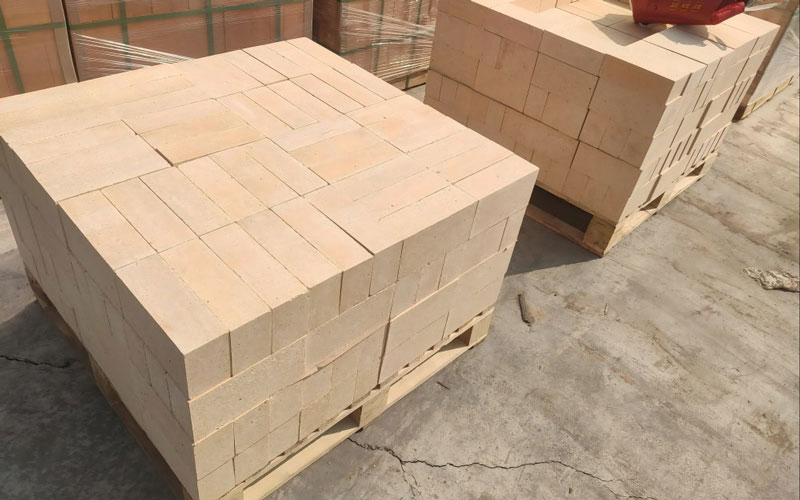
Classification of Refractory Materials for the Foundry Industry
Refractory materials can be classified in several ways: by chemical composition, form, density, or application. Below are the most common categories used in foundries.
1. Acidic Refractories
Acidic refractories resist acidic slags but react with basic slags. The most common example is silica-based materials.
Characteristics:
High refractoriness
Good resistance to acidic environments
Cost-effective for specific applications
Typical Applications:
Cupola furnace linings
Coke-fired furnaces
Acidic slag operations
2. Basic Refractories
Basic refractories are designed to resist basic slags rich in lime (CaO) or magnesia (MgO). These materials are widely used in steel-related foundry processes.
Common Types:
Magnesia bricks
Dolomite bricks
Magnesia-carbon bricks
Applications:
Electric arc furnaces
Steel ladles
Converter linings
These materials are critical where slag chemistry is basic rather than acidic.
3. Neutral Refractories
Neutral refractories can resist both acidic and basic slags. High alumina and chrome-based refractories fall into this category.
Advantages:
Versatile performance
Good thermal stability
Suitable for mixed slag environments
Applications:
Induction furnaces
Non-ferrous metal casting
High-temperature structural components
4. Shaped Refractories
Shaped refractories are pre-formed products such as bricks and blocks.
Examples:
Fireclay bricks
High alumina bricks
Silica bricks
Magnesia bricks
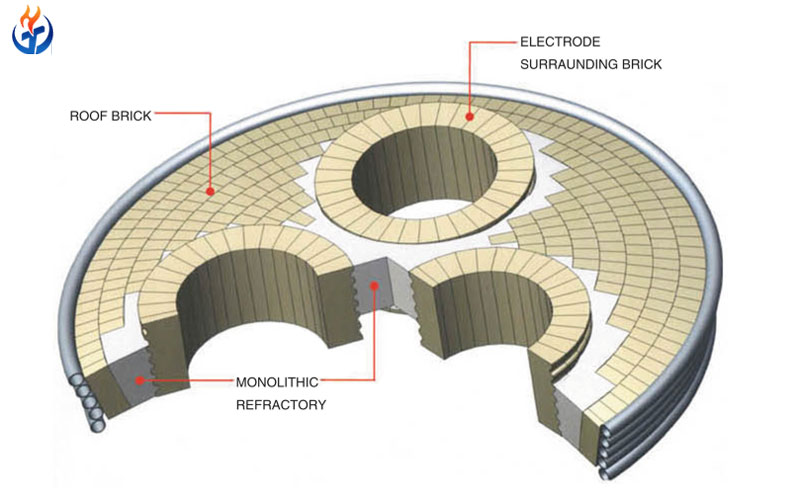
These are commonly used in furnace walls, roofs, and structural linings.
5. Monolithic Refractories
Monolithic refractories are unshaped materials installed as a continuous lining.
Types Include:
Castables
Ramming mass
Gunning materials
Plastic refractories
They are increasingly popular due to:
Easier installation
Reduced joints (less slag penetration)
Faster maintenance
Monolithic solutions represent a modern approach to Refractory Materials for the Foundry Industry.
Key Properties of Refractory Materials for the Foundry Industry
Selecting the right refractory requires understanding their performance characteristics.
1. Refractoriness
The ability to withstand high temperatures without melting or deforming. This is fundamental for any foundry application.
2. Thermal Shock Resistance
Foundry furnaces often undergo rapid heating and cooling cycles. Materials must resist cracking under sudden temperature changes.
3. Chemical Stability
Refractories must resist chemical reactions with molten metals and slags to prevent contamination and erosion.
4. Mechanical Strength
High compressive strength ensures the lining maintains integrity under load and impact.
5. Porosity and Density
Low porosity improves resistance to slag penetration, while density affects insulation performance.
6. Thermal Conductivity
Lower thermal conductivity helps reduce heat loss and improve energy efficiency.
Major Applications of Refractory Materials in Foundries
Refractory Materials for the Foundry Industry are used in various equipment and processes.
1. Melting Furnaces
Different furnace types require specific refractory solutions.
Induction Furnaces
Require high thermal shock resistance
Often lined with dry ramming mass
Suitable for iron, steel, and non-ferrous casting
Electric Arc Furnaces
Operate at extremely high temperatures
Typically use magnesia or magnesia-carbon bricks
Cupola Furnaces
Common in cast iron foundries
Often use silica or high alumina bricks
2. Ladles and Tundishes
Ladles transport molten metal from furnace to mold. They require:
High corrosion resistance
Thermal shock resistance
Structural durability
Monolithic castables are frequently used due to ease of maintenance.
3. Launders and Spouts
These components guide molten metal flow. They require smooth surfaces and resistance to metal penetration.
4. Backup Insulation Layers
Insulating refractory bricks and ceramic fiber materials reduce heat loss and improve energy efficiency.
Selection Criteria for Refractory Materials for the Foundry Industry
Choosing the correct refractory solution requires a detailed evaluation of operating conditions.
Metal Type
Cast iron
Carbon steel
Alloy steel
Aluminum
Copper alloys
Each metal has unique chemical and temperature requirements.
Slag Composition
Understanding whether slags are acidic, basic, or neutral is essential for material compatibility.
Temperature Range
Higher operating temperatures demand higher-grade refractory materials.
Thermal Cycling Frequency
Frequent start-stop operations require excellent thermal shock resistance.
Maintenance Strategy
Foundries aiming to reduce downtime may prefer monolithic or precast refractory solutions.
Benefits of High-Quality Refractory Materials
Investing in high-performance Refractory Materials for the Foundry Industry delivers measurable advantages:
Extended furnace life
Reduced maintenance costs
Improved energy efficiency
Enhanced casting quality
Increased operational safety
Poor-quality refractories, by contrast, lead to frequent repairs, contamination risks, and unexpected shutdowns.
Conclusion
Refractory materials are the foundation of safe and efficient foundry operations. From melting furnaces to ladles and insulation systems, Refractory Materials for the Foundry Industry ensure that extreme temperatures and harsh chemical environments can be managed effectively.
Understanding the classifications, properties, applications, and selection criteria of refractory materials enables foundry operators to make informed decisions that optimize performance and reduce long-term costs. As technology advances, the demand for durable, energy-efficient, and environmentally friendly refractory solutions will continue to grow.
For any foundry aiming to enhance productivity, extend equipment life, and maintain high casting quality, investing in the right refractory materials is not optional—it is essential.