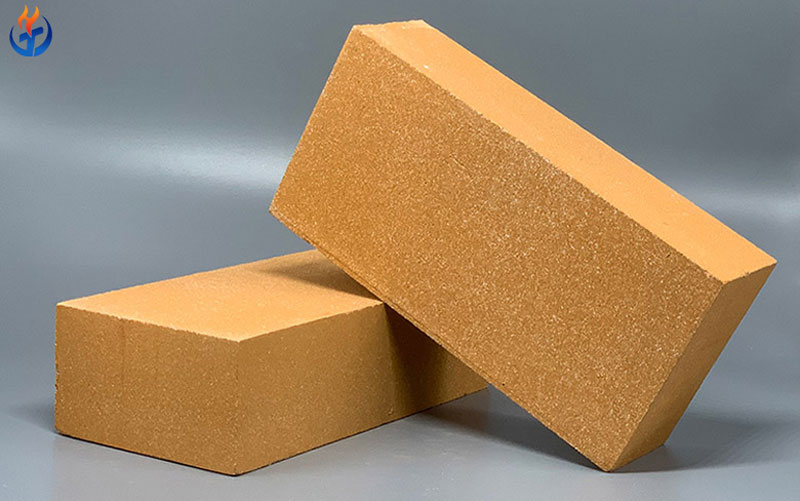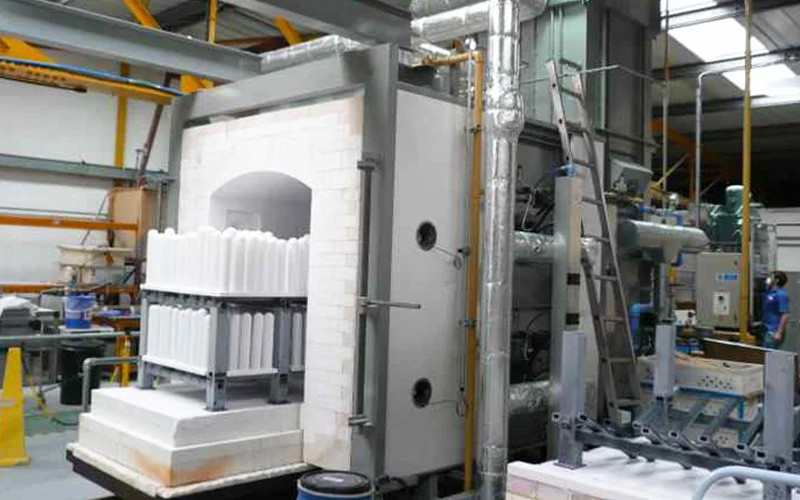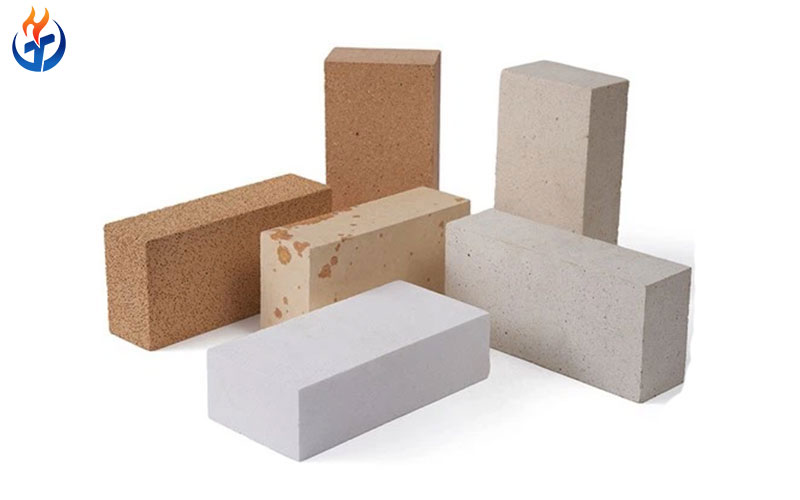
Magnesia spinel bricks are widely used in high-temperature industrial furnaces due to their excellent refractoriness, strong resistance to slag corrosion, and good thermal stability. They are especially common in steelmaking converters, electric arc furnaces, ladles, cement kilns, and non-ferrous metal smelting furnaces.
However, even the highest-quality magnesia spinel bricks can fail prematurely if they are not stored, handled, and used correctly. Improper storage may lead to moisture absorption, cracking, or chemical changes, while incorrect installation and operation can significantly reduce service life and performance.
This article provides a comprehensive guide on how to store and use magnesia spinel bricks, helping manufacturers, furnace designers, and end users maximize their performance and lifespan in real industrial applications.

Understanding the Characteristics of Magnesia Spinel Bricks
Before discussing storage and usage, it is important to understand the basic characteristics of magnesia spinel bricks, as these properties directly influence how they should be handled.
Magnesia spinel bricks are typically made from:
High-purity magnesia (MgO)
Synthetic or in-situ formed magnesium aluminate spinel (MgAl₂O₄)
Key performance characteristics include:
High refractoriness under load
Excellent resistance to basic slags
Good thermal shock resistance compared to traditional magnesia bricks
Low reactivity with steel and slag
Stable volume at high temperatures
Despite these advantages, magnesia spinel bricks are sensitive to moisture and require controlled heating during first use, which makes proper storage and installation essential.
Importance of Proper Storage for Magnesia Spinel Bricks
Correct storage is the first step to ensuring reliable performance. Many refractory failures occur not because of material defects, but because bricks were damaged or contaminated before installation.
2.1 Why Storage Conditions Matter
Magnesia spinel bricks contain MgO, which can react with moisture and carbon dioxide in the air. This reaction can lead to:
Surface hydration
Powdering or flaking
Microcracking
Reduced mechanical strength
Once moisture damage occurs, it is often irreversible and may not be visible until the bricks are installed and heated.
Best Practices for Storing Magnesia Spinel Bricks
3.1 Keep Bricks in a Dry Environment
Magnesia spinel bricks must be stored in a dry, well-ventilated warehouse. The ideal storage environment should:
Be protected from rain, snow, and ground moisture
Maintain low relative humidity
Avoid condensation caused by temperature fluctuations
If possible, indoor storage with climate control is preferred, especially in coastal or humid regions.
3.2 Use Original Packaging Until Use
Manufacturers usually pack magnesia spinel bricks in:
Plastic-wrapped pallets
Moisture-proof bags
Wooden crates with protective liners
Do not remove the original packaging until the bricks are ready to be installed. The packaging acts as a barrier against humidity and dust.
3.3 Elevate Bricks from the Ground
Never place bricks directly on the floor. Instead:
Use wooden pallets or steel racks
Keep at least 10–15 cm clearance from the ground
Avoid contact with concrete floors, which may release moisture
This prevents capillary moisture absorption from the ground.
3.4 Avoid Long-Term Open Storage
If long-term storage is unavoidable:
Periodically check packaging integrity
Replace damaged wrapping immediately
Monitor humidity levels in the storage area
Bricks stored for extended periods should be inspected before use to ensure no moisture damage has occurred.
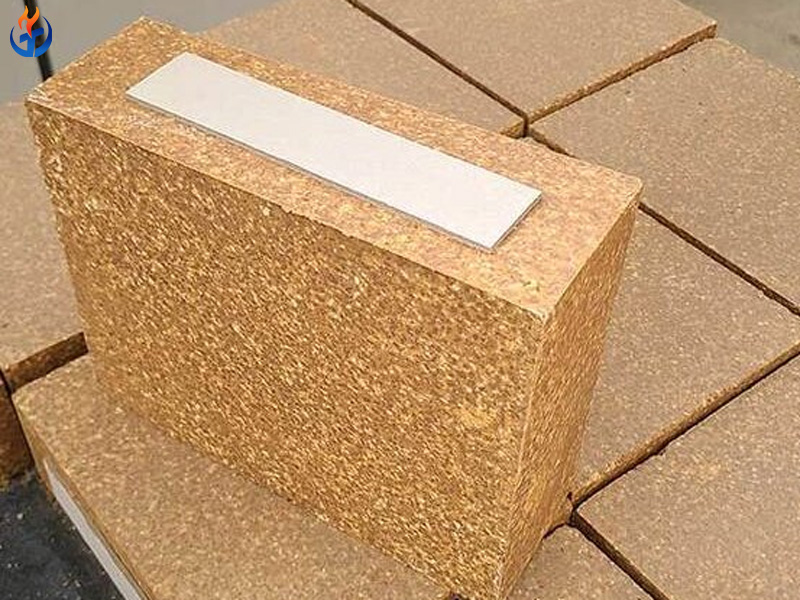
Handling and Transportation Guidelines
Improper handling can cause mechanical damage even before installation.
4.1 Prevent Impact and Vibration
Magnesia spinel bricks are strong but brittle. During transportation:
Avoid dropping or throwing bricks
Use forklifts with padded forks
Secure pallets to prevent shifting during transport
Cracks caused by impact may not be visible immediately but can expand during furnace operation.
4.2 Handle Special Shapes with Extra Care
Pre-shaped or special-shaped bricks used for critical furnace zones should be handled individually and stored separately to prevent edge damage and deformation.
Preparation Before Using Magnesia Spinel Bricks
5.1 Inspection Before Installation
Before installation:
Check bricks for visible cracks, chips, or powdering
Reject bricks with signs of hydration or discoloration
Confirm dimensions and shapes meet design specifications
Using compromised bricks can lead to lining instability and premature failure.
5.2 Preheating or Drying When Necessary
If there is any suspicion of moisture absorption:
Pre-dry the bricks at low temperature (e.g., 110–150°C)
Hold the temperature long enough to remove free moisture
This step is especially important in humid climates or after long storage periods.
Correct Installation of Magnesia Spinel Bricks
Proper installation is as critical as material quality.
6.1 Use Compatible Refractory Mortar
Only use mortar recommended by the brick manufacturer. The mortar should:
Match the chemical composition of the bricks
Have similar thermal expansion behavior
Provide strong bonding at operating temperatures
Using incompatible mortar can cause joint failure and lining instability.
6.2 Control Joint Thickness
Uniform joint thickness is essential:
Typically 1–2 mm for precision-laid bricks
Avoid excessively thick joints, which weaken the lining
Ensure full mortar coverage without voids
Poor joint control can lead to slag penetration and thermal stress concentration.
6.3 Follow the Correct Laying Pattern
Install bricks according to the furnace design:
Maintain staggered joints
Ensure proper alignment
Avoid forced fitting, which can introduce internal stress
Each furnace zone may require different brick grades and layouts, especially in high-wear areas.
Drying and First Heating After Installation
7.1 Importance of Controlled Heating
The initial heating process is one of the most critical stages for magnesia spinel brick linings. Rapid heating can cause:
Steam pressure buildup
Cracking or spalling
Permanent damage to the lining
7.2 Recommended Heating Procedure
Although specific schedules vary by application, general principles include:
Slow temperature ramp-up
Holding periods at key temperatures to remove residual moisture
Gradual transition to operating temperature
Always follow the furnace supplier’s and refractory manufacturer’s recommended heating curve.
Proper Use of Magnesia Spinel Bricks in Operation
8.1 Maintain Stable Operating Conditions
Frequent temperature fluctuations can shorten lining life. To extend service life:
Avoid rapid heating and cooling cycles
Maintain stable furnace operation
Reduce unnecessary shutdowns when possible
Magnesia spinel bricks perform best under relatively stable thermal conditions.
8.2 Control Slag Chemistry
Although magnesia spinel bricks have excellent slag resistance, extreme slag compositions can still cause wear. Monitoring slag basicity and composition helps reduce chemical attack.
8.3 Monitor Wear and Schedule Maintenance
Regular inspections during scheduled shutdowns can identify:
- Localized wear
- Joint erosion
- Early cracking
Timely repairs can prevent major lining failures and reduce downtime.
Conclusion
Knowing how to store and use magnesia spinel bricks correctly is essential for achieving their full performance potential. Proper storage protects the bricks from moisture damage, careful handling prevents mechanical defects, and correct installation and controlled heating ensure long service life in demanding high-temperature environments.
For industries such as steelmaking, cement production, and non-ferrous metallurgy, these best practices translate directly into reduced maintenance costs, improved furnace efficiency, and longer campaign life. By paying attention to every stage—from storage and transportation to installation and operation—users can fully benefit from the superior properties of magnesia spinel bricks and ensure reliable, long-term furnace performance.