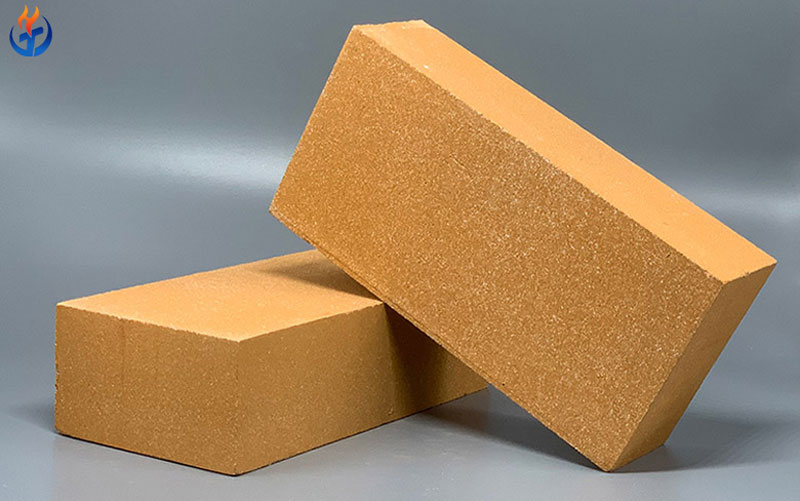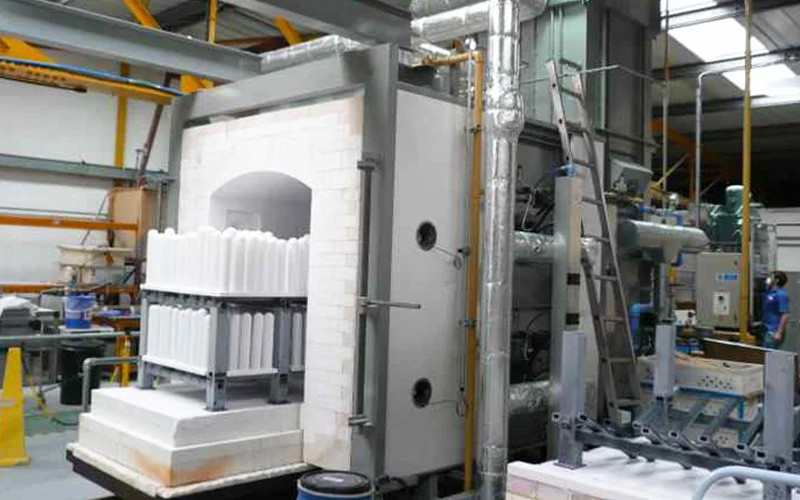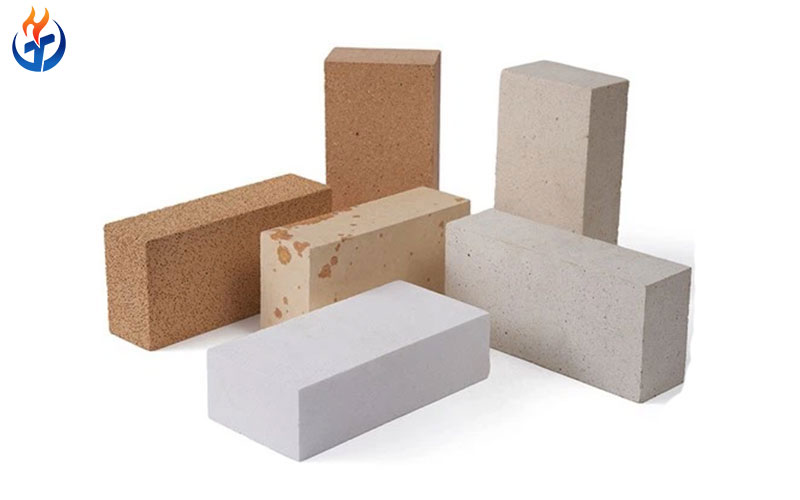
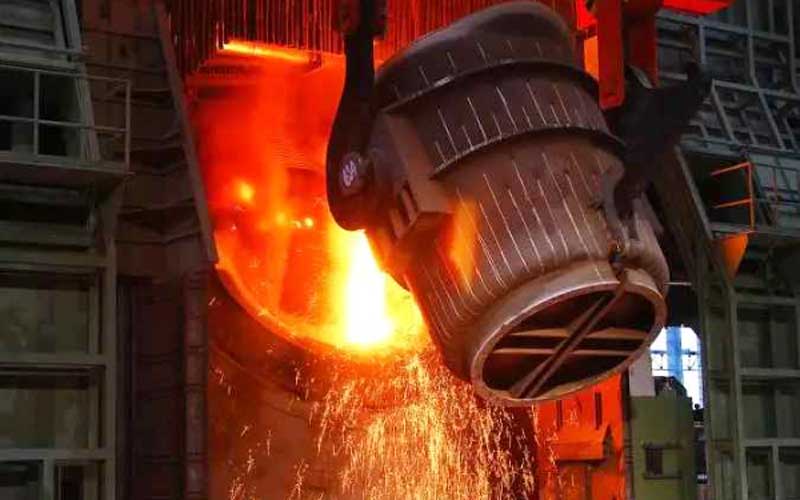
Choosing the right Steel Ladle refractory is a critical decision for steelmakers who aim to improve ladle life, stabilize molten steel quality, and reduce overall operating costs. A steel ladle operates under extremely harsh conditions, including high temperatures, chemical corrosion, mechanical impact, and repeated thermal cycling. If the refractory materials are not properly selected, frequent repairs, unexpected downtime, and safety risks can occur.
Now, Xintai Refractory will provide a practical and systematic guide on how to choose Steel Ladle refractory materials, including refractory bricks and monolithic linings, based on working conditions, steel grades, and operational requirements.
Understanding the Working Conditions of a Steel Ladle
Before selecting any Steel Ladle refractory, it is essential to clearly understand the ladle’s operating environment. Different zones inside a steel ladle experience different stresses, so a “one-material-fits-all” approach is never recommended.
High Temperature and Thermal Shock
Steel ladles typically operate at temperatures ranging from 1550°C to 1650°C. During repeated heating and cooling cycles, refractory materials must withstand severe thermal shock. Poor thermal shock resistance often leads to cracking and spalling of Steel Ladle refractory bricks, shortening service life.
Chemical Corrosion from Molten Steel and Slag
Molten steel and slag contain aggressive chemical components such as FeO, MnO, CaO, and MgO. These substances react with refractory linings, especially at high temperatures. Therefore, Steel Ladle refractory materials must have strong corrosion resistance and chemical stability.
Mechanical Impact and Erosion
Steel ladles are subjected to mechanical stresses during tapping, transportation, and pouring. Slag movement and molten steel flow can cause erosion, especially in the slag line and impact zones. This makes mechanical strength a key factor when choosing Steel Ladle bricks.
Key Areas of a Steel Ladle and Their Refractory Requirements
To properly select Steel Ladle refractory, it is important to consider each ladle zone separately.
Ladle Bottom
The ladle bottom supports the full weight of molten steel. Refractories used here must offer:
High compressive strength
Excellent resistance to molten steel penetration
Stable volume at high temperatures
High-quality high-alumina refractory bricks or alumina-spinel castables are commonly used as Steel Ladle refractory materials in this area.
Ladle Wall
The ladle wall is exposed to both thermal shock and chemical corrosion. Refractory materials must balance:
Thermal shock resistance
Slag corrosion resistance
Structural stability
Magnesia-carbon bricks and alumina-magnesia-carbon bricks are widely used Steel Ladle refractory bricks for ladle walls due to their excellent performance.
Slag Line
The slag line is the most aggressive zone in a steel ladle. It experiences:
Intense slag corrosion
Strong oxidation
Severe thermal fluctuations
Premium Steel Ladle refractory materials, such as high-purity magnesia-carbon bricks with optimized carbon content, are often selected to maximize ladle campaign life.
Common Types of Steel Ladle Refractory Materials
Steel Ladle Refractory Bricks
Steel Ladle refractory brick products remain the most widely used solution due to their structural stability and ease of installation.
High Alumina Bricks
Al₂O₃ content: 60–85%
Good thermal shock resistance
Suitable for ladle bottoms and backup linings
These bricks are cost-effective Steel Ladle refractory materials for medium-duty applications.
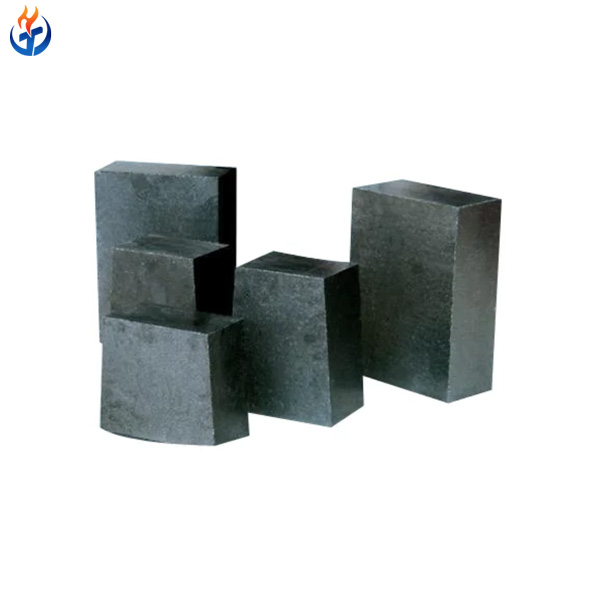
Magnesia-Carbon Bricks
Excellent slag resistance
High thermal conductivity reduces thermal stress
Widely used in slag line and ladle wall
Magnesia-carbon Steel Ladle bricks are ideal for high-temperature steelmaking operations.
Monolithic Steel Ladle Refractory Materials
Monolithic refractories are increasingly used to complement refractory bricks.
Castables
Alumina-based or magnesia-based
Good erosion resistance
Easy to repair and maintain
Castables are often used in ladle bottoms, impact pads, and working linings.
Gunning and Ramming Materials
These Steel Ladle refractory materials are mainly used for hot repair and maintenance, helping extend ladle service life without full relining.
How Steel Grade Influences Refractory Selection
Different steel grades impose different requirements on Steel Ladle refractory.
Carbon Steel
Moderate chemical aggressiveness
Standard magnesia-carbon bricks are sufficient
Alloy Steel and Stainless Steel
Higher tapping temperatures
More aggressive slag chemistry
For these steels, higher-purity Steel Ladle refractory materials with enhanced corrosion resistance are required.
Clean Steel and Special Steel
Producing clean steel demands refractories with:
Low impurity content
Minimal contamination risk
Stable chemical composition
Advanced Steel Ladle refractory bricks with controlled raw materials are essential.
Key Performance Indicators When Choosing Steel Ladle Refractory
When evaluating Steel Ladle refractory materials, steel plants should focus on the following indicators:
Refractoriness Under Load (RUL)
High RUL ensures that Steel Ladle refractory bricks maintain shape and strength under molten steel pressure.
Slag Resistance
Slag corrosion resistance directly impacts ladle campaign life and maintenance frequency.
Thermal Shock Resistance
This property is critical for ladles subjected to frequent temperature changes.
Oxidation Resistance
For carbon-containing Steel Ladle refractory, oxidation resistance determines long-term performance, especially at the slag line.
Cost vs. Performance: Finding the Right Balance
Selecting Steel Ladle refractory materials is not about choosing the cheapest option. A low initial cost often leads to higher long-term expenses due to:
Short service life
Frequent shutdowns
Increased labor and repair costs
High-quality Steel Ladle refractory bricks may have a higher upfront price, but they significantly reduce total cost per ton of steel.
Importance of Supplier Experience and Technical Support
The performance of Steel Ladle refractory depends not only on materials but also on technical design and installation quality.
An experienced refractory manufacturer can provide:
Customized lining designs
Proper material matching for each ladle zone
On-site technical support and optimization
For steel plants, working with a professional Steel Ladle refractory materials supplier ensures stable operation and continuous improvement.
Conclusion
Choosing the right Steel Ladle refractory is a systematic process that involves understanding ladle working conditions, steel grades, and operational goals. From selecting appropriate Steel Ladle refractory bricks to combining them with high-performance monolithic materials, every decision impacts ladle life, steel quality, and production efficiency.
By focusing on performance indicators, balancing cost and durability, and partnering with experienced refractory suppliers, steelmakers can optimize their ladle refractory systems and achieve long-term operational success.