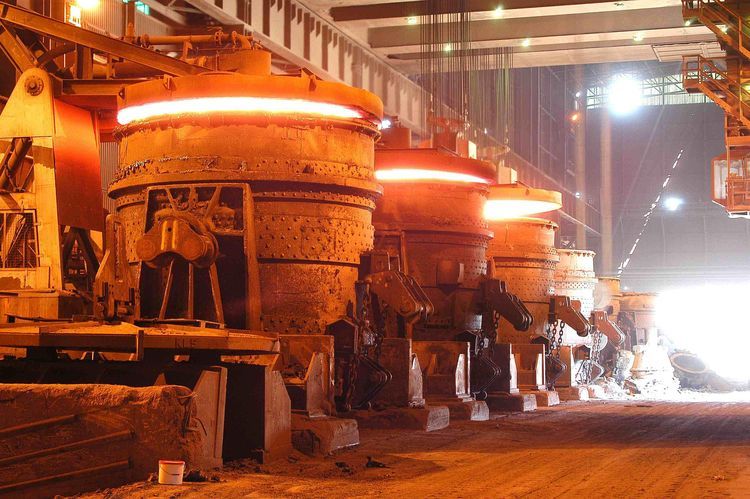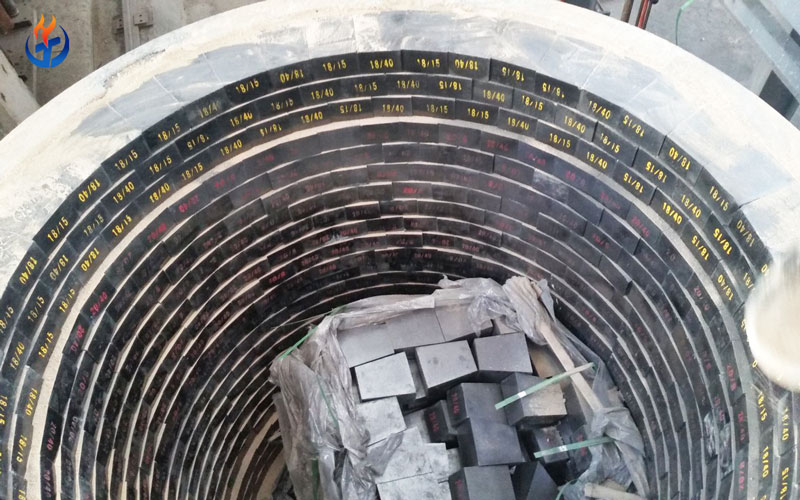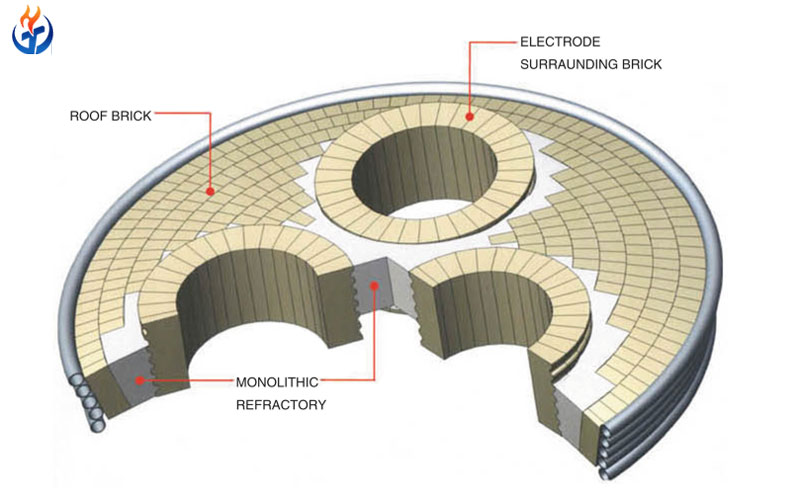
In induction furnaces, the lining plays a crucial role in maintaining structural integrity, maximizing heat retention, and protecting the furnace from wear and corrosion. One essential component of the furnace lining is ramming mass, a dense material used to repair and maintain the lining of the furnace. Different types of ramming masses are utilized depending on the specific requirements of the metal being melted and the operational conditions. In this article, we’ll explore the various types of ramming mass for induction furnaces, focusing on alumina-based, silica-based, magnesia-based, and acidic ramming masses, among others.
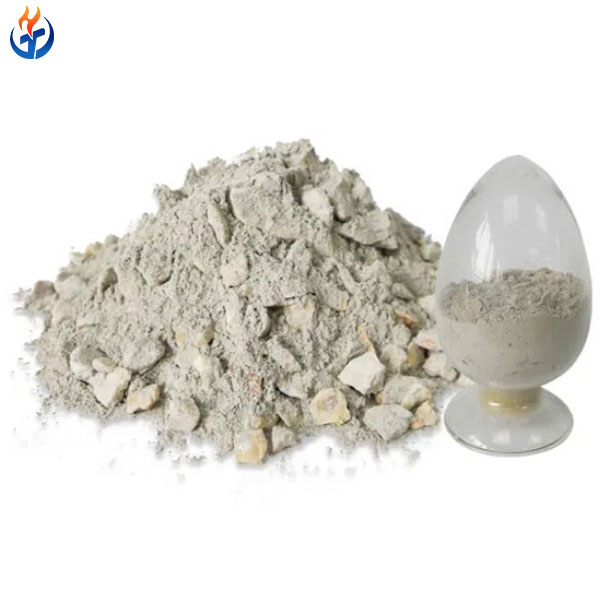
1. Alumina-Based Ramming Mass for Induction Furnace
Alumina-based ramming mass is one of the most commonly used types of ramming mass in induction furnaces, especially when dealing with high-temperature metal melting. It primarily consists of high-purity alumina (Al2O3), which offers excellent resistance to high temperatures and abrasion.
Applications:
- Melting Aluminum: Alumina-based ramming mass is particularly suited for aluminum melting due to its resistance to aluminum’s corrosion. It can withstand the high thermal cycling and heat shocks that occur during aluminum melting.
- High Thermal Stability: This type of ramming mass offers superior thermal stability, which is essential in furnaces that experience frequent temperature fluctuations.
- Extended Lifespan: It can extend the life of induction furnaces by providing a durable, high-performance lining that resists thermal and mechanical stresses.
Advantages:
- High temperature resistance.
- Excellent thermal conductivity.
- Provides resistance to molten aluminum.
2. Silica-Based Ramming Mass for Induction Furnace
Silica-based ramming mass is primarily composed of silica (SiO2), making it highly effective for melting metals that are relatively neutral or slightly acidic. Silica has a lower melting point than alumina, but it offers good resistance to abrasion and thermal shock under the right conditions.
Applications:
- Casting of Iron: Silica ramming mass is widely used in the induction furnaces for melting and casting gray iron, ductile iron, and steel.
- Efficient Heat Transfer: Its excellent heat transfer properties help maintain furnace temperature stability and uniformity during the melting process.
- Corrosion Resistance: This ramming mass can effectively resist the corrosion caused by molten iron and other similar metals.
Advantages:
- Good performance in iron melting.
- Better heat conductivity compared to other materials.
- Cost-effective for certain metal types like iron.
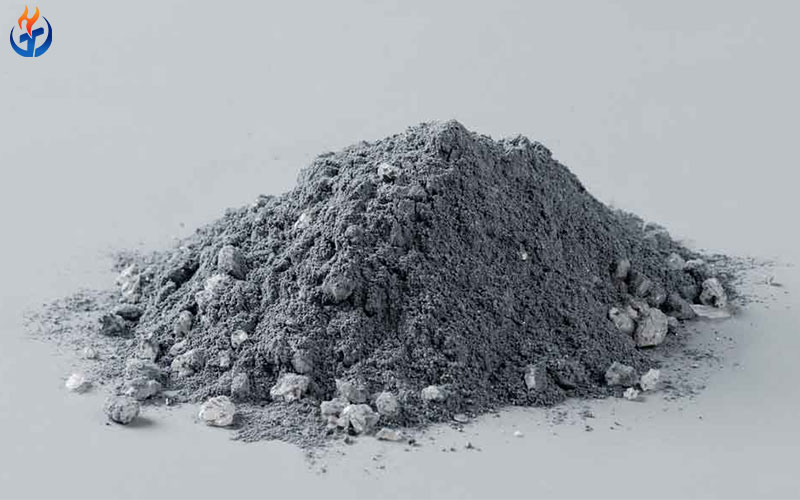
3. Magnesia-Based Ramming Mass for Induction Furnace
Magnesia-based ramming mass contains high-purity magnesia (MgO), which is known for its remarkable resistance to alkaline slags and its ability to withstand extremely high temperatures. This makes it particularly suitable for use in environments where high heat resistance is critical.
Applications:
- Steel Melting: Magnesia-based ramming mass is ideal for use in steel induction furnaces, particularly for the melting of high-grade steels or non-ferrous metals that require high-performance refractory materials.
- Magnesium Alloy Production: It is also useful in the melting of magnesium alloys, where high levels of heat resistance are essential.
- Alkaline Slag Resistance: Its resistance to alkaline slag allows for smoother operation and reduces furnace lining wear.
Advantages:
- High resistance to molten steel and magnesium alloys.
- Superior heat shock resistance.
- Ideal for high-temperature operations.
4. Acidic Ramming Mass for Induction Furnace
Acidic ramming mass is composed of materials like silica and other acidic compounds, which are particularly suitable for environments where the metal being melted is not highly reactive with acidic materials.
Applications:
- Iron and Steel Melting: Acidic ramming mass is commonly used in induction furnaces for melting iron, where its excellent thermal properties and resistance to the molten metal’s interaction with the furnace lining come into play.
- High-Temperature Stability: This type of ramming mass is excellent at maintaining furnace temperature stability in high-heat operations, which is crucial in applications where uniform heating is required.
- Furnace Maintenance: Its easy application and reusability make it ideal for routine furnace maintenance, extending the service life of the induction furnace.
Advantages:
- Cost-effective for iron-based metals.
- Excellent high-temperature resistance.
- Ideal for general-purpose furnaces.
5. Neutral Ramming Mass for Induction Furnace
Neutral ramming mass is composed of materials like magnesia and alumina that offer a neutral response to molten metals, making it versatile for a wide range of melting applications. Unlike acidic or basic ramming masses, neutral ramming mass does not react aggressively with either acidic or basic metal alloys.
Applications:
- Non-Ferrous Metal Melting: It is typically used in furnaces designed for melting non-ferrous metals such as copper, brass, and aluminum alloys.
- Versatility: Neutral ramming mass is flexible in terms of its application, making it suitable for both ferrous and non-ferrous metal processing.
Advantages:
- Highly versatile and adaptable to different types of metal melting.
- Reduces the wear and tear of the furnace.
- Resists both acidic and basic slags, making it ideal for multi-metal melting.
Choosing the Right Ramming Mass for Your Induction Furnace
Selecting the right ramming mass for your induction furnace depends on a variety of factors, including:
- Type of Metal: The choice of ramming mass is often determined by the type of metal being melted. For example, aluminum benefits from alumina-based ramming mass, while iron is better suited for silica-based ramming mass.
- Operating Temperature: Some ramming masses are designed to handle extremely high temperatures, while others are more suited for moderate temperature applications.
- Slag Resistance: Depending on the composition of the slag formed during the melting process, different ramming masses will provide varying levels of protection against corrosion and wear.
- Cost-Effectiveness: Depending on your budget and furnace usage, certain types of ramming mass may offer a better cost-to-performance ratio.
Conclusion
Different types of ramming mass for induction furnace are designed to meet the specific demands of various metal melting processes. Whether you’re working with aluminum, steel, iron, or non-ferrous metals, selecting the appropriate ramming mass is crucial for optimizing furnace performance, extending the service life of your equipment, and ensuring the quality of your melted products. Understanding the properties and applications of each type of ramming mass will help you make the best choice for your furnace operation.
Looking for refractory ramming mass and other refractory materials? Welcome to Get more from Xintai refractory!