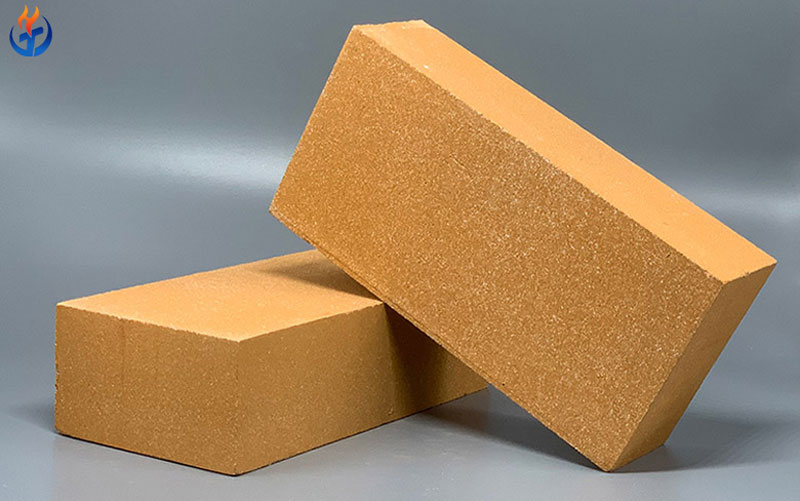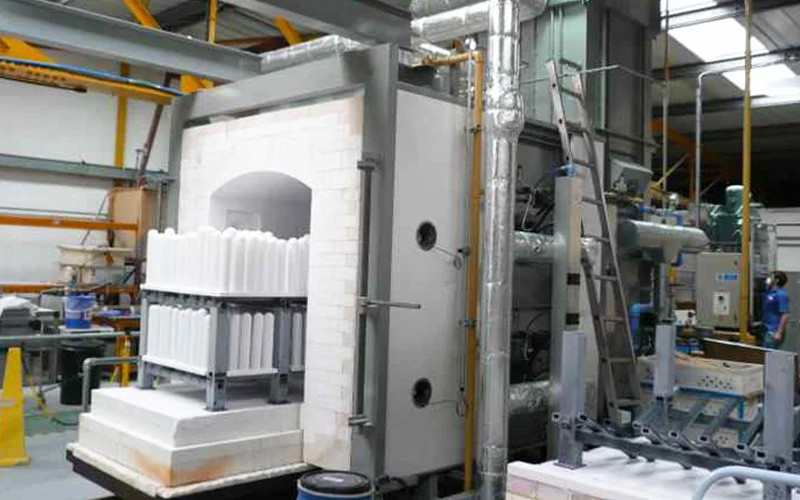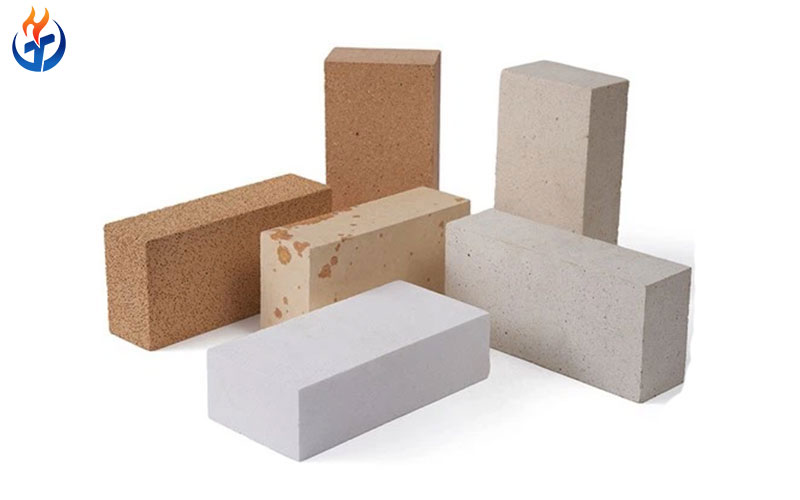
Corundum bricks, made from high-purity alumina, are a critical material in a wide range of industries due to their exceptional properties, including high thermal stability, resistance to wear, and low thermal conductivity. These bricks are commonly used in high-temperature applications, such as furnaces, kilns, and reactors. In this post, we will explore the differences between various types of corundum bricks and their key applications in various industries.
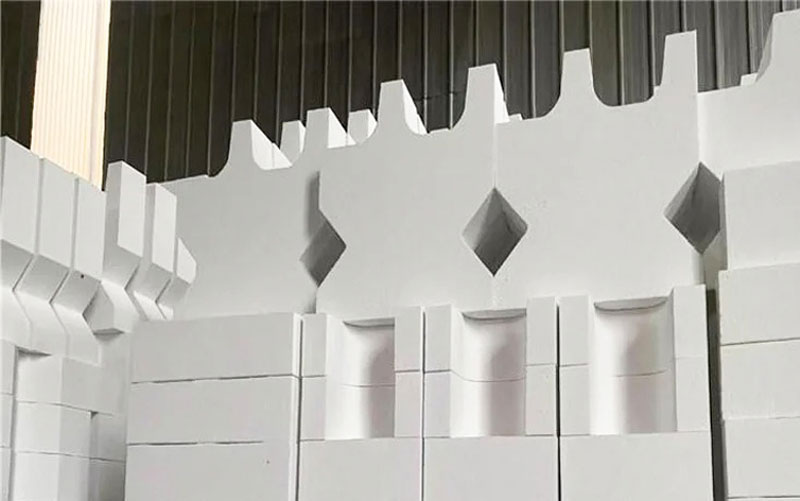
Get More About Corundum Bricks
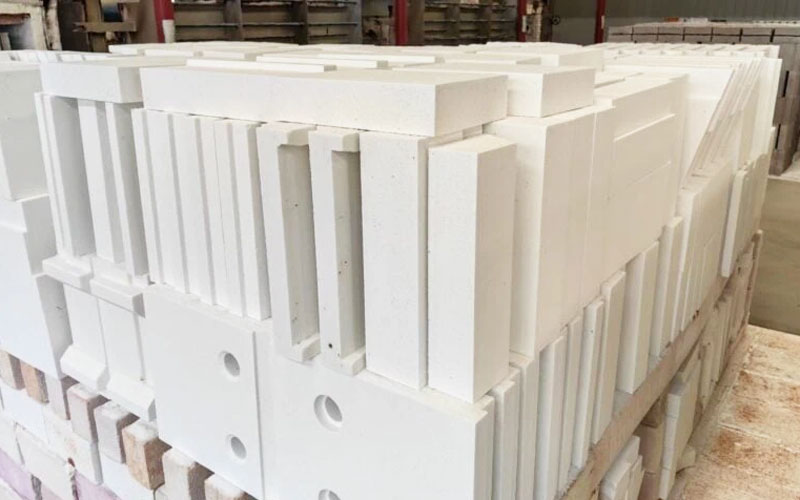
Corundum bricks are refractory materials made from alumina (Al₂O₃) with a corundum structure, which is a crystalline form of aluminum oxide. These bricks are known for their excellent resistance to thermal shock, wear, and corrosion at high temperatures. Corundum itself has a hardness rating of 9 on the Mohs scale, which makes it one of the hardest materials on Earth, second only to diamond.
The main characteristics that make corundum bricks so valuable include their:
High melting point: Corundum bricks can withstand temperatures above 1800°C (3272°F).
Corrosion resistance: They are resistant to most acids and alkalis, making them ideal for harsh chemical environments.
Wear resistance: Their hardness ensures that corundum bricks last longer in high-wear applications.
Types of Corundum Bricks
Different types of corundum bricks are tailored to specific applications, and the variations in composition and structure determine their suitability for particular environments. The most common types include:
High-Purity Corundum Bricks:
These high purity corundum bricks are made from nearly pure alumina (usually 99% or higher) and are used in applications where high thermal stability and resistance to corrosion are required. These bricks can be found in industries such as glassmaking, steel production, and the production of non-ferrous metals.Corundum-Mullite Bricks:
This type of brick is a composite material that combines corundum with mullite (a type of aluminum silicate). Corundum-mullite bricks offer enhanced thermal shock resistance compared to pure corundum bricks, making them ideal for use in high-temperature furnaces and kilns that experience frequent temperature fluctuations.Magnesia-Alumina Corundum Bricks:
These bricks are made by combining alumina with magnesia (MgO). The addition of magnesia improves the material’s resistance to slag and alkaline corrosion, making them highly effective in applications involving high alkalinity, such as the lining of steel furnaces.Corundum-Spinel Bricks:
Spinel (MgAl₂O₄) is another material often used in combination with corundum to form a composite brick. The addition of spinel increases the brick’s resistance to basic slags and provides additional strength at high temperatures. These bricks are commonly used in the linings of kilns, boilers, and blast furnaces.Low-Cement Castable Corundum Bricks:
These bricks are a type of refractory castable that contains low amounts of cement, making them more durable and resistant to heat. They are often used in environments where a more flexible and less brittle material is required, such as in the production of cement and ceramics.
Key Applications of Corundum Bricks
Corundum bricks are widely used across industries that demand high-performance materials capable of withstanding extreme temperatures and corrosive environments. Let’s look at some of the most common applications:
Iron and Steel Industry:
The iron and steel industry is one of the largest users of corundum bricks. These bricks are primarily used as linings for electric arc furnaces (EAF), ladles, and refining vessels. The bricks’ high resistance to thermal shock, combined with their ability to withstand the extreme temperatures and aggressive slag found in these environments, makes them essential for maintaining the integrity and longevity of the equipment.Glass Manufacturing:
In glass production, high-purity corundum bricks are used for lining furnaces that melt raw materials at extremely high temperatures. The bricks are resistant to both thermal shock and the corrosive effects of the molten glass. Additionally, their ability to maintain their structural integrity under fluctuating temperatures makes them ideal for long-term use in glass furnaces.Cement Industry:
Corundum bricks, particularly the low-cement castable varieties, are used in rotary kilns for cement production. The high thermal resistance of these bricks allows them to handle the intense heat within the kiln, which often exceeds 1500°C. Additionally, their durability ensures minimal maintenance costs over time, making them a cost-effective solution for the cement industry.Non-Ferrous Metal Production:
For non-ferrous metal production, including the smelting of aluminum and copper, corundum bricks are used in both furnaces and reactors. The bricks’ excellent resistance to slag and molten metal helps prevent damage to the equipment, ensuring high operational efficiency and reducing downtime for repairs.Petrochemical Industry:
In the petrochemical industry, corundum bricks are used in reactors and furnaces that process hydrocarbons at high temperatures. The bricks’ ability to withstand extreme thermal and chemical stresses is vital in maintaining the integrity of the reactors and preventing costly failures.Heat Treatment Furnaces:
Corundum bricks are often used in heat treatment furnaces where metals and other materials are subjected to high temperatures to modify their properties. The thermal stability and uniform heating provided by corundum bricks help ensure high-quality results in processes such as annealing, hardening, and tempering.
Advantages of Using Corundum Bricks
The key advantages of using corundum bricks are directly related to their physical properties. Here are the most notable:
High Temperature Resistance: Corundum bricks can endure extremely high temperatures, making them ideal for high-temperature industrial applications, such as those found in the glass and steel industries.
Durability: Corundum bricks have an exceptional lifespan due to their resistance to wear and erosion. They are especially useful in environments where materials are subject to constant thermal cycling or mechanical wear.
Corrosion Resistance: The chemical inertness of corundum bricks makes them resistant to acidic and basic environments, making them suitable for use in industries involving corrosive materials, such as chemical processing and steelmaking.
Thermal Shock Resistance: Their low thermal expansion coefficient allows corundum bricks to resist cracking due to rapid temperature changes, which is a critical factor in industries such as glassmaking, where the temperature fluctuations are frequent.
Reduced Maintenance Costs: Due to their extended lifespan and resistance to wear and corrosion, corundum bricks minimize downtime for maintenance, leading to reduced overall operational costs.
Conclusion
Corundum bricks are a crucial component in high-temperature industries, offering remarkable performance in environments where other materials would fail. By understanding the differences between the various types of corundum bricks and their specific applications, industries can choose the most suitable material for their needs, ensuring enhanced performance and lower maintenance costs. Whether used in the steel, glass, cement, or non-ferrous metal industries, corundum bricks provide unmatched durability, resistance to wear and corrosion, and thermal stability, making them a valuable asset in many industrial processes.
With their high demand in various sectors, corundum bricks continue to be one of the most reliable and cost-effective choices for companies looking to improve the efficiency and longevity of their high-temperature equipment.