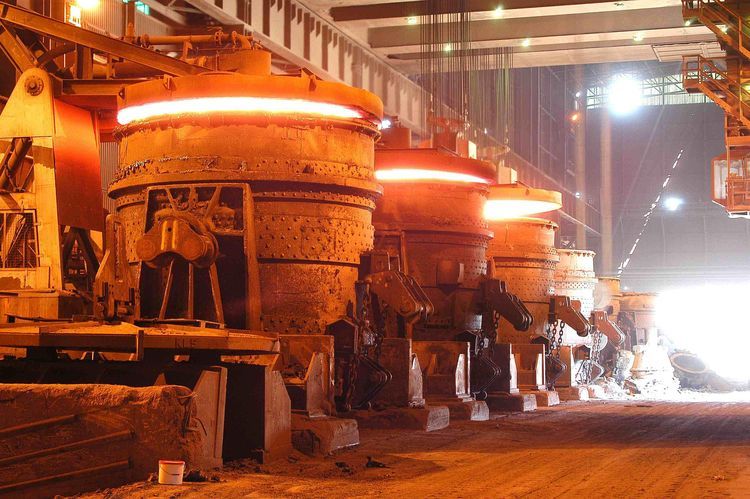
Hydrogen sulfide (H₂S) incinerators are specialized units designed for the treatment of hydrogen sulfide tail gas, a highly corrosive and hazardous byproduct produced in various industrial processes. These incinerators play a crucial role in reducing the harmful environmental impact of hydrogen sulfide emissions by converting it into safer compounds like sulfur dioxide (SO₂). However, the harsh working conditions inside a hydrogen sulfide incinerator pose significant challenges for its lining materials. In particular, the incinerator is exposed to high temperatures, fluctuating combustion conditions, and acid gases, all of which can cause severe erosion to the furnace lining.
One of the most critical components of the incinerator is its lining, which must be designed to withstand extreme heat, thermal shock, and corrosion from acid gases. The selection of appropriate refractory materials for the lining is therefore essential to ensure the longevity and efficiency of the incinerator. In this article, we will focus on one of the most effective materials for hydrogen sulfide incinerator linings: Corundum Mullite Bricks.
The Importance of Lining Materials in Hydrogen Sulfide Incinerators
The incineration process of hydrogen sulfide involves extremely high temperatures and fluctuating conditions, with the furnace temperature reaching up to 1400°C in some cases. The material selected for the furnace lining must therefore have excellent high-temperature resistance and the ability to maintain its integrity under thermal stress. Additionally, hydrogen sulfide gas is unstable, and variations in combustion conditions can cause rapid temperature fluctuations inside the furnace. This makes thermal shock resistance a critical requirement for the refractory material.
Acidic combustion atmospheres further complicate the lining material selection, as the furnace is exposed to corrosive sulfuric acid and other acidic compounds. The refractory material must not only resist the corrosive effects of these gases but also have the ability to retain its shape and properties over extended periods of time.
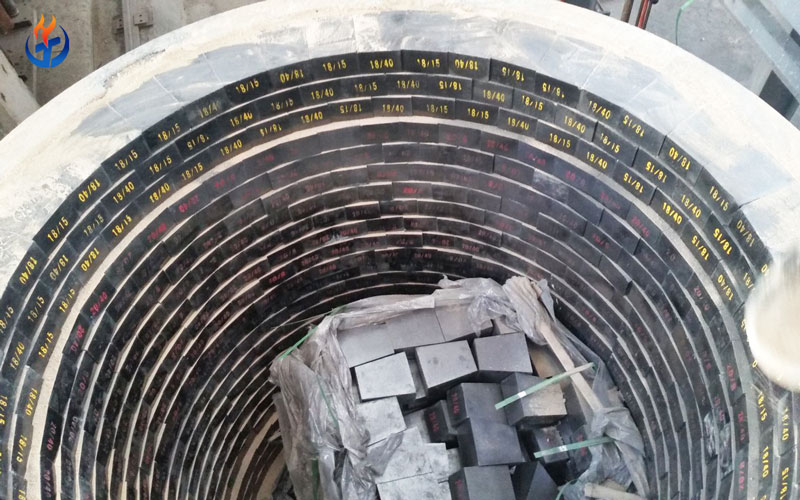
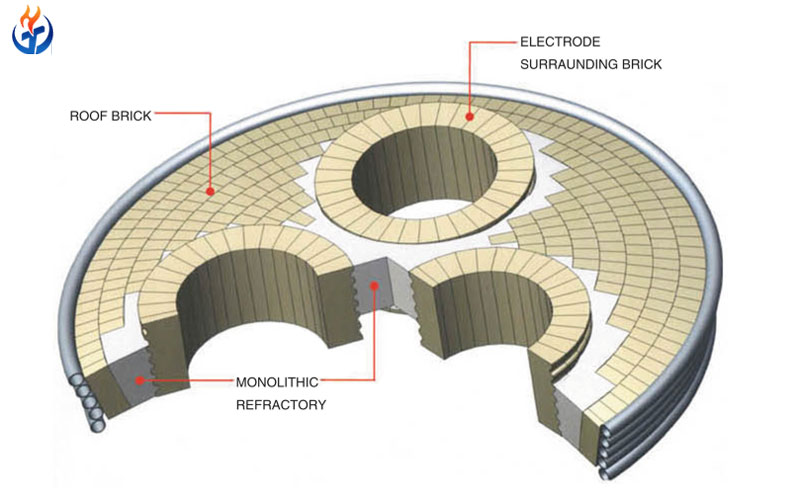
To meet these requirements, many hydrogen sulfide incinerators employ a three-layer lining structure composed of different refractory materials:
Fire-facing surface: This is the layer that comes in direct contact with the flames and the hottest gases. It must be able to withstand extreme temperatures and thermal shock.
Middle layer: This layer serves as an intermediate barrier and provides additional protection from thermal stress and chemical corrosion.
Outer protective layer: The outer layer acts as an insulation barrier to protect the incinerator shell from high temperatures.
Among the various types of refractory materials used for these layers, corundum mullite bricks stand out due to their excellent thermal and chemical resistance properties.
What Are Corundum Mullite Bricks?
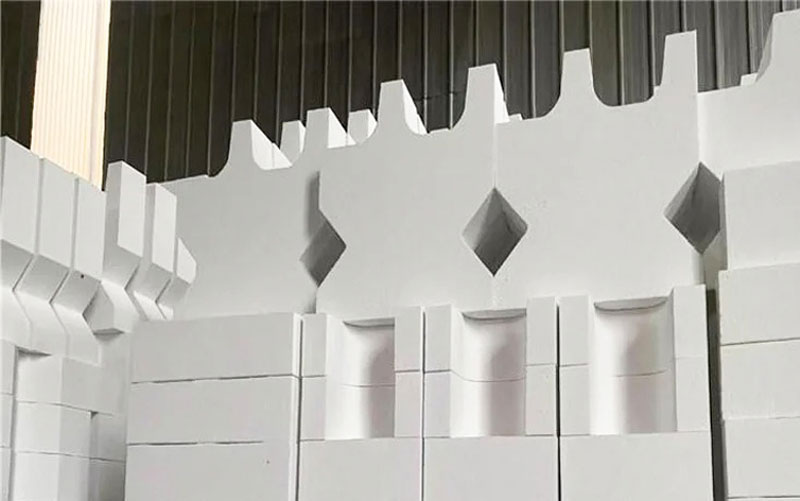
Corundum mullite bricks are high-alumina refractory products composed primarily of mullite (3Al₂O₃·2SiO₂) and corundum (Al₂O₃). These bricks are particularly suited for environments with extreme heat and chemical stress. The combination of these two phases—mullite and corundum—gives the material a unique balance of high-temperature strength, thermal shock resistance, and corrosion resistance, making it ideal for use in hydrogen sulfide incinerator linings.
Mullite is a stable binary mineral in the Al₂O₃-SiO₂ system, and it is known for its excellent high-temperature stability. Corundum, on the other hand, is a very hard and durable material that can withstand the erosive effects of high temperatures and abrasive gases.
Manufacturing Process of Corundum Mullite Bricks
The production of corundum mullite bricks involves the careful selection and mixing of high-quality raw materials. Mullite granules and α-Al₂O₃ (alpha-alumina) powder are typically used as aggregates and fine powders. In some cases, fused or sintered corundum granules may also be used. These raw materials are mixed in specific proportions and particle sizes to ensure the desired properties of the final product.
The mixture is then shaped into bricks using a brick press (either friction or hydraulic). Once the bricks are formed, they undergo a drying process followed by firing at temperatures ranging from 1650°C to 1750°C. This high-temperature firing process ensures that the bricks attain the necessary physical and chemical properties, including high thermal shock resistance and corrosion resistance.
Key Benefits of Corundum Mullite Bricks for Hydrogen Sulfide Incinerators
1. High-Temperature Resistance
Corundum mullite bricks exhibit excellent resistance to high temperatures, withstanding furnace temperatures of up to 1400°C. This makes them ideal for the fire-facing surface of hydrogen sulfide incinerators, where the bricks are exposed to direct flames and high thermal stresses. Their ability to maintain structural integrity under extreme heat ensures that the incinerator can operate efficiently without risking damage to the lining.
2. Thermal Shock Resistance
One of the most important requirements for the lining of a hydrogen sulfide incinerator is thermal shock resistance. Fluctuations in the combustion process can cause rapid temperature changes within the furnace, leading to significant stress on the lining material. Corundum mullite bricks excel in this regard, as they are capable of withstanding the rapid temperature changes without cracking or spalling. This is due to the material’s low thermal expansion coefficient and its ability to distribute thermal stresses effectively.
3. Corrosion Resistance
The acidic environment inside a hydrogen sulfide incinerator poses a significant challenge for refractory materials. Hydrogen sulfide gas can lead to the formation of sulfuric acid (H₂SO₄) when it reacts with oxygen at high temperatures. This highly corrosive acid can quickly degrade many common refractory materials. However, corundum mullite bricks have excellent corrosion resistance, making them well-suited for use in the fire-facing surfaces of hydrogen sulfide incinerators, where they are directly exposed to these harmful gases.
4. Volume Stability and Creep Resistance
In addition to high-temperature and corrosion resistance, corundum mullite bricks also exhibit excellent volume stability and creep resistance. This ensures that the bricks maintain their shape and performance over time, even under the prolonged stress of high temperatures and fluctuating combustion conditions. These properties are especially important for the middle and outer layers of the lining, where the bricks are subjected to thermal and mechanical stresses over an extended period.
5. Thermal Insulation
For the outer protective layer of the incinerator, high-alumina insulating bricks are often used in conjunction with corundum mullite bricks. These insulating bricks are designed to have low thermal conductivity and high porosity, which helps to reduce heat loss and maintain the temperature inside the furnace. The combination of corundum mullite bricks for the fire-facing surface and insulating bricks for the outer layer ensures that the incinerator operates efficiently while protecting the steel shell from excessive heat.
Conclusion
The selection of refractory materials for the lining of hydrogen sulfide incinerators is a critical factor in ensuring the longevity, efficiency, and safety of these specialized units. Given the harsh working conditions, including high temperatures, thermal shock, and acid corrosion, it is essential to choose materials that can withstand these stresses without compromising performance.
Corundum mullite bricks offer an ideal solution for the fire-facing surfaces of hydrogen sulfide incinerators, thanks to their excellent high-temperature resistance, thermal shock resistance, and corrosion resistance. When combined with other materials such as high-alumina bricks for the middle layer and insulating bricks for the outer layer, they form a robust and efficient lining system that can withstand the harsh conditions of hydrogen sulfide incineration.
By selecting the right materials and ensuring proper masonry techniques, incinerator operators can effectively enhance the performance and extend the service life of their equipment, ensuring reliable and safe operation for years to come.