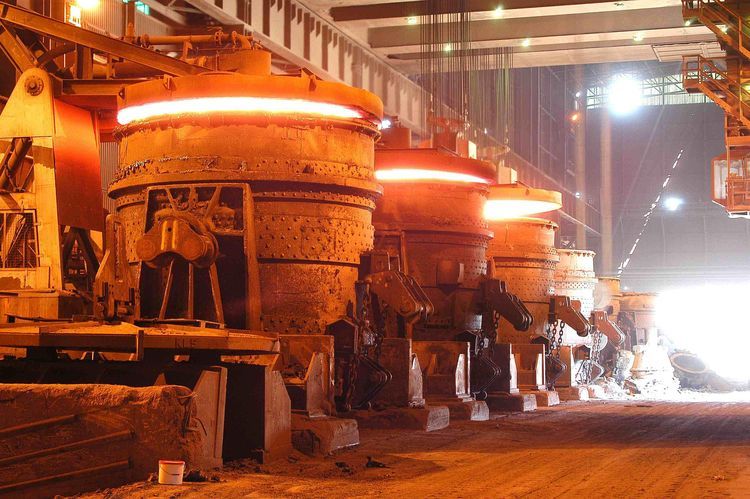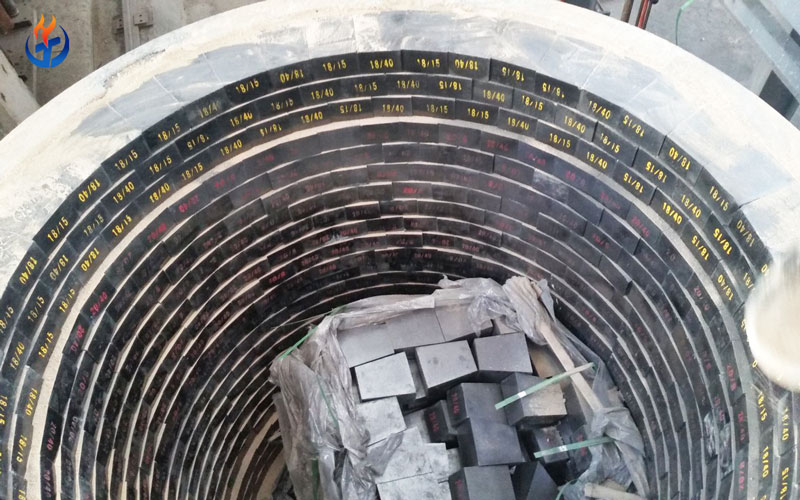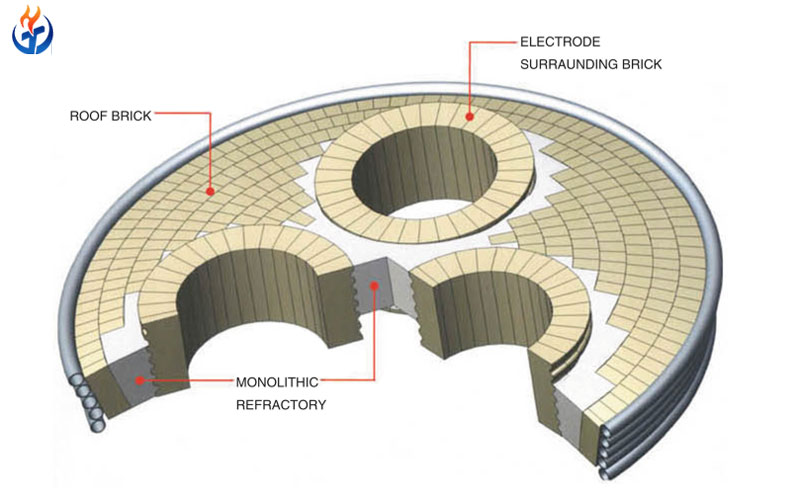
The rapid growth of the glass industry has driven significant advancements in refractory technology. Modern glass furnaces operate under extreme conditions, including high temperatures, rapid thermal fluctuations, chemical corrosion, and mechanical stress. This makes the selection of appropriate refractory materials for glass furnace construction a critical factor in ensuring the longevity and efficiency of the furnace. As a professional manufacturer of refractory products, Xintai Refractory has focused on developing high-quality refractory materials tailored for the glass industry. In this article, we provide a comprehensive overview of the commonly used refractory materials for glass furnace applications and their key characteristics.
1. Silica Brick
Silica bricks are among the most crucial refractory materials for glass furnaces, especially in float glass production. High-quality silica bricks typically contain 96–98% SiO₂. These acidic refractory materials are known for their excellent high-temperature strength, including high softening points under load (1640–1700°C) and low creep rates. They also exhibit minimal chemical erosion, particularly from alkalis, making them ideal for areas in contact with molten glass.
Applications in glass furnaces:
Silica bricks are widely used in the roofs of melting zones, the working parts of the furnace, the breast and side walls, and the upper sections of regenerators. They provide a stable volume under high temperatures, ensuring that the furnace structure remains intact during prolonged operations.
Key advantages:
Minimal impact on molten glass quality
Excellent chemical resistance due to formation of protective metamorphic layers
Low density, which reduces the overall weight of the furnace
Limitations:
Low thermal shock resistance, requiring careful consideration in areas of rapid temperature change
2. Clay Brick
Clay bricks are produced from refractory clays and are commonly used in parts of float glass furnaces. These bricks typically contain 30–48% Al₂O₃ and 50–70% SiO₂. As an acidic refractory material, clay bricks are resistant to acid corrosion but vulnerable to alkaline attack. Their refractoriness reaches up to 1700°C, but the softening temperature under load is around 1300°C, limiting their use in weight-bearing applications at high temperatures.
Applications in glass furnaces:
Clay bricks are mainly used in areas with lower working temperatures (around 1300°C), such as checker bricks in regenerators, flue bricks, and the bottom parts of the pool.
Advantages:
Excellent thermal shock resistance
Low linear expansion coefficient prevents cracking
Limitations:
Limited load-bearing capacity at high temperatures
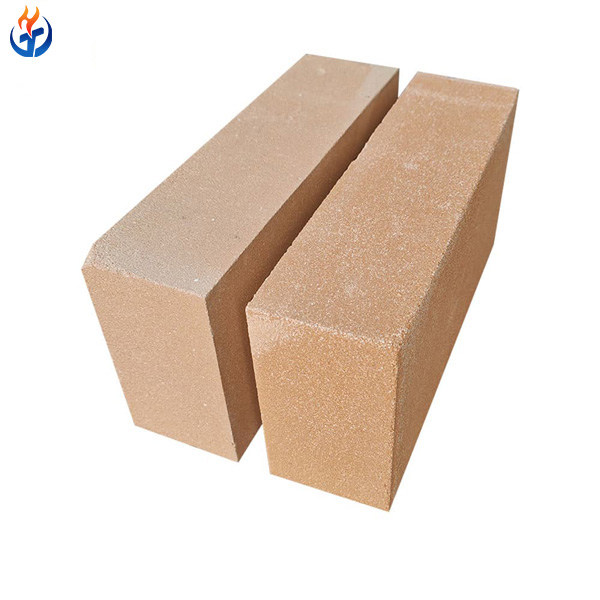
3. High Alumina Brick and Sillimanite Brick
High alumina bricks contain more than 48% Al₂O₃ and are suitable for furnace areas requiring high refractoriness and softening temperatures. When sillimanite is added to the composition, the resulting sillimanite bricks offer improved thermal shock resistance and reduced high-temperature creep.
Applications in glass furnaces:
High alumina bricks: Middle walls of regenerators
Sillimanite bricks: Grates of regenerators and other high-temperature zones
Advantages:
High refractoriness and softening temperature
Improved thermal shock resistance in sillimanite bricks
Limitations:
Higher creep rate compared to clay bricks
4. Fused Zirconia Corundum Brick
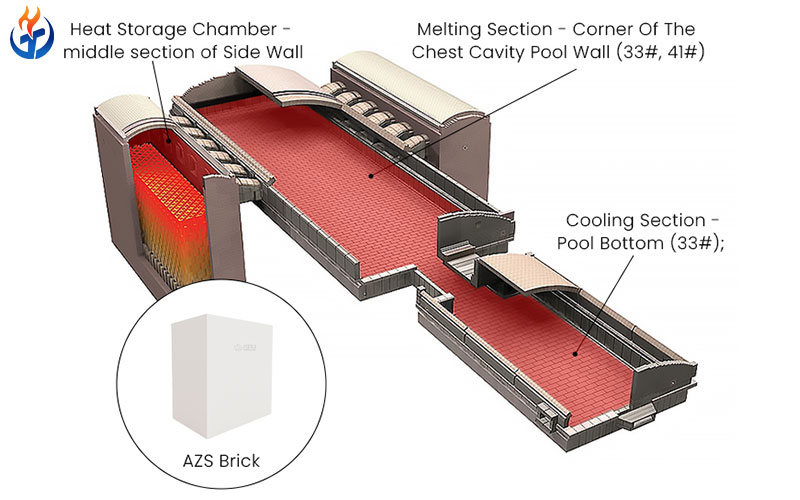
Fused zirconia corundum bricks (AZS bricks) are critical for float glass melting furnaces. These alkaline refractory materials are composed of Al₂O₃-ZrO₂-SiO₂. Common grades include AZS-33, AZS-36, and AZS-41, with ZrO₂ content ranging from 33% to 41% and densities of 3.40–3.80 g/cm³.
Applications in glass furnaces:
Melting zones and pool walls
Breast walls and paving bricks at the pool bottom
Small furnaces and key regenerator components
Advantages:
Excellent corrosion resistance against glass melt
High resistance to acids, alkalis, and glass liquids
Exceptional thermal shock resistance
Limitations:
Cost may be higher than other refractory bricks
5. Fused Corundum Brick
Fused corundum bricks are primarily composed of α-Al₂O₃ or a combination of α- and β-Al₂O₃ phases. The α-β-Al₂O₃ bricks, with Al₂O₃ content ≥94%, are particularly suitable for pool walls in float glass furnaces.
Applications in glass furnaces:
Pool walls and side walls of runners in large melting furnaces
Advantages:
High wear resistance below 1350°C
Excellent corrosion resistance
Does not contaminate molten glass
Limitations:
Thermal shock resistance is moderate, requiring careful placement
6. Zircon Brick
Zircon bricks are neutral refractory materials made primarily from zircon (ZrO₂-SiO₂) with 64–67% ZrO₂. They have excellent mechanical strength, high-temperature resistance, thermal shock resistance, and good corrosion resistance to molten glass.
Applications in glass furnaces:
Large ballast areas in melting zones
Partition bricks between breast walls and pools
Fire holes and inspection ports
Advantages:
High resistance to chemical erosion
Superior mechanical strength at elevated temperatures
7. High-Purity Magnesia Brick
High-purity magnesia bricks are made from sintered fused magnesia with MgO content ≥95%. These alkaline refractory materials offer excellent thermal shock resistance and chemical durability.
Applications in glass furnaces:
Upper checker bricks in regenerators
Upper regenerator walls
Advantages:
High resistance to alkalis and glass slag
Strong mechanical strength at elevated temperatures
Limitations:
Poor hydration resistance; requires dry storage
Vulnerable to sulfate and SO₂ corrosion at 800–1000°C
8. Directly Bonded Magnesia-Chrome Brick
Directly bonded magnesia-chrome bricks are manufactured using high-purity magnesia and chromite. They contain 82.61% MgO and 9.5% Cr₂O₃ and feature a cubic crystalline structure with strong bonding between magnesia and chromite particles.
Applications in glass furnaces:
Middle and lower checker bricks of regenerators, typically in the 800–1000°C zone
Advantages:
High resistance to thermal shock
Better resistance to sulfate and SO₂ corrosion than high-purity magnesia bricks
Limitations:
Slightly lower alkali resistance than high-purity magnesia bricks
9. Lightweight Refractory Materials
Lightweight refractories are primarily used for insulation, reducing heat loss, and lowering furnace weight. These materials include lightweight heat-insulating bricks and aluminosilicate fibers, with use temperatures ranging from 1000–1550°C depending on composition.
Applications in glass furnaces:
Insulation of furnace domes, regenerator roofs, and external walls
Heat preservation at lower regenerator sections and pool bottoms
Advantages:
Energy saving by reducing heat dissipation
Lower construction costs due to reduced weight
10. Unshaped Refractory Materials
Unshaped refractories, also known as bulk refractories, are applied directly without forming or firing. They are made from graded aggregates mixed with binders and include refractory muds, ramming materials, moldable refractories, and pouring refractories.
Applications in glass furnaces:
Wall masonry, sealing layers, and insulating layers
Repair work and areas requiring customized refractory shapes
Advantages:
Flexible application
Can be tailored to specific furnace requirements
Conclusion
The selection of refractory materials for glass furnace construction is crucial to ensure operational efficiency, longevity, and safety. From high-strength silica and clay bricks to advanced fused zirconia corundum and magnesia-chrome bricks, each material has unique properties that make it suitable for specific areas of a glass furnace. Proper understanding and application of these commonly used refractory materials for glass furnace help manufacturers optimize performance, reduce maintenance costs, and maintain the quality of the glass produced.
As the glass industry continues to advance, so does the demand for innovative refractory materials that can withstand higher temperatures, chemical attacks, and thermal shocks. Companies like Henan Xintai Refractory Co., Ltd are at the forefront of providing reliable and high-quality solutions to meet these evolving challenges.
Looking for refractory solutions for glass melting furnaces? Contact our technical team today for custom recommendations, product samples, and installation support. Welcome to contact Xintai Refractory.