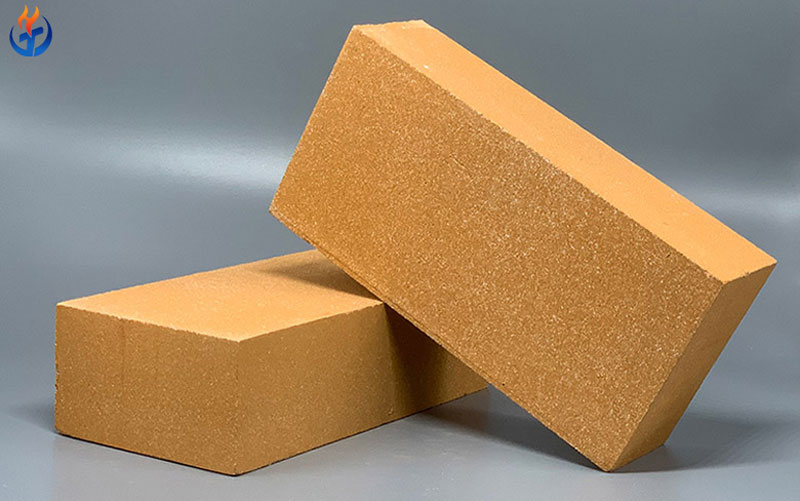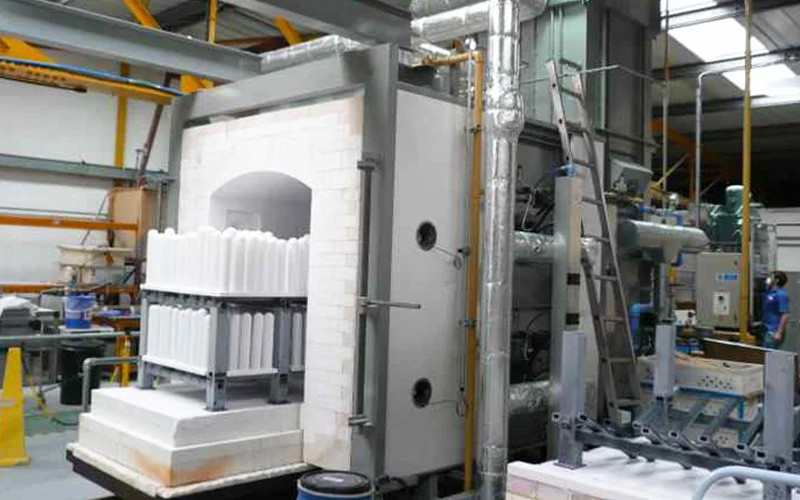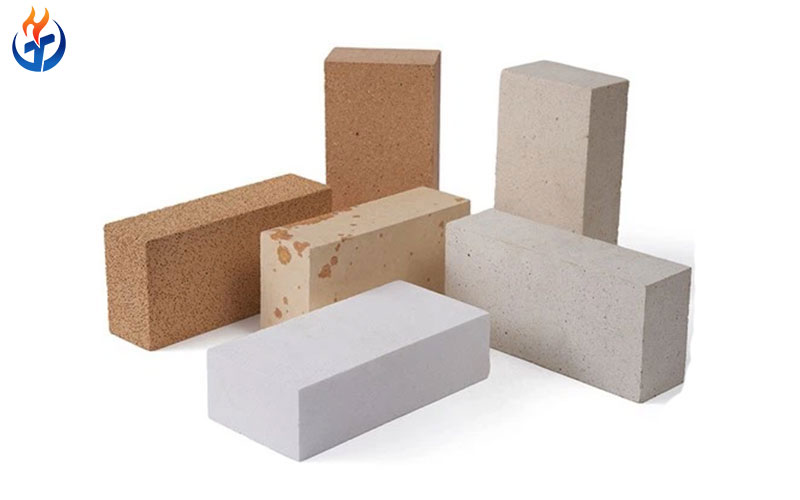
Monolithic refractory materials are a broad category of materials used to withstand high temperatures and are commonly employed in the construction of furnaces, kilns, and reactors. These materials do not require bricks or blocks and are applied in a plastic or liquid form, hardening in place to form durable and heat-resistant linings. The classification of monolithic refractories is generally based on their composition, application, and the construction process involved. Below are the primary types of monolithic refractories:
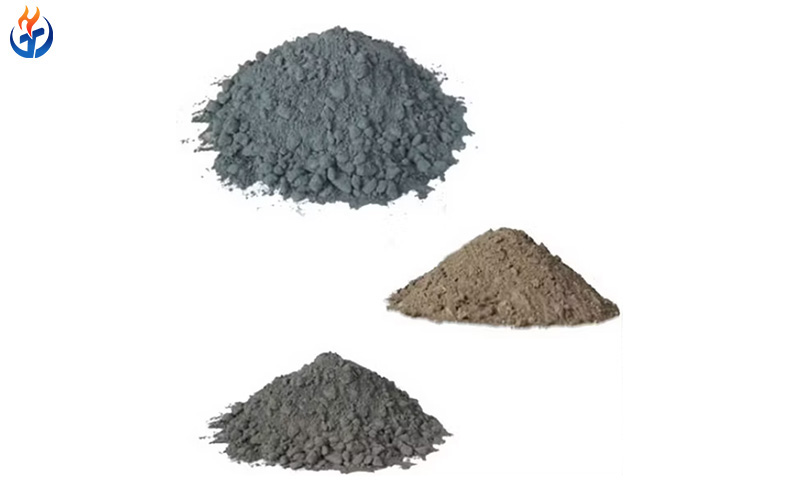
1. Refractory Castables
Castables are a type of monolithic refractory material with high fluidity, made by combining powdered refractory materials, binders, and water. They are typically poured or tapped into place during construction, offering easy application for large or complex shapes. The binder is most commonly hydraulic calcium aluminate cement. There are also lightweight castables made with insulating materials that provide heat resistance while also reducing weight.
Key Features:
High fluidity for easy pouring
Constructed by pouring or tapping
Suitable for high-temperature applications
Lightweight options available
2. Refractory Plastics
Refractory plastics are made from powdered and granular refractory materials combined with binders and plasticizers. These materials are in a paste-like form with high plasticity, allowing for easy shaping and molding. They are designed to be applied in a softened or pliable state, after which they gain strength as they heat up during the curing process.
Key Features:
High plasticity for easy handling and compaction
Can be shaped and compacted during construction
Strength is developed through heating
Suitable for applications that require moldable refractory linings
3. Ramming Materials
Ramming materials consist of a mixture of powdered and granular refractory materials along with a bonding agent. These are applied using a strong ramming method, where the material is compacted tightly into place. Ramming refractories are known for their high resistance to thermal shock and their ability to be used in highly abrasive environments.
Key Features:
Compacted into place by ramming
Excellent resistance to thermal shock
Suitable for areas exposed to high mechanical wear
4. Gunning Mixes
Gunning mixes are designed to be applied through spraying. There are two primary types: wet and dry gunning mixes. These refractories are often used for coating and repairing furnace linings, particularly when quick repairs or coatings are needed. The material is sprayed onto surfaces, providing a seamless and durable lining once it hardens.
Key Features:
Applied using spraying or gunning techniques
Available in wet or dry mixes
Primarily used for repairs or surface coatings
Ideal for quick, efficient application
5. Refractory Mortars
Refractory mortars are pastes or slurries made from finely powdered refractory materials mixed with liquid binders. These materials are often used to bind refractory bricks or castable materials together, providing a strong bond that maintains the integrity of the overall structure. Refractory mortars are available in different grades, including ordinary, air-hardening, hydraulic, and thermosetting types.
Key Features:
Used for bonding refractory bricks or castables
Available in various types based on curing and hardening methods
Provides high thermal resistance and strength
6. Refractory Coatings
Refractory coatings are applied as a layer on existing linings or equipment to enhance their thermal resistance and durability. These coatings can be in the form of pastes or sprays and provide additional protection against high temperatures, erosion, and corrosion. They are often used in situations where additional surface protection is required without replacing the entire lining.
Key Features:
Applied as a protective layer
Enhances thermal resistance and durability
Used for maintaining or improving existing linings
Conclusion
Monolithic refractories are indispensable materials in various high-temperature applications due to their flexibility and durability. The classification of these materials—such as castables, plastics, ramming materials, gunning mixes, and mortars—allows for specialized application based on the specific requirements of the furnace or kiln. Understanding the characteristics of each type helps in selecting the appropriate material for optimal performance in different industrial environments.