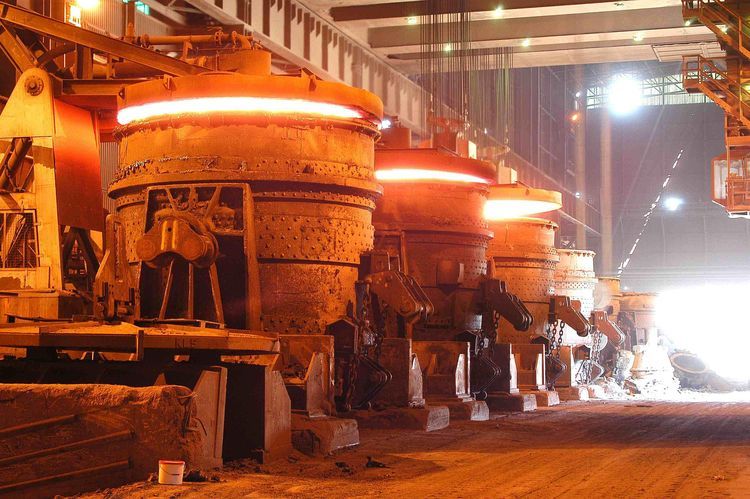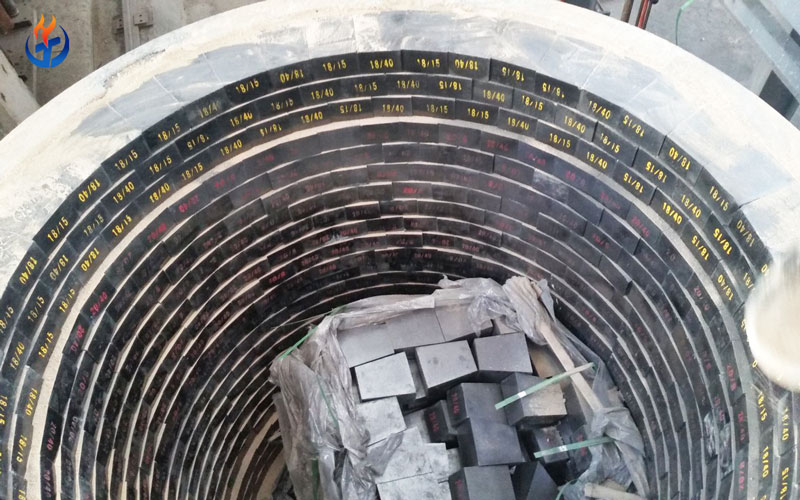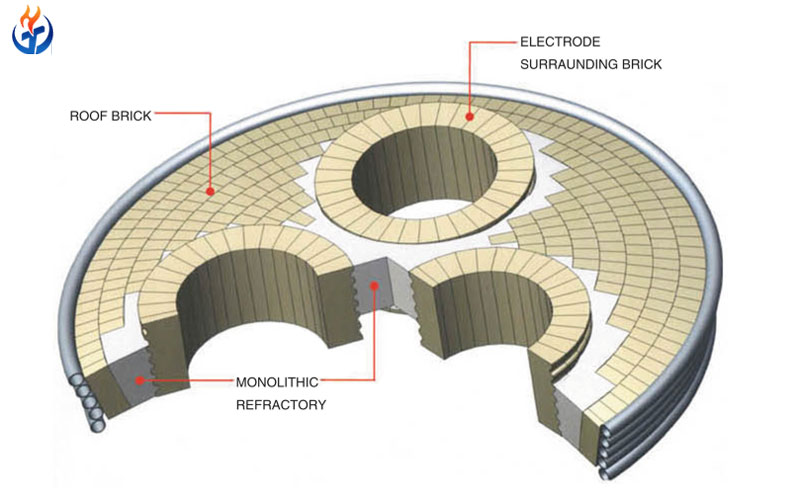
Maintaining the external shell temperature of a kiln at around 50°C is a key indicator of a well-designed refractory and insulation system. For industries such as cement, lime, metallurgy, ceramics, non-ferrous metals, and chemical processing, proper insulation is not only an energy-saving measure—it is essential for equipment safety, refractory longevity, and overall plant efficiency. A stable 50°C kiln skin means that heat loss is minimized, operators can access equipment safely, and structural components of the kiln are protected from overheating.
But achieving this seemingly simple goal requires a strategic selection of insulation materials. Kiln internal temperatures can exceed 1400–1700°C depending on the process, and choosing the wrong refractory lining can lead to excessive shell temperature, energy waste, frequent maintenance shutdowns, and even shell deformation.
This article explains how to choose the right insulation layer for kilns targeting a 50°C external skin temperature. We will compare different refractory options, analyze insulation performance, and provide practical recommendations for selecting the optimal insulation system.
Why 50°C Kiln Skin Temperature Matters
A kiln shell temperature of around 50°C is generally regarded as excellent for most industrial processes. It indicates:
1. High Thermal Efficiency
Low external temperature means heat is retained inside the kiln, reducing fuel consumption and improving combustion efficiency.
2. Worker and Equipment Safety
A surface at 50°C reduces the risk of burns for workers performing routine inspections. Equipment such as bearings, drives, and electrical components near the kiln also operate in a safe thermal environment.
3. Longer Refractory Life
Excessive heat loss stresses refractory materials, causing cracking, spalling, and structural failure. With proper insulation, the working lining maintains its designed temperature gradient.
4. Protection of the Steel Shell
Steel strength decreases rapidly above 300°C. Maintaining the shell at low temperature prevents deformation, loss of roundness, and shell fatigue.
To achieve all of this, the insulation layer must be engineered to create the right thermal gradient from the hot face refractory to the external steel shell.
How to Select the Right Insulation Layer
Choosing insulation for a kiln is not simply about selecting a material with low thermal conductivity. It must also withstand:
High temperatures from the hot face
Chemical attack from dust, alkali, or slag
Mechanical loads from the refractory lining
Thermal cycling and rapid temperature changes
Installation conditions (castable, brick, fiber, board, etc.)
Below are the key considerations.
1. Determine the Kiln’s Internal Temperature and Heat Load
A kiln running at 1200°C requires a different insulation structure than one operating at 1600°C. The hotter the internal temperature, the thicker and more heat-resistant the insulation layer must be.
Typical industrial kilns include:
Cement rotary kiln: 1400–1500°C burning zone
Lime shaft kiln: 1000–1200°C
Ceramic kiln: up to 1400°C
Metallurgical kiln (DRI, pellet, etc.): 1200–1300°C
Chemical process kiln: varies, often 900–1400°C
Knowing the exact hot face temperature helps determine the thermal gradient required to bring the outer shell down to ~50°C.
2. Select Hot-Face Refractory First, Then Insulation
The insulation layer is not the working layer. The working (hot-face) refractory must withstand the chemical and mechanical conditions of the process. Only after choosing the working refractory can you choose the insulation behind it.
Typical hot-face refractories include:
High alumina bricks
Magnesia bricks and magnesia-chrome bricks
Silicon carbide refractory
Alumina-silicate castables
Corundum castables
Special basic refractories for cement/lime kilns
The insulation layer will work behind these materials, and its temperature is far lower.
3. Choose Insulation Materials with Proper Temperature Ratings
The insulation refractory must have a maximum service temperature that exceeds the actual temperature it will experience—usually 200–300°C higher for safety.
For example:
If the insulation back surface is estimated at 600°C, choose insulation rated for 800–1000°C minimum.
If exposure could reach 1000°C, consider materials rated 1100–1300°C.
Never use insulation at its upper limit; prolonged heat exposure will reduce strength and increase shrinkage.
4. Select Materials with Low Thermal Conductivity
The key performance indicator for insulation is thermal conductivity. Lower values mean better insulation effect and easier achievement of 50°C shell temperature.
Typical thermal conductivity at 800°C:
| Material | Thermal Conductivity (W/m·K) |
|---|---|
| Ceramic fiber blanket | 0.15–0.25 |
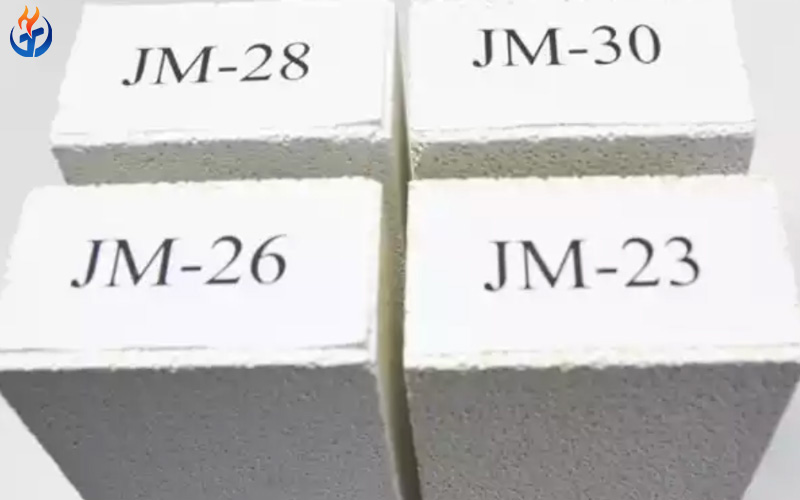
| Mullite insulating brick (JM23–JM30) | 0.22–0.35 |
| Lightweight castable | 0.25–0.45 |
| Calcium silicate board | 0.08–0.12 (low temp) |
The lower the value, the easier it is to reduce heat conduction through the lining.
5. Evaluate Insulation Material Types
Below are the most widely used insulation choices for keeping kiln skin at 50°C.
(1) Mullite Insulation Bricks (JM23–JM30)
These are among the most popular insulating bricks for industrial kilns.
Features:
Service temperature: 1260–1650°C (depending on grade)
Low bulk density (0.6–1.1 g/cm³)
Good structural strength
Ultra-low thermal conductivity
Good thermal shock resistance
Why they help achieve 50°C kiln skin:
Their combination of strength and insulation performance allows them to form a stable layer behind the working lining, reducing heat transfer effectively.
Best use:
Rotary kilns, tunnel kilns, ceramic kilns, and thermal equipment where the insulation layer must also support load.
(2) Ceramic Fiber Products (Blanket, Board, Module)
Ceramic fiber is the lightest and most efficient high-temperature insulation.
Advantages:
Extremely low thermal conductivity
Very lightweight
Easy installation
Good resistance to thermal shock
Limitations:
Low mechanical strength
May shrink at high temperature
Not suitable for load-bearing areas
Best use:
Low-load areas, back-up insulation, and zones where extremely low shell temperature is required.
(3) Lightweight Insulating Castables
Insulating castables provide excellent toughness and coverage.
Advantages:
Can be applied to complex shapes
Good thermal insulation
Easy repair and maintenance
Higher strength compared to fiber
Types include:
Perlite insulating castables
Lightweight alumina-silicate castables
Foamed insulating castables
Best use:
Kilns with irregular shapes, burner zones, expansion joints, and backup insulation behind brick or dense castable.
(4) Calcium Silicate Boards
These are mainly for low-temperature insulation (below 1000°C).
Advantages:
Very low thermal conductivity
Good compressive strength
Moisture-resistant
Good for outer layers
Best use:
Final insulation layer between castable/brick and steel shell.
6. Determine Insulation Thickness Based on Thermal Calculation
To achieve a 50°C shell temperature, thickness is critical. Even the best insulation material cannot perform well if too thin.
General guidelines:
Rotary kiln: 50–120 mm insulation (depending on zone)
Tunnel kiln: 100–250 mm
Shaft kiln: 80–150 mm
Ceramic kiln: 120–300 mm
To reach 50°C shell, you must balance these factors.
7. Use Layered Insulation Structures for Best Results
Most kilns require multi-layer insulation:
Example structure:
Hot-face working lining: High-alumina brick / magnesia brick / dense castable
Primary insulation: Mullite insulating brick or lightweight castable
Secondary insulation: Ceramic fiber blanket or board
Outer protection layer: Calcium silicate + shell
This layered approach achieves:
High mechanical strength
Strong thermal shock resistance
Very low thermal conductivity
Long lifetime
Stable 50°C shell temperature
8. Consider Environmental and Operational Factors
Different kilns have different challenges. Consider:
Alkali attack:
Cement kilns need alkali-resistant insulation materials such as mullite or certain castables.
Moisture exposure:
Calcium silicate boards need proper drying before firing.
Mechanical load:
Rotary kilns require higher compressive strength materials.
Vibration:
Fiber modules must be mechanically anchored.
9. Regular Maintenance Ensures Stable 50°C Shell
Even with the best insulation, proper care is essential:
Monitor shell temperature using infrared scanners.
Inspect hotspots regularly.
Replace cracked or spalled insulation.
Patch castables promptly.
Keep fiber modules secured.
Preventive maintenance ensures the insulation continues to perform efficiently.
Conclusion: The Best Insulation Layer for a 50°C Kiln Skin
Achieving a stable 50°C kiln skin temperature is completely possible with the right insulation materials. The key is to design a layered system using high-performance insulators such as mullite insulating brick (JM23–JM30), ceramic fiber products, and lightweight insulating castables, combined with a suitable hot-face refractory.
The ideal insulation system should:
Have low thermal conductivity
Withstand the temperature gradient
Resist chemical attack
Maintain structural strength
Be properly installed and maintained
With a scientific selection of insulation materials and optimized lining design, you can significantly reduce heat loss, improve kiln efficiency, and ensure the long-term safe operation of your industrial kiln.