Ceramic fiber blanket is a lightweight refractory insulation material widely used in industrial furnaces, metallurgical equipment, chemical processing systems, power generation facilities, and high-temperature pipelines. Its low thermal conductivity, excellent thermal shock resistance, lightweight structure, and convenient installation make it an effective solution for reducing heat loss and improving energy efficiency in industrial thermal systems. However, selecting the right ceramic fiber blanket requires a clear understanding of its temperature rating, operating environment, and installation position.
Different ceramic fiber blanket grades are designed for different thermal conditions. Choosing an appropriate product based on continuous operating temperature rather than short-term peak temperature is essential for maintaining insulation performance and extending service life. This article explains the main temperature ranges of ceramic fiber blankets, their typical industrial applications, and the key factors to consider during product selection and installation.
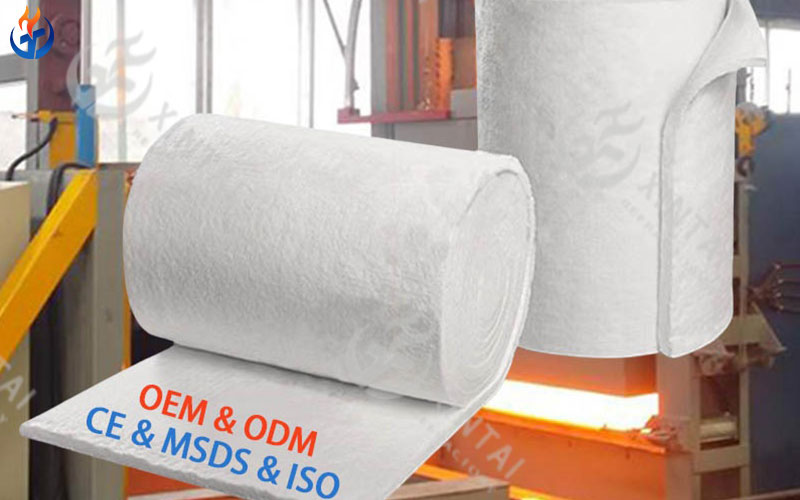
1. Understanding Ceramic Fiber Blanket Temperature Ratings
Ceramic fiber blankets are generally manufactured from aluminosilicate fibers or other high-temperature fiber compositions. Their temperature resistance depends on the raw materials, chemical composition, manufacturing process, fiber structure, and thermal stability requirements.
Common commercial grades include standard, high-purity, high-alumina, and zirconia-containing ceramic fiber blankets. Their nominal classification temperatures typically range from approximately 1100°C to 1400°C or higher for certain specialized products.
It is important to distinguish between classification temperature and continuous service temperature. A classification temperature indicates the temperature level used to classify a material under specified testing conditions. It does not necessarily mean the blanket can operate continuously at that temperature without shrinkage or degradation. Actual allowable operating temperatures depend on the manufacturer’s technical data and the specific working environment.
1.1 Standard Ceramic Fiber Blanket: Approximately 1100°C
Standard ceramic fiber blanket is commonly used in low- to medium-temperature industrial insulation applications. It offers a practical balance between thermal insulation, flexibility, and material cost.
Typical applications include industrial equipment insulation, furnace backup layers, hot-air ducts, and thermal insulation around selected process pipelines. It can also be used in areas where the insulation layer is protected by a suitable refractory lining or metal casing.
For applications with relatively moderate thermal demands, standard ceramic fiber blanket can help reduce surface heat loss and improve temperature consistency. However, the actual service temperature should remain within the manufacturer’s recommended operating limits.
1.2 High-Temperature Ceramic Fiber Blanket: Approximately 1260°C
Ceramic fiber blankets with a nominal classification temperature of approximately 1260°C are widely used in industrial furnace systems. They are suitable for many heating furnaces, heat treatment furnaces, reheating equipment, and other thermal processing installations.
These products are often selected for furnace backup insulation because of their low thermal mass and good insulating performance. Compared with conventional dense refractory materials, ceramic fiber blankets can reduce the amount of energy required to heat the furnace lining and may shorten heating and cooling cycles.
This grade is particularly useful when manufacturers need an insulation material that balances performance, installation convenience, and cost. Nevertheless, prolonged exposure near the classification temperature may cause shrinkage or changes in insulation properties, depending on the product composition and operating conditions.
1.3 High-Purity Ceramic Fiber Blanket: Approximately 1360°C
High-purity ceramic fiber blankets are designed for more demanding thermal environments. Their controlled chemical composition can provide improved high-temperature stability compared with certain standard grades.
Typical applications include high-temperature furnace insulation, thermal treatment equipment, and systems experiencing frequent heating and cooling cycles. Their lightweight structure and low thermal conductivity help minimize heat loss while reducing the thermal load associated with conventional heavy refractory linings.
When selecting this grade, engineers should evaluate not only the maximum temperature but also the duration of exposure, furnace atmosphere, heating rate, and the presence of chemical contaminants. These factors can influence fiber durability and long-term insulation performance.
1.4 High-Alumina and Zirconia-Containing Ceramic Fiber Blanket: Approximately 1400°C
High-alumina and zirconia-containing ceramic fiber blankets are intended for specialized high-temperature insulation applications. Depending on their formulation, certain products offer classification temperatures around 1400°C or higher.
They may be used in high-temperature furnace zones, specialized heat treatment equipment, and backup insulation systems installed behind suitable refractory working linings. Their enhanced thermal stability makes them useful where ordinary ceramic fiber blankets may experience excessive shrinkage or premature deterioration.
However, high-temperature classification alone does not guarantee suitability for every industrial environment. The manufacturer’s specified continuous-use temperature, thermal shrinkage data, chemical resistance, and installation recommendations should be reviewed before final selection.
2. Typical Applications of Ceramic Fiber Blanket
Ceramic fiber blanket is valued for its adaptability to different industrial insulation requirements. Its main applications are associated with furnace linings, hot equipment, thermal expansion joints, and auxiliary insulation systems.
2.1 Industrial Furnace Backup Insulation
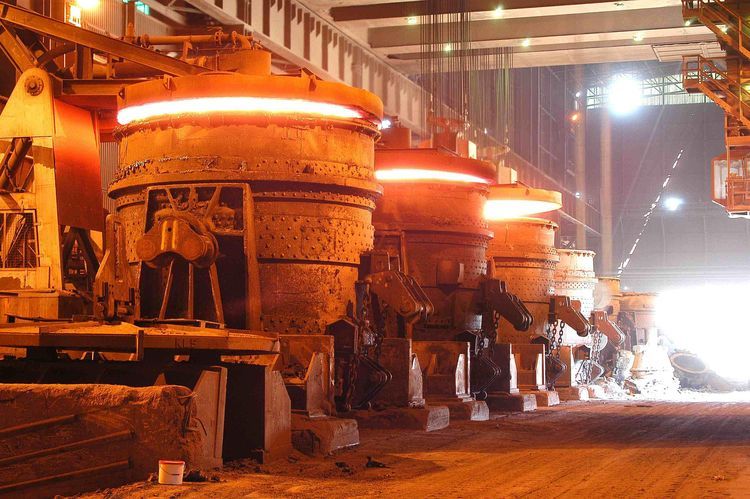
Industrial furnaces used in steelmaking, metal processing, heat treatment, and other manufacturing operations require effective thermal insulation to maintain stable operating temperatures.
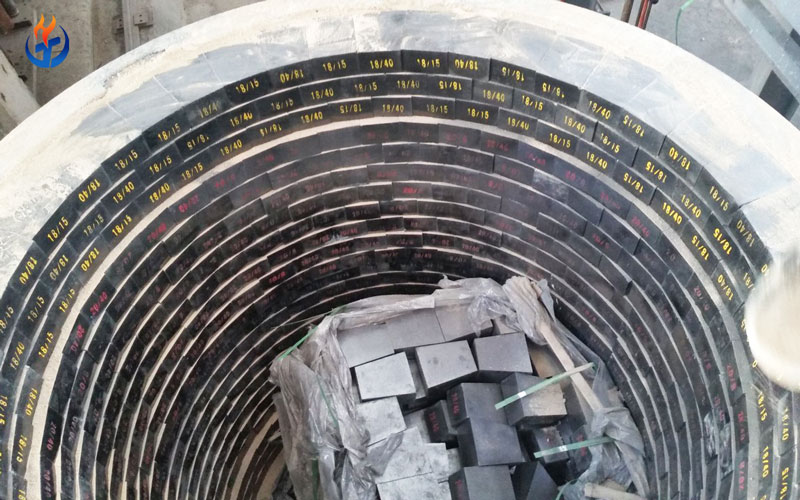
Ceramic fiber blanket is frequently installed behind firebricks, refractory castables, or other suitable hot-face materials. This arrangement combines the mechanical strength and wear resistance of the working lining with the insulating performance of the fiber layer.
By reducing heat transfer toward the furnace shell, the insulation system can help lower external surface temperatures and reduce energy consumption. The appropriate fiber grade and layer thickness depend on furnace temperature, lining design, operating cycles, and thermal performance targets.
2.2 High-Temperature Pipelines and Equipment
Hot-air ducts, exhaust systems, flues, and selected process pipelines can lose significant amounts of heat during operation. Ceramic fiber blanket can be installed around suitable equipment to reduce thermal losses and maintain process temperatures.
Its lightweight structure is particularly beneficial for applications where minimizing the additional load on supporting structures is important. The blanket can also be cut and fitted around many irregular surfaces, although the finished system normally requires suitable protective cladding.
When used in pipeline insulation, engineers should consider operating temperature, moisture exposure, mechanical vibration, and the compatibility of the outer protective layer with the process environment.
2.3 Furnace Doors, Expansion Joints, and Irregular Sections
Furnace doors, access openings, expansion joints, and complex structural sections can be difficult to insulate with rigid refractory products. Ceramic fiber blanket provides flexibility, allowing installers to fit insulation around corners, joints, and uneven surfaces.
Its compressibility can help accommodate thermal movement when the lining system is designed appropriately. It is therefore useful in selected areas where repeated heating and cooling may cause dimensional changes.
Correct installation is essential. Excessive compression can increase thermal conductivity and reduce the intended insulating effect, while insufficient compression may leave gaps that allow heat to escape.
2.4 Auxiliary Insulation Behind Refractory Bricks and Castables
Dense refractory bricks and castables provide essential structural strength and resistance to abrasion, flame exposure, and other demanding furnace conditions. However, these materials may conduct more heat than lightweight fiber insulation.
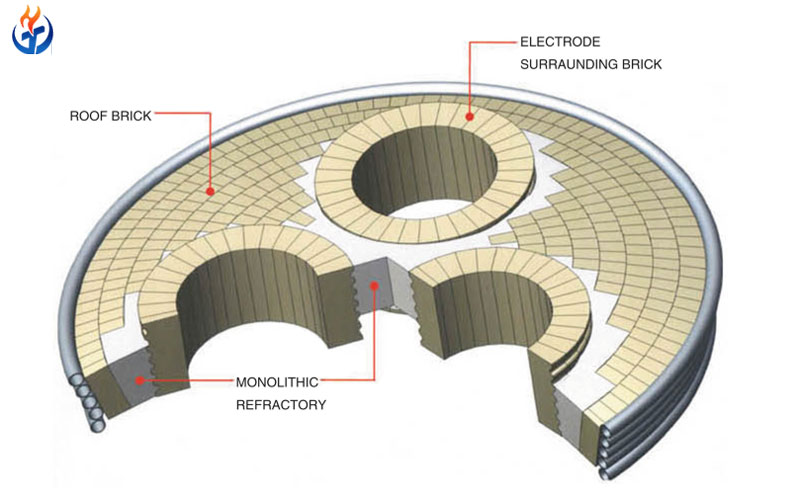
Installing ceramic fiber blanket behind the working lining can improve the overall thermal resistance of the furnace structure. This multilayer design helps reduce heat transfer to the outer shell while maintaining the necessary mechanical protection at the hot face.
The blanket should not automatically replace the working lining in areas exposed to molten slag, severe erosion, or high-velocity gas flow. Such conditions may require specialized refractory materials or protective layers.

3. Key Factors When Selecting Ceramic Fiber Blanket
Choosing a suitable ceramic fiber blanket involves more than comparing nominal temperature ratings. Several operating parameters should be evaluated together.
Continuous operating temperature: Determine the normal working temperature and expected duration of exposure. Do not select a product solely because its classification temperature matches the furnace’s peak temperature.
Thermal cycling: Equipment that undergoes frequent startup and shutdown may require materials with appropriate thermal stability and low shrinkage under repeated temperature changes.
Chemical environment: Furnace atmospheres, alkaline compounds, certain metal oxides, and other contaminants may react with ceramic fibers. Check chemical compatibility with the supplier.
Density and thickness: These parameters affect heat transfer, installation behavior, and overall lining performance. The appropriate specification depends on the required insulation performance and available installation space.
Mechanical protection: Areas exposed to abrasion, vibration, direct flame impingement, or high-speed gas flow may require protective refractory layers or a different insulation arrangement.
Safety requirements: Ceramic fiber products should be handled according to the manufacturer’s safety instructions. Appropriate protective clothing, gloves, eye protection, and dust-control measures may be necessary during cutting and installation.
Conclusion
Ceramic fiber blanket is an important insulation material for industrial furnaces, high-temperature pipelines, thermal processing equipment, and auxiliary refractory systems. Common commercial grades have nominal classification temperatures of approximately 1100°C, 1260°C, 1360°C, and 1400°C, depending on composition and product design.
Selecting the right ceramic fiber blanket requires consideration of continuous operating temperature, thermal cycling, chemical exposure, density, thickness, and mechanical protection. By matching the material grade to the actual operating environment and following proper installation practices, industrial operators can improve thermal efficiency, reduce heat loss, and support the long-term performance of their refractory insulation systems.