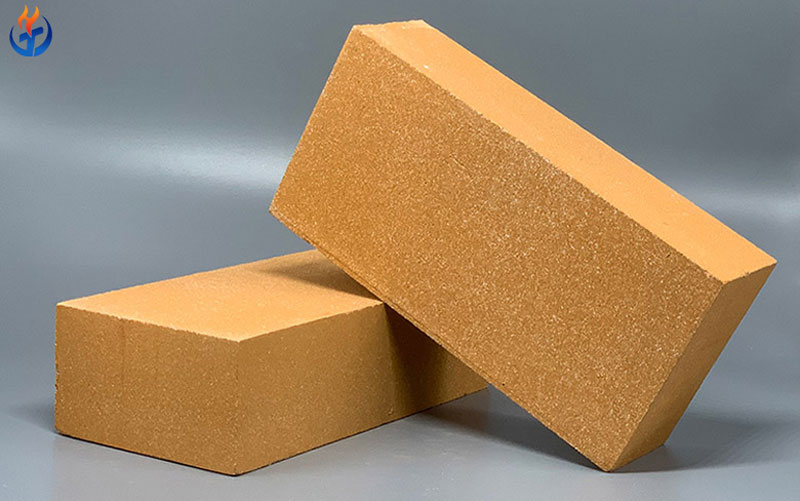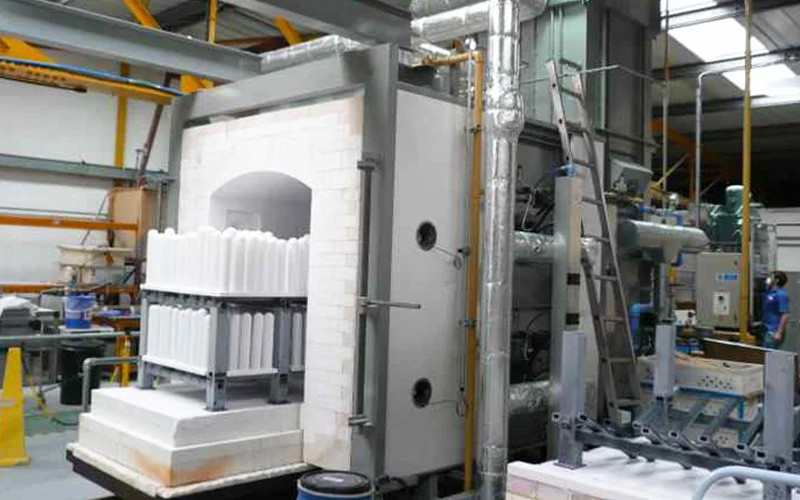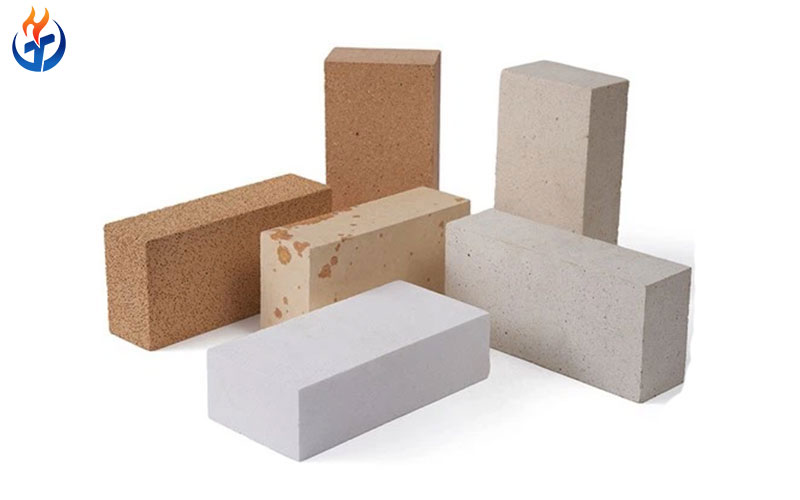
In the steelmaking industry, refractory materials are not simply consumables—they are critical structural and functional components that directly influence furnace efficiency, operational safety, and production cost. Among the wide range of refractory products used in steel plants, high alumina bricks remain one of the most widely applied and trusted solutions.
Thanks to their excellent high-temperature strength, chemical stability, and mechanical durability, high alumina bricks play a key role in multiple steelmaking processes, from ironmaking and steel refining to reheating and casting. This article explores the benefits of high alumina bricks in steelmaking, focusing on their performance characteristics, application advantages, and why they continue to be a cornerstone steel industry refractory material.
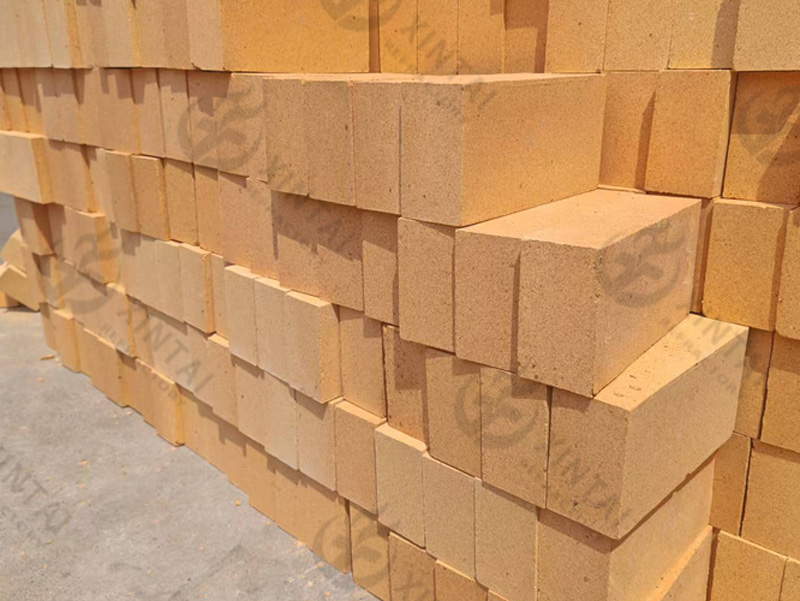
1. Understanding High Alumina Bricks in the Steel Industry
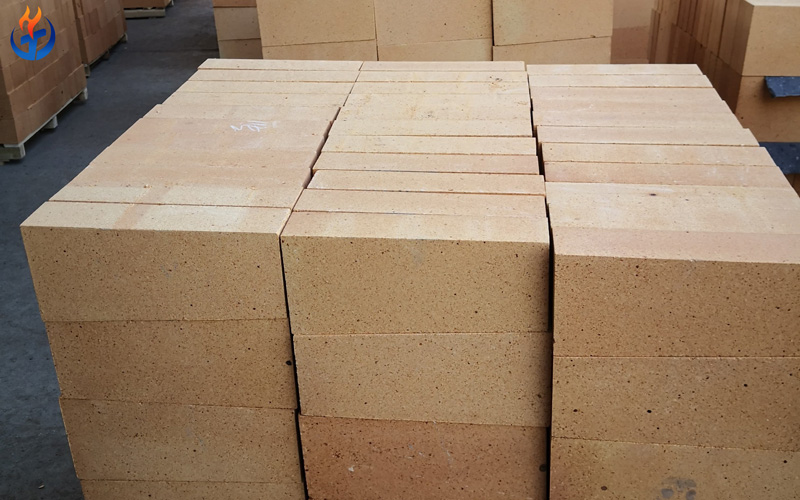
High alumina bricks are shaped refractory products primarily composed of alumina (Al₂O₃) and silica (SiO₂), with alumina content typically ranging from 45% to over 90%, depending on grade and application.
In steelmaking, these bricks are engineered to withstand:
Extremely high operating temperatures
Chemical attack from slags and gases
Mechanical stress and abrasion
Thermal shock from frequent heating and cooling cycles
Because of this balanced performance profile, high alumina bricks are used across both hot-face linings and backup linings in steel industry furnaces.
2. Why High Alumina Content Matters in Steelmaking
The alumina content is the defining factor that differentiates high alumina bricks from fireclay and low-alumina refractories.
As alumina content increases:
Refractoriness under load improves
Hot strength increases
Slag resistance becomes stronger
Creep deformation decreases
These characteristics are especially important in steelmaking environments, where furnaces operate continuously under high thermal and mechanical stress.
For many steel industry refractory applications, high alumina bricks offer an optimal balance between performance and cost.
3. Key Benefits of High Alumina Bricks in Steelmaking
3.1 Excellent High-Temperature Resistance
Steelmaking processes often involve temperatures exceeding 1600°C, particularly in blast furnaces, converters, and electric arc furnaces.
High alumina bricks exhibit:
High refractoriness
Strong resistance to softening at elevated temperatures
Structural stability under prolonged heat exposure
This makes them well-suited for critical furnace zones where temperature consistency and lining stability are essential.
3.2 Superior Mechanical Strength
Mechanical stress is unavoidable in steelmaking due to:
Scrap charging
Molten metal flow
Slag movement
Equipment vibration
High alumina bricks provide:
High cold crushing strength
Good abrasion resistance
Strong load-bearing capacity
In areas such as furnace walls, ladle linings, and reheating furnace hearths, this mechanical durability significantly extends service life.
3.3 Strong Resistance to Slag and Chemical Attack
Slag chemistry in steelmaking can vary widely, depending on the process and raw materials used. Acidic, neutral, and weakly basic slags can all pose challenges for refractory linings.
High alumina bricks demonstrate:
Good resistance to acidic and neutral slags
Improved penetration resistance compared to fireclay bricks
Stable microstructure under chemical exposure
For many steel industry refractory applications, this chemical stability results in more predictable wear patterns and reduced risk of sudden lining failure.
4. Thermal Shock Resistance for Dynamic Steelmaking Conditions
Steelmaking operations are rarely steady-state. Frequent temperature fluctuations occur during:
Furnace start-ups and shutdowns
Charging and tapping cycles
Ladle transfers
High alumina bricks, particularly those with optimized grain size distribution and controlled porosity, offer good thermal shock resistance.
This property allows the lining to:
Withstand rapid temperature changes
Minimize crack formation
Reduce spalling during operation
As a result, high alumina bricks are suitable for furnaces that experience cyclic thermal loads.
5. Wide Application Range in Steel Plants
One of the biggest benefits of high alumina bricks is their versatility across steelmaking processes.
5.1 Blast Furnaces and Hot Blast Stoves
In ironmaking, high alumina bricks are used in:
Furnace shafts
Bosh and belly areas
Hot blast stove checkerwork
Their high-temperature strength and resistance to gas erosion make them reliable in long-term campaigns.
5.2 Electric Arc Furnaces (EAF)
In EAF steelmaking, high alumina bricks are commonly used for:
Furnace walls
Slag line zones
Roof rings
Although magnesia-based refractories dominate slag zones, high alumina bricks still play a supporting role where balanced thermal and mechanical performance is required.
5.3 Ladles and Secondary Metallurgy
High alumina bricks are widely applied in:
Ladle backup linings
Impact areas
Working linings for certain steel grades
Their consistent quality and resistance to erosion make them a dependable choice in ladle systems.
5.4 Reheating Furnaces
Reheating furnaces require refractories that can handle:
Long operating hours
Mechanical abrasion from billets and slabs
Oxidizing atmospheres
High alumina bricks provide a strong combination of wear resistance and thermal stability, especially in furnace walls and roofs.
6. Cost-Effectiveness in Steel Industry Refractory Selection
While premium refractories such as magnesia-carbon or spinel bricks offer specialized performance, they also come at a higher cost.
High alumina bricks offer:
Lower material cost compared to ultra-high-end refractories
Long service life in suitable applications
Reduced maintenance frequency
For many steel plants, high alumina bricks represent a cost-effective steel industry refractory solution that delivers strong performance without excessive investment.
7. Compatibility with Monolithic and Precast Systems
Modern steel plants rarely rely on a single refractory type. Instead, they use hybrid lining systems that combine bricks, monolithics, and precast components.
High alumina bricks integrate well with:
Castable backup linings
Precast refractory shapes
Insulating layers
This compatibility allows engineers to design optimized lining systems that balance performance, installation speed, and cost.
8. Stable Dimensional Accuracy and Installation Reliability
Factory-produced high alumina bricks offer:
Consistent dimensions
Uniform density
Reliable installation quality
Compared with on-site cast refractories, brick installation is less sensitive to environmental conditions such as humidity and temperature.
This makes high alumina bricks a dependable option for steel plants seeking stable and repeatable lining construction.
9. Choosing the Right Grade of High Alumina Bricks
Not all high alumina bricks perform the same. Selection should consider:
Alumina content (45%, 60%, 70%, 80%+)
Operating temperature
Slag chemistry
Mechanical load conditions
Thermal cycling frequency
Working with an experienced steel industry refractory supplier ensures the right grade is selected for each application zone.
Final Thoughts
The benefits of high alumina bricks in steelmaking lie in their balanced performance profile. They combine high-temperature strength, mechanical durability, chemical resistance, and cost-effectiveness into a single, versatile refractory solution.
Across blast furnaces, electric arc furnaces, ladles, and reheating furnaces, high alumina bricks continue to play a critical role in steel industry refractory systems. Their reliability, predictable wear behavior, and wide application range make them an essential material for steelmakers seeking stable operation and optimized lifecycle cost.
As steel plants continue to modernize and pursue higher efficiency, high alumina bricks remain a proven and indispensable choice in the ever-evolving landscape of steelmaking refractories.