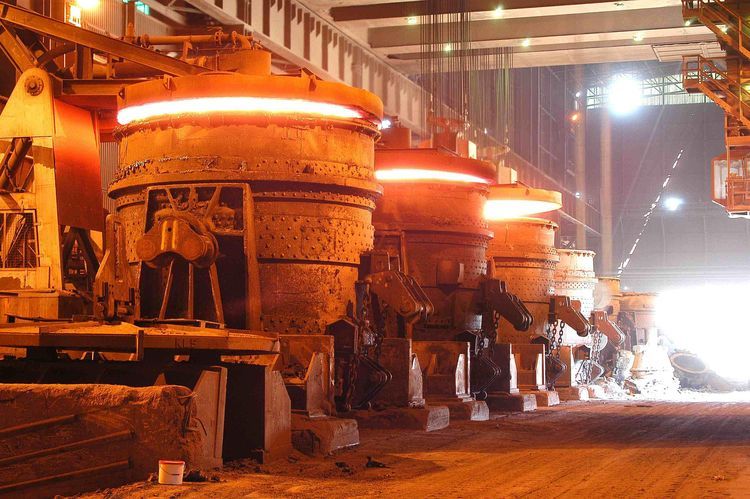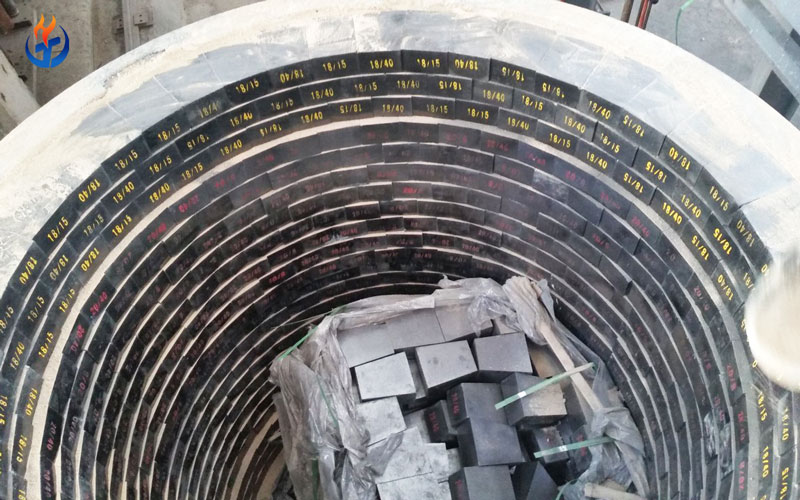
A ladle is a critical piece of equipment in steelmaking, responsible for receiving, transporting, and refining molten steel. During operation, its refractory lining is exposed to multiple demanding conditions, including high-temperature molten steel, corrosion from highly basic slag, mechanical erosion, and repeated thermal shock. These factors place strict requirements on the performance, durability, and stability of ladle refractories. Among the various refractory materials used in ladle lining systems, magnesia carbon bricks are valued for their combined resistance to slag corrosion, thermal shock, and high-temperature service conditions. They are widely used in selected critical areas of ladles, helping protect the lining and support safe, reliable steelmaking operations.
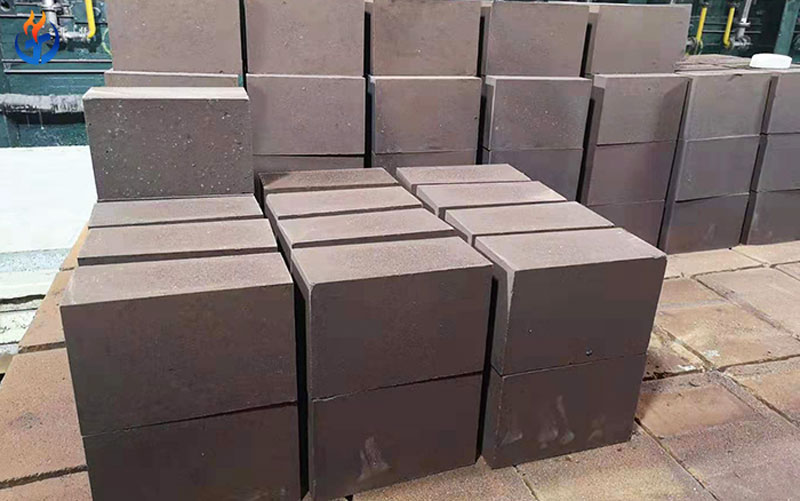
1. Magnesia Carbon Bricks in the Ladle Slag Line
The slag line is one of the most severely exposed areas of a ladle lining. During steelmaking operations, this region experiences frequent contact with molten slag and steel, while also being subjected to fluctuations in temperature and changes in slag composition. The combined effects of chemical corrosion, penetration, and mechanical erosion can cause rapid refractory wear if the lining material is not properly selected.
Application Location
Magnesia carbon bricks are commonly used in the slag line zone of ladles, particularly in areas where the refractory lining is repeatedly exposed to contact between molten steel and slag. The exact installation arrangement depends on the ladle design, steelmaking process, slag characteristics, and the required service life of the lining.
Main Functions
The primary function of magnesia carbon bricks in the slag line is to resist slag corrosion and reduce refractory damage. Magnesia, as the main refractory component, provides good resistance to high-temperature conditions and basic slags. This makes magnesia-based refractories suitable for applications involving calcium oxide-rich slag systems.
Carbon is another important component of these bricks. Under suitable operating conditions, carbon can reduce slag wetting and help limit the penetration of slag into the refractory structure. By restricting penetration and reducing the extent of chemical interaction, the carbon component can help slow down refractory degradation.
Magnesia carbon bricks also offer good thermal shock resistance, which is important in the slag line because the lining experiences repeated temperature changes during ladle preparation, steel receiving, refining, and casting. Their combined material properties help reduce the risk of cracking, spalling, and premature lining damage.
Because the slag line is particularly vulnerable to wear, selecting an appropriate magnesia carbon brick grade and controlling the installation quality are essential for extending lining life and reducing unplanned maintenance.
2. Applications in the Ladle Sidewall Working Lining
The sidewall of a ladle provides structural protection and helps maintain the integrity of the refractory lining throughout the steelmaking process. During operation, the sidewall is exposed to thermal radiation from molten steel, temperature fluctuations, and varying degrees of mechanical erosion. Depending on the process and the position within the ladle, certain areas may experience more demanding operating conditions than others.
Application Location
Magnesia carbon bricks may be used in selected sections of the ladle sidewall working lining, including the middle and lower sidewall areas or other locations where their resistance to thermal shock and slag attack is beneficial. Their use depends on the overall refractory lining design, and they are not necessarily the preferred material for every section of the sidewall.
Main Functions
One important function of magnesia carbon bricks in sidewall applications is to help maintain the stability of the refractory lining. During repeated ladle cycles, refractory materials undergo heating and cooling, which can generate thermal stresses. If these stresses exceed the material’s resistance, cracks and surface spalling may develop, gradually reducing the thickness of the working lining.
The carbon-containing structure of magnesia carbon bricks can improve resistance to thermal shock by helping accommodate temperature-related stresses. This property is particularly valuable in operations involving frequent ladle turnover, where refractory materials must withstand repeated changes in temperature without suffering excessive damage.
In addition, the magnesia component provides resistance to high temperatures and basic slag environments. In sidewall areas affected by slag penetration or localized erosion, these properties can contribute to improved lining durability.
However, the selection of sidewall refractories should consider the actual operating environment, including steel temperature, slag chemistry, refining practices, and the required service life. In many ladle designs, different refractory materials are combined to achieve a balance between corrosion resistance, insulation, structural stability, and cost.
3. Supplementary Applications in Local Ladle Bottom Areas
The ladle bottom is another critical part of the refractory lining system. It must withstand contact with molten steel, localized impact, and mechanical erosion during steel receiving and other operating stages. The severity of these conditions varies according to the ladle structure, steel flow pattern, and the location of functional components.
Magnesia carbon bricks may be used in selected local reinforcement areas of certain ladle designs. However, their use in the bottom lining is not universal. Many ladle bottoms rely on other refractory materials selected according to the specific thermal, mechanical, and chemical requirements of the application.
Application Location
Potential application areas include selected sections near the ladle bottom perimeter and localized positions subject to relatively strong steel flow or mechanical erosion. The final arrangement should be determined by the refractory lining design and the operating requirements of the steelmaking facility.
Main Functions
Where magnesia carbon bricks are appropriate, they can contribute to improved resistance to mechanical erosion and help maintain the durability of the selected lining sections. Their resistance to high temperatures and thermal shock can also support performance under changing operating conditions.
When integrated with other refractory materials, magnesia carbon bricks can form part of a coordinated lining system designed to protect vulnerable areas and maintain the overall integrity of the ladle. Proper material selection and installation are essential, as the bottom lining must also meet requirements related to steel containment, flow control, and compatibility with functional refractories.
4. How the Material Structure Supports Ladle Applications
The performance of magnesia carbon bricks in demanding steelmaking environments comes from the complementary properties of their main components. The proportions, raw material quality, manufacturing process, and microstructure all influence the final performance of the product.
Magnesia for High-Temperature and Slag Resistance
Magnesia is the primary refractory component of magnesia carbon bricks. It provides a high melting point and good resistance to basic slags, making it suitable for many high-temperature metallurgical applications. The quality and purity of the magnesia raw material, together with the brick’s density and microstructure, influence its resistance to corrosion and penetration.
Carbon for Improved Corrosion and Thermal Shock Resistance
Carbon helps reduce slag wetting and can restrict slag penetration under suitable operating conditions. It also contributes to the thermal shock resistance of the brick by influencing how the material responds to rapid temperature changes.
Nevertheless, carbon can be oxidized when exposed to oxygen at elevated temperatures. For this reason, carbon content, antioxidant additives, storage conditions, and operating practices all need to be considered when selecting and using magnesia carbon bricks.
Formulation for Stable High-Temperature Performance
The performance of a magnesia carbon brick depends on more than the presence of magnesia and carbon alone. Particle size distribution, binder selection, forming pressure, heat treatment, and the use of appropriate additives all affect its properties.
A well-designed formulation can help balance corrosion resistance, oxidation resistance, thermal shock performance, and structural integrity. Matching the brick grade to the actual ladle operating conditions is therefore essential for achieving reliable service.

5. The Benefits of Proper Magnesia Carbon Brick Selection
Properly selecting and positioning magnesia carbon bricks within a ladle lining system can support more reliable refractory performance and more efficient steelmaking operations.
First, suitable refractory materials can help extend the service life of critical lining areas, reducing the likelihood of premature wear and unexpected maintenance. This is especially important in the slag line, where corrosion and erosion can be particularly severe.
Second, improved resistance to thermal shock and spalling can help maintain lining integrity across repeated operating cycles. Reducing localized damage may also help steelmakers manage refractory consumption more effectively.
Third, a well-planned refractory lining can reduce maintenance interruptions and support more consistent production scheduling. Since ladle availability directly affects steelmaking and casting operations, improving lining durability can contribute to greater operational continuity.
Finally, combining magnesia carbon bricks with other suitable refractory materials allows steelmakers to develop a lining system that addresses the different conditions found throughout the ladle. The objective is not simply to use one material everywhere, but to select the right refractory for each application zone.
Conclusion
Magnesia carbon bricks play an important role in selected areas of ladle refractory lining systems, particularly the slag line and other locations where resistance to basic slag corrosion, thermal shock, and mechanical erosion is required. Their performance comes from the combination of magnesia’s high-temperature and basic slag resistance with carbon’s ability to reduce slag wetting and improve thermal shock behavior.
By evaluating operating conditions, choosing suitable brick grades, and coordinating magnesia carbon bricks with other refractory materials, steelmakers can improve lining durability, reduce premature damage, and support safer, more stable ladle operations. Careful refractory design and material selection remain essential to achieving reliable performance throughout the ladle’s service life.