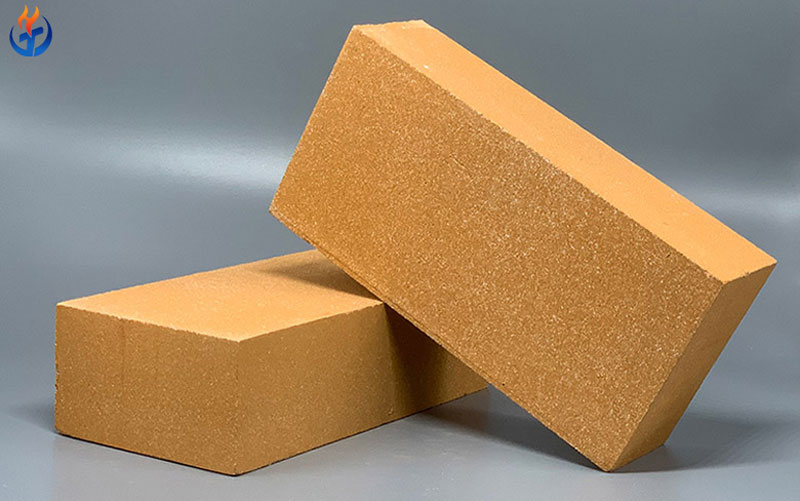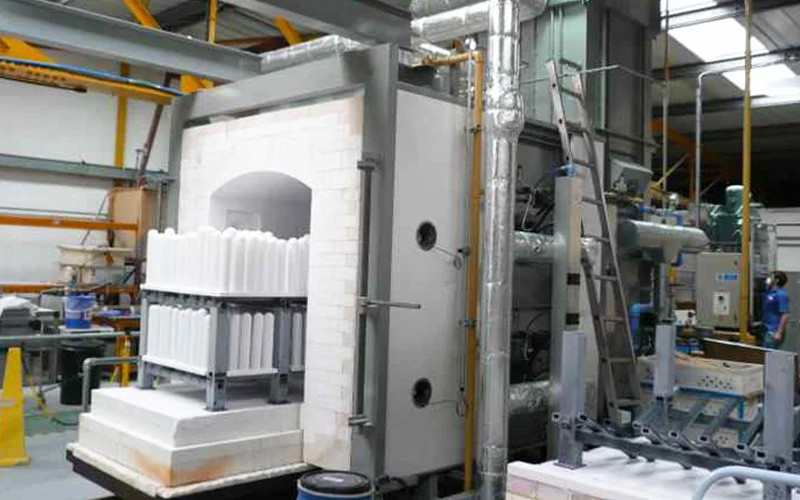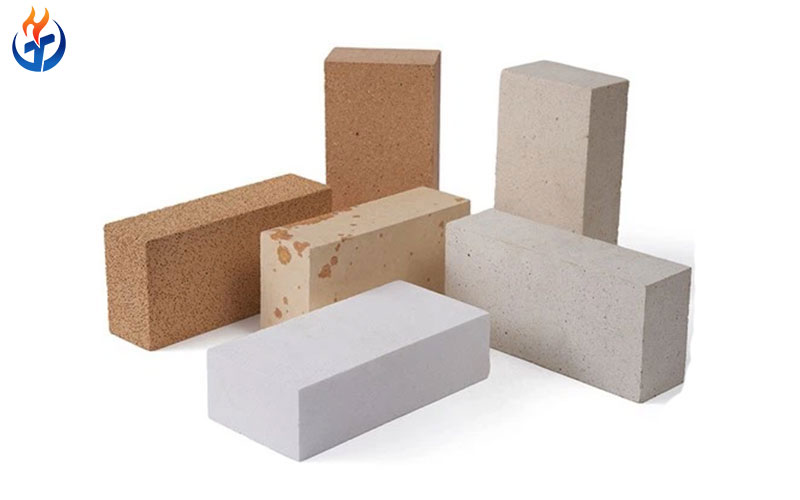
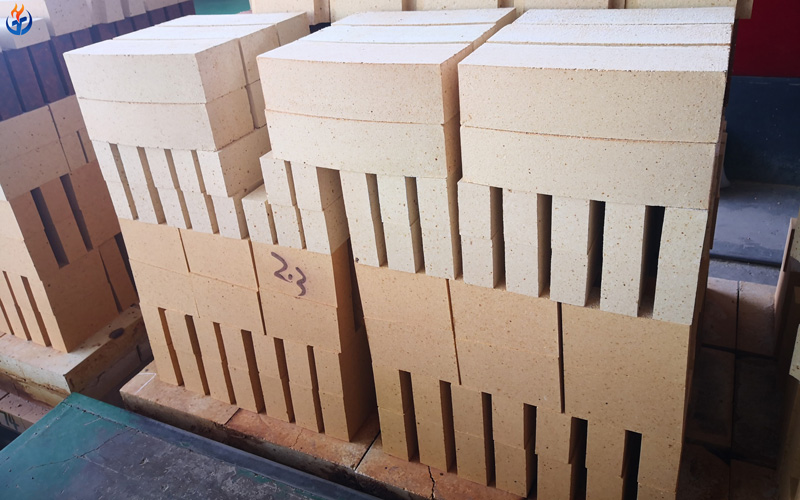
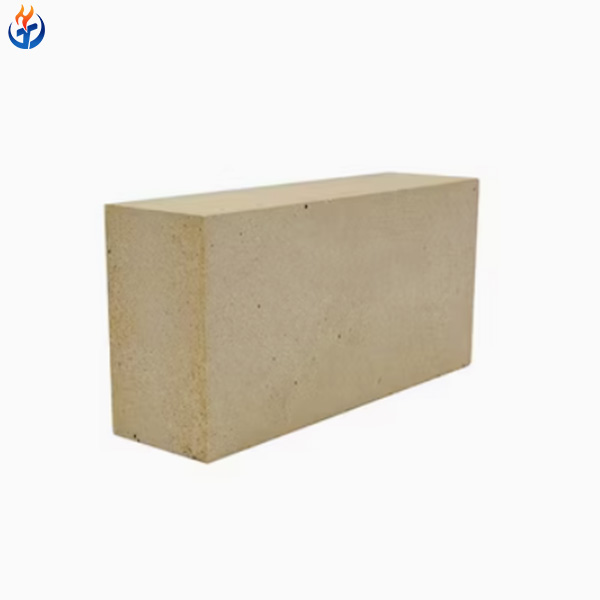
75 high alumina brick is a widely used refractory brick designed for high-temperature industrial applications where good refractoriness, mechanical strength, thermal stability, and resistance to chemical attack are required. The name “75” generally indicates that the brick contains approximately 75% or more Al₂O₃ (alumina). With a balanced mineral composition, 75 high alumina brick offers a practical combination of performance and cost, making it suitable for many industrial furnaces and kiln linings.
Compared with conventional fire clay bricks, 75 high alumina brick provides higher refractoriness, better load-bearing performance, and improved resistance to wear and chemical erosion. At the same time, its moderate silica content can contribute to better thermal shock resistance than some higher-alumina refractory products.
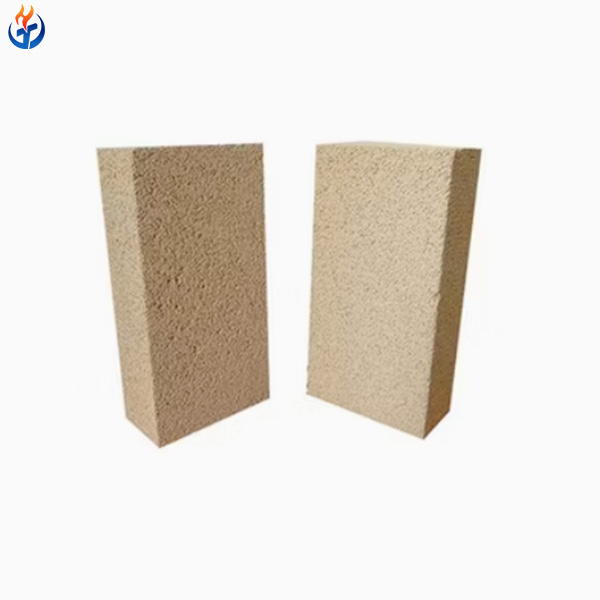
More About 75 High Alumina Brick
75 high alumina brick is a type of alumina-silica refractory brick with an Al₂O₃ content of around 75% or higher. Its typical chemical composition includes approximately 75% Al₂O₃, 20%–23% SiO₂, and a controlled amount of Fe₂O₃ and other impurities.
The main mineral phases generally include corundum and mullite. Corundum contributes to high hardness, refractoriness, wear resistance, and corrosion resistance, while mullite provides good high-temperature structural stability and thermal shock resistance. A relatively small amount of glassy phase exists between the crystalline phases.
The brick is commonly manufactured by using high-grade calcined bauxite as the primary raw material. After batching, mixing, pressing, drying, and firing at high temperature, the finished brick develops a dense and stable structure suitable for demanding furnace environments.
Main Advantages of 75 High Alumina Brick
1. High Refractoriness
One of the most important advantages of 75 high alumina brick is its high refractoriness. Its refractoriness can generally reach approximately 1790°C or above, allowing it to operate reliably in many high-temperature industrial environments.
The high alumina content increases the proportion of refractory minerals within the brick, helping it maintain its structure when exposed to elevated temperatures. This makes 75 high alumina brick a suitable option for furnace walls, kiln linings, and other areas exposed to continuous heating.
2. Good Load Softening Resistance
75 high alumina brick also offers good resistance to deformation under load at high temperatures. Its mullite and corundum phases form a relatively stable high-temperature structure, enabling the brick to withstand mechanical stress while operating under elevated temperatures.
The load softening temperature can generally reach above 1520°C, depending on the raw materials, manufacturing process, and specific product grade. This characteristic is particularly important for furnace structures that must maintain dimensional stability during long-term operation.
3. Excellent Mechanical Strength and Wear Resistance
High mechanical strength is another major advantage of 75 high alumina brick. Its dense structure allows it to withstand the pressure generated by refractory masonry, as well as impact and abrasion from materials moving through industrial equipment.
For this reason, it can be used in areas where refractory linings are exposed to mechanical wear, material movement, or repeated industrial operation. Properly selected 75 high alumina brick can help extend lining service life and reduce maintenance frequency.
4. Good Thermal Shock Resistance
Although higher-alumina bricks can provide excellent high-temperature performance, they may not always offer the same level of thermal shock resistance. The balanced alumina and silica composition of 75 high alumina brick can provide a useful advantage when operating temperatures change frequently.
The mullite-rich structure and controlled microcrack development can help release thermal stress caused by rapid heating and cooling. Therefore, 75 high alumina brick can be considered for applications where resistance to repeated thermal cycling is important.
5. Resistance to Chemical Attack
75 high alumina brick has good overall resistance to chemical erosion. It can resist the effects of various slags and high-temperature materials better than ordinary fire clay bricks.
Although it may not be the first choice for extremely aggressive alkaline slag or highly specialized corrosive environments, its balanced chemical resistance makes it suitable for many general metallurgical, cement, glass, ceramic, and chemical industry applications.
6. Good Cost Performance
Another reason for the popularity of 75 high alumina brick is its cost-performance balance. It provides significantly better high-temperature performance than many conventional clay-based refractories without necessarily requiring the higher cost associated with extremely high-alumina or specialty refractory products.
For industrial users looking for reliable performance and reasonable material costs, it can be an economical choice for many furnace lining applications.
Main Applications of 75 High Alumina Brick
Steel Industry
In the steel industry, 75 high alumina brick can be used in electric furnace roofs and walls, heating furnaces, soaking furnaces, and selected areas of steel ladles. Its high refractoriness and mechanical strength allow it to withstand high-temperature operation and mechanical stresses.
Cement Industry
Cement production equipment operates under severe thermal and chemical conditions. 75 high alumina brick can be used in selected sections of rotary kilns, including transition areas, cooling zones, kiln hoods, and cooler-related structures. Its thermal stability and resistance to wear make it suitable for these applications.
Glass Industry
In glass melting facilities, 75 high alumina brick may be used in regenerator structures, lower furnace walls, and flue-related areas. Its resistance to high temperatures and chemical attack helps maintain refractory integrity during continuous operation.
Non-Ferrous Metallurgy
The brick can also be applied to furnaces and equipment used for copper, lead, zinc, and other non-ferrous metal processing. Typical applications include reverberatory furnaces, copper converters, and distillation furnaces.
Ceramic and Refractory Industries
Tunnel kilns, shuttle kilns, kiln walls, kiln roofs, and kiln-car components can benefit from 75 high alumina brick. Its combination of strength, thermal stability, and refractoriness makes it suitable for repeated firing cycles.
Chemical Industry
In chemical processing, 75 high alumina brick can be used in gas generators, producer-gas furnaces, and other high-temperature equipment where refractory linings must withstand heat, mechanical stress, and chemical exposure.
How to Select the Right 75 High Alumina Brick
When selecting 75 high alumina brick, buyers should consider more than the alumina content alone. Operating temperature, furnace atmosphere, slag composition, thermal cycling frequency, mechanical loading, bulk density, apparent porosity, and cold crushing strength should all be evaluated.
For applications requiring greater high-temperature structural stability, load softening temperature should receive particular attention. For frequently changing temperatures, thermal shock resistance is important. In highly corrosive environments, chemical purity, porosity, and density should also be considered.
Conclusion
75 high alumina brick is a versatile refractory material that combines high refractoriness, good load softening resistance, strong mechanical performance, thermal shock resistance, and broad chemical resistance. These advantages allow it to serve in steel, cement, glass, non-ferrous metallurgy, ceramic, refractory, and chemical industries.
For many industrial furnace applications, 75 high alumina brick provides a practical balance between performance, service life, and cost. However, the correct grade should always be selected according to the actual operating temperature, atmosphere, mechanical conditions, and chemical environment. Proper material selection can improve lining durability, reduce maintenance requirements, and support safer and more efficient high-temperature operations.