Refractories play a crucial role in industries that involve high-temperature processes, such as steel manufacturing, cement production, glassmaking, and more. These materials are essential for maintaining the integrity and efficiency of furnaces, kilns, and other high-heat equipment. Among the various forms of refractory materials, refractory precast shapes have emerged as a key innovation, offering significant advantages in terms of performance, ease of installation, and cost-effectiveness.
In this article, we’ll explore the application of refractory precast shapes in the refractory industry, detailing their types, manufacturing process, benefits, and the industries they serve.
What Are Refractory Precast Shapes?
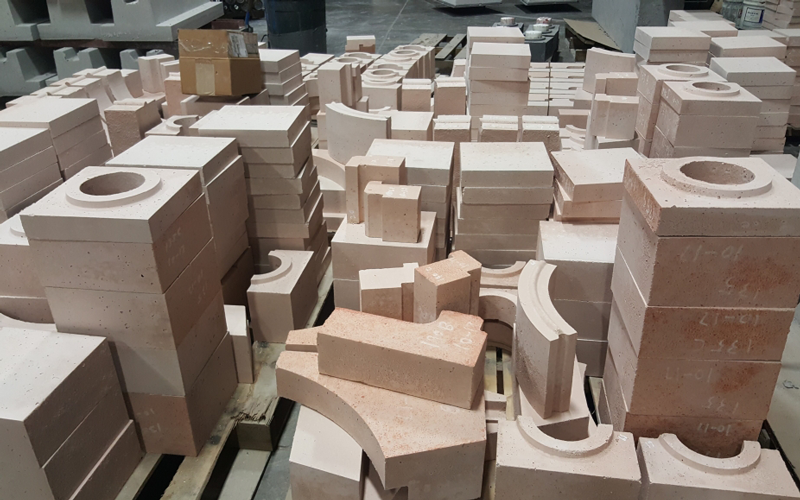
Refractory precast shapes are pre-formed, high-performance materials made from specialized refractory products that are cast into specific shapes before being used in industrial applications. Unlike traditional bricks or monolithic linings, which require installation in situ, precast shapes are ready for installation and designed to fit precisely into the structure. These shapes are molded under controlled conditions using a combination of refractory aggregates, binders, and other additives to meet the specific thermal, mechanical, and chemical requirements of the application.
These precast shapes can include items such as:
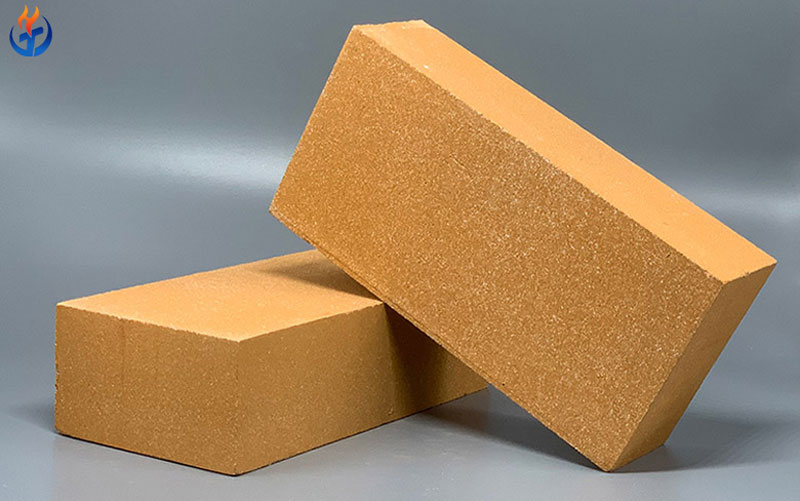
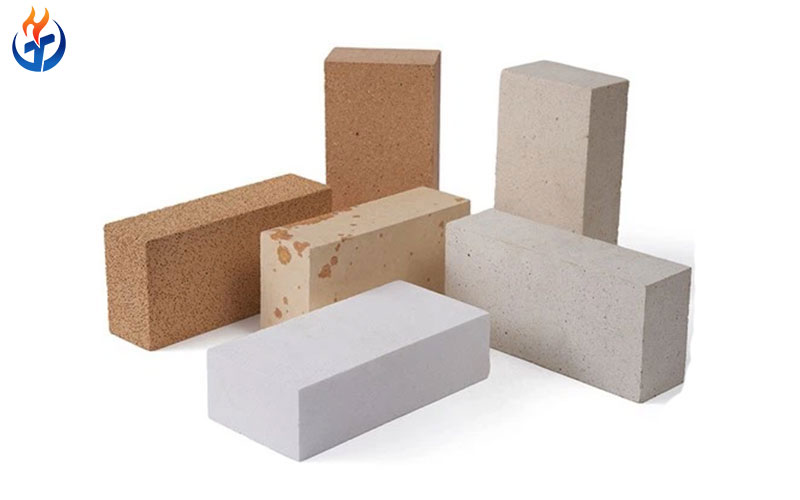
Refractory bricks with complex shapes
Tiles for kiln linings
Nozzles and spouts for steelmaking
Shapes for furnaces, including hearths and roof linings
Arches and burner blocks used in rotary kilns
Precast shapes are often custom-designed for each application, ensuring that they fit perfectly into the structure of the equipment or facility.
Manufacturing of Refractory Precast Shapes
The production of refractory precast shapes involves several steps to ensure that they meet the necessary quality standards. Here’s a brief overview of the typical manufacturing process:
Raw Material Selection: The process begins with the selection of high-quality refractory aggregates, such as alumina, silica, magnesia, or zirconia. These materials must possess high resistance to heat, wear, and chemical corrosion.
Mixing and Formulation: The selected raw materials are then mixed with binders, plasticizers, and other additives to create a homogeneous mixture. The composition is tailored to meet the specific thermal and mechanical properties required for the final application.
Casting: The mixed material is poured into molds that have been designed to match the desired shape. This step is crucial for achieving the precise dimensions and intricate details that are characteristic of refractory precast shapes.
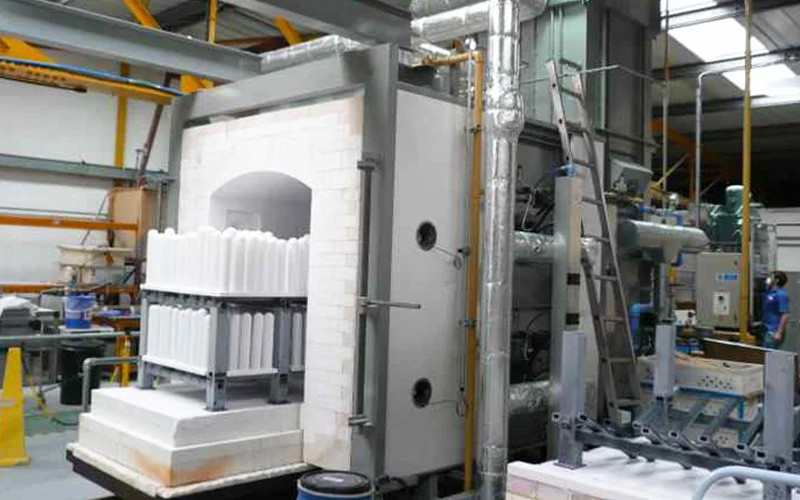
Drying and Firing: After the casting process, the shapes are slowly dried to remove any moisture. Once dried, the shapes undergo firing at high temperatures in kilns to achieve their final properties. The firing process solidifies the material and enhances its thermal stability.
Quality Control: Each batch of refractory precast shapes is rigorously tested to ensure that it meets the required standards. Tests include checking for mechanical strength, thermal shock resistance, and chemical stability under high temperatures.
Finishing: After testing, the precast shapes may undergo additional processing to ensure that they fit precisely and are ready for installation.
Types of Refractory Precast Shapes
Refractory precast shapes are used in a variety of applications, and their specific design depends on the needs of the industry. Below are some common types:
Refractory Blocks: These are larger precast shapes that are designed to line furnaces, kilns, and other high-temperature equipment. They may be rectangular or custom-shaped to fit the specific geometry of the equipment.
Complex Shapes: Some high-temperature applications require more complex shapes, such as burner blocks, nozzle liners, and special-shaped hearths. These shapes are often customized to fit the specific needs of the equipment.
Kiln Linings and Burner Blocks: In rotary kilns, precast shapes are used for linings and burner blocks. These shapes are designed to withstand the abrasive action and intense heat inside the kiln.
Refractory Tiles: Tiles are often used in situations where a smooth and even surface is needed, such as in furnaces and reactors. They are also used in smaller applications, like hearths or spouts.
Chimney Linings and Furnace Roofs: Precast refractory shapes are used in the construction of chimneys and furnace roofs to provide thermal insulation and protect against heat loss.
Custom Shapes: Many industries require custom-designed refractory precast shapes that meet unique specifications for their processes. These shapes can be tailored to fit specific parts of the equipment or to withstand extreme conditions, such as highly corrosive environments or thermal shock.
Benefits of Refractory Precast Shapes
Refractory precast shapes offer a range of benefits over traditional refractory materials. Some of the key advantages include:
Ease of Installation: One of the most significant advantages of using refractory precast shapes is the ease of installation. Since these shapes are pre-formed and custom-made to fit the application, they can be installed quickly without the need for extensive on-site preparation. This reduces downtime and labor costs associated with installation.
Consistent Quality: Precast shapes are manufactured in controlled environments, ensuring consistent quality and performance. This eliminates the variability that can occur with on-site mixing and application of traditional refractories.
Reduced Material Wastage: With custom-designed shapes, material wastage is minimized. Since the shapes are made to fit precisely, there is little to no need for cutting or modifying them during installation, reducing material waste.
Improved Performance: Refractory precast shapes are designed to meet the specific demands of high-temperature applications. Their high thermal resistance, chemical stability, and mechanical strength ensure optimal performance in harsh industrial environments.
Cost-Effectiveness: While the initial cost of producing refractory precast shapes can be higher than traditional methods, the benefits of reduced labor costs, faster installation, and longer service life result in overall cost savings.
Customizability: Precast shapes can be designed to meet the exact specifications of a particular application, ensuring that they fit perfectly into the equipment. Custom designs also allow for specific features, such as increased thermal resistance or enhanced corrosion resistance, to be incorporated into the shapes.
Durability and Longevity: Since these shapes are designed to withstand high temperatures and harsh chemical environments, they tend to last longer than other refractory materials. This reduces the frequency of replacements, making them a more durable choice for many applications.
Applications of Refractory Precast Shapes
Refractory precast shapes are used across a wide variety of industries, each with its own specific requirements for high-performance materials. Some of the key applications include:
Steel Industry: The steel industry is one of the largest consumers of refractory materials. Precast shapes are used in blast furnaces, steel ladles, and continuous casting machines, where they help maintain the integrity of the equipment under extreme temperatures.
Cement Production: In cement manufacturing, rotary kilns are used to heat raw materials to high temperatures. Precast shapes are used for kiln linings, burner blocks, and other components to ensure efficient operation and resistance to wear.
Glass Manufacturing: Glass furnaces operate at extremely high temperatures and require durable materials for lining. Precast refractory shapes are used for furnace roofs, channels, and burner blocks, ensuring the furnace remains operational for extended periods without failure.
Petrochemical and Chemical Industries: Precast shapes are also used in the chemical and petrochemical industries for applications such as reactor linings, furnace linings, and other high-temperature processes that involve corrosive chemicals.
Non-Ferrous Metal Production: The production of non-ferrous metals such as aluminum, copper, and zinc requires high-temperature equipment. Precast shapes are used in smelting furnaces, holding furnaces, and other key areas of the production process.
Power Generation: In power plants, particularly those using coal or biomass, precast shapes are used to line furnaces, boilers, and other components to withstand the intense heat generated during combustion.
Challenges and Future Outlook
While refractory precast shapes offer many advantages, there are some challenges to consider:
Initial Investment: The initial cost of producing custom precast shapes can be high, especially for small-scale applications.
Transport and Handling: Since these shapes are often large and heavy, transport and handling can be difficult and costly.
Complexity of Design: In some cases, designing custom precast shapes for highly specialized applications can be challenging and may require advanced engineering expertise.
Looking forward, the demand for refractory precast shapes is expected to continue growing as industries seek to improve operational efficiency, reduce downtime, and extend the life of their equipment. Innovations in materials science, manufacturing processes, and design techniques will further enhance the performance and cost-effectiveness of these essential industrial components.
Conclusion
Refractory precast shapes play a pivotal role in ensuring the efficiency, safety, and longevity of high-temperature industrial processes. With their ease of installation, high-quality performance, and durability, they have become an indispensable part of industries such as steel manufacturing, cement production, glassmaking, and more. As the refractory industry continues to evolve, the role of precast shapes will only become more significant, offering solutions that are both cost-effective and highly specialized for demanding applications. Looking for Refractory precast and other refractory materials? Welcome to Get more from Xintai refractory!