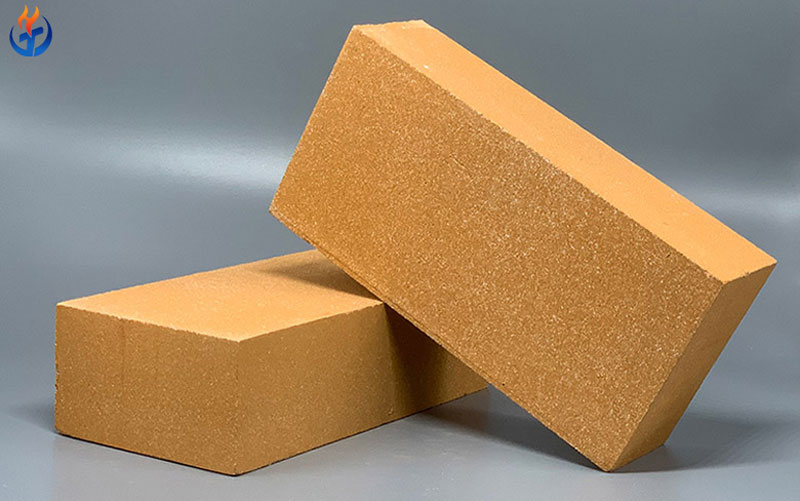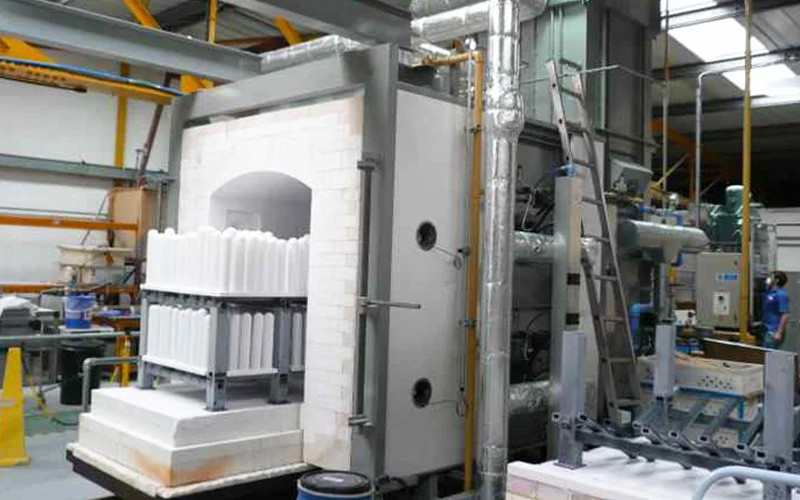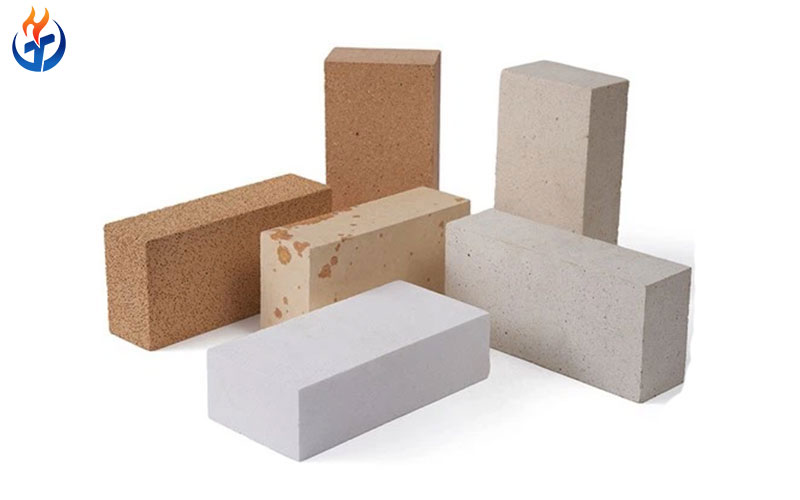
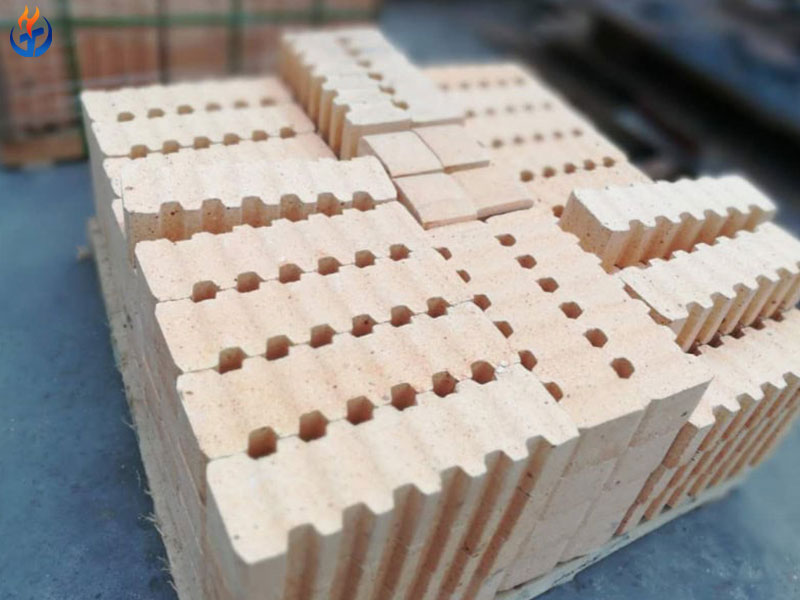
Refractory anchor bricks are important refractory components used in many high-temperature kilns and industrial thermal equipment. They are designed to help secure, support, and reinforce refractory linings that operate under severe thermal, mechanical, and chemical conditions. During continuous high-temperature operation, refractory linings can experience thermal expansion, contraction, vibration, mechanical impact, and chemical attack. Without an effective anchoring structure, these conditions may cause lining movement, cracking, spalling, or even partial collapse.
The uses of refractory anchor bricks in high-temperature kilns are therefore closely related to the stability, strength, and service life of the entire refractory lining system. Depending on the kiln design, operating temperature, atmosphere, and mechanical load, different materials and shapes of refractory anchor bricks may be selected.
1. Fixing and Supporting Refractory Linings
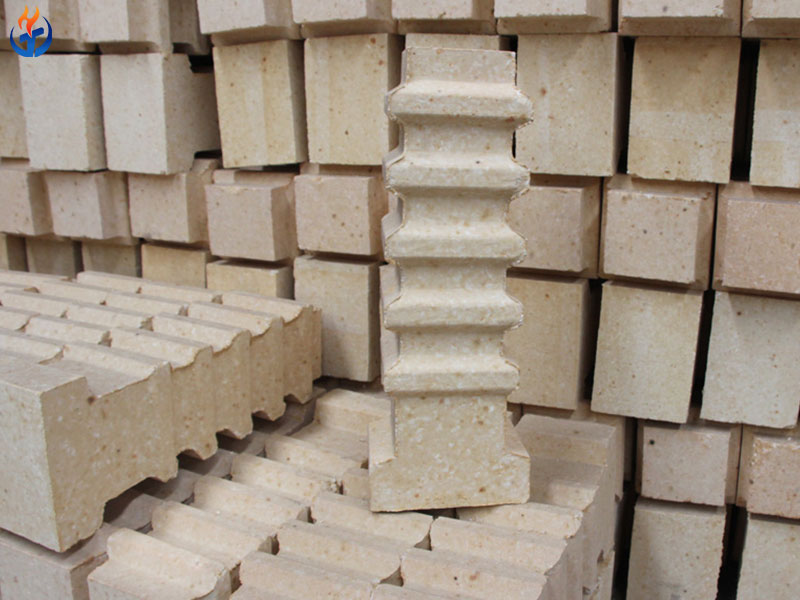
One of the primary uses of refractory anchor bricks in high-temperature kilns is to fix and support refractory lining materials. Kilns commonly use refractory castables, refractory bricks, ceramic fiber modules, and other insulating or heat-resistant materials. During operation, these materials may be exposed to thermal shock and mechanical stress.
Refractory anchor bricks provide additional structural support to help keep the refractory lining in its designed position. They can connect or reinforce the lining structure and reduce the risk of displacement. This function is especially important in kiln roofs, walls, arches, and other areas where refractory materials may be subjected to gravity and thermal stress.
By improving the stability of the lining, refractory anchor bricks help maintain the original design of the kiln and support more reliable long-term operation.
2. Improving Overall Structural Strength
Another important use of refractory anchor bricks is improving the overall strength of the refractory structure. A refractory lining is not simply a heat-resistant layer; it must also remain mechanically stable throughout repeated heating and cooling cycles.
Refractory anchor bricks can help integrate the refractory lining with the supporting structure of the kiln. When properly designed and installed, they distribute mechanical forces and provide additional restraint for the lining. This can reduce the possibility of large cracks, deformation, or local collapse.
For industrial kilns that operate continuously for long periods, maintaining structural integrity is essential. A stable refractory lining can reduce unexpected maintenance requirements and contribute to more consistent kiln performance.
3. Resisting High Temperatures
High-temperature kilns expose refractory materials to extremely demanding thermal conditions. Refractory anchor bricks are manufactured from refractory materials selected according to the operating environment. Depending on the application, clay-based, high-alumina, silica, or other specialized refractory materials may be used.
A suitable refractory anchor brick must maintain sufficient strength and stability at elevated temperatures. It should also withstand repeated thermal cycling without excessive deformation or deterioration.
In high-temperature zones, choosing refractory anchor bricks with appropriate refractoriness and thermal stability is particularly important. If the material is not suitable for the operating temperature, premature failure may occur and negatively affect the surrounding refractory lining.
4. Resisting Chemical Attack and Gas Erosion
In addition to high temperatures, industrial kilns may contain corrosive gases, dust, molten materials, or chemically aggressive compounds. These conditions can gradually attack refractory materials and weaken the lining.
Refractory anchor bricks with suitable chemical resistance can provide additional protection in demanding environments. For example, refractory materials with appropriate alumina or silica content may be selected according to the chemical characteristics of the kiln atmosphere.
Gas flow can also create erosion on exposed refractory surfaces. In areas with strong airflow or material movement, refractory anchor bricks must have sufficient resistance to erosion and mechanical wear. Proper material selection helps maintain the stability of the anchoring system throughout the service period.
5. Accommodating Thermal Expansion and Contraction
Thermal expansion and contraction are unavoidable in high-temperature kiln operation. When a kiln is heated, refractory materials expand. During cooling, they contract. Repeated thermal cycles can generate considerable internal stress.
A properly designed refractory anchor brick system helps manage these stresses by providing structural support without unnecessarily restricting the natural movement of the refractory lining. The shape, arrangement, spacing, and installation method of refractory anchor bricks should therefore be considered together with the thermal expansion characteristics of the refractory materials.
Proper design can reduce the risk of cracking, spalling, and structural damage caused by uneven thermal movement.
6. Supporting Critical Kiln Areas
Refractory anchor bricks are commonly used in important structural areas of high-temperature equipment. These may include kiln roofs, vertical walls, arches, ceilings, and other sections where refractory stability is particularly important.
For example, in cement production, refractory anchoring systems may be used in high-temperature sections and other areas requiring reliable refractory support. Glass melting furnaces, petrochemical cracking furnaces, and metallurgical equipment may also require specialized refractory anchor bricks.
The exact application depends on kiln construction, refractory lining design, temperature distribution, and operating conditions.
7. Reducing Maintenance and Downtime
A damaged refractory lining can force an industrial kiln to reduce production or stop completely for maintenance. Such downtime can result in significant production losses. Refractory anchor bricks can help reduce these risks by improving the mechanical stability of the lining.
When the refractory structure remains stable, the possibility of premature lining failure can be reduced. In addition, refractory anchor bricks are often arranged in a way that allows damaged local sections to be repaired or replaced without rebuilding the entire refractory system.
This can make maintenance more manageable and potentially shorten kiln shutdown periods.
8. Applications in Different Industries
The uses of refractory anchor bricks extend across several high-temperature industries. Cement rotary kilns, glass melting furnaces, petrochemical cracking furnaces, blast furnaces, electric furnaces, and other thermal processing equipment may require anchoring components.
Each industry presents different requirements. Cement equipment may experience high temperatures, dust, abrasion, and chemical reactions. Glass furnaces may require resistance to molten glass and high thermal loads. Petrochemical furnaces can involve corrosive gases and continuous heating cycles. Metallurgical furnaces may face extreme temperatures, mechanical impact, and aggressive slags.
Therefore, refractory anchor bricks should always be selected according to the actual working environment rather than simply by shape or appearance.
Conclusion
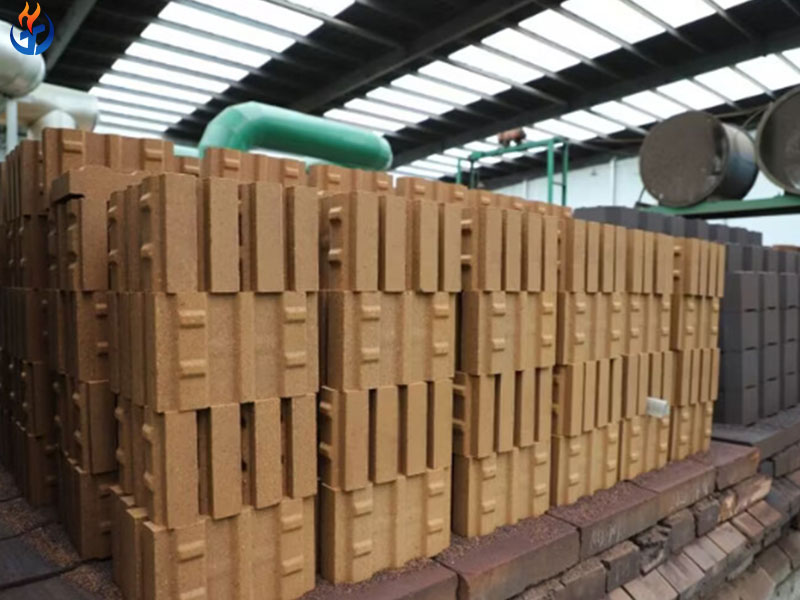
The uses of refractory anchor bricks in high-temperature kilns mainly include fixing refractory linings, improving structural strength, resisting high temperatures and chemical attack, accommodating thermal expansion, supporting critical areas, and reducing maintenance risks. Their performance directly influences the stability and durability of the refractory lining.
For the best results, refractory anchor brick material, shape, size, spacing, and installation method should be determined according to operating temperature, atmosphere, mechanical load, thermal cycling, and the characteristics of the surrounding refractory materials. A properly designed anchoring system can provide reliable support and help high-temperature kilns operate safely and efficiently for longer periods.