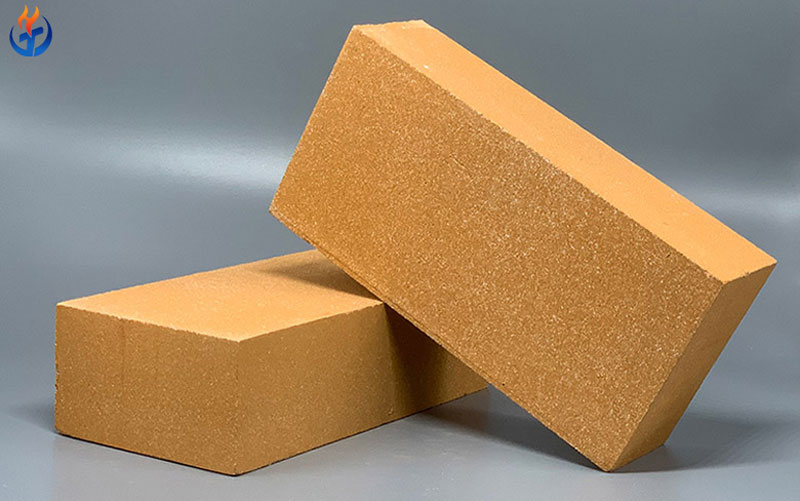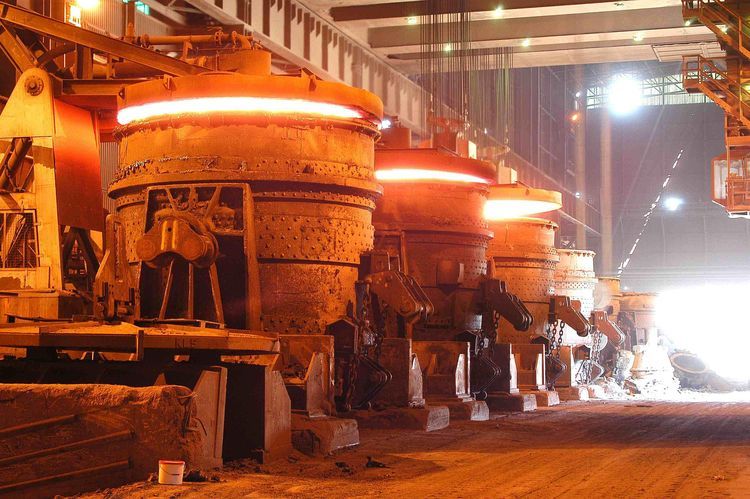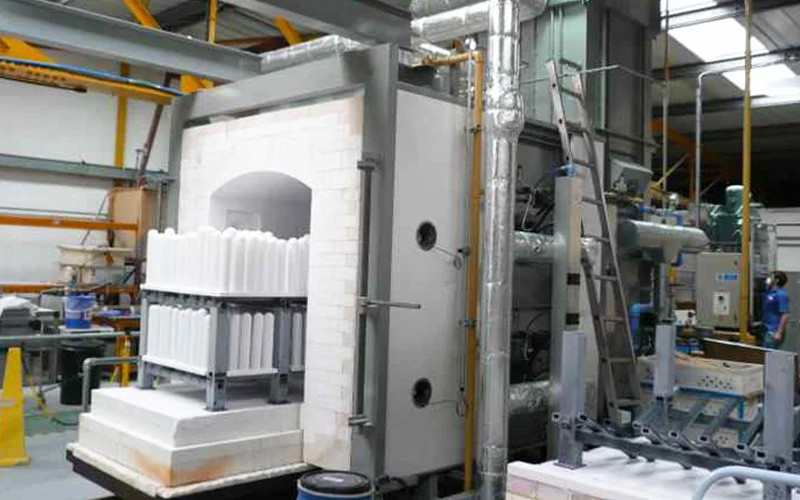
Well blocks are important refractory components used in steelmaking and continuous casting systems. According to different structural designs, material compositions, and application requirements, well blocks can be divided into several types. Each type has unique characteristics and is designed to meet different molten steel flow control requirements.
In modern steel plants, selecting the right type of well block is essential for improving casting stability, extending refractory service life, and maintaining steel quality. Common types of well blocks include open well blocks, submerged entry well blocks, tundish shroud attached well blocks, multi-outlet well blocks, insulated well blocks, and argon-purging well blocks. Now, Xintai Refractory introduces the main types of well blocks and their characteristics.
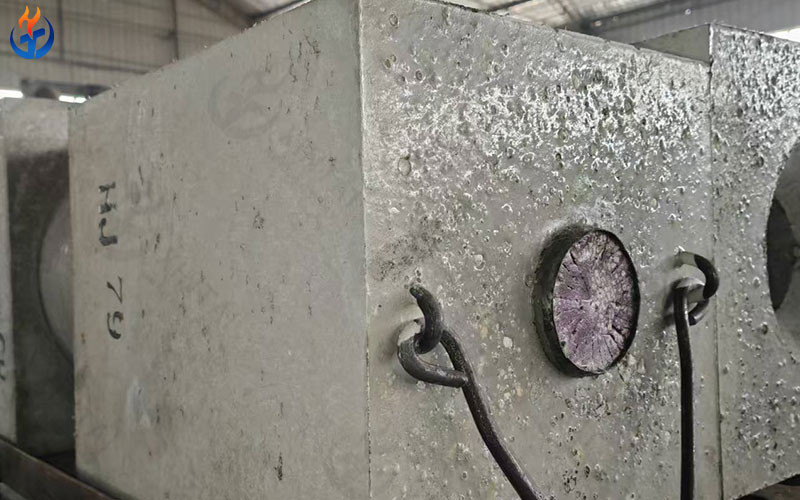
1. Open Well Blocks
Open well blocks are one of the simplest and most commonly used types of refractory well blocks. They feature an open internal structure that allows molten steel to pass directly through the opening.
Due to their simple design, open well blocks are easy to manufacture, install, and replace. They are widely used in conventional continuous casting applications where high molten steel flow rates are required.
Features of Open Well Blocks
- Simple structure and design
- Easy installation and maintenance
- High molten steel flow capacity
- Lower manufacturing cost
- Suitable for standard casting operations
Applications
Open well blocks are mainly used in:
- Conventional continuous casting systems
- Carbon steel production
- Casting processes requiring high flow rates
However, because open well blocks provide limited flow regulation, they are generally more suitable for applications where extremely precise steel flow control is not required.
2. Submerged Entry Well Blocks
Submerged entry well blocks are designed for continuous casting systems using submerged entry nozzles (SEN). Unlike open well blocks, these systems deliver molten steel below the surface of the mold pool.
The submerged design reduces direct contact between molten steel and air, helping to minimize oxidation and improve steel cleanliness.
Features of Submerged Entry Well Blocks
- Improved molten steel flow control
- Reduced steel oxidation
- Lower turbulence during casting
- Better protection against air exposure
- Suitable for high-quality steel production
Applications
Submerged entry well blocks are commonly used in:
- Slab continuous casting
- Stainless steel casting
- Alloy steel production
- Clean steel manufacturing
These well blocks require high-quality refractory materials because they are exposed to continuous contact with molten steel and severe thermal conditions.
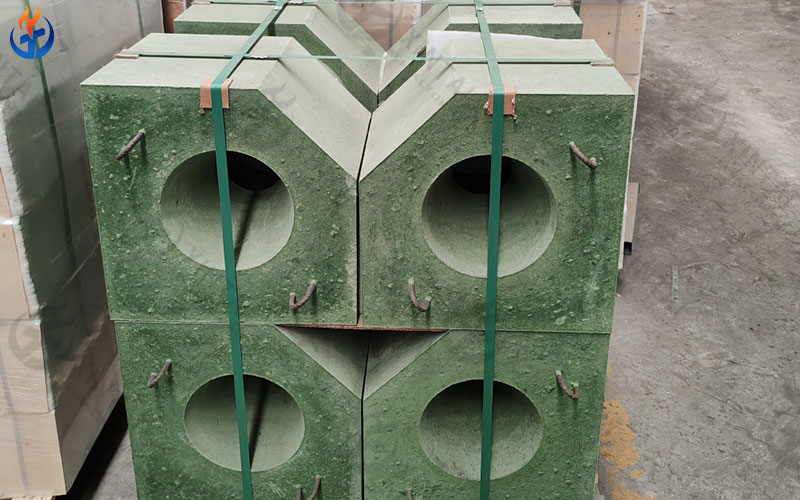
3. Tundish Shroud Attached Well Blocks
Tundish shroud attached well blocks are designed to work together with tundish shroud systems. The tundish shroud acts as a protective tube between the tundish and mold, preventing molten steel from being exposed to the atmosphere.
The combination of a well block and tundish shroud provides better protection for the molten steel stream.
Features of Tundish Shroud Attached Well Blocks
- Improved steel stream protection
- Reduced oxidation risk
- Stable molten steel transfer
- Lower air entrainment
- Enhanced casting reliability
Applications
These well blocks are mainly used in high-quality steel production, including:
- Automotive steel
- Stainless steel
- Special alloy steel
- High-cleanliness steel grades
They are preferred in applications where steel purity and surface quality are critical.
4. Multi-Outlet Well Blocks
Multi-outlet well blocks are designed with multiple flow channels or outlets. They are mainly used in multi-strand continuous casting systems where one tundish supplies molten steel to several molds simultaneously.
This design improves production efficiency by allowing multiple casting strands to operate from a single tundish.
Features of Multi-Outlet Well Blocks
- Multiple molten steel outlets
- Suitable for multi-strand casting
- Improved tundish utilization
- Increased production efficiency
- Customized flow channel design
Applications
Multi-outlet well blocks are commonly used in:
- Large-scale steel plants
- Multi-strand billet casting
- Bloom casting operations
Because multiple outlets must maintain balanced flow distribution, these well blocks require precise design and manufacturing.
5. Insulated Well Blocks
Insulated well blocks are designed to reduce heat loss during molten steel transfer. They usually contain an additional insulating layer around the refractory body to maintain steel temperature stability.
Temperature control is especially important during long casting sequences because excessive heat loss can affect steel quality and casting performance.
Features of Insulated Well Blocks
- Reduced heat loss
- Improved thermal insulation
- Better temperature stability
- Enhanced energy efficiency
- Suitable for long casting operations
Applications
Insulated well blocks are widely used in:
- Long sequence casting
- High-temperature steel production
- Processes requiring strict temperature control
They help maintain stable molten steel temperature between the tundish and mold.
6. Argon-Purging Well Blocks
Argon-purging well blocks are advanced refractory products designed to improve molten steel cleanliness. They contain special gas-permeable ceramic elements that allow argon gas to pass through the refractory structure.
During operation, argon bubbles create a gas curtain around the nozzle area, helping remove non-metallic inclusions and reduce nozzle clogging.
Features of Argon-Purging Well Blocks
- Improved steel cleanliness
- Reduced non-metallic inclusions
- Anti-clogging performance
- Enhanced nozzle protection
- Suitable for clean steel production
Applications
Argon-purging well blocks are mainly used for:
- Ultra-low carbon steel
- Stainless steel
- High-grade alloy steel
- Clean steel production
They are particularly valuable in applications where strict control of steel impurities is required.
7. High Alumina Well Blocks
High alumina well blocks are manufactured using high-purity alumina refractory materials. They are widely used because of their excellent refractoriness and wear resistance.
Features
- High temperature resistance
- Good erosion resistance
- Stable chemical performance
- Cost-effective solution
Applications
High alumina well blocks are suitable for:
- Carbon steel casting
- General continuous casting operations
- Standard tundish systems
8. Alumina-Carbon Well Blocks
Alumina-carbon well blocks combine alumina refractory materials with carbon additives to improve thermal shock resistance and corrosion resistance.
Features
- Excellent thermal shock resistance
- Reduced molten steel penetration
- Improved mechanical strength
- Longer service life
Applications
They are commonly used in:
- Continuous casting tundish systems
- Steel grades requiring better corrosion resistance
- Long casting sequence operations
9. Magnesia-Carbon Well Blocks
Magnesia-carbon well blocks are made from magnesia and carbon materials. They provide excellent resistance against basic slag corrosion and high-temperature conditions.
Features
- Superior slag resistance
- High mechanical strength
- Excellent thermal stability
- Strong corrosion resistance
Applications
Magnesia-carbon well blocks are widely used in:
- Alloy steel production
- High-carbon steel casting
- Severe slag environments
10. Zirconia Well Blocks
Zirconia well blocks are manufactured using zirconia-based refractory materials. They provide exceptional chemical stability and resistance against molten steel corrosion.
Features
- Extremely high corrosion resistance
- Excellent thermal stability
- Low contamination risk
- Suitable for high-grade steel production
Applications
Zirconia well blocks are commonly used in:
- Stainless steel casting
- Ultra-clean steel production
- Premium alloy steel manufacturing
Conclusion
Different types of well blocks are designed to meet various steelmaking and continuous casting requirements. Open well blocks provide simple and efficient molten steel flow, while submerged entry and tundish shroud attached well blocks offer improved flow control and steel protection. Multi-outlet and insulated well blocks are designed for specific production needs, while argon-purging well blocks provide advanced solutions for clean steel production.
In terms of material selection, high alumina, alumina-carbon, magnesia-carbon, and zirconia well blocks offer different advantages in temperature resistance, corrosion resistance, and service life. Choosing the appropriate type of well block according to casting conditions and steel grades helps steel plants achieve more stable and efficient production.